Physical Address
304 North Cardinal St.
Dorchester Center, MA 02124
Physical Address
304 North Cardinal St.
Dorchester Center, MA 02124

Visit Hiroshima’s Peace Park and Museum, then cross to Miyajima for Itsukushima Shrine, the floating torii gate, lunch, and guided history.
Hiroshima’s Peace Memorial Park and Miyajima’s sea-facing shrine make a striking pair: one asks you to reckon with the past, the other gives you room to breathe. This eight-hour tour links them by bus and ferry, with an English-speaking guide to put the places in context.
I like the balance between a guided visit to the Dome, park, and museum, and free time on Miyajima after the shrine. I also like that transport, ferry, admissions, and lunch are bundled into the Hiroshima departure package. One caveat: the schedule is full, and the day can run until 6:30 pm, so do not book an early evening Shinkansen.
The tour is an efficient way to visit two very different places without arranging the bus, ferry, and admissions yourself. The first half of the day focuses on Hiroshima’s experience of the atomic bombing and its aftermath. The second takes you to Miyajima, where Itsukushima Shrine and the torii gate set a gentler pace.
That contrast is part of the day’s value. The museum deserves time and attention, and the island gives you a change of scene afterward. Still, this is not a slow, open-ended visit to either place. You’ll follow a group schedule, and your time at the main stops is shaped by the day’s transport and conditions.
The package described here starts at Hiroshima Station. Although the tour is also presented as an option for people coming from Kyoto or Osaka, the included meeting point and transfers are at Hiroshima Station, not at either city. Check the exact package and departure details before booking.
If you prefer having a local expert, these guided Hiroshima experiences could work well
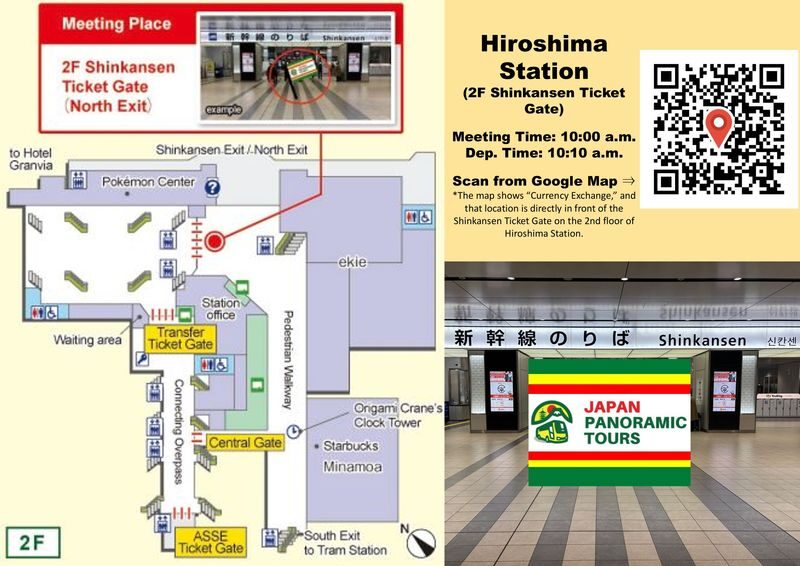
The day begins at 10:00 am at Hiroshima Station, where you meet the guide in front of the Shinkansen ticket gate on the station’s second floor. The meeting instructions ask you to arrive early, and it is worth taking that seriously: latecomers cannot join partway through, and missed departures are not refundable.
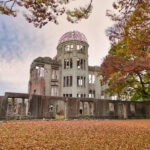
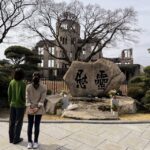
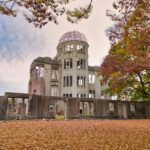
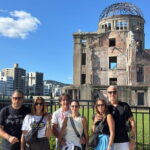
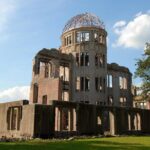
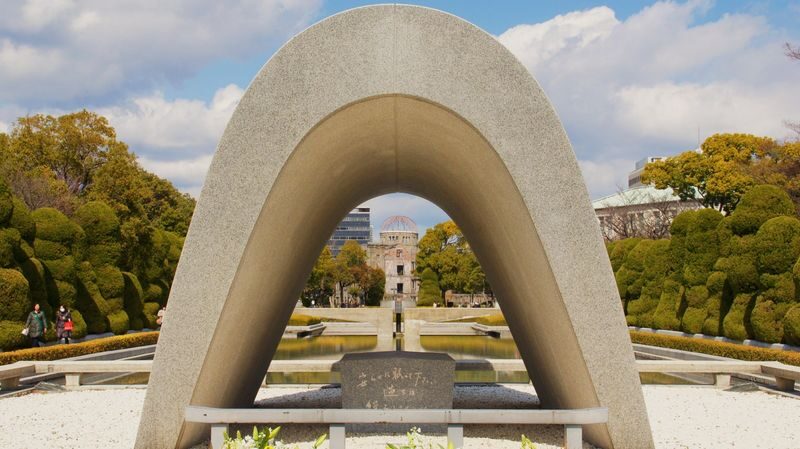
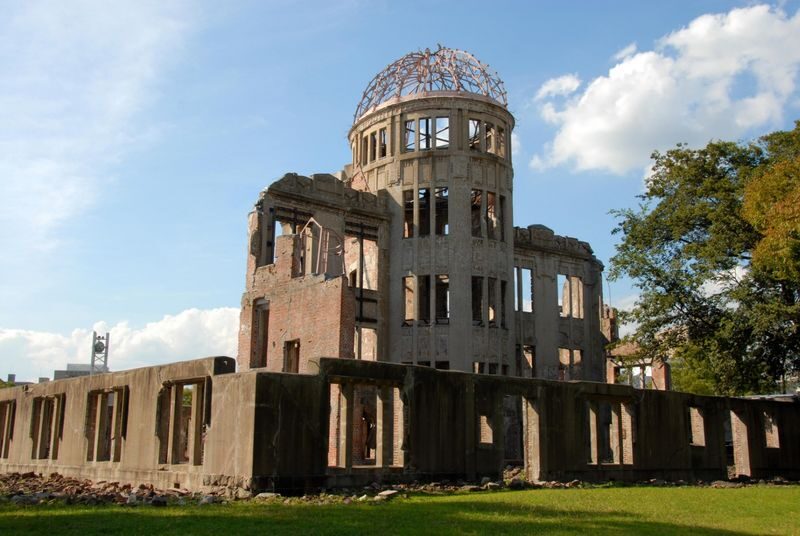
The first stop is the Atomic Bomb Dome. Built in 1915 as a production hall by Czech architect Jan Letzel, the building’s frame survived the atomic bombing. Today, it is kept as a stark reminder of the destruction. Your guide explains its background, giving you more than a photo stop before the group continues to the park.
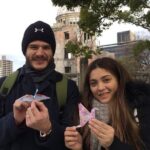
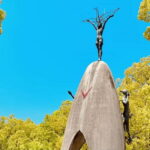
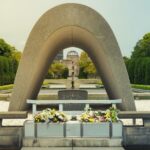
In Hiroshima Peace Memorial Park, you’ll walk among more than 50 peace statues, including those your guide points out along the route. You’ll also see paper cranes, a familiar sign of remembrance in the park. The guided walk helps orient you, though the schedule may not leave time to stop at every memorial or explore the grounds at your own pace.
The Peace Memorial Museum brings the history into close focus through artifacts related to World War II and the bombing, as well as video accounts recorded by victims. This is the most demanding part of the day for many people. Give yourself permission to take it slowly where time allows; the subject is not something to rush through lightly.
The tour includes museum admission and a guided visit. That structure is useful if you want context and help making sense of what you see, but you should expect a group visit rather than an unrestricted museum day. If the museum cannot admit the group, the tour may visit an alternative site. From February 16 to 21, 2026, the museum is scheduled to close for exhibit replacement, with a visit to the Hiroshima National Peace Memorial Hall for the Atomic Bomb Victims instead. The tour states that this change does not qualify for a refund.
Guides are a major part of what makes the historical stops work. Rino, Marin, Tomo, and Den are among the guides named by people who have taken the tour. They are repeatedly described as clear in English, friendly, organized, and attentive to the group. One particularly useful detail: guides have been praised for keeping track of people and making sure no one is left behind, including an older family member. The guide can help make a serious subject easier to follow, though the museum’s emotional impact is personal and cannot be softened by a schedule.
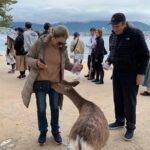
After the Hiroshima stops, the group travels to Miyajima by JR ferry. The ferry ride is included, as is transport for the day. It saves you from having to piece together the transfers yourself and makes the shift from city memorials to island sights straightforward. Wild deer may be seen along the way to Itsukushima Shrine, though animal sightings are never guaranteed.
Lunch is included in the package with lunch: Hiroshima-style okonomiyaki, a savory Japanese pancake. A vegetarian option is available if you request it when booking. Food is one of the day’s practical details worth checking in advance, especially if you have dietary needs. The tour also has a version without lunch, so compare the package options rather than assuming every price includes a meal.
The included meal is convenient, but lunch preferences vary. If trying a particular local dish is important to you, the meal makes the day easier; if you’d rather choose your own food, consider the no-lunch option and check what time you’ll have for a meal. Some people have found the included okonomiyaki less appealing than other food on the island, while others have enjoyed it. The vegetarian request needs to be made at booking, not left until lunchtime.
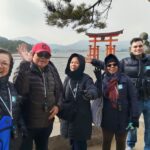
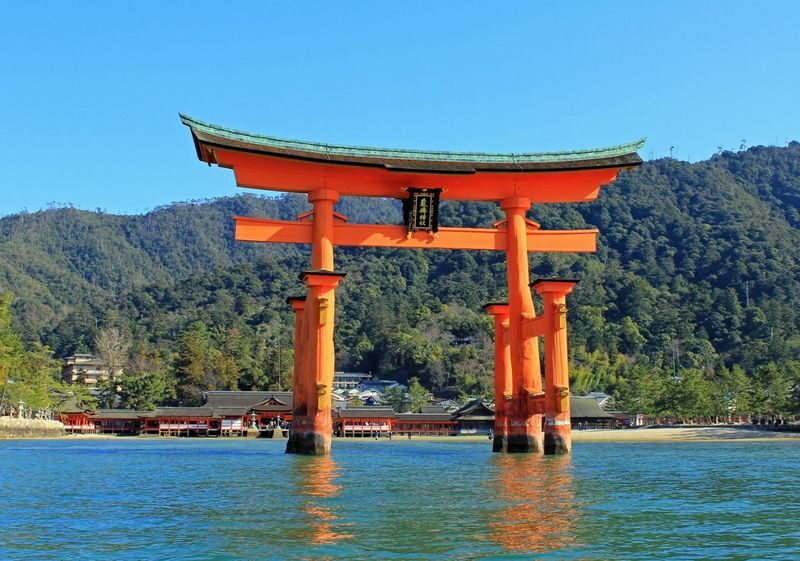
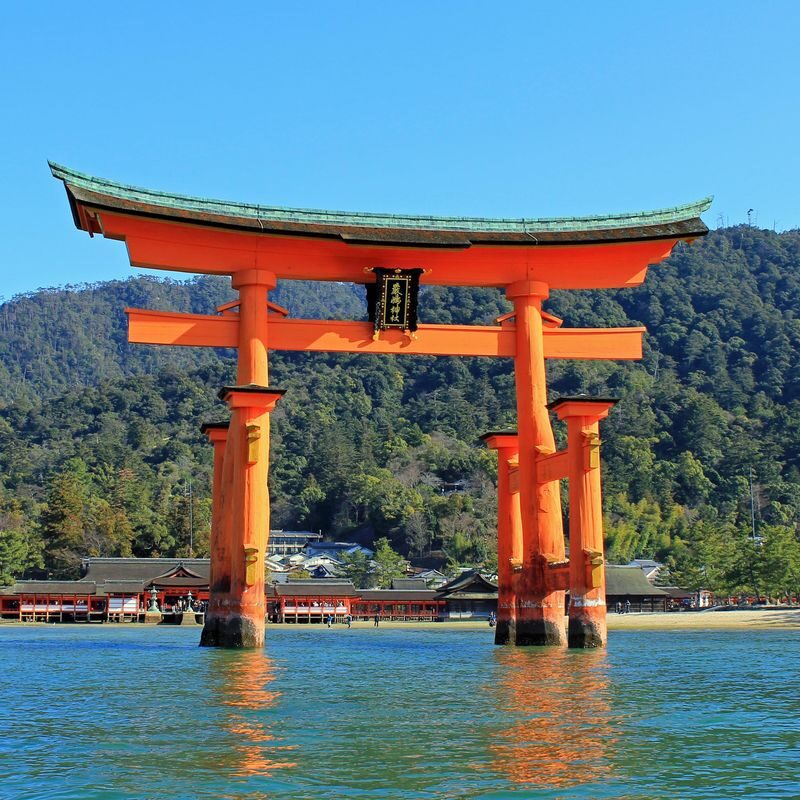
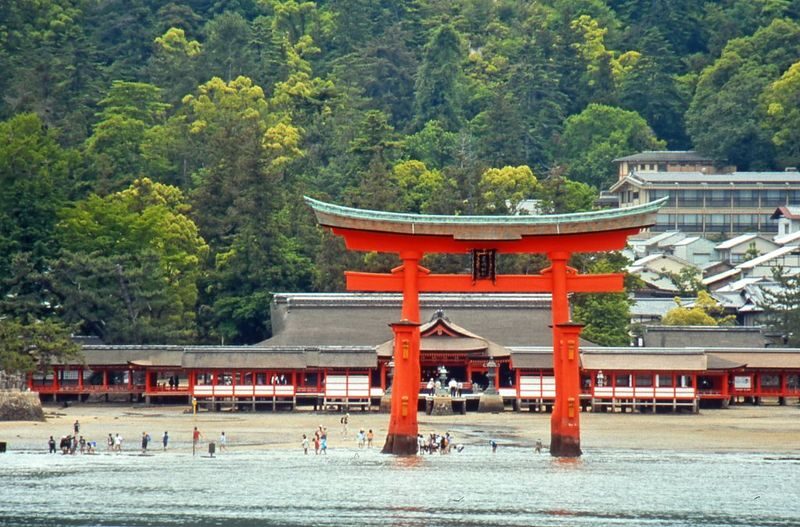
Miyajima’s main landmark is Itsukushima Shrine, built in 593 and largely completed in 1168. The shrine is located on the sea, and the tour includes admission and a guided visit. Its setting gives the buildings and the famous 16-meter Otorii Gate their distinctive relationship with the water.
The torii gate stands in the bay and is one of the day’s most memorable sights. It is worth pausing to take in the view rather than treating it as a quick photo stop. The exact experience can depend on weather and conditions, and the schedule may be adjusted if services are suspended or conditions disrupt the route.
The island visit also includes time at Daishoin, a Buddhist temple, but this part is self-guided. You can explore Miyajima freely rather than following the guide at every moment. That flexibility is welcome after a structured morning, though you’ll need to keep an eye on the meeting time and avoid wandering too far from the group.
The overall balance works well: the morning is guided and explanatory; the afternoon allows some independent exploring. One trade-off is that a full island visit is not possible in a few hours. If you want to linger at Daishoin, browse, eat extra snacks, or see more of Miyajima, you may wish to return another day.
The tour starts at $106.30. For that price, this Hiroshima departure package includes transport, an English-speaking guide, the ferry, admission to the Peace Memorial Museum and Itsukushima Shrine, and lunch. Taken together, those inclusions make the price easier to assess than a bare bus fare: you are paying for the connections between sites and for a guide who provides context along the way.
The main value is convenience. Hiroshima’s memorial sites and Miyajima are both manageable independently, but doing them in one day means coordinating transport, ferry timing, entry, and meals. The tour handles those pieces and lets you focus on the places. If you are comfortable planning transfers and prefer to set your own pace, a self-guided day may offer more freedom. If your time is short, the bundled plan can be worth the cost.
The tour can include between one and 43 participants. That broad range means the group may feel intimate or quite large on a given day. The guides’ reported care with timing and head counts is reassuring, but you should still stay alert for instructions and meeting points, especially on Miyajima.
Wear walking shoes and dress for the day’s weather. You’ll be moving between the park, museum, transport, ferry, shrine, and temple, so comfortable footwear matters more than dressing up. Carry some cash for personal expenses; lunch is covered in this package, but other purchases are not.
Arrive at the second-floor Shinkansen ticket gate area at Hiroshima Station at least 10 to 15 minutes before the 10:00 am departure. Look for the guide with the company logo. The stated return is around 6:00 pm, with arrival sometimes closer to 6:30 pm. If you are connecting to a Shinkansen, choose one departing after 6:30 pm to allow for traffic delays.
Weather, traffic, or service suspensions can affect the route. The operator may substitute a stop or offer a gift depending on the situation, and the tour says refunds are not issued for such changes. Children aged 0 to 3 may join free if they do not need a separate seat. Hotel pickup and drop-off are not included, and there is no extra drop-off service.
This tour suits you if you want to see Hiroshima’s major memorial sites and Miyajima in one day, value an English-speaking guide, and would rather not organize the transport and ferry yourself. It also works well for families and mixed-age groups who appreciate a guide keeping the day organized. The experience is substantial, but the museum visit is serious, so it may not suit a day when you want only light sightseeing.
Skip it if you want long, unstructured hours at the museum or on the island, or if you need a departure from Kyoto or Osaka included. For a first visit with limited time, the combination of guided history, ferry crossing, shrine, and free island time offers a useful overview. Just leave your evening open and treat the morning’s memorial visit with the time and attention it deserves.
“Rino was an excellent guide, explaining everything clearly and even looking for us when we got a bit lost. A really worthwhile experience.”
The listed package departs from Hiroshima Station. Meet in front of the Shinkansen ticket gate on the second floor.
Departure is at 10:00 am. The tour returns to Hiroshima Station around 6:00 to 6:30 pm, depending on conditions.
Lunch is included in the Hiroshima package with lunch. It is okonomiyaki, and a vegetarian option is available if you request it when booking.
The package includes transport, the JR Miyajima ferry, admission to the Peace Memorial Museum and Itsukushima Shrine, an English-speaking guide, and lunch.
From February 16 to 21, 2026, the tour plans to visit the Hiroshima National Peace Memorial Hall for the Atomic Bomb Victims instead. The tour states that no refund is issued for this substitution.
No. Latecomers cannot join the tour partway through, and late arrivals or no-shows are not refundable.