Physical Address
304 North Cardinal St.
Dorchester Center, MA 02124
Physical Address
304 North Cardinal St.
Dorchester Center, MA 02124

Compare Wanaka tandem parachute jump heights, mountain views, costs, weather risks, and practical booking tips before you choose.
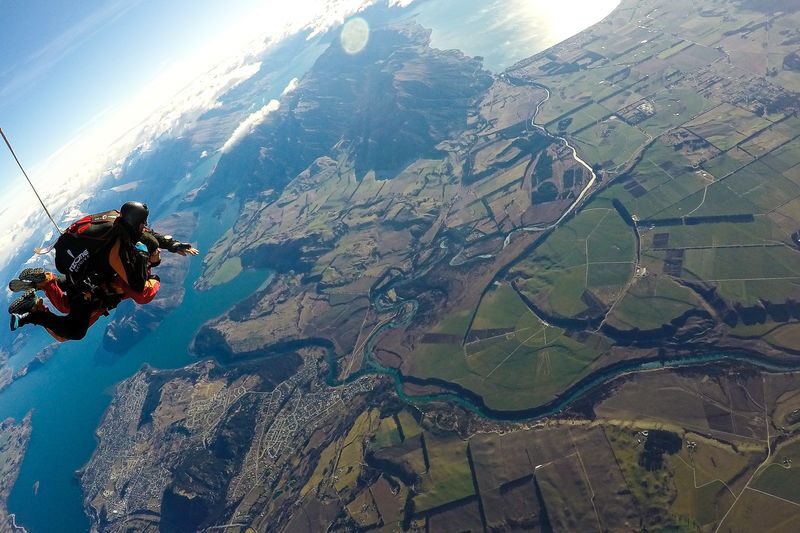
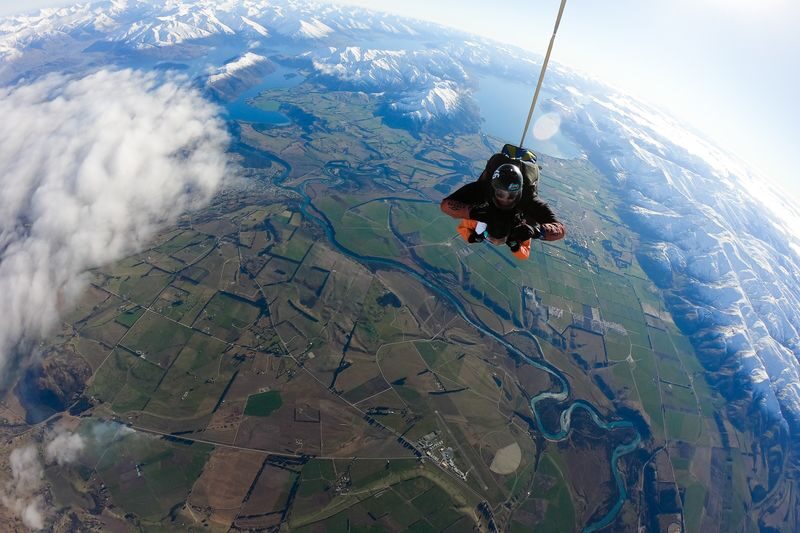
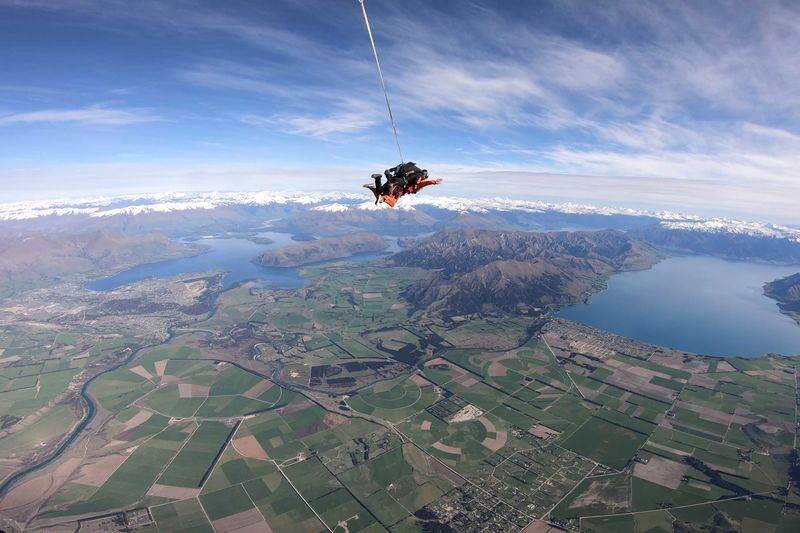
A jump from 15,000 feet gives you up to a minute of freefall above the Southern Alps, with Lake Wanaka, Lake Hawea, Mount Cook, and the Clutha River spread below. I like two things in particular: you can choose from three jump heights, and the mountain-and-lake views give this a stronger sense of place than an adrenaline rush alone.
The catch is the weather, which can delay or cancel flights, sometimes after a long wait. I also like that a professional instructor handles the tandem jump and safety checks, but you should plan a flexible day rather than squeeze this between fixed appointments.
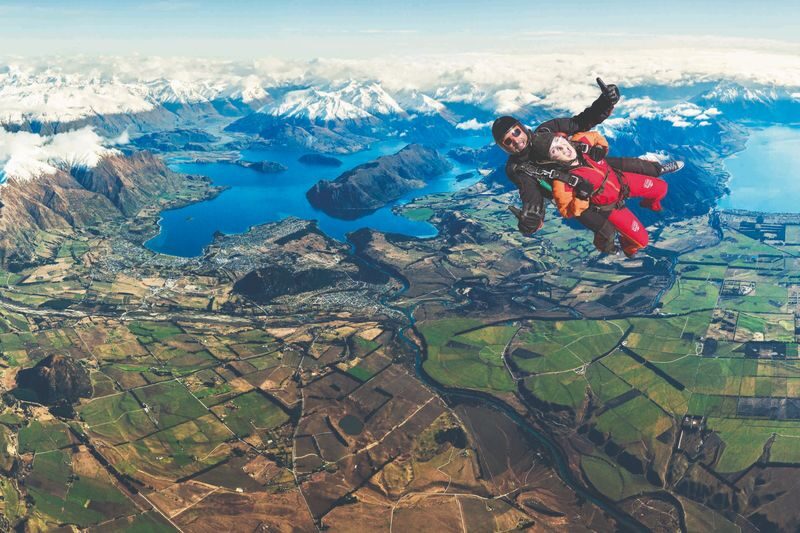
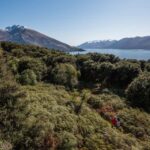
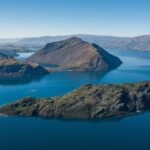
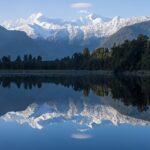
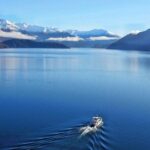
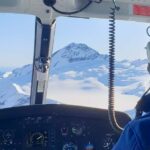
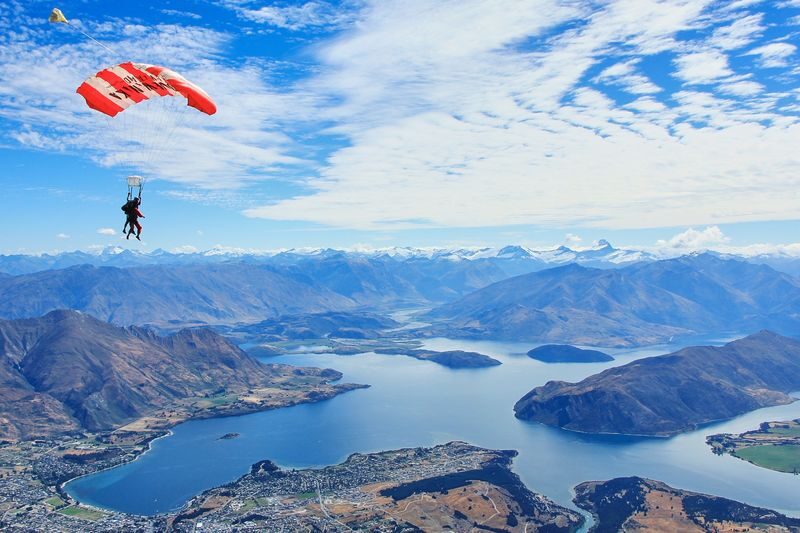
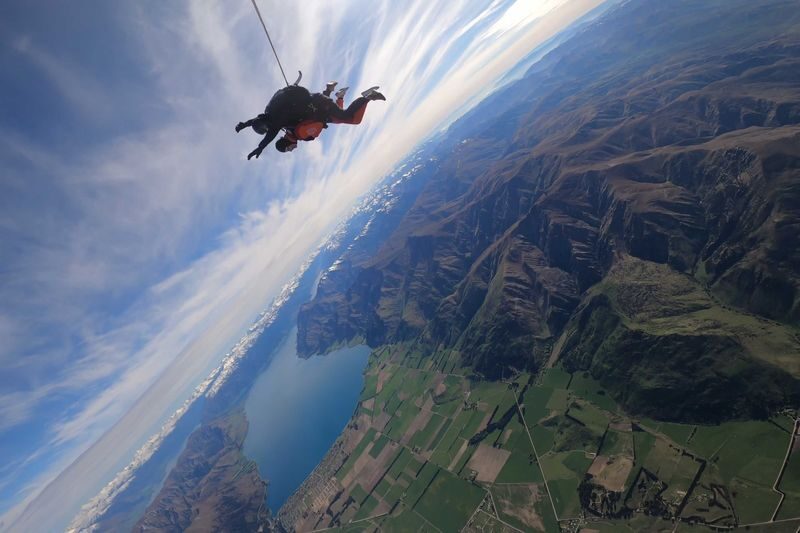
This is not just a quick leap from an aircraft. The views begin on the ride up, when Wanaka and its surrounding water and peaks start to appear as a broad map beneath you. The advertised outlook includes up to six lakes, Mount Cook, Mount Aspiring, the Southern Alps, and the Clutha River, the South Island’s longest river.
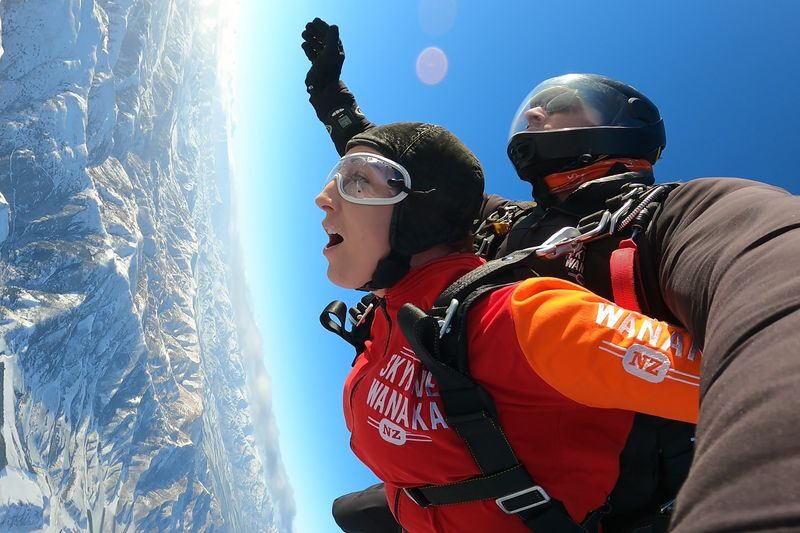
That setting matters. A jump is over quickly, so the views make the minutes before and after freefall count. On a clear day, one participant described seeing Lake Wanaka, Lake Hawea, the township, and Mount Cook from 15,000 feet. Clear weather is never guaranteed, though, and cloud or other conditions can change the plan.
The activity takes place from Wanaka Airport, with transport to the drop area by aircraft. You meet your tandem instructor, receive a safety briefing, and get fitted with the required equipment. Once strapped together, you board the plane and climb to your selected altitude.
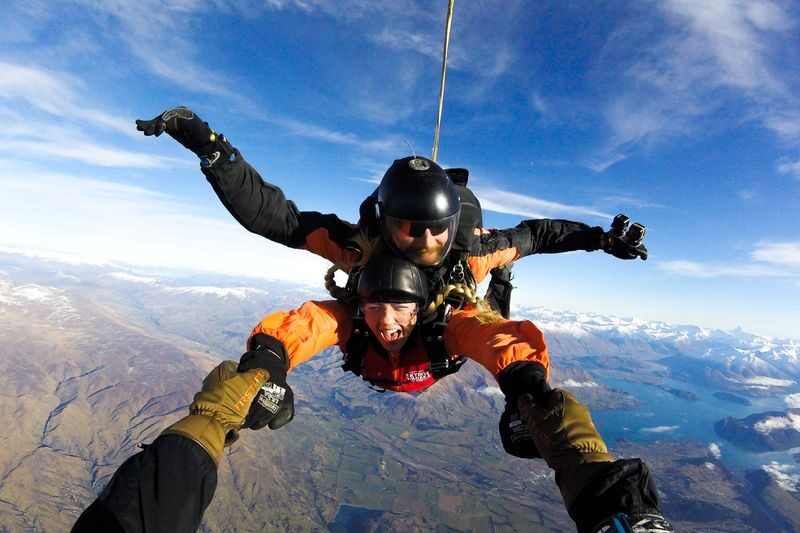
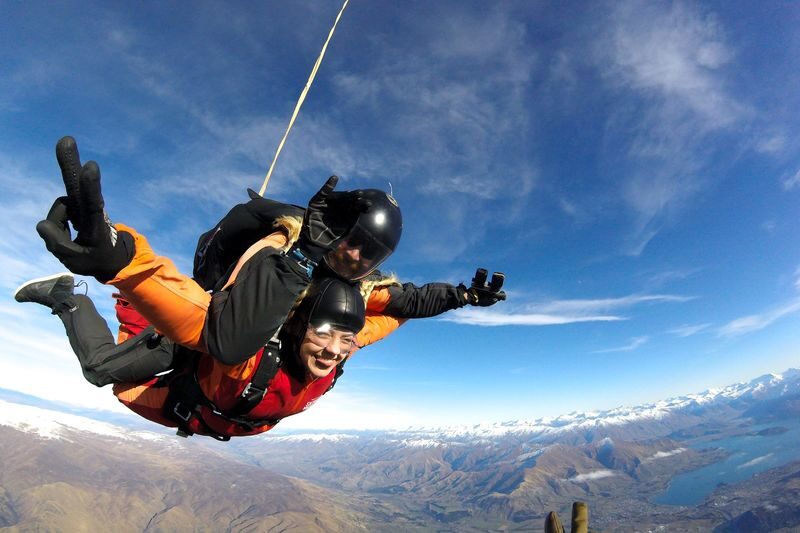
The 9,000-foot jump is the shortest option. At 12,000 feet, you get more time in freefall. The 15,000-foot option is the top choice if you want the longest fall and the full altitude experience. The stated maximum speed is up to 200 kilometers per hour. After about a minute of freefall, the parachute opens, followed by a slower descent that lets you take in the view.
The plane ride, jump, and descent are only part of your visit. A participant account puts the full process at about an hour when things run smoothly, while others describe waits of 90 minutes or several hours. Treat those as possible outcomes, not a schedule you can count on.
Looking for more options in Wanaka? Here are some other experiences worth considering.
The 9,000-foot option makes sense if price is your main concern, or if you want the experience without paying for the longest freefall. Children aged 6 to 12 are limited to this height. It is still a proper tandem parachute jump, but the freefall period is shorter than at the higher altitudes.
At 12,000 feet, you get a middle-ground choice. It costs more than the 9,000-foot package and less than 15,000 feet, while giving you a longer fall. This can suit you if you want more time in the air but are weighing the extra cost of the highest option.
Choose 15,000 feet if maximizing freefall matters to you and the higher price fits your budget. It is the most popular package in the participant accounts provided, and several people describe it as less frightening once the jump is underway than they had expected. That reaction is personal, of course. The aircraft climb and the wait before boarding may be the hardest part for you.
One useful distinction: the view does not depend on choosing the highest package alone. Weather and visibility matter greatly, and the parachute descent is the calmer part of the flight, when you can look around more easily. If your priority is scenery rather than extra freefall time, ask the operator what conditions are expected and choose your altitude based on your budget and comfort.
The instructor gives you a safety briefing and helps fit your harness before you board. You are attached to a professional tandem instructor, who guides you through the jump and descent. The operator provides the required safety equipment and an English-speaking guide.
Accounts of the process repeatedly describe clear instructions, reassuring staff, and multiple equipment checks. That matters if this is your first jump: you do not need to manage the technical steps yourself, but you do need to listen, follow the briefing, and understand that parachuting carries real risks. The activity information warns that conditions, health issues, aircraft incidents, equipment problems, and landing can all involve hazards. Participation is at your own risk.
Some people find the freefall less like the weightless sensation they imagined. Others mention that breathing can feel difficult at first or that rapid changes in air pressure can bother their ears. These are individual experiences, not promises about how it will feel for you. If you have health concerns, consider them carefully before booking.
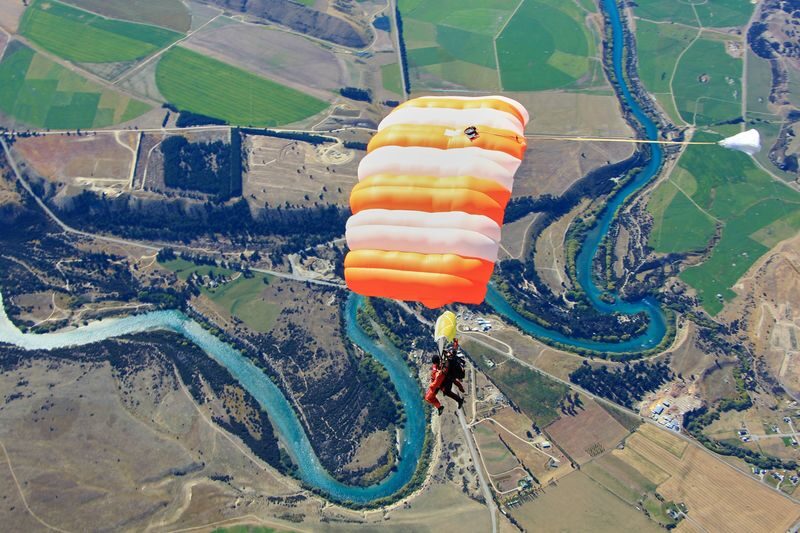
The parachute opening marks a change in pace. The freefall is fast and short; the descent gives you more time to see the landscape below. A participant who had expected the whole jump to feel intense said the open-parachute portion was when the scenery became easier to enjoy. Keep your eyes open if you can. That sounds obvious, but the plane door is a compelling place to reconsider your life choices.
Weather is the biggest uncertainty. The operator monitors conditions and may delay or cancel a flight if it is not suitable. Some participants were rescheduled more than once; others had a jump canceled on the day. In one account, a group waited for hours before conditions forced a cancellation. It is frustrating, but postponing is preferable to flying in unsafe conditions.
The schedule can also move even when the weather is workable. One participant booked a 10:30 time and did not jump until early afternoon. Others report waits of about an hour and a half. Peak season, from October through May, has limited slots, and the provider recommends booking one reservation for your whole party if you want to go together.
Build slack into your itinerary. Do not schedule a long drive, a flight, or a time-sensitive tour right after your jump. If you have several days in Wanaka, keeping a spare day gives you a better chance of finding another weather window. Check messages and contact the operator about updates; one participant said the company called when conditions looked poor.
The experience may take about an hour when operations are moving smoothly, but that is not a safe assumption for planning. A more cautious plan is to leave the better part of a day open. If you are visiting from Queenstown, package options include transfers from there, but confirm the specific transfer details and timing before booking.
The advertised starting price is $236.95, while the package menu lists prices from US$215.40 for 9,000 feet, US$266.55 for 12,000 feet, and US$326.79 for 15,000 feet. These prices are presented in different currencies, so check the final checkout total and currency before you pay. Options with a Queenstown transfer are also listed, from US$226.89 for 9,000 feet, US$278.09 for 12,000 feet, and US$338.35 for 15,000 feet.
The base package includes an English-speaking guide and necessary safety equipment. Photos and video are not included. You can ask about those packages at check-in, and the Ultimate Combo is subject to availability. Some participants were pleased with their images and video, while others found the footage uneven or felt it was not worth the extra cost.
I would ask what the photo or video package includes before purchasing: whether it includes photos, a video, or both; who is filming; and what you will receive afterward. If having a record of the jump matters to you, an add-on may be worth considering, but do not assume every package provides the same coverage or result.
There are also weight surcharges. Participants weighing 95 to 104.9 kilograms pay NZD50 onsite; those weighing 105 to 115 kilograms pay NZD75. The stated participant weight range is 30 to 115 kilograms, and the minimum height is 120 centimeters. Children aged 6 to 17 need written consent from a parent or guardian. Children aged 6 to 12 can jump only from 9,000 feet, and participants aged 16 or older pay the adult rate.
The meeting point is Skydive Wanaka at Wanaka Airport, Mustang Lane. The listed directions say it is a five-minute walk from Wanaka Airport. Arrive 20 minutes before your scheduled time, bring your mobile voucher, and reconfirm with the operator 48 hours before the activity. Late arrivals and no-shows are not refundable.
If you need to cancel, the stated policy offers a full refund when you cancel at least 24 hours before the activity date, based on local time. If extreme weather or another unforeseen event leads the operator to cancel, you can request a full refund. Since weather can also prompt rescheduling, avoid putting this jump on the final free morning of a tightly timed trip if you have another choice.
This is a strong fit if you want a major adrenaline activity with a memorable South Island view, and you can spare time for weather changes. It also suits you if you are curious about tandem jumping but want a professional instructor to guide the technical steps. The different altitudes make it easier to match the cost and freefall time to your comfort level.
It is a weaker fit if you have a packed schedule, are uncomfortable with the risks, or would be upset by paying extra for photos that may not meet your expectations. A jump is also not a quiet sightseeing flight: the freefall is intense, and the aircraft and parachute stages come with real safety considerations.
Book if a tandem jump is on your list and you can keep your schedule open. The 15,000-foot package offers the longest freefall; the 9,000-foot choice costs less and is the required height for children aged 6 to 12. Give yourself a weather backup, confirm photo package details before paying, and treat the jump as a half-day possibility even if the actual flight runs much faster.
“I had a reservation for the 10:30 slot and arrived at the front desk at 10:10. Because all slots were fully booked that day, the staff did not arra…”
You can choose 9,000 feet, 12,000 feet, or 15,000 feet. Children aged 6 to 12 are limited to 9,000 feet.
The activity information says freefall lasts about a minute before the parachute opens.
The listed views include up to six lakes, the Southern Alps, Mount Cook, Mount Aspiring, and the Clutha River.
No. Photo and video packages cost extra and can be booked at check-in. The Ultimate Combo package is subject to availability.
The package includes an English-speaking guide and the necessary safety equipment.
Participants must weigh between 30 and 115 kilograms and be at least 120 centimeters tall. Onsite surcharges apply to participants weighing 95 kilograms or more.
Children aged 6 to 12 may jump from a maximum of 9,000 feet. Participants aged 6 to 17 need written parental or guardian consent. Those aged 16 or older pay the adult rate.
Meet at Skydive Wanaka, Wanaka Airport, Mustang Lane, New Zealand. The listed directions say it is a five-minute walk from Wanaka Airport.
Arrive 20 minutes before your scheduled activity time. You should also reconfirm your booking with the operator 48 hours beforehand.
The operator may cancel for extreme weather or other unforeseen events. In that case, you can request a full refund.