Physical Address
304 North Cardinal St.
Dorchester Center, MA 02124
Physical Address
304 North Cardinal St.
Dorchester Center, MA 02124

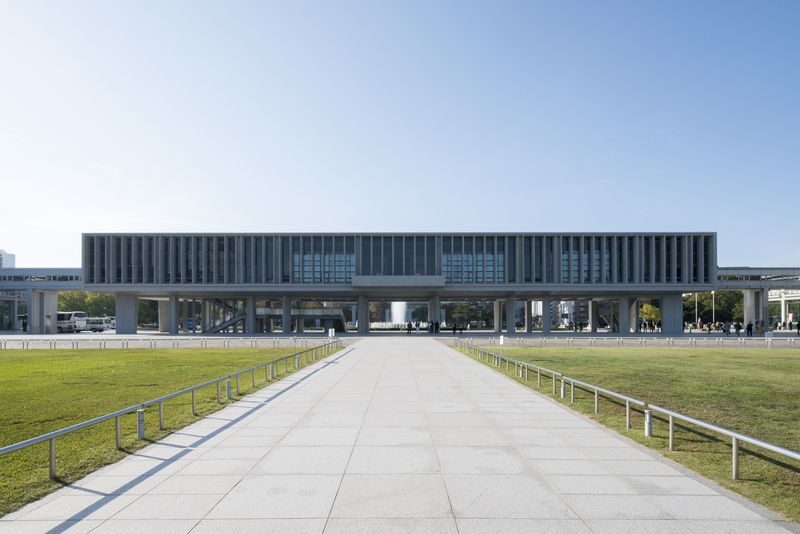
Plan a thoughtful visit to Hiroshima Peace Memorial Museum, with ticket timing, crowd advice, park highlights, and practical tips for your day.
Hiroshima’s Peace Memorial Museum puts the human cost of the atomic bombing in front of you through personal accounts and objects left damaged by the blast. It is a sobering visit, not a light stop between meals, and the exhibits can include graphic images.
I like two things about this ticket: the low starting price makes the museum accessible, and the personal stories and artifacts give the history a human scale. I also value the chance to explore the nearby park at your own pace, from the Atomic Bomb Dome to the Children’s Peace Monument.
The main drawback is crowding. An advance ticket can help you avoid the ticket counter line at eligible times, but it does not guarantee a quiet visit or an easy flow through the exhibition rooms.
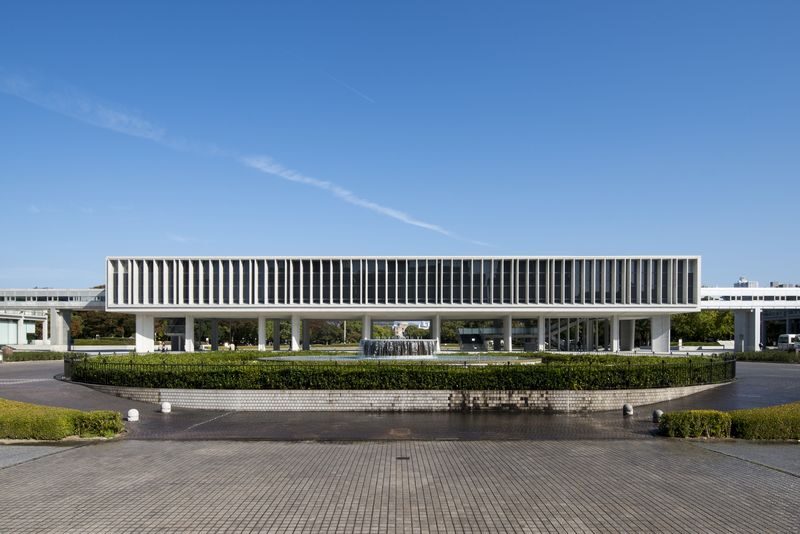
The museum explains the events surrounding August 6, 1945, and the effects of the atomic bomb on Hiroshima and its people. It also covers factors leading up to the war and Hiroshima’s role during wartime. That context matters: the exhibition is not simply a display of objects, but an account of what happened to a city and its residents.
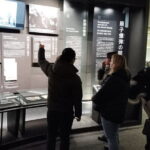
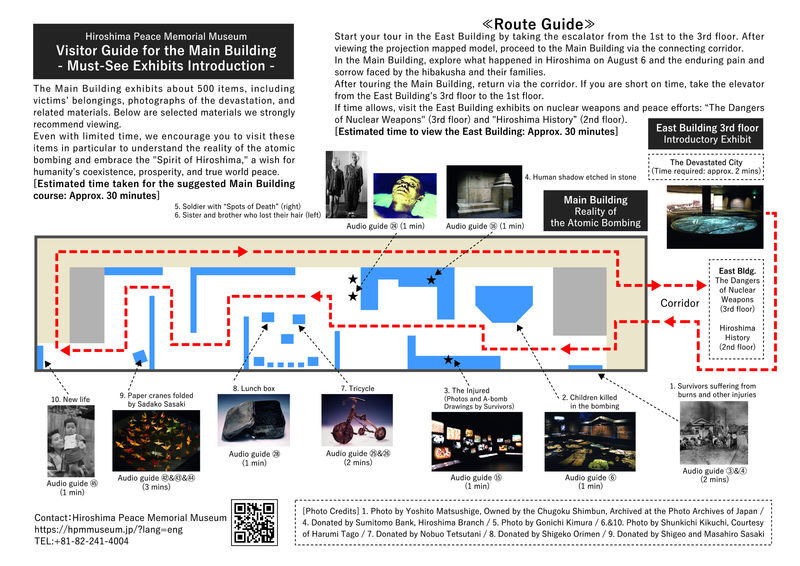
The personal details are what give the visit its force. Instead of leaving the subject at the level of dates and military decisions, the museum uses individual stories and belongings to show the damage in human terms. Visitors describe seeing survivor paintings, paper cranes, and objects such as metal girders and glass altered by the blast. These details can be hard to look at, but they help explain why the museum’s message centers on peace and the consequences of nuclear weapons.
This is not a place to hurry through just to tick off an attraction. Many display texts invite you to stop and read, and the pace can slow further when the rooms are full. Allow time to take breaks and to step away from an exhibit if it becomes too much. You are free to move through at your own pace, but a crowded room can limit how easily you do that.
You might also be interested in these Hiroshima experiences
The ticket option described here covers admission to the permanent exhibitions. It does not include personal expenses, and the audio guide is a separate product that does not include admission. Check which option you are buying before you pay, especially if you want both the museum entry and the guide.
The exhibition is arranged to explain the city before, during, and after the bombing, as well as its human impact. Personal testimony and artifacts can make the destruction more immediate than a written account alone. The museum’s purpose is not only to document the past, but to encourage reflection on peace and the use of nuclear weapons.
English and Japanese exhibit text is available. The audio guide can add more detail and anecdotes, which may be useful if you want context beyond the display labels or prefer listening as you go. Its booking times vary by season, so check the listed schedule if you plan to rent one.
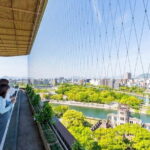
One visitor described a hallway with a view toward the Cenotaph, Dome, and Flame of Peace. It offers a different kind of pause from the close-up exhibits, and a chance to connect the museum’s story to the memorial park outside.
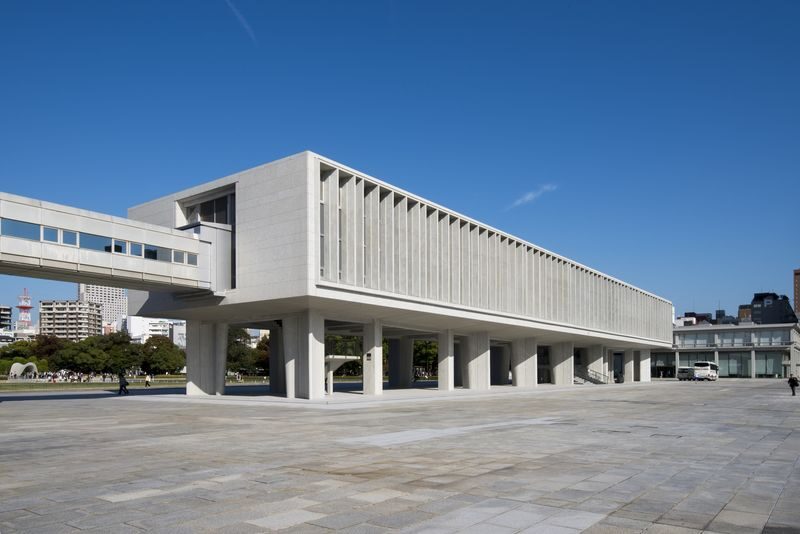
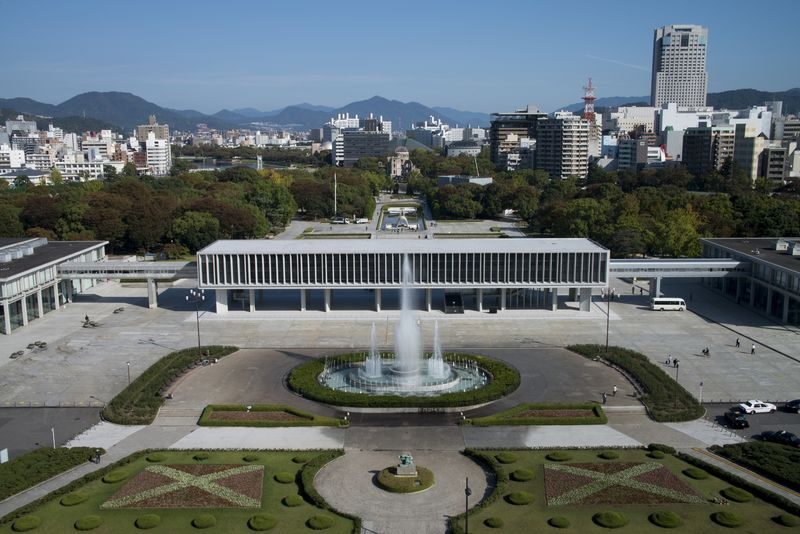
The museum sits within Hiroshima Peace Memorial Park, a large public space of more than 120,000 square meters. Its open lawns and paths create a marked contrast with the dense, sometimes crowded exhibition rooms. I recommend leaving time to walk outside rather than treating the museum as a quick indoor stop.
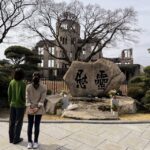
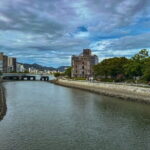
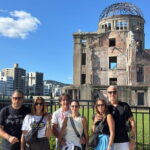
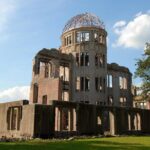
The Atomic Bomb Dome, also known as the Genbaku Dome, is one of the park’s most recognizable landmarks. It survived the bombing and is now a UNESCO World Heritage Site. Its damaged structure is a stark reminder of the city’s history, and seeing it in person helps place the museum’s exhibits in their real setting.
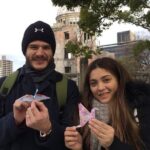
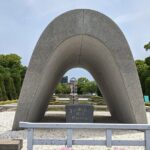
The Children’s Peace Monument honors Sadako Sasaki, a young victim of the bombing, and the children affected by the tragedy. It is a place for quiet thought, and it gives the larger story a specific human focus. The paper cranes associated with the monument are especially moving for many visitors.
The park is not a guided tour, and this ticket does not provide a guide. You can visit the museum and then explore the surrounding memorials on your own. If you want more historical context while walking between sites, a separate guided tour may suit you better.
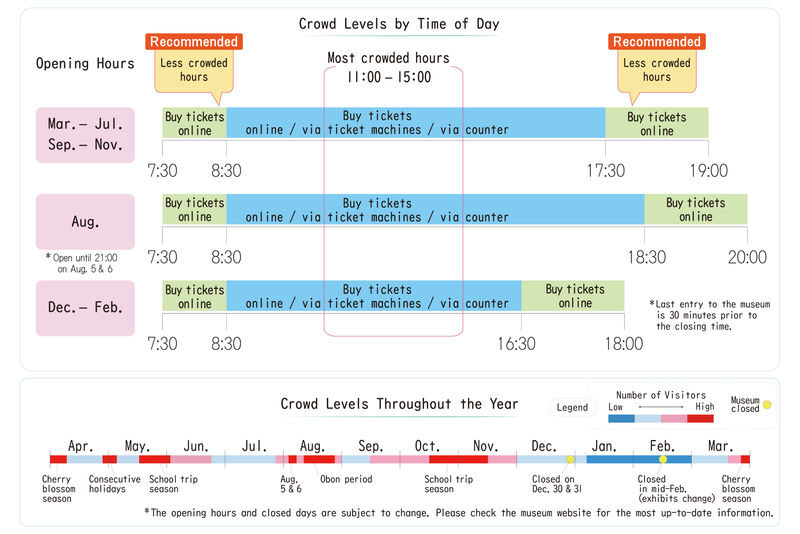
The museum opens at 7:30 a.m. every day. From March through July and September through November, it closes at 7 p.m. In August, it closes at 8 p.m., and from December through February, it closes at 6 p.m. Last admission is 30 minutes before closing. On August 5 and 6, the museum is open until 8 p.m.
The online ticket’s skip-the-line benefit is limited to certain time periods. From March through July and September through November, those periods are 7:30 to 8:30 a.m. and 5:30 to 6:30 p.m. In August, the late period is 6:30 to 7:30 p.m.; from December through February, it is 4:30 to 5:30 p.m. The early period remains 7:30 to 8:30 a.m.
During regular hours, you can enter within the applicable window regardless of the time selected when booking. That means 8:30 a.m. to 5:30 p.m. for March through July and September through November, 8:30 a.m. to 6:30 p.m. in August, and 8:30 a.m. to 4:30 p.m. from December through February. For the extended-hour ticket periods, arrive at the time you booked.
An early visit is a practical choice if you want more space to read. The museum can become crowded, and the exhibition rooms may feel slow-moving when many people stop at the same displays. Advance admission may save time at the ticket counter, but it does not control the number of people inside. If you find the rooms packed, allow extra time and be patient.
Admission starts at $1.29, making this a low-cost way to visit one of Hiroshima’s most important museums. The ticket is good value if you want to see the permanent exhibition and the memorial park without booking a guide. The main cost to your day may be time and emotional energy rather than the entry fee.
Holders of the Hiroshima Omotenashi Pass or Visit Hiroshima Tourist Pass can buy a discounted ticket. Choose the pass-holder option if you have an eligible pass. The senior ticket requires proof that you are 65 or older.
High school students have free admission on certain dates: Saturdays except national holidays and school holidays, Sundays during Science and Technology Week in April, Children’s Day, and August 6 through 9. Check the conditions before buying a ticket for an eligible student.
Culture seekers can explore more Hiroshima museums and galleries
The museum is at 1-2 Nakajimacho, Naka Ward, Hiroshima. From the south exit of JR Hiroshima Station, take Hiroshima Bus No. 24 toward Yoshijima and get off at Heiwa kinen koen. The Hiroshima Meipuru-pu sightseeing bus also stops at the park; both the orange and green lines serve that stop.
From Hiroshima Airport, take the limousine bus to Hiroshima Bus Center, then continue toward the park. If you are coming from Hiroshima Port, take Hiroshima Bus No. 21 and get off at Chuden-Mae, then walk about 10 minutes. There is no public parking at the museum, park, or Hiroshima National Peace Memorial Hall for the Atomic Bomb Victims, except for visitors with disabilities. Drivers need to use a nearby paid lot.
Large bags are not allowed inside. Coin lockers are on the first floor of the East Building and require a 100-yen coin, which is returned when you retrieve your belongings. Strollers and wheelchairs are allowed, though narrow, crowded exhibition spaces can make moving around harder.
Photography without flash is allowed for personal use, but tripods and selfie sticks are not permitted. Keep camera and phone sounds down, and do not talk on your phone in the exhibition rooms. Eating and drinking are allowed only in designated areas, including the Visitor’s Lounge on the East Building’s first floor. Re-entry is not allowed after you leave.
The museum can be distressing, particularly for children. The exhibits include graphic images and personal accounts of children who were victims of the bombing. There is no need to force yourself or a child to see every display. You can move on, pause, or leave the exhibition if the material feels overwhelming.
This is also a place where quiet matters. Avoid touching displays, keep your voice low, and follow staff instructions. A respectful visit helps preserve the atmosphere for everyone who has come to reflect.
Plan for at least a couple of hours if you want to read the exhibits and walk through the park, though the right amount of time depends on your pace. The subject is heavy, and many people need time afterward to sit, walk, or simply take in the memorial setting. Hiroshima is more than this one site, so leave room in your day rather than scheduling the museum between tight appointments.
Book it if you want to understand Hiroshima through the experiences of the people who lived through the bombing. The admission price is low, the permanent exhibition is central to any serious visit to the city, and the park’s memorials add important context. Choose an early time if possible, and treat the skip-the-line benefit as help with entry, not a promise of an uncrowded visit.
If you are sensitive to graphic material, traveling with young children, or uncomfortable in crowded indoor spaces, consider how much of the museum you want to see before you go. You can still visit the park and memorials at your own pace. For the fullest context, pair the museum with time at the Dome and Children’s Peace Monument, and consider a separate guide if you want someone to explain the sites as you walk.
“Smooth process and checkin”
The permanent exhibition admission ticket includes entry to the museum. Personal expenses are not included, and the rental audio guide is a separate option that does not include admission.
Skip-the-line admission is available only during listed early and late periods, which vary by season. During regular opening hours, you may still need to wait, and an advance ticket does not prevent crowding inside the museum.
From March through July and September through November, the museum is open 7:30 a.m. to 7 p.m. In August, it is open 7:30 a.m. to 8 p.m. From December through February, it is open 7:30 a.m. to 6 p.m. Last admission is 30 minutes before closing. It stays open until 8 p.m. on August 5 and 6.
No. The rental audio guide is a separate option, and buying it does not include a museum admission ticket. Its available hours vary by season.
The exhibits can include graphic imagery and information about children affected by the bombing. Consider your child’s age and comfort with difficult subjects, and remember that you can move through the museum at your own pace.
No. Re-entry is not allowed after you leave the venue.
From the south exit of JR Hiroshima Station, take Hiroshima Bus No. 24 toward Yoshijima and get off at Heiwa kinen koen. The Hiroshima Meipuru-pu sightseeing bus also stops at the park on both its orange and green lines.