Physical Address
304 North Cardinal St.
Dorchester Center, MA 02124
Physical Address
304 North Cardinal St.
Dorchester Center, MA 02124

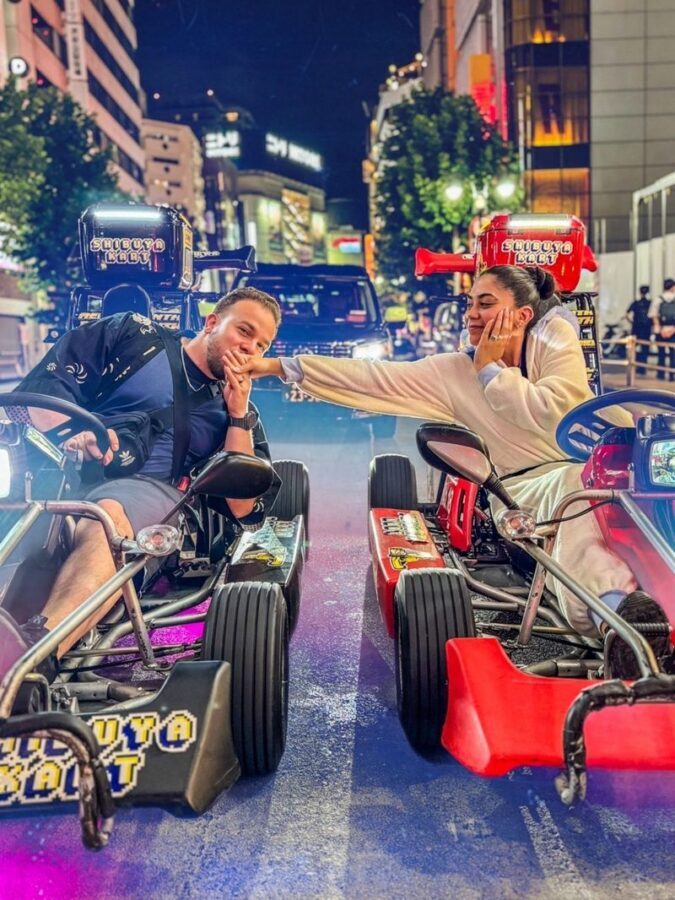
Drive a guided go-kart route through Shibuya, Harajuku and Omotesando. Check the strict Japanese license rules before you book.
A go-kart ride through Tokyo puts you close to the city’s traffic, lights and famous crossings in a way a bus tour cannot. I like the guided route through Shibuya, Harajuku and Omotesando, and the guide’s help with hand signals and photos lets you focus on driving rather than finding your way.
I also like that you can choose a 45-, 60- or 90-minute course, so you can fit the ride to your schedule. The main catch is a serious one: Japan’s driving-document rules are strict, and an invalid or missing permit can mean you lose your booking fee.
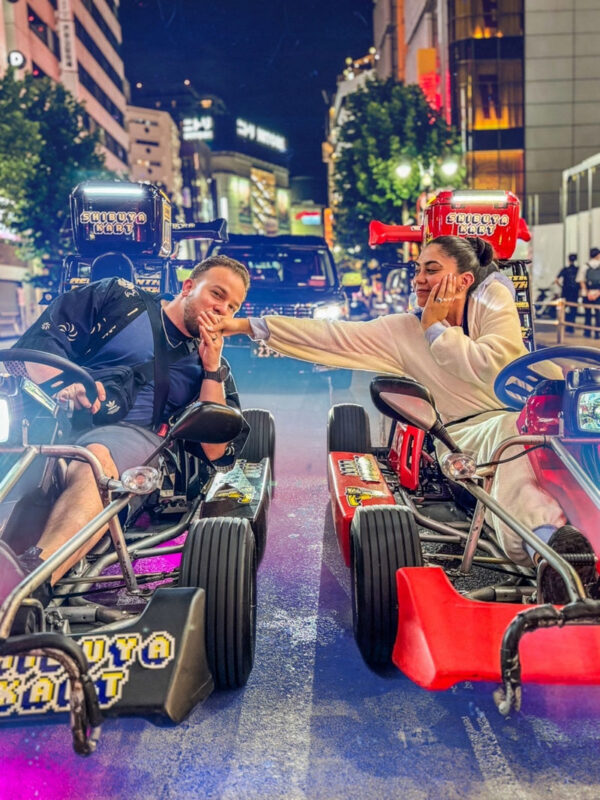
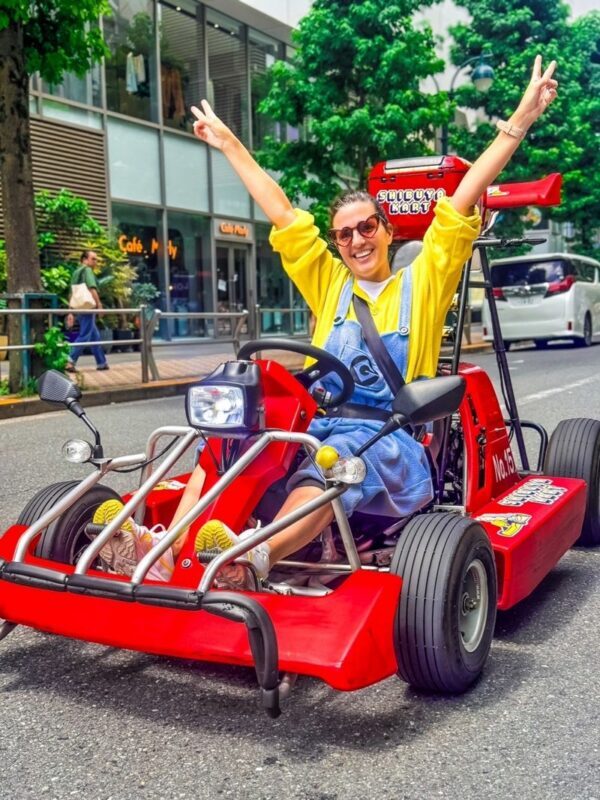
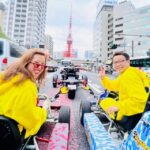
This is not a track session. You drive a small kart on public roads, following a guide through Tokyo streets. That changes the thrill: you are not just steering around bends, you are moving with city traffic and seeing familiar sights from a low seat close to the road.
For some drivers, that is the whole appeal. You will feel the city’s pace directly, and people on the pavement may notice the karts, particularly if you wear one of the available costumes. The guides set the pace and give instructions, so you are not expected to navigate the route on your own.
It is still real road driving, not a video game. You need to be comfortable operating a vehicle, watching traffic and following instructions. If the thought of driving in an unfamiliar city makes you tense, it may be less fun than the photos make it look.
Looking for more options in Tokyo? Here are some other experiences worth considering.
The name can mislead you about where to go. Shibuya Kart’s meeting point is at 1-chome-21-8 Hiratsuka in Shinagawa City, in the Shōei Togoshi Mansion building. Check the map and address carefully, and allow time to reach the shop before your selected start.
Listed departure times are 10:00, 11:30, 13:00 and 14:30, though your available choices depend on the package and booking date. The operator checks driving documents before you set off, so do not treat arrival as a last-minute formality. The instructions give both a five-minute and a 15-minute arrival time in different places. I would plan for 15 minutes early to leave room for the document check and briefing.
At the shop, you can choose from costumes and receive a safety briefing. Costumes and jackets or pants are included, though one participant who arrived late found there was no time to put one on. Bring your own camera only if you can secure it safely. Action camera rental is not included, and one poor equipment experience involved a rented camera stand, so think twice before relying on optional gear.
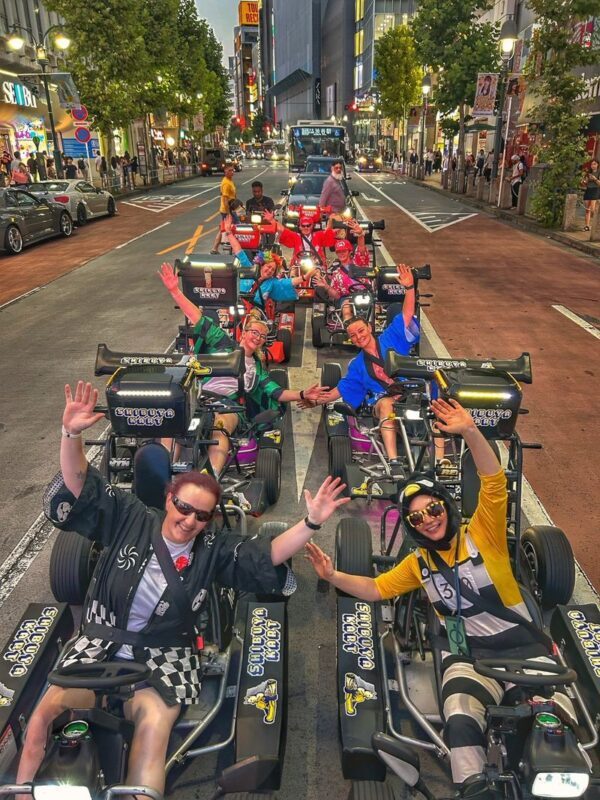
The advertised areas include Omotesando, Harajuku and Shibuya Scramble Crossing. These are not three guaranteed, timed stops. Think of them as parts of a guided route through central Tokyo, with the actual ride shaped by traffic, weather and the group’s conditions.
Shibuya Scramble is the headline sight. From a kart, you experience the crossing and its surrounding streets from road level, rather than looking down from a building or watching from the pavement. The exact route and whether you get a chance to pause or take photos at a particular point are not assured, so keep your camera ready when the guide signals that a notable spot is coming up.
Harajuku and Omotesando offer a different feel from the crossing’s big-city rush. The route takes you through well-known shopping and cultural districts, but this is a moving tour, not a walking visit. You will get a brief street-level impression, not time to browse shops or explore side streets.
Traffic has a large say in the day. The schedule can change, and some attractions may be skipped because of weather or capacity. A 90-minute booking should give you more time on the road than the shorter packages, but it does not guarantee a particular landmark or a fixed route. One rider described paying for 90 minutes but receiving only 60 after a communication mix-up. Confirm your chosen duration with staff before departure, especially if seeing a specific sight matters to you.
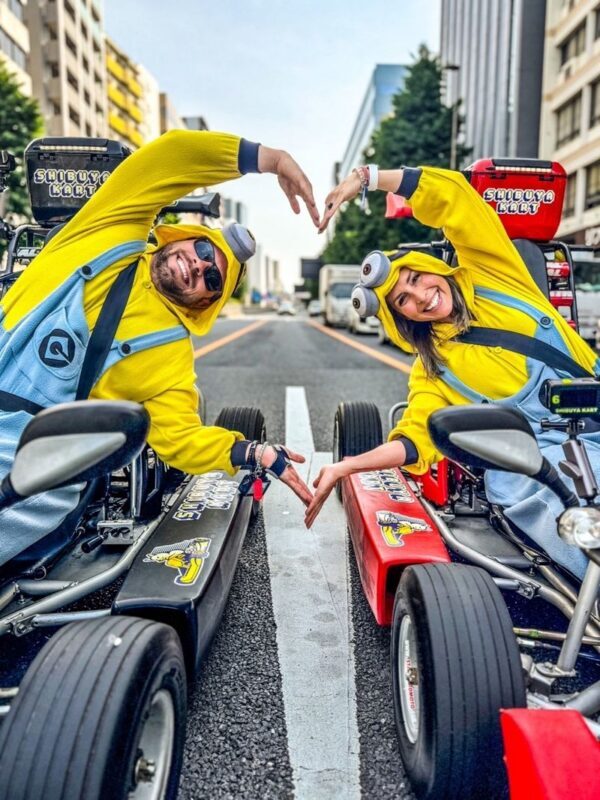
The guide leads the group and gives safety instructions before the karts head out. Hand signals help you understand what to do while riding, and the guide’s job is to keep the group together as road conditions change. You may be nervous at first, especially if you have never driven in Japan. One driver said they got comfortable after starting cautiously and following the guide’s directions.
The staff have been praised for being helpful and patient. Guides named by people who took the ride include Luis, Omer, Danny and Ren. Names and staff can change, of course, but the important point is that the guide is part of the experience, not just a route leader. Guides have also taken photos at lights or well-known spots and shared digital memories afterward.
That photo help is useful because taking pictures while driving is not the time to be inventive. Still, if you want to film a particular sight, ask the guide when it is coming up or how best to prepare. One rider wished for more advance notice of landmarks.
The karts are described as well maintained overall, but isolated reports of mechanical trouble are worth keeping in mind. One kart reportedly broke down on the road and shortened the ride. Another rider had a kart that struggled to keep pace. These are not the typical account, but they show why you should clarify the remedy if a mechanical problem cuts into your booked time.
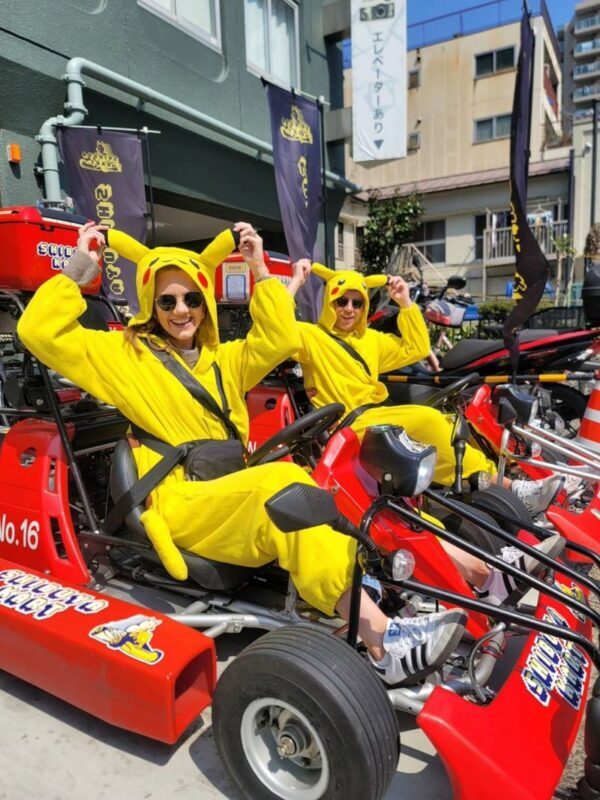
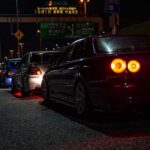
The ride can feel quite different depending on the time of day. A daytime departure may mean less traffic on some routes; one rider found an early afternoon ride relatively quiet. An evening ride can put you among Tokyo’s illuminated streets, which adds visual drama, though traffic and road conditions still matter.
Weather is another factor. The operator may cancel for rain and offer a reschedule or refund. If the ride goes ahead in the rain, the stated policy is different: you may be offered a chance to reschedule, but you cannot cancel for a refund. Rain can make the road less comfortable, so check the forecast and understand the operator’s decision before you go.
The schedule may change with traffic and weather, and some sights may be skipped. If a particular view is the reason you are booking, treat it as a possibility rather than a promise.
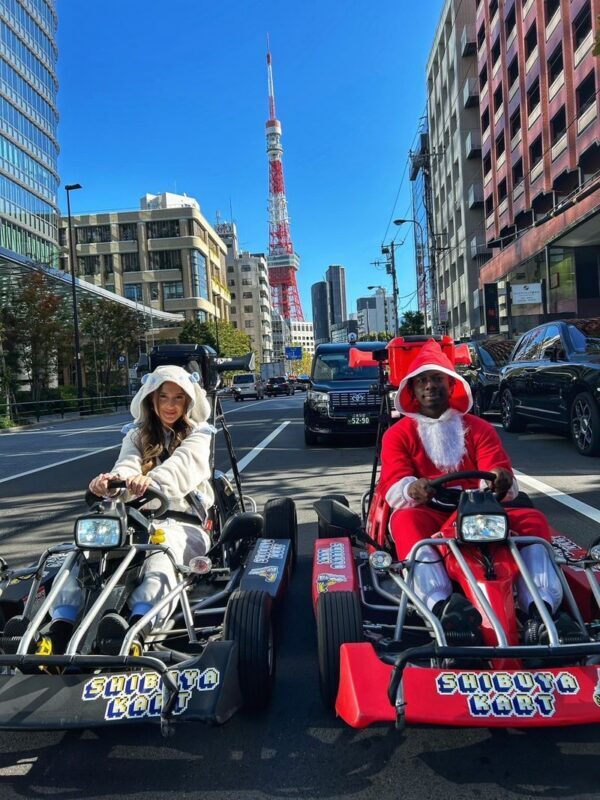
Do not book until you have confirmed that your documents qualify under Japanese law. For many international drivers, the requirement is an original home-country driving licence, a hard-copy International Driving Permit issued under the 1949 Geneva Convention, and your passport. A digital permit or a printout is not a substitute for the original booklet described in the requirements.
Some nationalities need a different document. Drivers from Switzerland, Germany, France, Taiwan, Belgium, Estonia and Monaco are instructed to bring their original licence, an official Japanese translation from an authorized organization, and their passport. A Japanese driver’s licence is also accepted. A SOFA driving licence applies to eligible US Forces Japan personnel.
The activity is not available to holders of Chinese, Indonesian, Pakistani, Qatari or Saudi Arabian passports. Indian drivers are advised to contact the operator before booking because IDP types vary. US, Canadian and Australian passport holders are told to bring a valid IDP or applicable SOFA licence, plus their physical home-country licence and passport. Check the Japan Automobile Federation’s current rules for your own passport country before paying.
You must be at least 18. The provider says it will not refund a booking if your documents prove invalid on the day, so this is not a detail to sort out at the shop. If you have any doubt, ask the operator to confirm your exact documents in writing before you reserve.
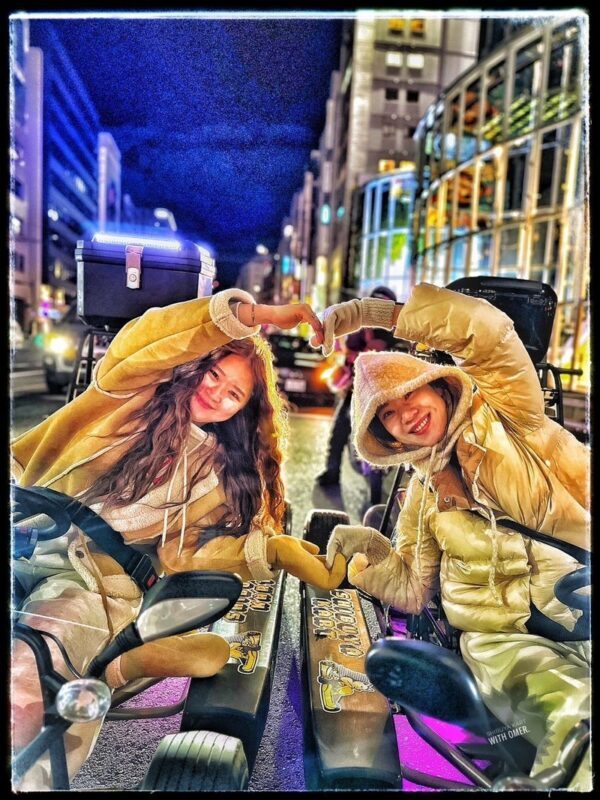
The starting price is $55.59, though the amount may vary by course and booking details. The package includes the selected kart ride, an English- or Japanese-speaking guide, operator-provided insurance, a safety briefing, costume options and digital photos. It does not include hotel transfers, food, drinks, personal expenses or action camera rental.
For the price, you are paying for an unusual way to see the city, plus the guide and the chance to come away with photos. A 45-minute course is the shorter, lower-commitment choice; the 60-minute ride gives you more road time, while 90 minutes may suit anyone keen to make the kart ride a major part of the day. Compare the exact price and duration at checkout rather than assuming every course has the same value.
Optional insurance at an additional cost has been offered at the shop, so ask what the included operator insurance covers and what any extra policy adds. The same applies to camera equipment: it is not included, and renting a camera stand is not essential to enjoying the ride.
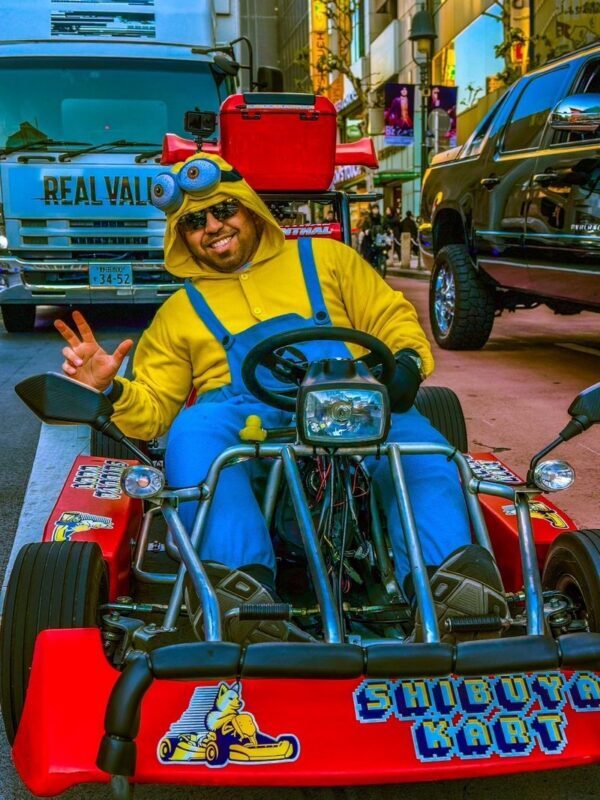
I would consider it if you have a valid licence for Japan, enjoy driving, and want a lively way to see central Tokyo from street level. It suits friends or couples looking for an activity that is more hands-on than a standard sightseeing bus, and anyone who likes the novelty of being noticed in a kart.
It is a weaker fit if you want a quiet, close-up look at landmarks, have limited mobility, or are uneasy sharing public roads. The activity is not recommended for people with impaired physical mobility. Anyone who appears intoxicated can be refused service without a refund.
Allow time to reach the Shinagawa meeting point, arrive early, and bring every required original document. If you do those things and accept that the route can change, the ride can make a memorable counterpoint to Tokyo’s temples, shops and train stations.
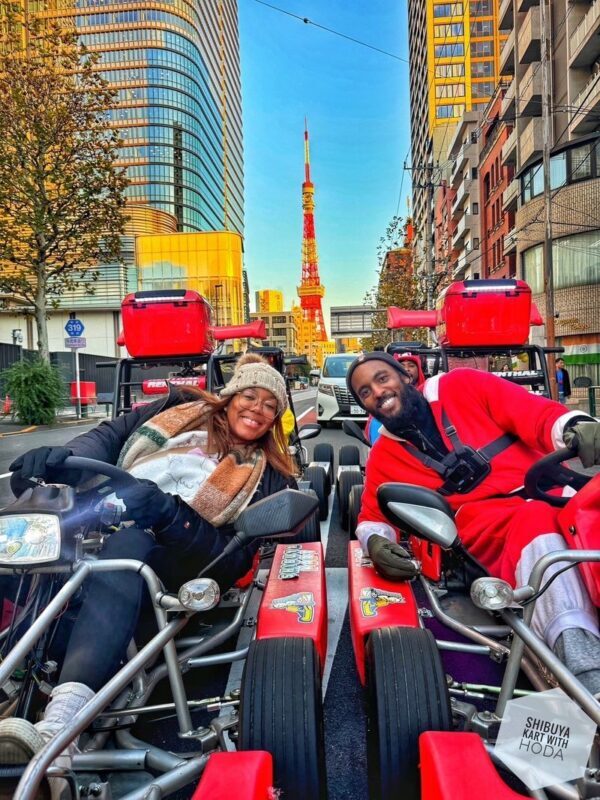
Book it if you are legally eligible to drive in Japan and the idea of following a guide through Tokyo streets sounds more exciting than stressful. The guide, safety briefing and digital photos add practical value, while the 45-, 60- and 90-minute options give you some choice.
Skip it if your documents are uncertain, you need a guaranteed stop at a particular landmark, or you would rather explore at walking pace. Before paying, confirm your licence requirements, meeting address and course duration. Those checks matter more here than picking the perfect costume.
“wonderful experience! I'm a very cautious driver, so really pushing on the gas in a country I've never driven was very exciting and fun! it was a g…”
You can choose a 45-, 60- or 90-minute course. The 60-minute course is one listed option. Confirm the selected ride duration when you book, since the activity information also describes a 1.5-hour experience.
The meeting point is Shibuya Kart at 1-chome-21-8 Hiratsuka, Shinagawa City, Tokyo 142-0051. Despite the business name, the shop is in Shinagawa, not central Shibuya.
The named areas are Omotesando, Harajuku and Shibuya Scramble Crossing. Traffic, weather and capacity can affect the route, and attractions may be skipped.
For many drivers, the required documents are an original home-country licence, a hard-copy International Driving Permit under the 1949 Geneva Convention, and a passport. Requirements differ by passport country, so check Japan’s rules and confirm your documents before booking.
The activity is not available to holders of Chinese, Indonesian, Pakistani, Qatari or Saudi Arabian passports.
Participants must be at least 18 years old.
Yes. Costumes, jackets and pants are included. Allow time before departure to get ready, as late arrival can leave little time for changing.
Digital memory photos are included. Action camera rental is not included.
If the operator cancels because of rain, you can choose to reschedule or request a refund. If the ride continues despite the rain, the stated terms do not allow a cancellation or refund, though rescheduling may be offered.
No. Late arrivals and no-shows are not refundable, and the operator says invalid or incorrect driving documents can result in cancellation without a refund.