Physical Address
304 North Cardinal St.
Dorchester Center, MA 02124
Physical Address
304 North Cardinal St.
Dorchester Center, MA 02124

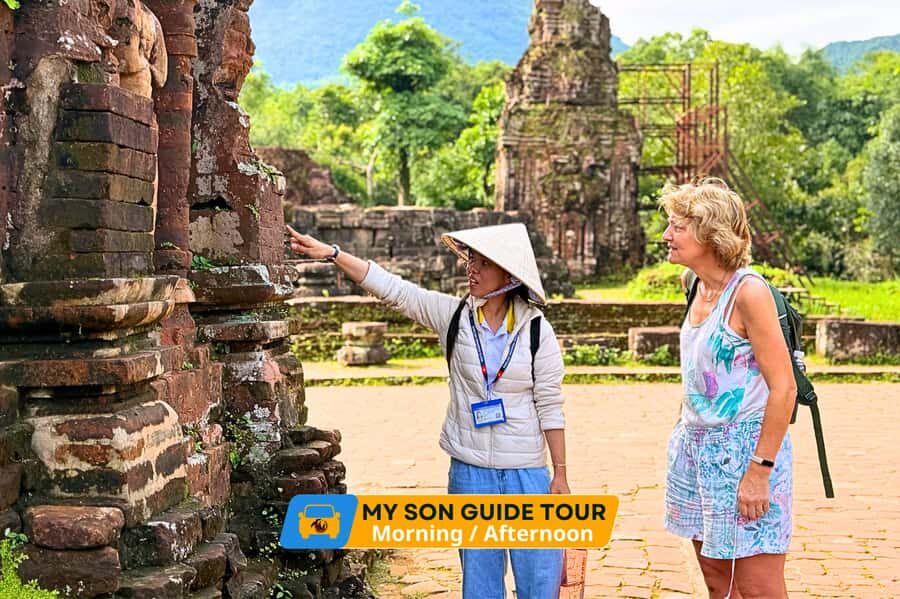
Visit My Son Sanctuary from Hoi An or Da Nang, with a local guide, Cham performance, village rice-paper stop on morning tours, and Thu Bon River cruise.
My Son Sanctuary is a striking place to meet the ancient Champa civilization: moss-darkened temples sit among forested hills, and a local guide helps make sense of the ruins beyond their photogenic stonework. This six to seven-hour trip pairs the temple visit with a traditional Cham performance and a motorboat ride on the Thu Bon River.
I like two things in particular: the small group size, capped at 12, gives the guide room to answer questions, and the river ride turns the return into part of the outing rather than just another drive. The morning option adds a local rice-paper-making demonstration and lunch, while the afternoon visit offers a later, often quieter window at the sanctuary.
One consideration: the two departures are not interchangeable. The afternoon tour skips the rice-paper workshop and lunch, and the temple visit is fairly timed, so anyone who likes to linger at archaeological sites may wish for more time.
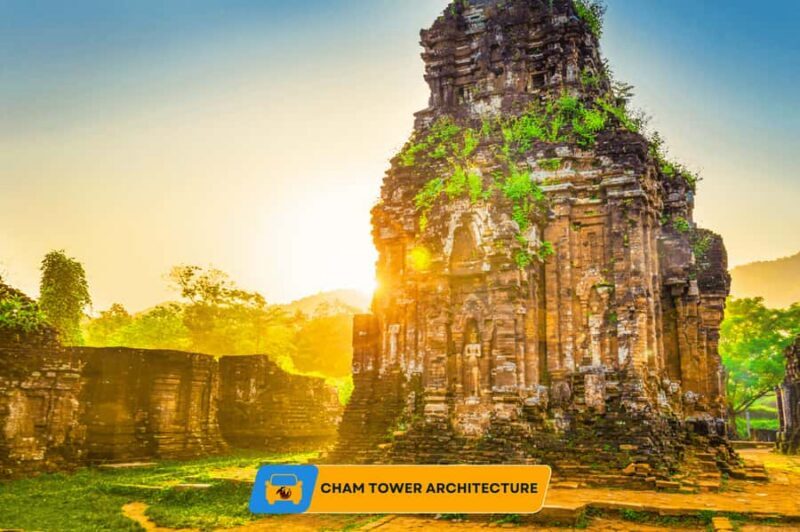
My Son Sanctuary is a UNESCO World Heritage Site and a major surviving center of the Champa civilization. Its temple groups, aged towers, and moss-covered brickwork feel a world away from the streets of Hoi An, though the trip is manageable as a day outing from either Hoi An or Da Nang.
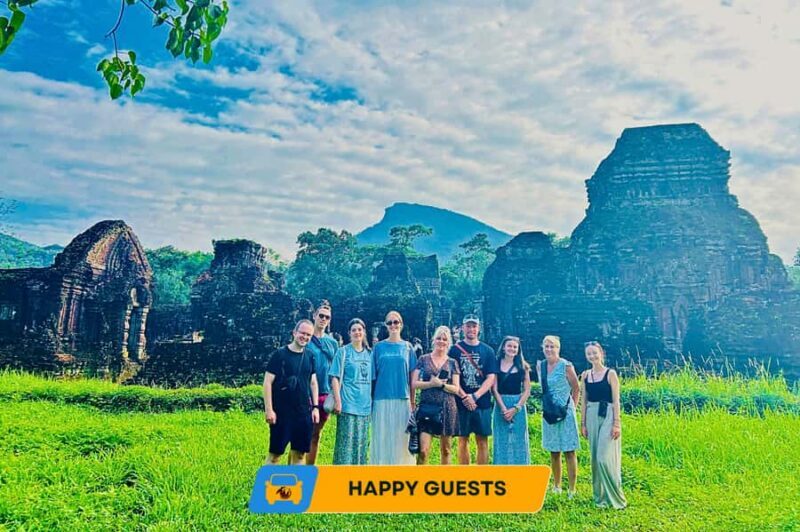
The site is more rewarding when someone explains what you are looking at. The guide leads you through the main temple groups and adds context about the Cham people and the complex’s spiritual role. That can turn a walk among old walls into a clearer picture of a civilization, rather than a string of ruins and photo stops.
Guides who have led this tour include Junie, Hai, Diem, Hang, Tin Tin, and Bảo Tran. The person assigned to your departure may differ, but the guide-led format is a key part of the experience: several visitors have especially valued guides who answer questions, keep the group moving, and explain the history in clear English.
The site visit lasts about two hours. That is enough time for a guided introduction and a look around the main areas, but not an open-ended archaeological ramble. If you like to study every carved detail or take your time photographing each temple, keep your expectations in check. The schedule has other stops to fit in, and one visitor specifically wished for more time at My Son.
You can check availability for your dates here: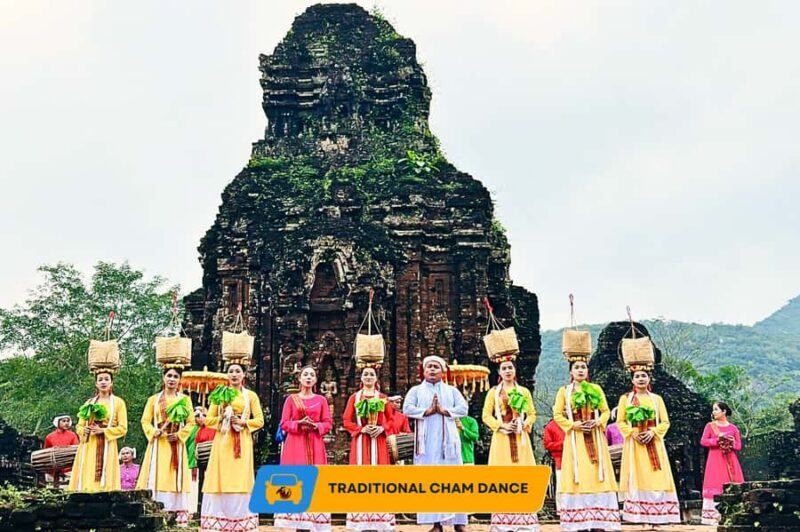
The morning tour is the fuller itinerary. Pickup is listed for about 6:40 to 7:00 a.m., with the sanctuary visit beginning around 8:50 a.m. The early start takes some effort, but it can bring you to the temples before the busiest part of the day. One practical advantage is that the morning option fits the rice-paper visit, lunch, and boat ride into a return to your hotel around 1:00 to 1:30 p.m.
The afternoon tour starts with pickup around 12:40 to 1:00 p.m. and reaches My Son at about 3:00 p.m. It spends roughly two hours at the sanctuary before heading to the pier for the river cruise. The later timing can be appealing if you prefer not to start early, and the softer late-day light can make the site feel especially atmospheric. The precise crowd levels and light depend on the day, so don’t treat either as guaranteed.
The afternoon version is shorter on activities, not necessarily on total length. It usually returns around 6:00 to 6:30 p.m. and includes a cake and Coke, but does not include the rice-paper workshop or lunch. Choose it for the later temple visit and evening river finish, not if you want the complete village-and-food experience.
If you are deciding between the two, ask yourself what you want from the day. The morning is the better fit for local food and craft, with lunch included. The afternoon is a sensible choice if you want a later start and are content to focus on My Son, the performance, and the boat ride.
More ways to experience Da Nang from the water include these boat tours
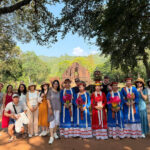
At the sanctuary, the tour includes a traditional Cham dance performance on the morning departure, and a Cham cultural music show on the afternoon schedule. It gives you a taste of Cham cultural expression alongside the temple visit, rather than leaving the ruins to speak for themselves.
Think of the performance as a short introduction, not a full-length show. The schedule is built around a group visit to the site, so the performance is one element of the outing. If you are keen to understand more, use the time with your guide to ask about Champa history and the role of the temples. The guides’ explanations are a major part of what makes the visit useful.
The morning itinerary stops at a local village, where you see how traditional Vietnamese rice paper is made. It is a modest but worthwhile change of pace after the temple complex: instead of looking at historic structures, you watch a local food craft in practice and get a closer view of a familiar part of Vietnamese cooking.
Making rice paper may look simple, but it takes a bit of skill. That contrast is part of the fun, and the stop gives you a small, direct connection to everyday food culture. It is not included on the afternoon tour, so if this detail appeals to you, book the morning departure.
The village stop is scheduled for about 30 minutes. That is enough for an introduction and demonstration, rather than a long workshop. The included making activity is listed for the morning option only; don’t assume the afternoon trip will add it if the schedule runs early.
After the village visit, the morning group has lunch at a local restaurant. The meal is included, and the tour description identifies it as a local lunch. The food is often a highlight of the day, and vegetarian options have been available, but it is sensible to share dietary needs with the provider when confirming your pickup.
Allow for a set group meal rather than a long, leisurely restaurant stop. The schedule gives lunch about 45 minutes, and the overall tour keeps moving. If you like to linger over a meal, you may find this portion brisk. Still, having lunch arranged is useful: you do not need to plan another stop between the village and the river.
The afternoon departure does not include lunch. It includes cake and Coke instead, so eat beforehand if you expect to want a proper meal during the outing.
More Great Tours Nearby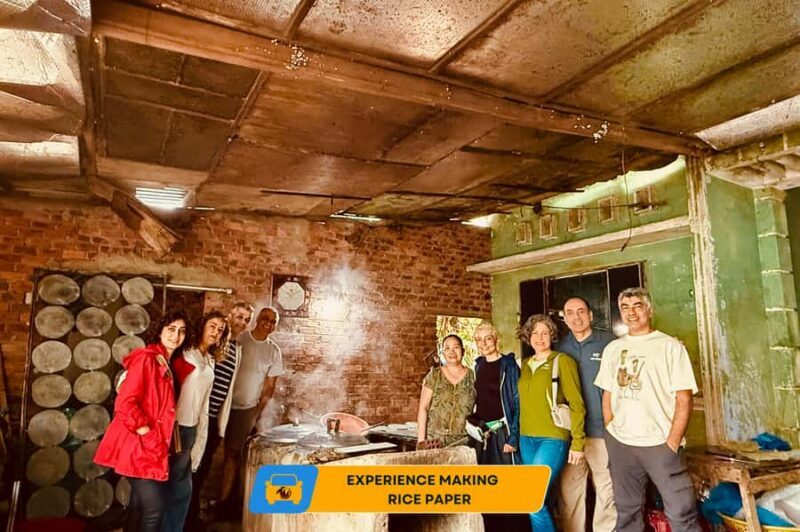
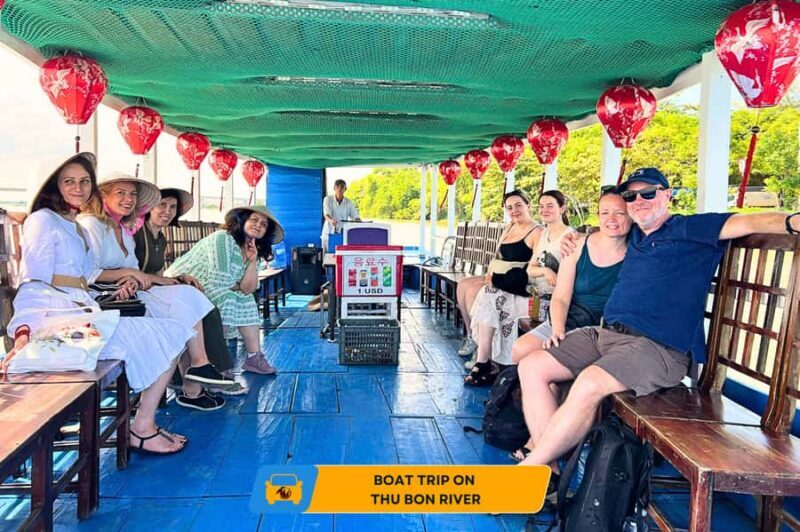
The motorized boat ride is a welcome change from the van. It lasts about 20 minutes and follows the Thu Bon River, with views of riverside life, water, and green banks. The trip is short, but it adds a calm, open-air finish after the temple visit and road transfers.
In the morning schedule, lunch comes before the boat ride, with the group boarding around 12:30 p.m. The afternoon trip transfers to the pier after the sanctuary visit and cruises toward Hoi An in the early evening. The water journey is a particularly pleasant way to end the day, though its place in the broader itinerary can feel like an add-on if you prefer one continuous story. Take it for the change of scenery and slower pace, not as a long cruise.
The tour offers drop-off in Hoi An and Da Nang. The boat portion is described as a return toward Hoi An, so confirm the exact transfer plan for your chosen pickup and drop-off location when the provider contacts you. The available information lists both cities for pickup and drop-off, but does not spell out every connection between the pier and each hotel.
The tour uses an air-conditioned vehicle and includes hotel pickup and drop-off. Road time is a substantial part of the day, so a clean, comfortable van makes a real difference. Pickup is available from Hoi An and Da Nang, which saves you from arranging your own trip to the sanctuary.
The group is limited to 12 people. That is small enough for a guide to manage questions and keep track of the group, while still sharing the cost of transport. Timing and communication are reported strengths of the operation: have your accommodation details ready and provide a working contact number on Zalo, WhatsApp, phone, Line, KakaoTalk, or WeChat so the provider can confirm the pickup time and address.
There is a timing detail worth checking before you set your alarm. The activity information gives morning pickup as 6:40 to 7:00 a.m., while the sample schedule shows hotel pickup beginning around 7:30 a.m. Confirm your exact time directly, and be ready at least 10 minutes beforehand. Afternoon pickup is listed as 12:40 to 1:00 p.m.
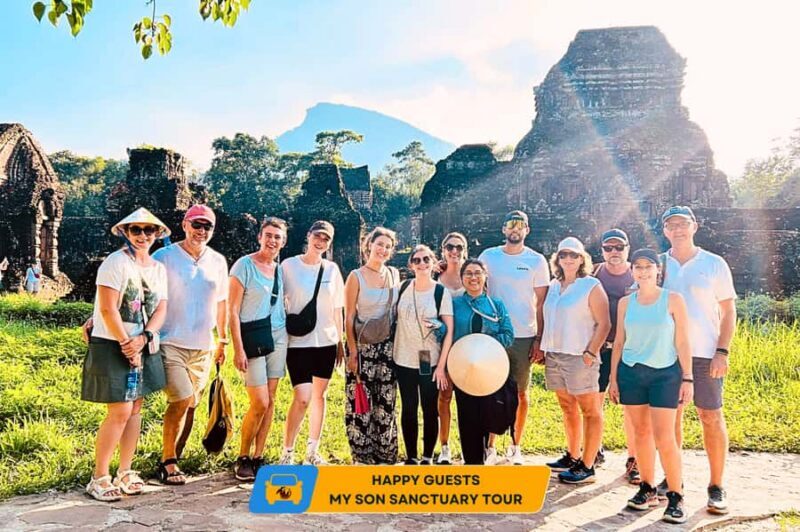
At about $19 per person, the tour offers a lot of moving parts: hotel transport, a guide, the river boat, and, on the morning option, rice-paper making and lunch. Mineral water and insurance are also included. For someone without a vehicle, arranging all those pieces independently would take time and could be less convenient.
Check the ticket option carefully before booking. The My Son entrance fee is listed as 150,000 Vietnamese dong if you choose the option with the entrance ticket. Do not assume the advertised starting price includes admission unless your selected option says so. Personal expenses are not covered.
The value is strongest if you want a guided visit and the added transport and local stops. If you only want to see the temples and prefer to set your own pace, a shorter or independent visit may suit you better. But for a day that combines Champa history, a cultural performance, local food or craft, and a river ride, this is a notably full itinerary for the price.
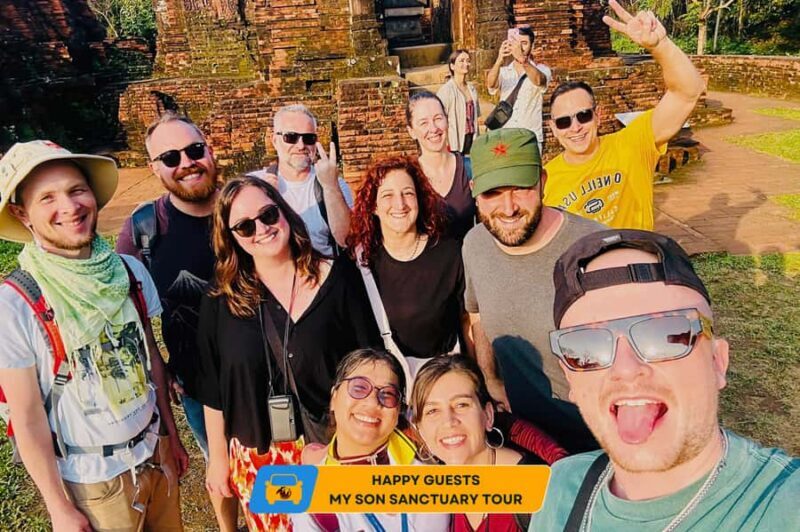
Wear comfortable shoes and clothes. The sanctuary visit involves walking, and the site is outdoors. Sunglasses, a sun hat, and sunscreen are sensible choices, especially for a midday visit. The tour runs rain or shine, though poor weather can lead to a different date or a full refund.
Most people can take part, and children must be accompanied by at least one adult. The provider offers free cancellation up to 24 hours before departure, and you can reserve now and pay later. Check current availability for departure times, and send your contact details so the operator can confirm pickup arrangements.
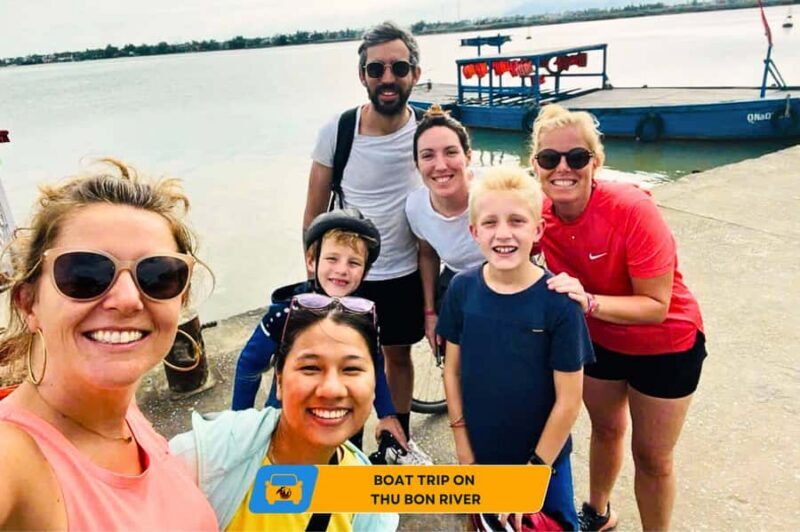
Book it if you want My Son explained by a local guide and would enjoy adding a village craft stop, lunch, and a short river cruise to the same outing. The morning tour offers the most complete day; the afternoon option works well if you value a later start and do not mind missing the rice-paper demonstration and meal.
Skip it if your main priority is spending as long as possible among the temples or moving at your own pace. The schedule is organized and convenient, but it is a group tour with several stops to fit in. For most people based in Hoi An or Da Nang who want a practical introduction to My Son, the balance of history, local culture, and transport makes it an appealing choice.
“We had an amazing time learning about the ancient Champa civilization and My Son today. We had a small group and were able to arrive to the locatio…”
Plan for six to seven hours, depending on your departure and drop-off arrangements. The morning trip generally returns around 1:00 to 1:30 p.m.; the afternoon trip around 6:00 to 6:30 p.m.
Yes. Hotel pickup and drop-off are offered in both Da Nang and Hoi An. Provide your accommodation address and contact details so the provider can confirm the exact arrangements.
The entrance fee is listed as 150,000 Vietnamese dong if you choose the option that includes an entrance ticket. Check your selected booking option rather than assuming it is included in the starting price.
No. The rice-paper-making visit is included only on the morning tour.
Lunch is included on the morning tour. The afternoon tour includes cake and Coke instead.
Live guides are available in English and Vietnamese.
The tour is limited to 12 participants.
Wear comfortable shoes and clothes, and bring sunglasses, a sun hat, and sunscreen.
If the tour is cancelled due to poor weather, you are offered another date or a full refund. The activity otherwise runs rain or shine.
You can check availability for your dates here: