Physical Address
304 North Cardinal St.
Dorchester Center, MA 02124
Physical Address
304 North Cardinal St.
Dorchester Center, MA 02124

Learn tea-room etiquette, watch a matcha ceremony, and whisk your own tea in Kyoto’s Gion district, with an optional kimono rental.
In Gion, this one-hour tea ceremony turns a bowl of matcha into a lesson in attention: you watch the host prepare the room and tea, learn how to handle the bowl, then make a cup yourself. It is a practical way to meet a Kyoto tradition without needing to know the rules in advance.
I like two things in particular: you take part, rather than only watch, and the instructors explain the gestures in English or Japanese as they go. The Gion location also makes it easy to pair the ceremony with a day of exploring the neighborhood, especially if you choose a kimono package.
The main consideration is time and comfort. The ceremony lasts about an hour, kimono dressing requires an early arrival, and the traditional seated posture may be hard on your knees. Arrive on time: a delay can cost you the kimono portion, and arriving 30 minutes late means you cannot join the ceremony.
The meeting point is Ouka Kimono Rental at 169 Tokiwacho in Higashiyama Ward, a short walk from Keihan Railway’s Gion-Shijo Station, Exit 9. The shop combines kimono rental with the tea activity, so you can arrive in ordinary clothes, change if your package includes a kimono, and then head to the ceremony.
Tea-only bookings can choose from start times at 11:30, 13:00, 14:30, or 16:00. The selected time is the start of the matcha activity, not the time to arrive for kimono dressing. If you have booked a kimono, plan to be at the shop an hour earlier. For an 11:30 ceremony, for example, arrive at 10:30.
The return time varies with your selected departure and the length of the schedule. Check the confirmation email for your exact timing, and leave room in your day rather than planning a tight connection immediately afterward.
For more Kyoto culinary adventures, you might enjoy these food and drink experiences
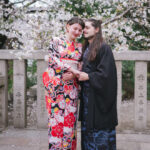
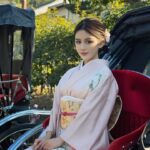
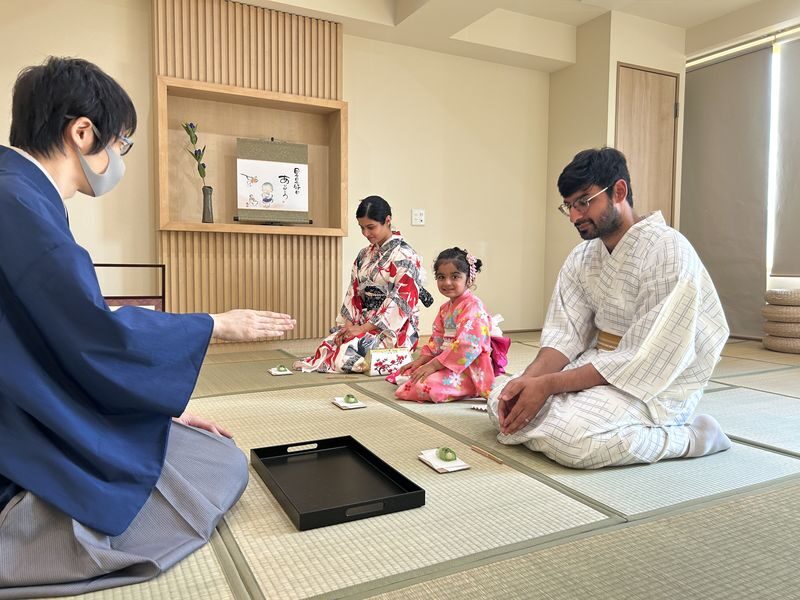
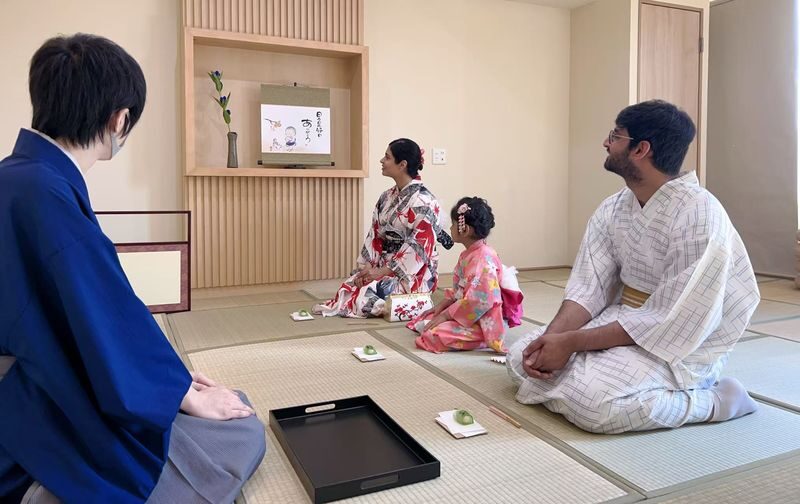
Kimono packages add a dressing and hair-styling session before the ceremony. You choose from the available garments, then staff help you get dressed and arrange your hair. The selection includes several package types, from basic and traditional women’s options to men’s, children’s, lace, and larger-size garments. The exact choices and any price differences depend on the package you book.
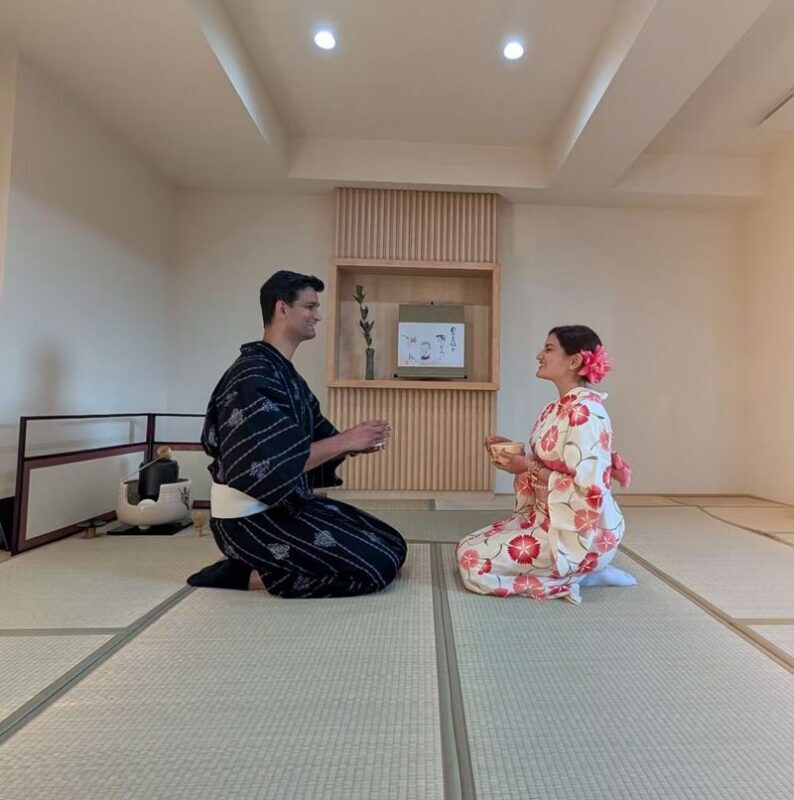
This extra hour changes the shape of the outing. You are not simply putting on a costume for a quick photo; dressing becomes part of the day, and the kimono can make the tea-room etiquette feel more connected to the setting. Some people also use their kimono time to take photos or walk around Gion before returning it. However, the allowance to wear it outside and the return deadline can vary by package, so confirm those details before booking.
One practical note: the kimono fitting can feel rushed if you arrive late or if the shop is busy. Arriving the full hour early gives you time to choose and change without turning the start of the ceremony into a race. Late arrivals may miss the kimono fitting, and that fee is not refunded.
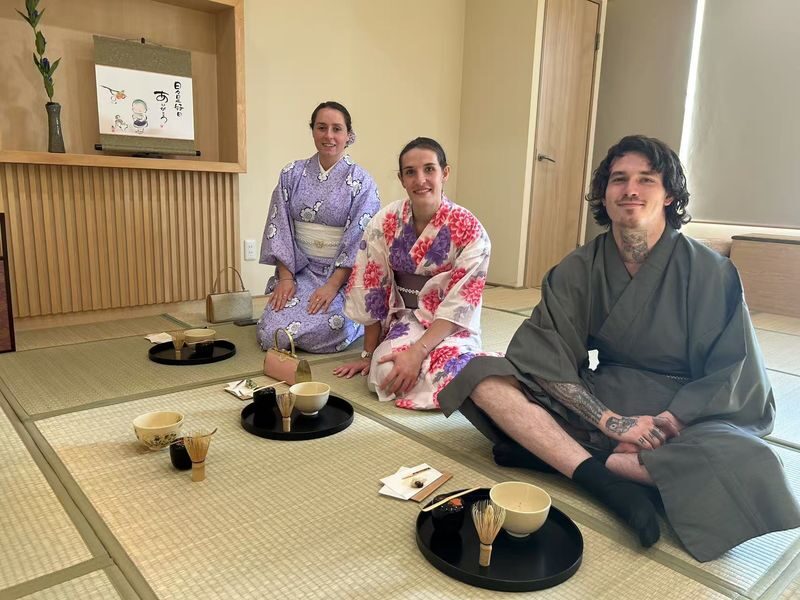
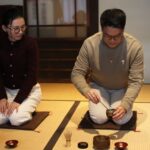
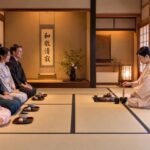
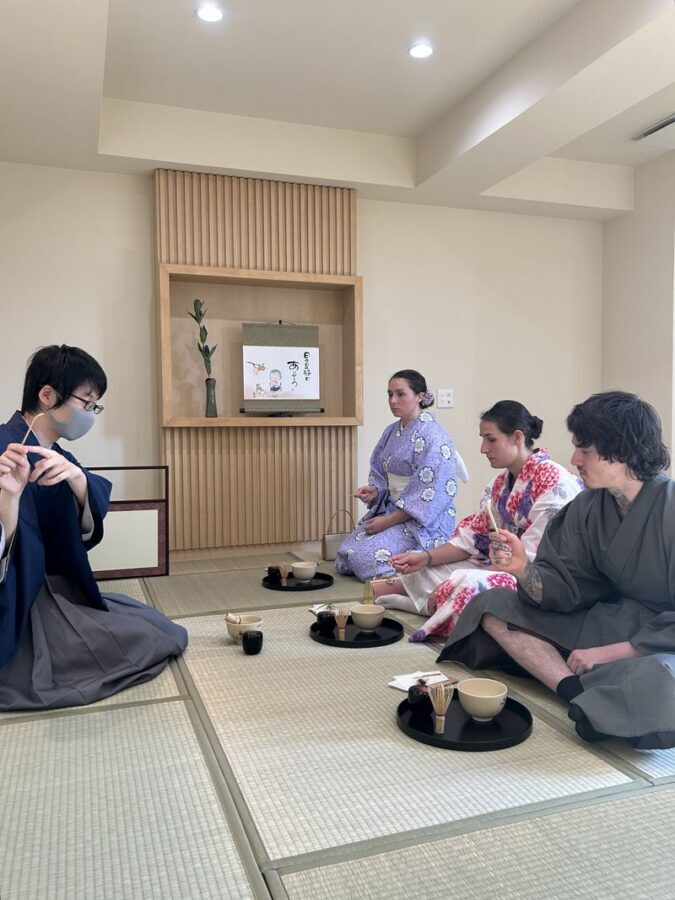
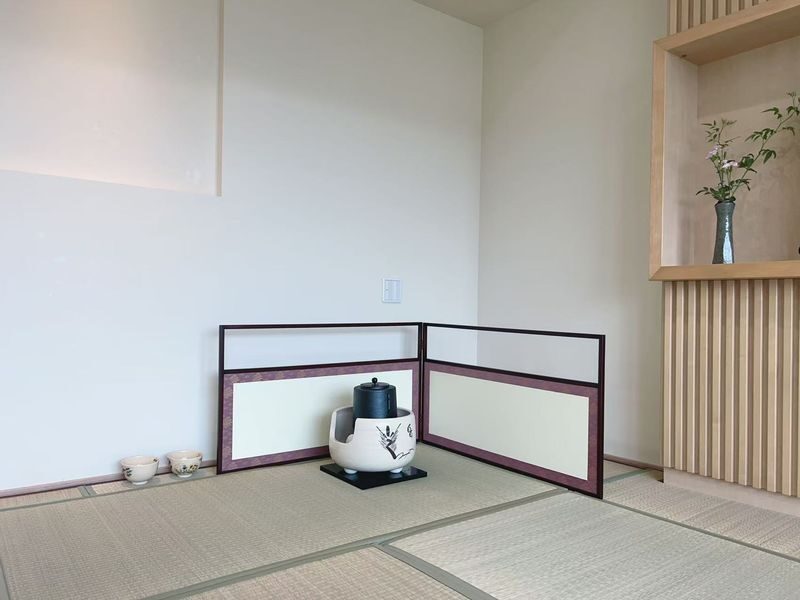
The session begins with an introduction to the origins and cultural meaning of Japanese tea ceremony, along with basic etiquette. The instructor then demonstrates the sequence, from heating water and warming the bowl to preparing the tea powder, whisking, and serving.
The point is not to memorise a string of moves. Each gesture has a place in a practice that values harmony, respect, purity, and tranquillity. Knowing how to turn the bowl or hold it properly gives you a small but useful window into that careful approach. You do not need prior experience; the instructions are meant to make the process clear to beginners.
The explanations are currently available in English and Japanese only. If you want a detailed conversation about the history or etiquette, English or Japanese ability will matter. The instructors are described as taking questions, so this is more engaging than a demonstration you simply watch in silence.
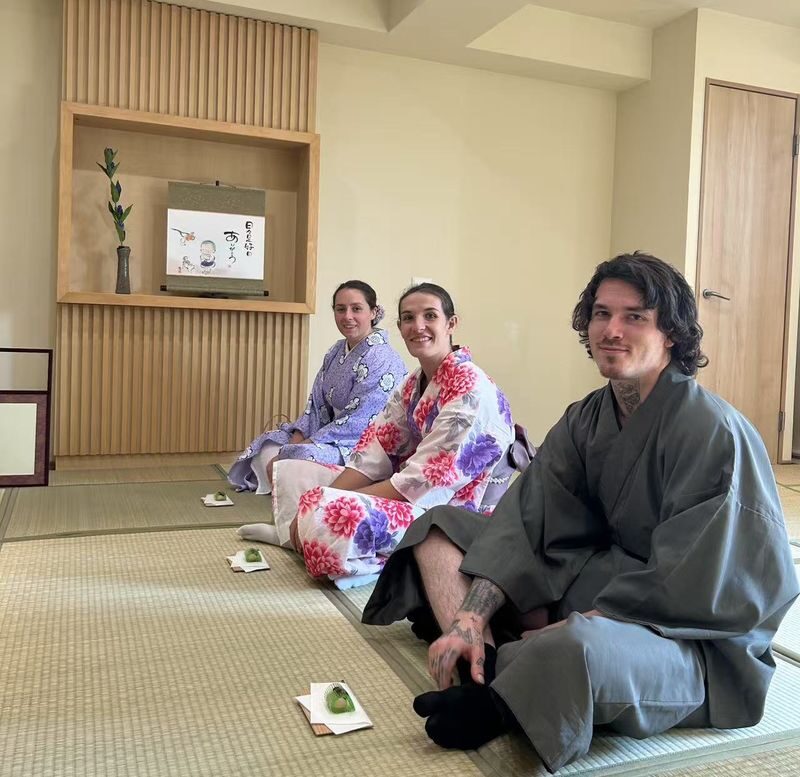
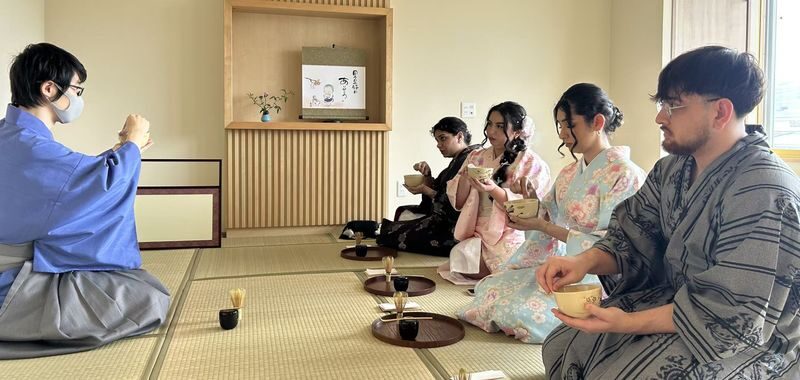
After the demonstration, you get to prepare tea yourself under the instructor’s guidance. The hands-on part includes working with the tea powder and whisking it into a fine foam. You then taste what you have made with wagashi, a traditional Japanese sweet.
This is the part that makes the short session feel like more than a cultural talk. You leave having learned a few practical steps, not just watched someone else perform them. Matcha can be an acquired taste, particularly if you have not tried it before, but the sweet gives you a familiar counterpoint.
There is also time to ask questions and compare impressions with the other people in the room. Some sessions may feel very personal, especially when attendance is small, but group size is not specified and should not be assumed. The focus is on learning the process and taking part, not on an elaborate meal or a long, formal ceremony.
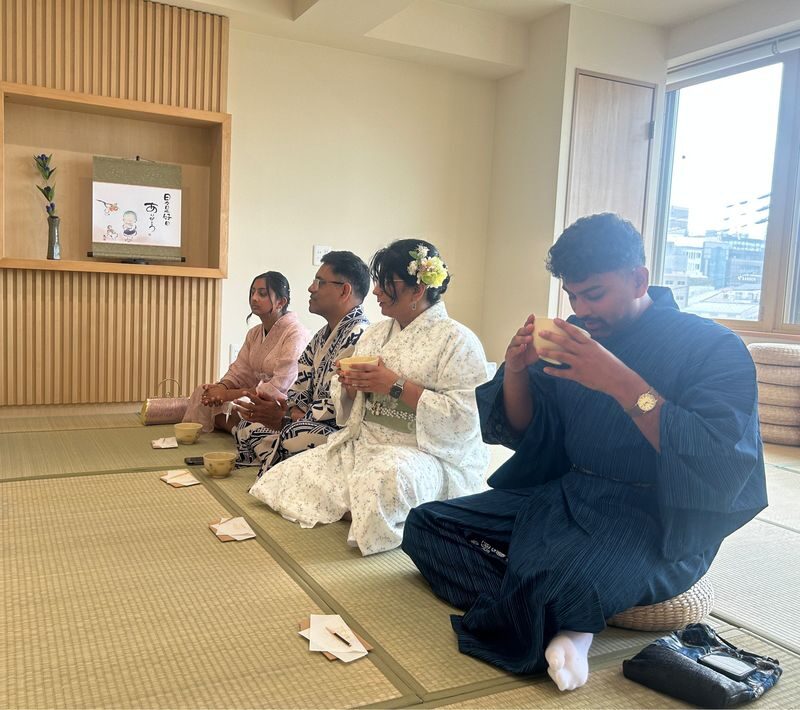
A tea room asks for a different pace from the street outside. Keep your voice low, silence your phone, and handle the tea utensils gently. Do not touch items that are not being used or shown to you.
The ceremony involves kneeling, which can be uncomfortable if you are not used to sitting seiza style. You may bring knee pads or a foot cushion, or ask whether a small seiza stool is available. If you have a health concern or feel unwell, tell the staff in advance so they can discuss arrangements.
Ask before taking photos or video. The room may have rules about photography, and even when photos are allowed, it is best not to interrupt the demonstration. If you are wearing a kimono, also take care when using the restroom so the garment does not become disarranged or soiled.
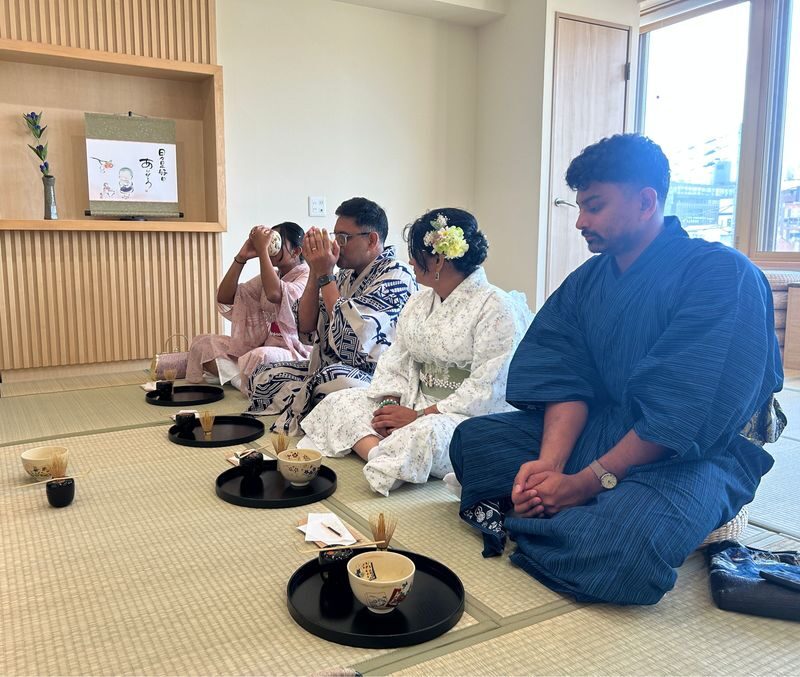
The tea-only option starts at $35.55 for a one-hour session. That is a noticeable price for a short activity, but it covers more than a cup of tea: you receive an explanation, a full demonstration, guided practice, and matcha paired with a Japanese sweet. If your goal is to understand the basic ritual and try making tea, the tea-only plan is the clearest value.
Kimono packages cost more, with the price depending on the option. The extra expense buys a fitting and hair styling as well as the ceremony, and may give you time to wear the kimono outside. That makes the combined package a better fit if dressing up and taking photos are part of what you want from a Kyoto day. If you mainly want to learn about tea, the rental is an optional extra, not a requirement.
The activity has a 4.9 out of 5 rating from 306 ratings, and the provider has a 95 percent good-review rate across its activities. The most consistently praised parts are the warm staff, clear explanations, and the chance to make matcha yourself. A few practical cautions remain: an hour can feel brief for the price, and kimono dressing may be rushed if you do not arrive early.
This suits first-time visitors who want a guided introduction to tea ceremony without committing half a day. It is also a good choice for couples, solo visitors, and families with children who meet the age rules. People who enjoy learning a few customs and then trying them themselves will get more from it than those looking only for a quiet tea tasting.
Choose the kimono option if you want the clothing and fitting to be part of the outing, and can spare the extra hour. Choose tea only if your priority is the ceremony itself or you are watching your budget. Either way, the Gion setting gives you a convenient starting point for nearby shopping, restaurants, and sightseeing, though those are separate from the booked activity.
Pregnant participants cannot be provided with the kimono fitting or tea ceremony, because of the tight garment and prolonged kneeling. Children aged 0 to 9 are not allowed to take part; children aged 10 to 12 need the children’s plan, and those aged 12 and up are charged at the adult rate.
Book it if you want a compact, hands-on introduction to matcha and its customs, with the option to add a kimono. The instructors’ explanations and your chance to whisk the tea yourself are the real value here. Skip the kimono add-on if you do not care about the dressing and photos, and book a different kind of outing if you want a long ceremony, a full meal, or a completely flexible schedule.
“Had a great time, very enjoyable experience!”
The tea ceremony experience lasts about one hour. If you book a kimono package, arrive one hour before the selected tea start time for dressing and hair styling.
The listed starting price is $35.55. Kimono packages are separate options and may cost more; the price depends on the package selected.
Yes. Explanations are available in English and Japanese. These are the two languages currently offered for the tea ceremony.
No. You can book the tea ceremony without a kimono. Several kimono-plus-tea options are also available.
Meet at Ouka Kimono Rental, 169 Tokiwacho, Higashiyama Ward, Kyoto. The nearest stated railway access is Keihan Railway’s Gion-Shijo Station, Exit 9.
If you are late, staff may not be able to arrange your kimono fitting, and the kimono fee will not be refunded. If you arrive 30 minutes or more late, you cannot enter the tea ceremony room.
Children aged 0 to 9 cannot participate. Children aged 10 to 12 need the children’s plan, while children aged 12 and older are charged the adult rate.
No. The provider cannot offer kimono dressing or the tea ceremony to pregnant women because of the tight fit of the kimono and the kneeling required.
You can receive a full refund if you cancel at least 48 hours before the activity date, in destination local time. Late arrivals and no-shows are not eligible for refunds or amendments.