Physical Address
304 North Cardinal St.
Dorchester Center, MA 02124
Physical Address
304 North Cardinal St.
Dorchester Center, MA 02124

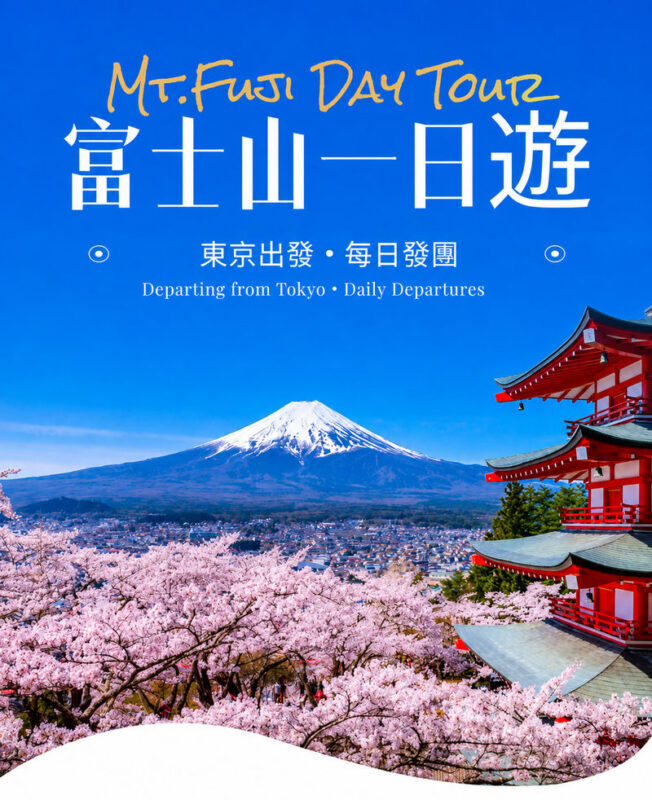
A full-day Tokyo trip to Mount Fuji’s 5th Station, Kawaguchiko matcha, Oshino Hakkai and Chureito Pagoda, with practical tips on timing and weather.
Mount Fuji is the star, but this is a sampler platter of the region: a high-altitude viewpoint, a spring-fed village, matcha near Lake Kawaguchiko and the famous pagoda-and-Fuji photo. It’s a straightforward way to reach several far-flung sights from Tokyo in one long day.
I like that the tour pairs classic photo stops with a small cultural activity, rather than spending the whole day at viewpoints. I also like the price: from $49.29, round-trip transport and a matcha activity make this a useful option if you want to see a lot without organizing buses and transfers yourself.
The trade-off is time. You’ll cover several places on a fixed schedule, and Mount Fuji can disappear behind clouds. The 5th Station can also close in winter, while group size, guide language and meeting-point clarity may vary by departure.
At a glance
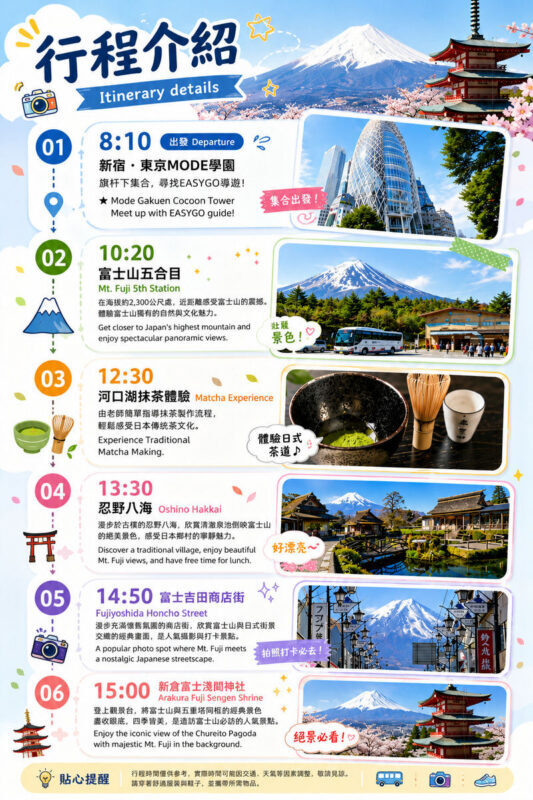
The tour starts early, with a scheduled departure between 7:50 and 8:10 in the Shinjuku area, by Tokyo Mode Gakuen. Arrive 15 minutes early and check in with the guide. The meeting point can be confusing in a busy area, so check the precise location details before you set out rather than relying on a quick look at the building.
The ride from Tokyo is part of the bargain. You don’t have to piece together regional trains and local buses, and you can settle in while the city gives way to the countryside. The return is scheduled for around 18:30, though traffic can shift that time. Bring water and a snack if you prefer not to rely on the stops for every bite.
This is a shared-vehicle tour, not a private sightseeing car. The operator assigns a vehicle based on the group: a car for fewer than nine people, a minibus for groups under 20, or a large bus for 21 or more. You can’t choose the vehicle or seat. That matters on a long road day: one participant reported that a minivan felt cramped with 13 people, so don’t assume every departure will have coach-style room.
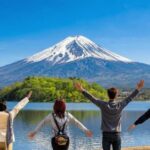
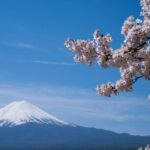
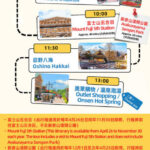
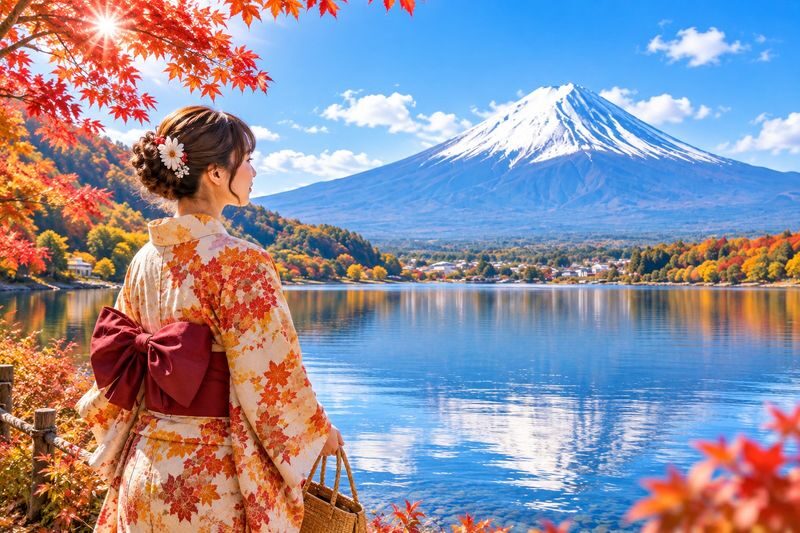
When the Fuji Subaru Line is open, the tour heads to Mount Fuji’s 5th Station, at 2,305 meters. It’s a popular stopping point on the mountain, where you can see the upper slopes up close without hiking up from the base. On a clear day, the view may stretch over the surrounding area, sometimes above a sea of clouds.
The stop is about an hour, including the guided visit. That’s enough for a look around and photos, but not a mountain expedition. Bring an extra layer: conditions at elevation can feel different from those in Tokyo, and the weather may change. The important expectation is that the station puts you closer to Fuji, but it cannot promise a clear view.
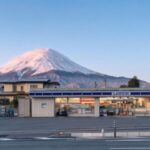
In winter, the road often closes, generally from mid-November to early April, with exact access set by official conditions on the day. If the 5th Station is inaccessible, the tour substitutes Oishi Park by Lake Kawaguchiko. These are alternatives, not two stops on the same visit. A short Lawson convenience-store stop in Kawaguchiko may also be added in winter.
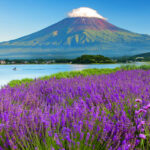
Oishi Park offers a different kind of Fuji view, looking across the lake toward the mountain. It’s a sensible backup, but it isn’t the same experience as being high on the slopes. More broadly, weather can affect the view from any stop. If Fuji is clouded over, the tour does not offer a refund for the scenery.
Looking for more options in Fujiyoshida? Here are some other experiences worth considering.
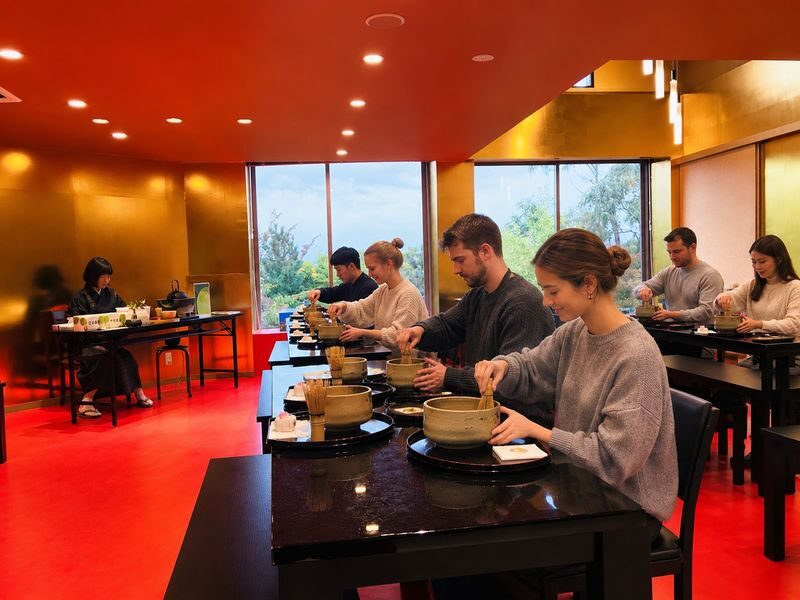
At Fujikawaguchiko Shikido Honpo, you get roughly 30 minutes for a guided matcha activity. You follow a tea master’s instructions, prepare matcha yourself and taste it. It adds a hands-on moment to a day otherwise built around driving, walking and taking photos.
Keep expectations in proportion. This is a simple cultural activity, not a formal tea ceremony lesson or an in-depth course. I see that as a plus if you want a brief introduction without giving up much sightseeing time. If you’re hoping to study tea customs in detail, this stop won’t go that far.
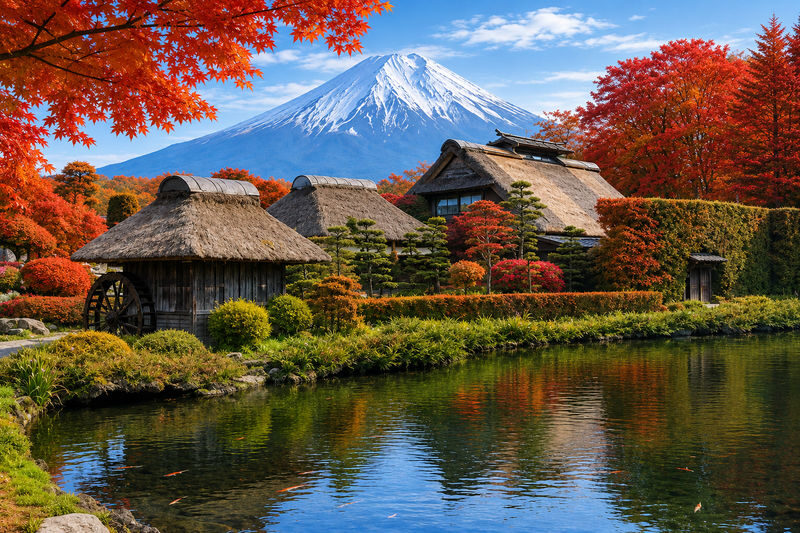
Oshino Hakkai is a village known for ponds fed by snowmelt filtered through Mount Fuji’s volcanic ground. You have about an hour here to wander at your own pace, look into the clear water and enjoy the traditional village setting. On a clear day, Mount Fuji may appear reflected in a pond, but that view is weather-dependent too.
This is the main stop for a relaxed lunch, which is not included in the tour price. An hour goes quickly if you want to eat, explore and take photos, so decide what matters most when you arrive. Food and drinks are at your own expense, as are personal purchases throughout the day.
Oshino Hakkai is likely to suit you if you enjoy small-scale scenery more than a long museum visit. It also offers a change of pace from the high-altitude viewpoint and the busier photo stops. Just keep an eye on the return time: the group will move on whether you’ve finished browsing or not.
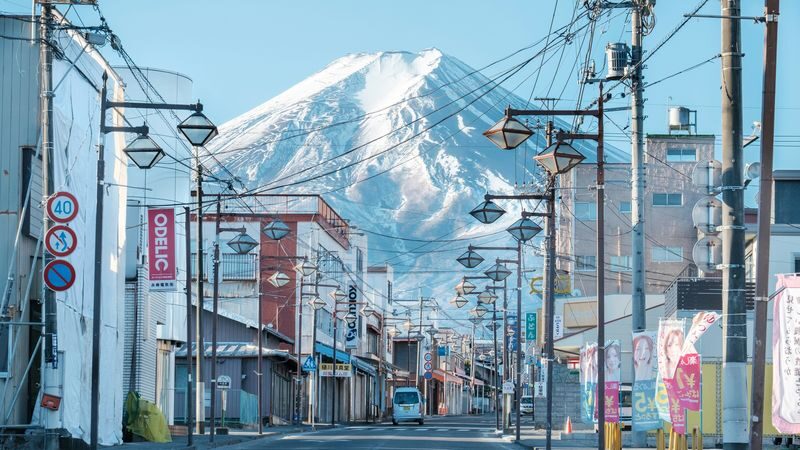
The tour also visits Fujiyoshida’s nostalgic Honmachi shopping street, sometimes described as Nichikawa Clock Shop Street. The appeal is its old-fashioned Japanese streetscape and the view of Mount Fuji aligned with the road. It is a place to stroll and take in the town, not a major shopping district with a long list of planned activities. If the mountain is hidden, the street still offers a look at a local setting, though the famous Fuji framing is the point.
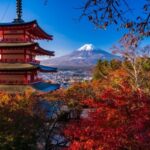
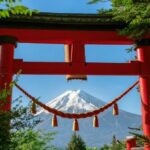
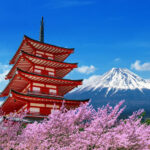
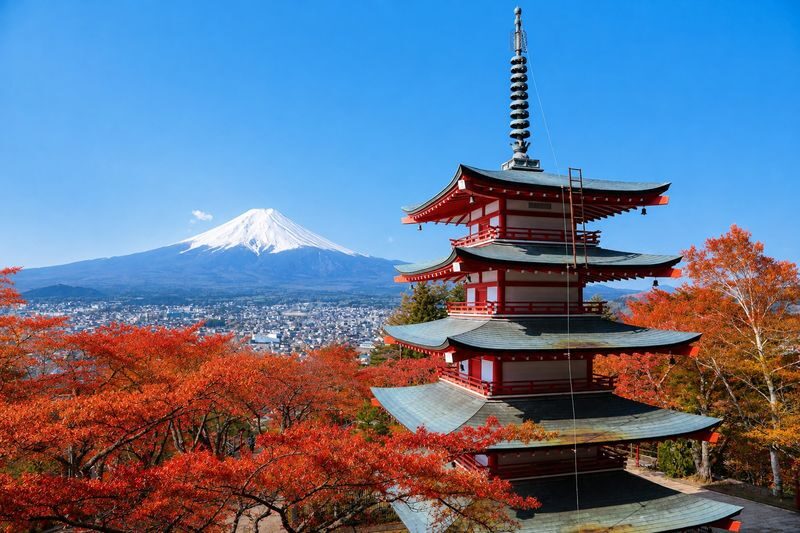
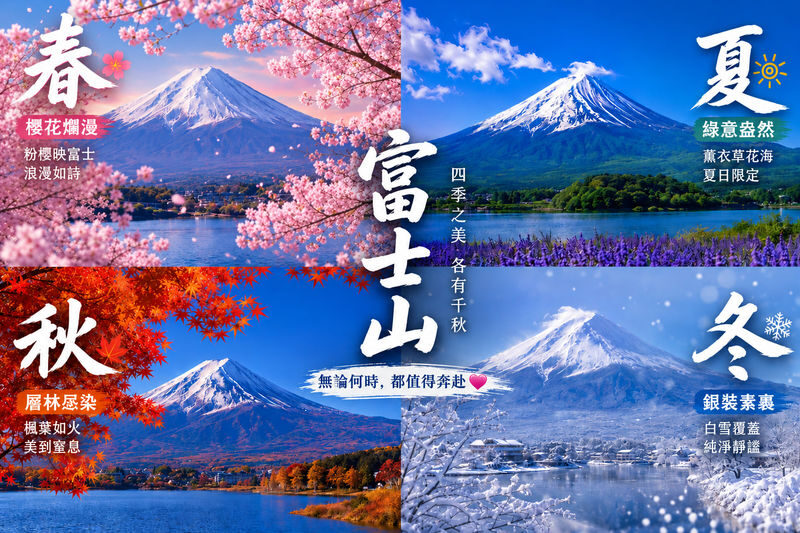
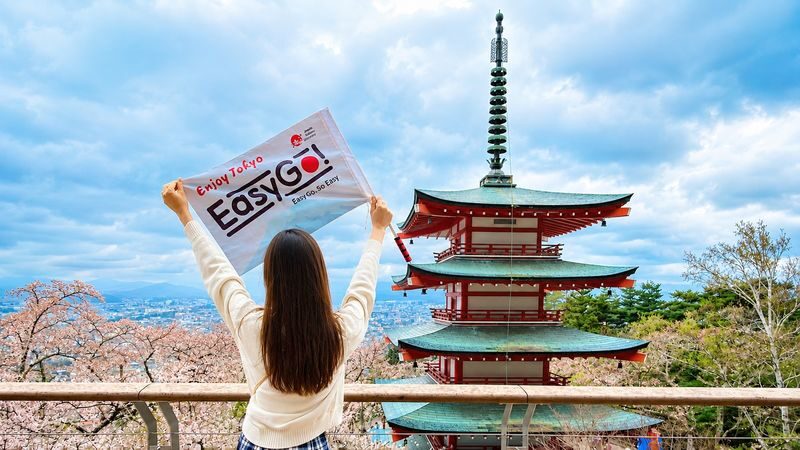
From there, the day includes Arakura Fuji Sengen Shrine and Arakurayama Sengen Park, home to the classic view of Chureito Pagoda with Mount Fuji behind it. This is the shot many people have in mind when they book a Fuji day trip. The view changes with the seasons: cherry blossoms in spring, green foliage in summer, autumn colors and winter snow.
Allow for stairs and a fair amount of walking. The park’s viewpoint is above the shrine, and this is not a low-effort stop. The tour’s overall activity includes significant walking and stairs, so bring proper walking shoes and be realistic about your comfort on slopes and steps. Some stops may be shortened or skipped if weather, capacity or traffic forces a change.
The tour is offered in Chinese, Japanese and English, but the group package details specify Chinese- and English-guided service. The depth of English narration can vary. Some departures have had guides who explained clearly in both languages, while others have had limited English and relied more on translated messages. If English explanations are essential to you, confirm the language for your exact departure before booking.
Guide assignments vary, but past tours have featured guides named Arpan, Jeffrey and Zhang. Good guiding matters on a fast day: clear instructions help you make the most of short stops, and a flexible guide may adjust the route around traffic or weather. Still, this is a shared tour with fixed timings, not a private guide at your disposal.
The schedule can change. Traffic may alter the order or duration of stops, and poor weather or capacity may mean skipping part of the plan. The tour operator does not guarantee seasonal views. That flexibility helps keep the day moving, but it also means you should treat the advertised route as a plan, not a promise that every stop will happen exactly as written.
At a starting price of $49.29, the tour is inexpensive for a full day of transport from Tokyo, several Fuji-area stops and a matcha activity. The value is strongest if you want to see a range of well-known places without arranging connections yourself. Transport is a significant part of what you’re paying for, especially when you factor in the distance between Tokyo and the Fuji area.
The low price comes with limits. Meals, drinks and personal spending are extra. You share the vehicle, cannot pick your seat, and have less control over the pace than you would on a private trip. A private-car option with hotel pickup and drop-off is also available, but it is a different package and the itinerary itself cannot be customized. If you choose a charter, personal delays can trigger an overtime charge of ¥5,000 for each 30 minutes.
The group tour is a practical deal if your goal is to collect several highlights in one day. It is less suitable if you want long, quiet time at one place, guaranteed English commentary or a guaranteed view of Fuji. Weather is part of the gamble, not a flaw unique to this tour.
I’d choose this tour for a first visit to the Mount Fuji area, especially if you’re based in Tokyo and want transport, a broad itinerary and a few classic photo opportunities for a low starting price. It works well for independent-minded people who are happy to explore during free-time stops and follow clear meeting times.
Think twice if you have limited mobility, are pregnant, or have a medical condition such as high blood pressure or epilepsy. The tour is not recommended for people in those situations, and the stairs and walking can be demanding. Children aged 0 to 3 can join free but do not receive their own seat, and child safety seats are not provided. Children aged 0 to 12 must be with a paying adult.
For the smoothest day, pack light, wear walking shoes, bring water, sunscreen, sunglasses, cash and a valid ID, and keep your phone reachable. Provide a working phone number and WhatsApp or WeChat for day-of contact. Arrive early, watch the guide’s return-time instructions and don’t wander off from the group without permission.
My call: Book it if you want a convenient, good-value overview and can accept a brisk pace and uncertain Fuji visibility. Skip it if you want a slow visit, guaranteed mountain views or a deeply guided cultural lesson. The best reason to go is the combination: mountain, village, matcha and pagoda in a single day. The best reason to temper your expectations is simple: Mount Fuji sets its own schedule.
“Honestly, they squeezed around 13 pax into a mini van. Considering the long journey, it was pretty uncomfortable. Bus was late in pick up though th…”
The day runs from a morning departure around 7:50 to a scheduled return around 18:30, about 10.5 hours. Traffic and weather can change the timing.
The meeting area is in Shinjuku, by Tokyo Mode Gakuen. Arrive 15 minutes early and check the exact meeting-point instructions before leaving.
The 5th Station is visited when road conditions allow. In winter, it is often closed and the itinerary substitutes Oishi Park. The two are alternatives, not stops visited together.
No. It is a simple guided activity where you make and taste matcha, not a formal tea ceremony course.
No. Meals and beverages are not included. Oshino Hakkai has free time for lunch, which you pay for yourself.
The day includes a considerable amount of walking and stairs and is not recommended for people with impaired mobility. Wheelchair or mobility-equipment users must be accompanied.
You can receive a full refund if you cancel at least 24 hours before the activity date, using destination local time. Late arrivals and no-shows are not refundable.