Physical Address
304 North Cardinal St.
Dorchester Center, MA 02124
Physical Address
304 North Cardinal St.
Dorchester Center, MA 02124

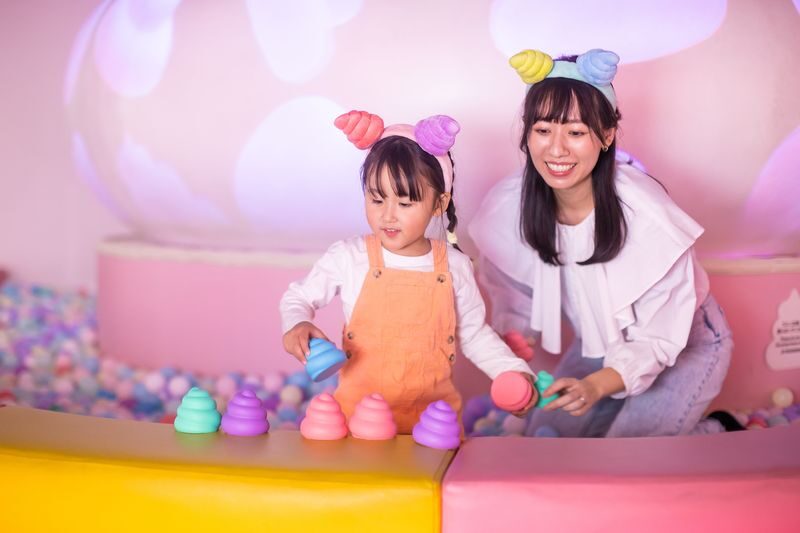
Review the Unko Museum Tokyo: colorful poop art, noisy games, family appeal, ticket value, opening hours, and tips for a visit in Odaiba.
Tokyo’s Unko Museum makes a simple joke its whole subject: unko means poop, and here it comes in bright colors, cute shapes, and enough neon to make the theme impossible to miss. I like the mix of photo sets and hands-on games, and the staff’s lively welcome gives the visit a playful start. Just know that the museum is small, and crowds can make it loud.
I also like that the museum is easy to add to a day in Odaiba, inside DiverCity Tokyo Plaza and close to Tokyo Teleport Station. For children, the chance to shout, play, and take silly photos can make an hour feel full. If you’re an adult without kids, or prefer a quiet museum with substantial exhibits, the price may feel harder to justify.
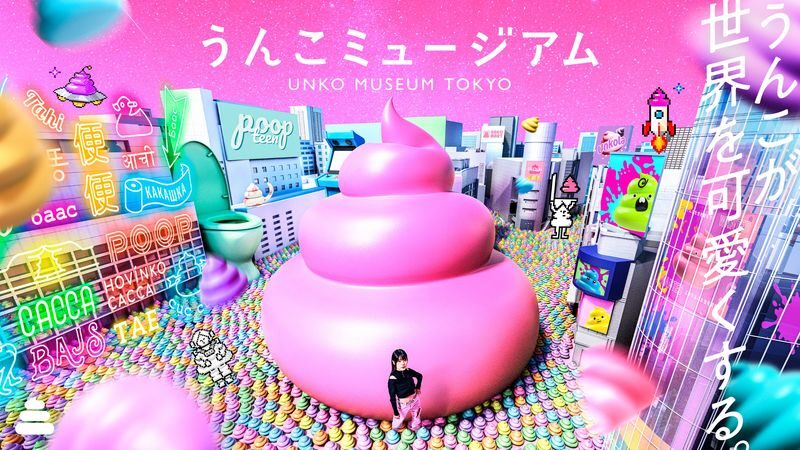
The Unko Museum does not ask you to take the subject seriously. It builds a playful indoor attraction around a word that children find funny and adults may enjoy for the sheer nerve of it. Instead of anything unpleasant or realistic, you get colorful, cartoon-style poop shapes, bright rooms, games, and photo opportunities.
That distinction matters if you’re deciding whether this is a museum in the traditional sense. It is not a quiet gallery of objects with long explanations. It is a compact, participatory attraction where the fun comes from silly settings, quick activities, and the willingness to join in.
The museum is in Odaiba, a waterfront district known for large shopping and entertainment complexes. You’ll find it inside DiverCity Tokyo Plaza, so it can fit neatly into a day in the area rather than requiring a separate trip across Tokyo just for one small attraction.
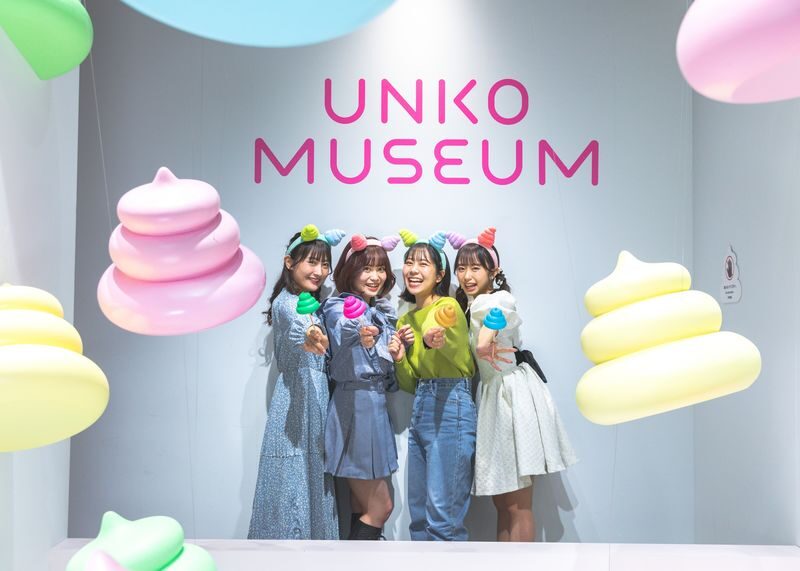
At the entrance, staff may ask you to pretend to take a dump and call out a loud Unkoooooo. It is an intentionally ridiculous way to start, and it signals that the museum is built for participation, not quiet observation.
Staff enthusiasm is one of the experience’s best assets. Their clear instructions and energetic manner help younger children understand what to do, and screens provide explanations in English. If you’re shy, you can still enjoy the displays without turning yourself into the loudest person in the room. But this is not the place to expect hushed gallery manners.
The opening routine also hints at the museum’s limits. The jokes are broad and repeated across the rooms, so the appeal depends on your mood and company. With children who enjoy bathroom humor, that repetition can keep the fun going. If you’re not in the mood for poop jokes, there is not much else to fall back on.
You might also be interested in these Tokyo experiences
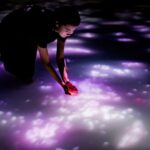
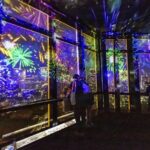
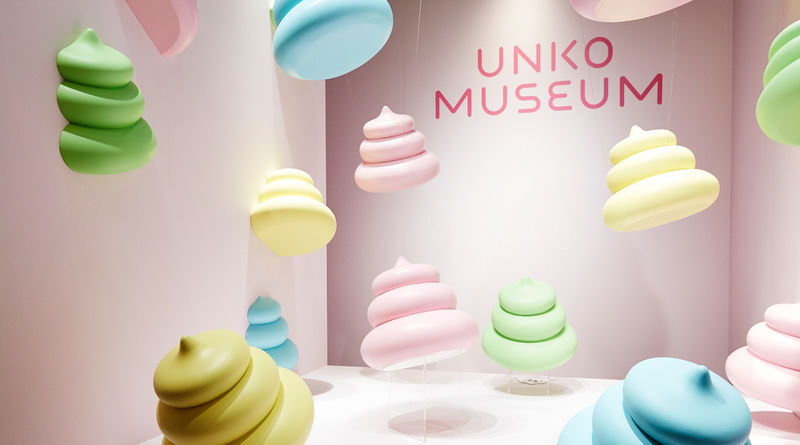
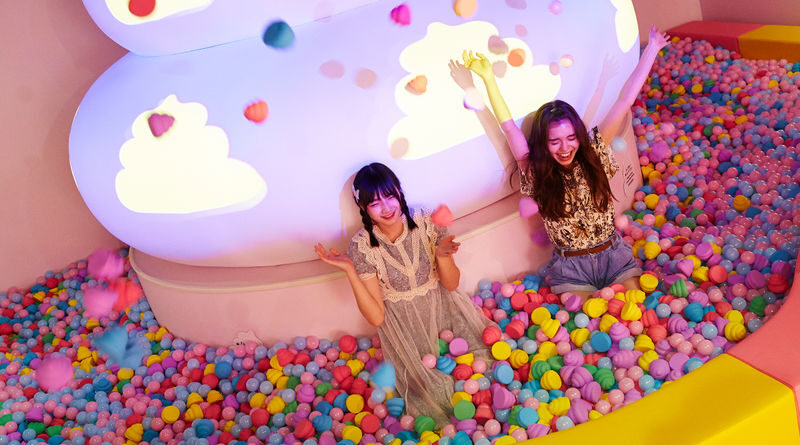
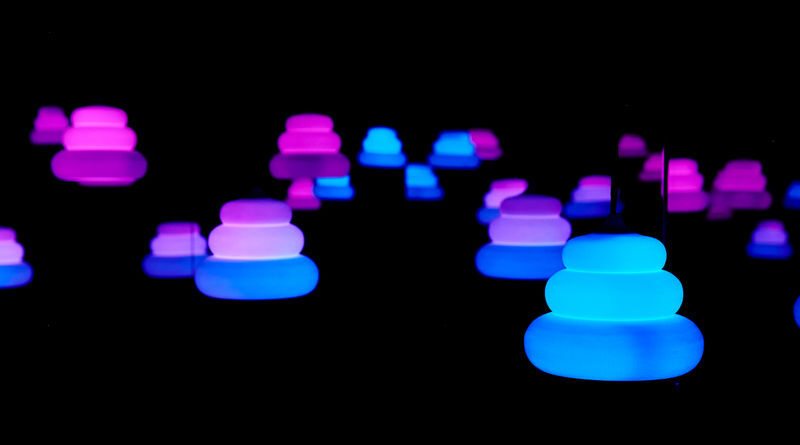
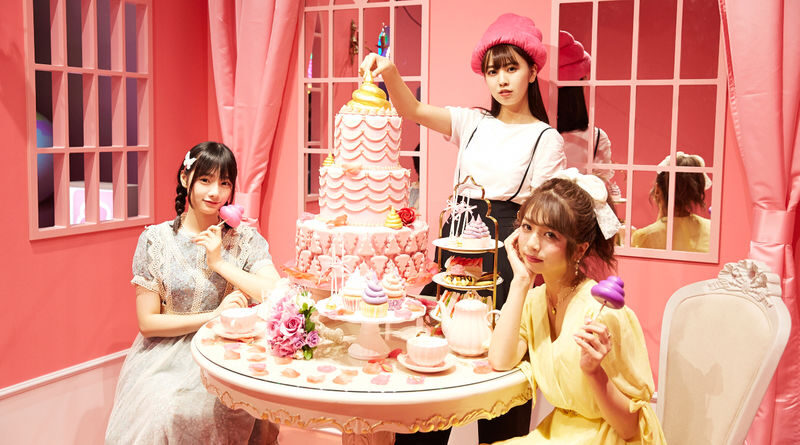
The Unstagenic area is the museum’s photo-friendly section. Its named settings include Poop Volcano, Poop-Lingual Neon Gate, Lovers’ Poop Room, Flying Poop Room, Poop Mart, and The Princess of Poop. The names tell you what you’re getting: colorful backdrops and deliberately absurd scenes, rather than detailed displays to study.
This area makes the most sense if you enjoy taking photos together. You can pose with the installations and make a small collection of oddball souvenirs from your visit, all without needing to understand Japanese. Photography for personal use is allowed.
Keep your expectations in proportion. The photo rooms are part of a small attraction, not a sprawling collection of elaborate sets. When the museum is crowded, people may be waiting to take their turn, and it can be harder to frame a picture or linger over a favorite display. For the best chance to move at your own pace, a weekday morning is the recommended time to visit.
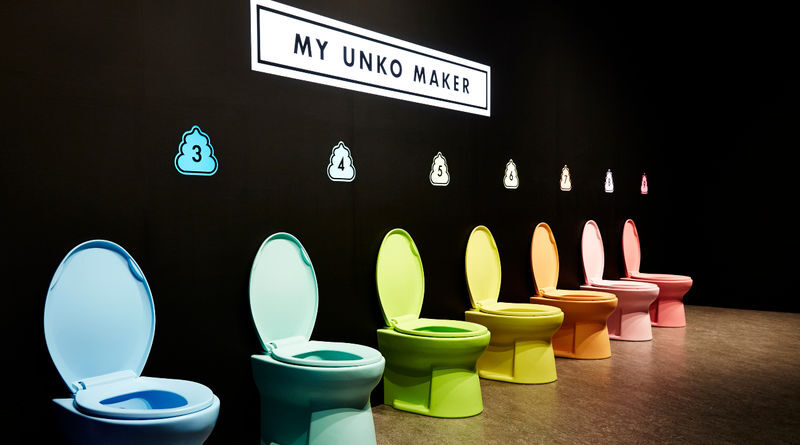
The Unteractive area shifts from posing to playing. In Shout Unko, your voice helps create giant poop shapes on a screen, turning a loud call into part of the action. The Crappy Arcade adds retro-style games to the mix.
These activities are a good fit for children who like to press buttons, shout, and try something more than once. They also make the museum less dependent on reading, which helps if your family speaks different languages. The staff can explain how to take part, and English-language screens are available.
The trade-off is sound. Shouting is part of the activity, and a room full of excited children can get noisy fast. If you or your child is sensitive to noise, this may be the least comfortable section. The space is also limited, so a busy day can make it harder to enjoy each game without feeling crowded.
In Untelligence, you can draw your own poop and see poop-themed art. It is the most creative part of the museum, though the theme remains firmly in the realm of silly. For children who like drawing, it offers a change of pace from the photo rooms and arcade games.
The museum has also added an area with colorful Unko Animals, described as cute, furry characters that children can play with. This gives the visit another child-focused stop, although the available details do not specify the exact activities or how long this section takes.
Taken together, the three zones create a simple route: take photos, try the games, then make or look at poop art. There is no need to rush through in a fixed order. You can revisit the rooms or games that your group likes, but the compact size means the circuit may be quick if you move through without stopping much.
The suggested visit length is 1 to 2 hours, but your actual time depends on how much you engage with the games and photo spots. Some people may be done in 30 to 45 minutes, while a family with children who want to play and pose can spend around 90 minutes or more.
I would not plan this as a half-day attraction. It is better as a light, cheerful stop within an Odaiba outing, or as an indoor activity when you want a break from being outside. The compact layout can be a plus for parents: it is easier to keep an eye on children than in a large museum. The same small footprint can feel cramped when lots of people are in the rooms.
The experience is especially suited to young children and families who enjoy interactive activities. Older children can still have fun, and adults with a taste for silly humor may enjoy the novelty. For couples or adults on their own, the museum is more of a quick curiosity than a major Tokyo highlight. If you’re deciding between this and a more substantial attraction, consider whether the joke itself is enough to carry the visit.
Culture seekers can explore more Tokyo museums and galleries
Tickets start at $12.65 for admission to the attractions. Transport and personal expenses are not included, so factor in your journey to Odaiba and any purchases you choose to make. There is a gift shop with poop-themed souvenirs, but buying something is optional.
For a family, the ticket can feel worthwhile if children spend time with the games, photo sets, and drawing activities. The museum is indoors, which makes it a useful option during hot or rainy weather. If you only walk through the displays, take a few pictures, and leave after 30 minutes, the price may feel steep for the time spent.
The best way to judge the value is to treat this as a short, unusual activity, not a full museum day. It works particularly well when you are already visiting Odaiba. Making a special journey solely for the Unko Museum is a tougher call, especially if your group has little interest in the theme.
The museum is at DiverCity Tokyo Plaza, 2F, 1-1-10 Aomi, Koto-ku, Tokyo 135-0064. From Tokyo Teleport Station on the Rinkai Line, walk about three minutes from Exit B. Daiba Station on the Yurikamome Line is also given as a nearby option, about a five-minute walk away.
The location inside a shopping mall is practical. You can combine your visit with other plans in Odaiba and have indoor space nearby. The ticket covers admission to the attractions only, so plan your transport separately.
Opening hours vary by day. Monday through Friday, the museum is listed as open from 11:00 a.m. to 8:00 p.m., with last admission at 7:00 p.m. Saturday and Sunday hours are 10:00 a.m. to 9:00 p.m., with last admission at 8:00 p.m. Special hours may apply on certain dates, and opening times can change for holidays or events, so check before setting out.
Buy a ticket for your selected date, and check whether it has a specific entry time. The voucher is valid only on that date and time, if applicable, and cancellations or refunds are not available. You can enter by presenting your mobile voucher at the reception desk inside DiverCity Tokyo Plaza.
Children aged 0 to 2 can enter free with a paying adult aged 18 or older. Up to two children in that age group may enter free with one paying adult. Children aged 3 and older need a ticket, and children aged 3 to 6 must be accompanied by a paying adult. Junior high and high school students may be asked to show student identification, and participants may be asked for ID.
There is no luggage storage, so arrive with only what you can comfortably carry. Re-entry is not allowed after you leave, and outside food and drinks are prohibited. Personal photography is allowed, but commercial photography or video, as well as live broadcasting, is strictly prohibited. Masks are at each person’s discretion, though museum staff continue to wear them.
Strollers may be difficult to manage in the limited space, particularly when it is crowded. If you’re bringing a young child, consider the museum’s compact layout and noise level when deciding whether it will be a comfortable stop.
Book it if you have children who love silly jokes, enjoy games, and want a colorful indoor activity in Odaiba. It can also suit adults who are happy to play along and treat the whole thing as a quick, absurd break from conventional sightseeing.
Think twice if you want a large museum, a quiet visit, or strong value from several hours of activity. The best plan is to fit it into a day you are already spending in Odaiba, aim for a weekday morning if possible, and allow about an hour or two while accepting that you may finish sooner. If your group is ready to laugh at a room full of cartoon poop, the ticket buys a memorable change of pace. If not, spend your time elsewhere.
“Super insane fever dream fun with cartoon poop!”
Admission starts at $12.65. The ticket includes admission to the attractions, but transport and personal expenses are not included.
Plan for about 1 to 2 hours. You may finish in 30 to 45 minutes if you move quickly, while children who spend time with the games and photo spots may stay longer.
It is on the second floor of DiverCity Tokyo Plaza at 1-1-10 Aomi, Koto-ku, Tokyo 135-0064.
Take the Rinkai Line to Tokyo Teleport Station and walk about three minutes from Exit B. Daiba Station on the Yurikamome Line is also about a five-minute walk away.
Monday through Friday, it is listed as open from 11:00 a.m. to 8:00 p.m., with last admission at 7:00 p.m. Saturday and Sunday hours are 10:00 a.m. to 9:00 p.m., with last admission at 8:00 p.m. Hours may change for holidays or special events.
Children aged 3 and older need a ticket. Children aged 3 to 6 must be accompanied by a paying adult. Children aged 0 to 2 can enter free with a paying adult aged 18 or older, with up to two children in that age group per paying adult.
Yes, personal photography is allowed. Commercial photography or video and live broadcasting are strictly prohibited.
Outside food and drinks are not allowed. There is no luggage storage facility at the venue.
No. Re-entry is not allowed after you leave the venue.