Physical Address
304 North Cardinal St.
Dorchester Center, MA 02124
Physical Address
304 North Cardinal St.
Dorchester Center, MA 02124

Explore Ubud’s craft villages, Sacred Monkey Forest and Tegallalang terraces on a flexible private day tour with hotel pickup.
Ubud’s appeal is its mix of daily craft, sacred places and working rice fields, and this private tour brings all three into one long day. You’ll visit artisan villages, walk the shaded paths of Sacred Monkey Forest Sanctuary and look out over Tegallalang’s stepped paddies, with a guide to explain what you’re seeing.
I like the combination of hands-on cultural stops and Bali’s best-known natural sights, plus the freedom to ask your guide to adjust the pace or suggest an extra temple, market or viewpoint. One thing to weigh: eight to ten hours in a car and on foot can feel like a full day, and traffic may shape how much time you have at each stop.

The day starts with a pickup from your hotel in one of the listed service areas, including Ubud, Sanur, Kuta, Nusa Dua, Jimbaran, Seminyak and Canggu. Since the tour is private, you can discuss your interests with your guide rather than follow a fixed group pace. English and Korean are listed as guide languages.
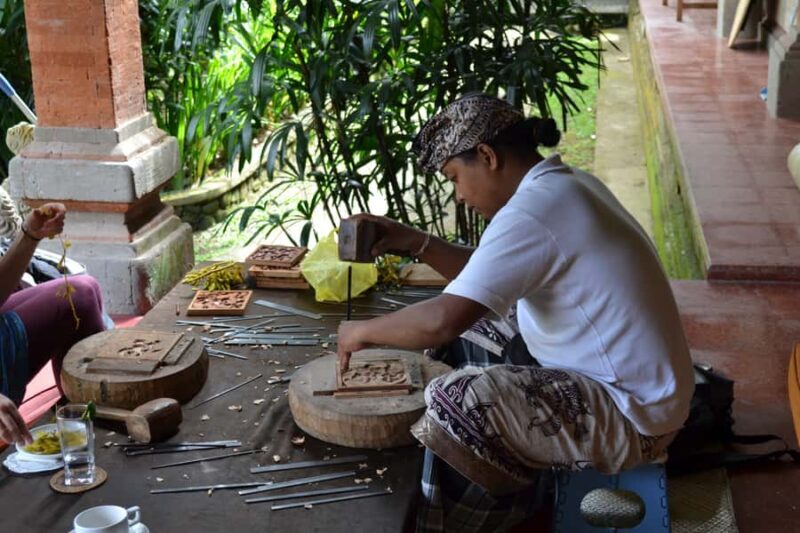
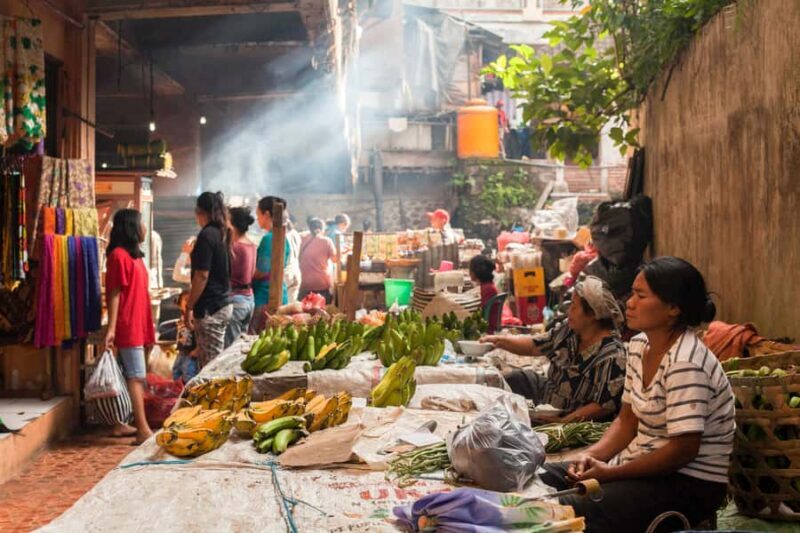
The craft-village visits offer a practical introduction to Ubud’s creative life. Local artisans specialize in woodcarving, silver jewelry and traditional Balinese painting. You can watch people at work, ask how pieces are made and browse items to take home. That is more engaging than simply passing a row of souvenir shops, though buying something is entirely optional.
The itinerary lists a traditional village both before and after the Monkey Forest and rice terraces. Treat that as a sign that village and craft visits are part of the day, not a promise of a particular workshop or a specific sequence. Your guide can explain the planned stops and, within the day’s limits, discuss what interests you most.
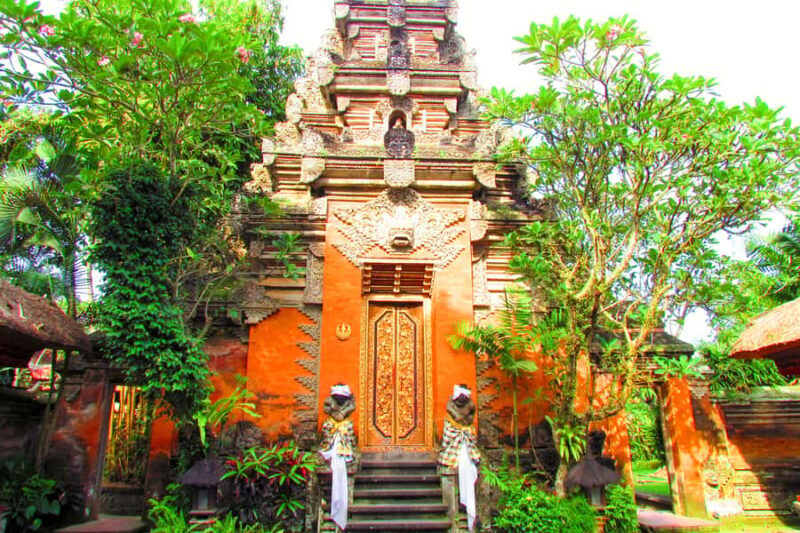
Some past days have included a traditional Balinese house, a coffee plantation or additional craft stops. These are not guaranteed parts of the advertised route, so ask your guide what is possible rather than building your plans around them. The stated highlights are the villages, Monkey Forest and Tegallalang.
Looking for more options in Bali? Here are some other experiences worth considering.
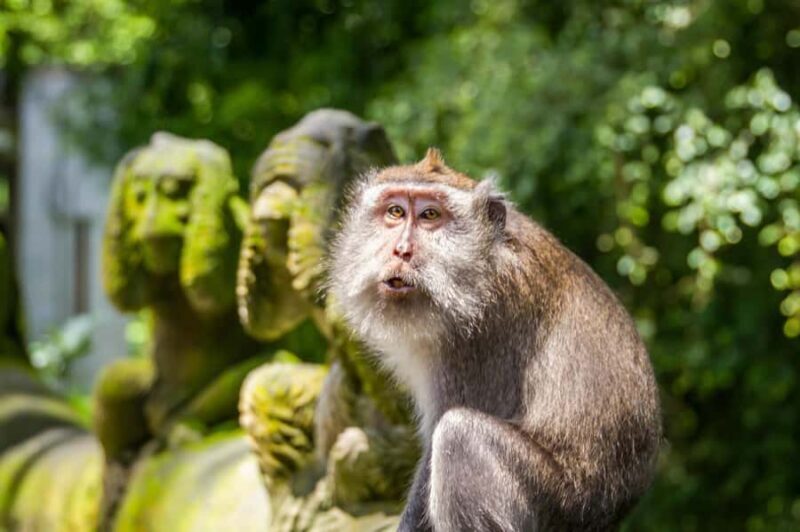
The Sacred Monkey Forest Sanctuary is more than a place to see macaques. Its shaded paths run through a lush setting with centuries-old stone temples, giving the visit both a wildlife and cultural dimension. Your guide can offer context about the monkeys’ place in Balinese mythology while you watch them in their natural environment.
The macaques are wild. Do not feed or touch them, and do not try to ride them. The rules are there for your safety and the animals’ welfare, even when a monkey seems friendly or makes a close approach. Keep your belongings and food secure, and follow instructions from your guide and the sanctuary staff.
This stop is a highlight for many people, but it may not suit everyone. The monkeys are active and unpredictable, so anyone uneasy around animals should keep a little distance and let the guide help set a comfortable pace. There is walking on shaded paths, too, so wear comfortable shoes rather than treating this as a quick stop from the car.
The sanctuary’s popularity can mean other people are on the paths at the same time. If you prefer quieter places, tell your guide. Past guides have sometimes suggested alternatives when a site was crowded, but a different sanctuary is not part of the guaranteed itinerary. Confirm any change before you rely on it.
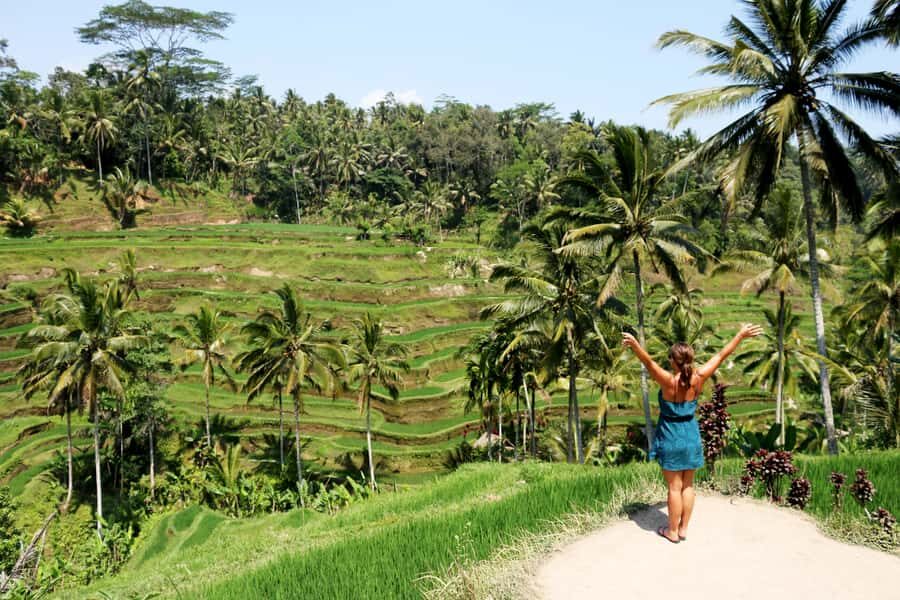
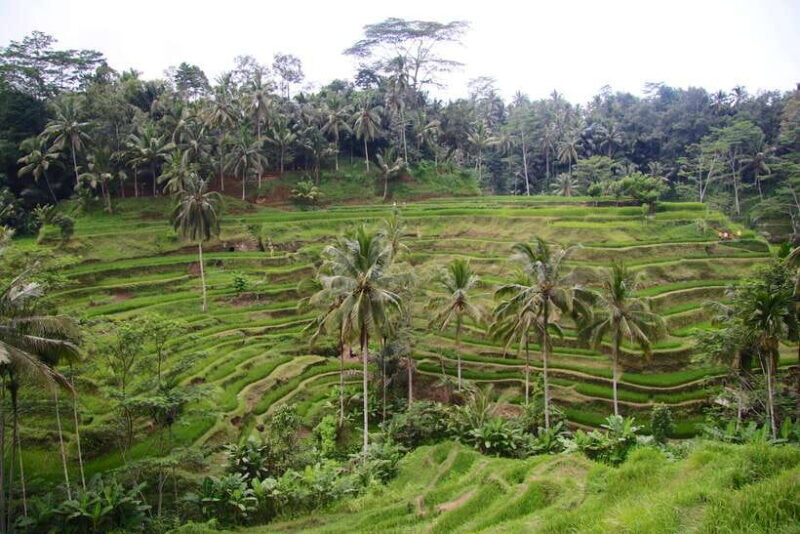
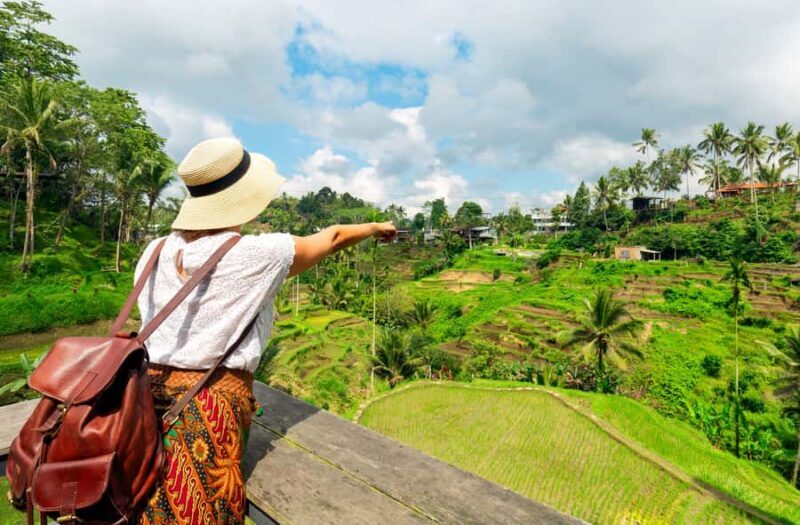
Tegallalang Rice Terrace is one of Bali’s most photographed views, with green fields cut into the valley in a series of descending steps. You’ll have time to walk, take pictures or sit with a coffee overlooking the terraces. The exact balance depends on your pace and the day’s schedule.
The view is worth more when you understand how the fields are watered. Your guide can introduce Subak, the traditional irrigation system associated with Bali’s rice-growing communities. That context turns the terraces from a pretty backdrop into a working agricultural place with a system behind it.
The ground at rice terraces can be uneven, so comfortable walking shoes matter. Bring a hat, sunglasses and sunscreen: this is an outdoor stop, and shade may not cover every path or viewing area. If you want to linger for photos or a coffee, let your guide know, while keeping in mind that the day also includes travel between stops.
The terraces are scenic, but they are not a private viewpoint. Other people may be taking photos, and the conditions can change with weather and traffic. Take time to enjoy the view without expecting every angle to be empty or the fields to look identical in every season.
The private format is the tour’s strongest practical feature. Your guide drives you between stops in an air-conditioned vehicle, handles the route and can make suggestions based on what you like. You can ask questions as you go, and the itinerary may shift to suit your preferences or road conditions.
The guide also shapes the quality of the experience. Visitors have particularly praised guides including Edi, Gede Susila, Pande, Nyoman and Agung for sharing Balinese cultural context, driving carefully, helping with photos and adapting the plan. These are examples of guides who have led the tour, not a guarantee of who will be assigned to your booking.
A few specific strengths are worth looking for in any guide: clear explanations, patience when you want to stop, and a willingness to discuss the day’s plan before you set off. Some guides have also helped choose restaurants or suggested extra sights. Food and drinks are not included, so a lunch stop may be useful, but its cost is yours.
The itinerary is flexible, but flexibility does not cancel out Bali’s traffic. The full day can run eight to ten hours, and road conditions may affect how long you spend at each place. Keep your evening plans loose, especially if you are staying far from Ubud or hoping to add several optional stops.
More Great Tours Nearby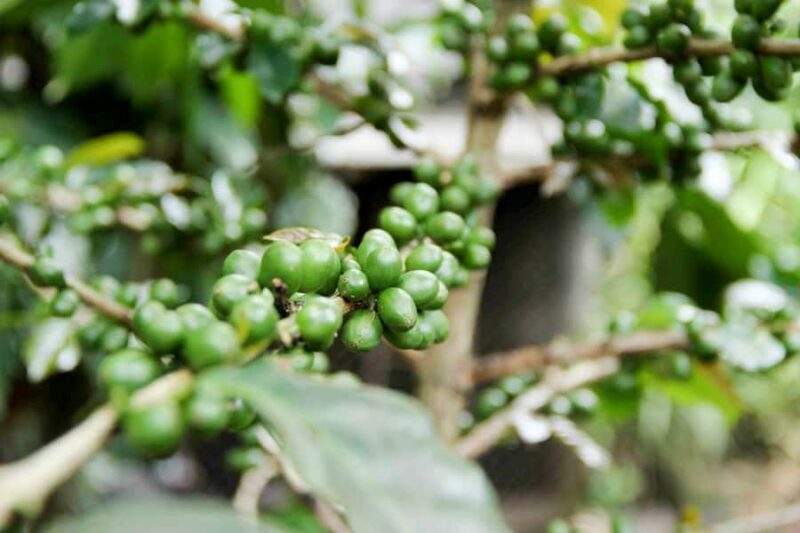
At $42 per person, the tour offers a straightforward way to combine several Ubud-area sights without arranging separate transport and entry tickets yourself. Hotel pickup and drop-off in selected areas, an air-conditioned vehicle, an English-speaking driver-guide and all entrance fees are included. For a private day, those bundled costs make the price attractive, especially if you value having someone manage the route.
Food, drinks and personal expenses are not included. Set aside money for a meal, coffee or anything you choose to buy in the craft villages. Bring cash, as the tour’s practical advice recommends it, but the information provided does not specify which stops accept cards or what purchases will cost.
The pickup and drop-off areas cover a wide stretch of south and central Bali, including Ubud, Sanur, Kuta, Nusa Dua, Jimbaran, Seminyak and Canggu. Confirm that your hotel is in a selected area when booking. If you are staying elsewhere, do not assume pickup is available.
There is free cancellation up to 24 hours before the tour, and you can reserve now and pay later. Those options help if your plans are still taking shape, but they do not change the main trade-off: this is a long, full-day outing rather than a short Ubud visit.
This tour suits a first visit to Bali, a short stay in the Ubud area or anyone who wants a broad introduction without arranging several separate trips. You get art, wildlife, rice fields and cultural interpretation in one day, with a private guide to connect the stops. Families may appreciate the flexibility: guides have been described as accommodating with children, but the walking and macaques still call for supervision.
It is also a good fit if you like to ask questions and adjust plans as you go. The guides’ ability to explain Balinese culture is one of the most consistently valued parts of the experience. If your priority is simply taking photos, you can do that too, but the day is more rewarding when you leave room to hear about the crafts, temples and Subak system.
It is less suitable if you need wheelchair access or are pregnant, as the tour is listed as not suitable for wheelchair users or pregnant women. It may also be a poor match if you dislike animals, heat, walking or long car rides. Bring comfortable clothes and shoes, sun protection and cash, and dress modestly if the day includes a temple visit. Sarongs are provided if needed.
Book it if you want a private, well-rounded day that combines Ubud’s craft traditions with the Monkey Forest and Tegallalang’s rice terraces. At $42, the included transport and entrance fees make it good value, while a flexible guide can help the day feel personal rather than like a checklist.
Think twice if you want a slow visit to just one site, have mobility needs the tour cannot accommodate, or need to be back at a fixed time. Traffic can stretch the day, and optional stops depend on the route and your guide. If the mix of culture, scenery and wildlife sounds right, confirm your pickup area and discuss your priorities at the start of the day.
“We had a great day out our guide Gede Susila was the best and so knowledgeable. Having him made the whole day so much better”
The tour lasts 8 to 10 hours. Traffic and your preferences may affect the schedule.
The main stops are traditional craft villages, the Sacred Monkey Forest Sanctuary and Tegallalang Rice Terrace. A local temple, market or scenic viewpoint may be added depending on your interests and the day’s route.
Yes. Pickup and drop-off are included in selected areas, including Ubud, Sanur, Kuta, Nusa Dua, Jimbaran, Seminyak and Canggu.
The listed live guide languages are English and Korean. The tour information also describes an English-speaking driver-guide.
Yes. Entrance fees are included, along with air-conditioned transportation and hotel pickup and drop-off in selected areas.
No. Food and drinks are not included, and personal expenses are your responsibility.
Bring comfortable shoes and clothes, sunglasses, a sun hat, sunscreen and cash. Comfortable shoes are especially useful for walking in the villages and at the rice terraces.
No. Feeding and touching the animals are not allowed. The macaques are wild, so keep your distance and follow the sanctuary rules.
You can check availability for your dates here: