Physical Address
304 North Cardinal St.
Dorchester Center, MA 02124
Physical Address
304 North Cardinal St.
Dorchester Center, MA 02124

See Arashiyama, Nara’s deer and Fushimi Inari in one day, with bus transport, flexible Kyoto or Osaka departures, and practical tips.
Nara’s deer, Arashiyama’s bamboo and Fushimi Inari’s endless red gates make a memorable trio, but they sit in different parts of the Kansai region. This tour puts all three within reach in one day, with bus transport from Osaka or Kyoto and time to explore each stop on your own.
I like two things in particular: you avoid stitching together several train and bus trips, and the planned stops give you meaningful time at each site, including about 150 minutes in Arashiyama. Guides such as Zoey, Nimo and Nathaniel have led recent departures, with clear instructions and helpful local tips.
The trade-off is a full day with a fixed pace. Traffic and crowds can eat into sightseeing time, and the operator may adjust the schedule. If you want a slow visit to every temple and trail, choose fewer stops and travel independently.
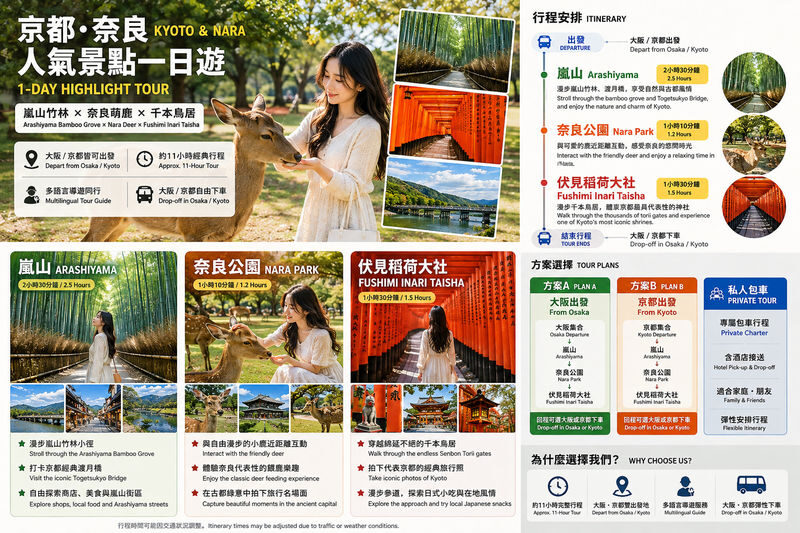
This is a sightseeing sampler rather than a deep visit to Kyoto and Nara. Its strength is practical: you can see three places that would take more planning to link by public transport, without spending the day checking connections or finding your way between stations.
The route combines very different moods. Arashiyama is known for its bamboo grove and mountain-and-river scenery; Nara Park brings you face to face with free-roaming deer; Fushimi Inari is a shrine complex famous for its bright red torii gates. The contrast keeps the day lively, while the bus gives your feet a break between stops.
The guided portion is mainly about getting everyone to the right places and back on time. At each attraction, you explore independently. That suits you if you enjoy choosing your own path and pace, but it means you should not expect a guide to walk beside you through each site.
Looking for more options in Kyoto? Here are some other experiences worth considering.
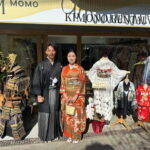
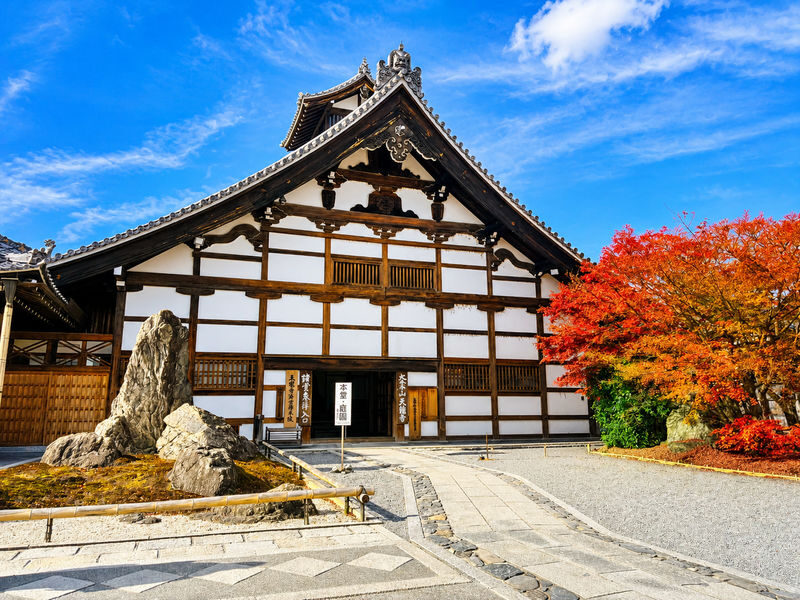
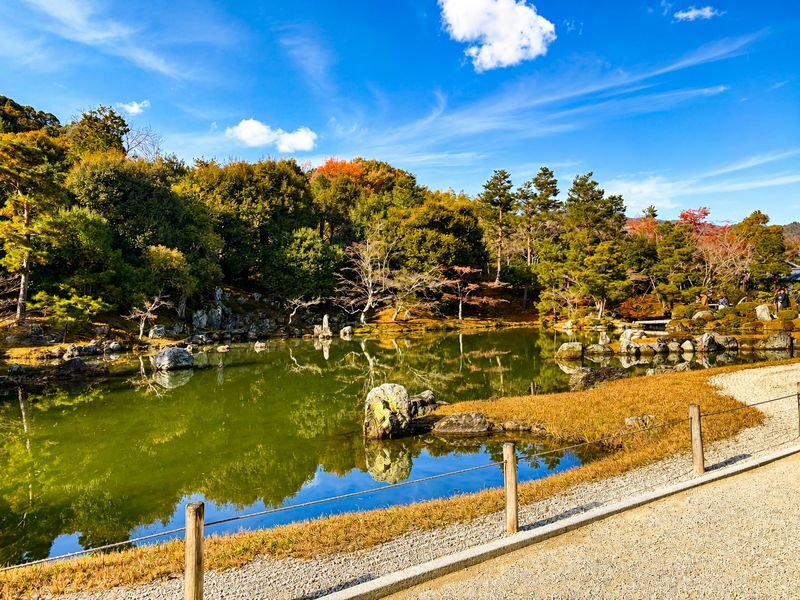
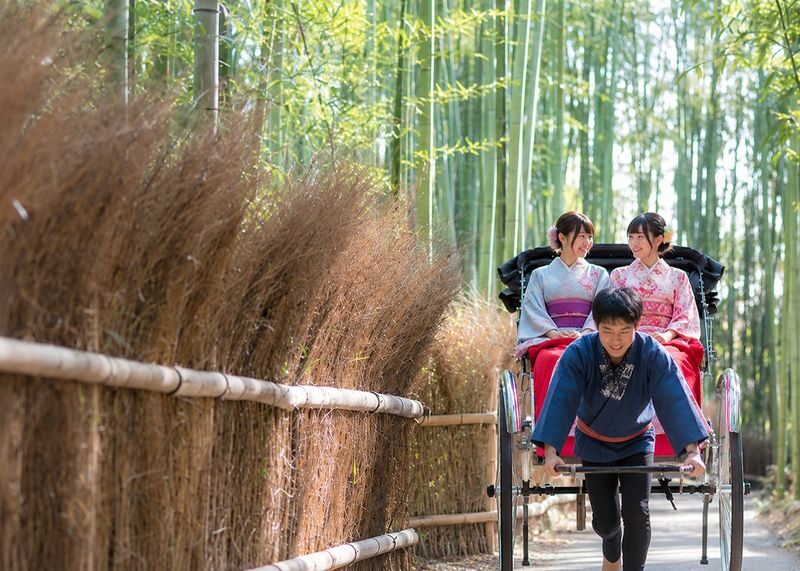
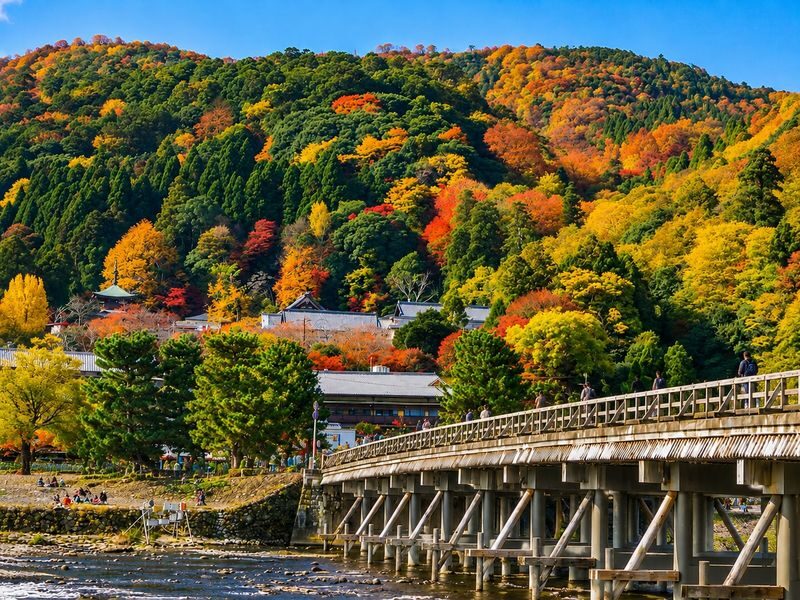
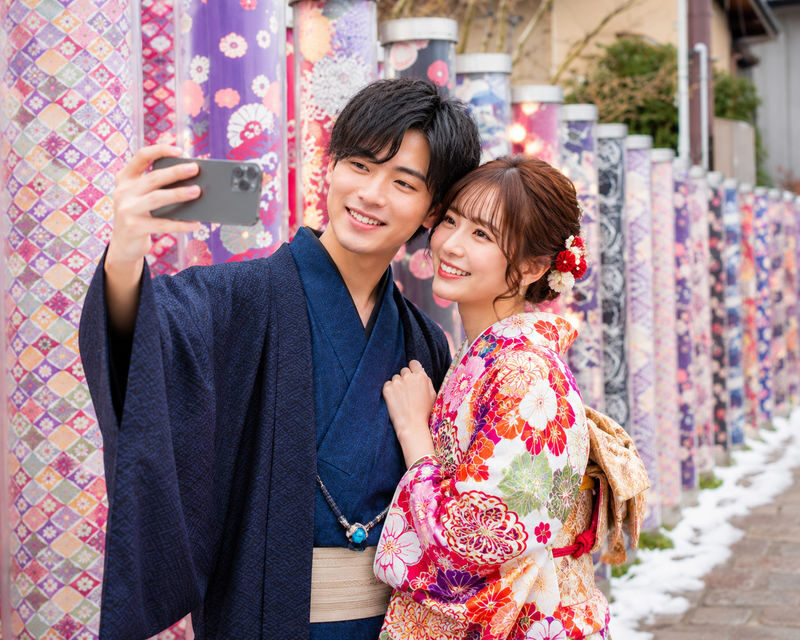
Arashiyama offers more than one famous photo spot. The bamboo grove is the headline, but the area also includes Togetsukyo Bridge, Tenryu-ji Temple, Nonomiya Shrine and the Kimono Forest. The tour’s planned 150 minutes give you a useful stretch of time to walk, eat and take in some of the district.
The bamboo path is atmospheric, but it is also a popular stop. If you want photos without rushing, set a simple priority before you arrive: head straight to the grove, then decide whether to spend your remaining time at the bridge, temple or nearby paths. A broad itinerary does not guarantee that you can see every listed attraction in depth.
Togetsukyo Bridge is a good place to pause and take in the scenery around the river and hills. Its appearance changes with the seasons, and it offers a different view from the enclosed feel of the bamboo path. Tenryu-ji, a major temple in the area, may be a good choice if you want to add a cultural stop, but time is limited. One recent account found the temple and grove portion tight, so choose your priorities rather than trying to tick off everything.
The tour description places Arashiyama after Nara, despite its own opening summary describing it as the first stop. The order may vary with the day’s schedule. Either way, the allotted time is the more useful planning detail: roughly two and a half hours, subject to traffic and operational changes.
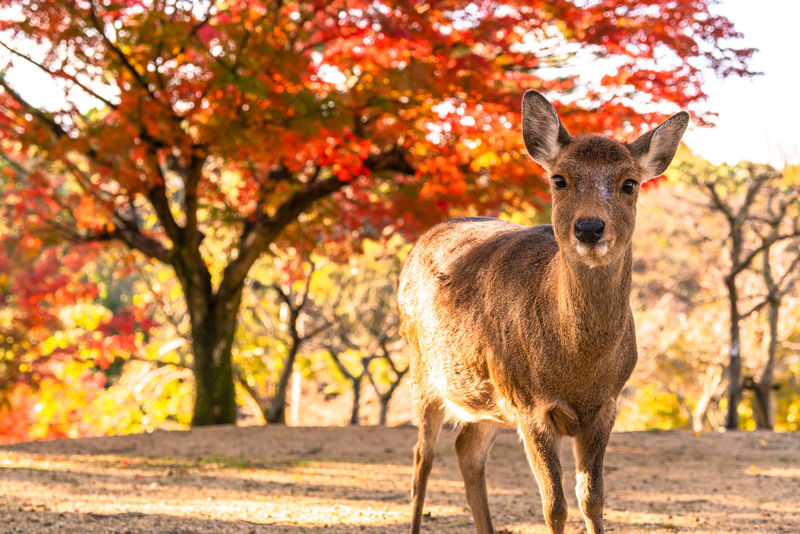
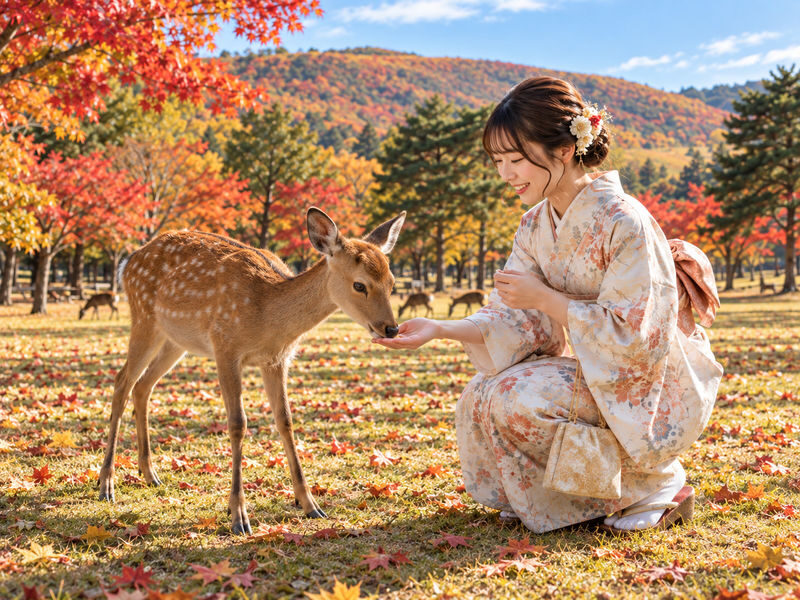
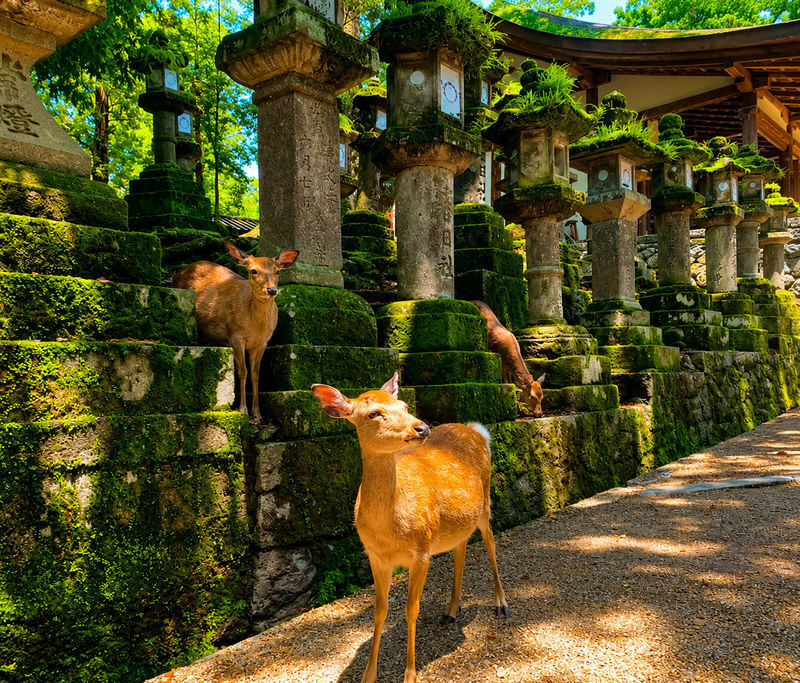
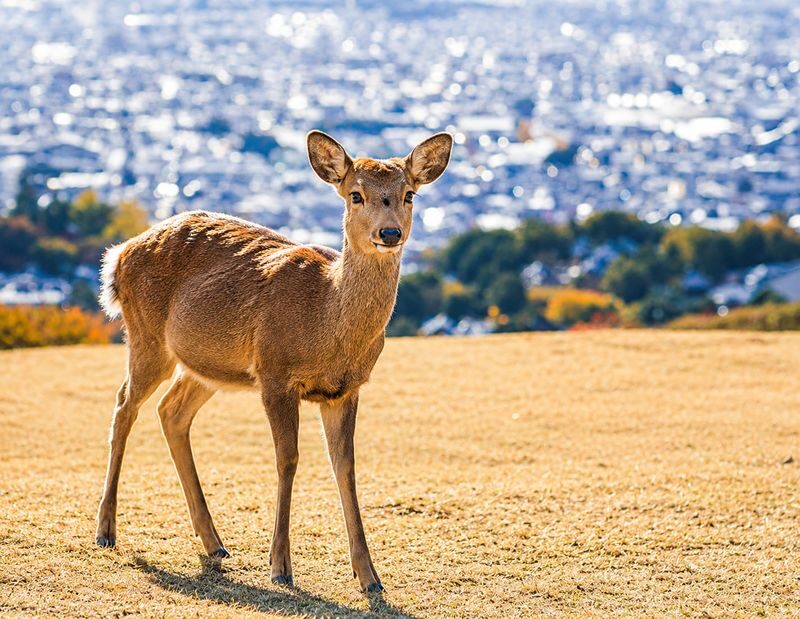
Nara Park is a wide green space near Kasuga Taisha Shrine, Kofuku-ji and Mount Wakakusa. Deer have been associated with the area for more than 1,300 years and are regarded as divine messengers. Today they are also a National Natural Monument, and they are very much part of the park’s daily scene.
The planned stop is about 70 minutes. That is enough for a walk among the deer and a snack break, but it is not a full visit to every nearby shrine or temple. If you want to see Kasuga Taisha or Kofuku-ji, keep an eye on the clock and be realistic about how far you can go.
You can buy deer crackers in the park and feed the animals. They may approach quickly when they see food, so hold only a small amount at a time and follow posted instructions. The deer are entertaining, but they are wild animals, not plush toys. Keep food tucked away until you are ready, and give them room if the attention gets too enthusiastic.
This is often the most playful part of the day. It is also the stop where a little care makes a difference: do not tease the deer with food, and keep your belongings close while you interact with them.
Fushimi Inari Taisha is the head shrine of Japan’s Inari shrines and dates to 711 AD. Its most familiar feature is the long sequence of vermilion torii gates, with thousands lining paths into the forested mountain grounds. The gates create a striking tunnel effect, but the site is more than a photo backdrop: the whole mountain is sacred.
The planned visit lasts about 90 minutes. That gives you time to walk part of the approach, take photos and browse the teahouses and souvenir shops. It is not enough for a leisurely hike across the entire mountain. If you want to climb higher, watch the time closely and be ready to turn back early enough to meet the group.
The approach can be crowded, especially at the best-known photo points. A useful approach is to keep moving beyond the first busy stretch before stopping for pictures. You will still see the famous gates, and you may find it easier to pause without blocking the path.
Japanese sweets and local snacks are available along the approach. Meals are not included, so this is a handy place to buy a small bite, though you should not count on a long sit-down meal before departure.
The tour lasts about 8.5 hours, with a stated departure time of 08:40. You meet at the designated point rather than joining from an unlisted location, and the Osaka and Kyoto options have different arrangements. Check the specific plan on your booking confirmation, then arrive 15 minutes early. The bus leaves on time and will not wait for late arrivals.
The return is scheduled for about 17:05 at Kyoto Station’s Hachijo Exit sightseeing bus parking area, or about 18:20 at the listed Dotonbori drop-off in Osaka. These are estimates, not appointments. The operator warns that traffic and weather can change arrival times, so avoid making a tight dinner reservation, transfer or other fixed plan for that evening.
The vehicle may be a small group van or a larger bus, depending on how many people book. For groups of 4 to 13, the arrangement may be a driver-guide; for groups of 14 to 45, it may be a driver and separate guide. The guide’s main responsibility can depend on that setup, so expect help with coordination and information, not constant commentary at every stop.
Guides named on recent departures include Zoey, Nimo, Nathaniel, Yu Qihang and Hua Hua. The person leading your tour will vary. The service lists Chinese, English and Japanese, but the actual explanation language is set by the operator for the day and is not guaranteed to match a particular language request.
At a starting price of $44.85, the tour can be good value if you want to visit all three destinations in a single day. Transport, tolls, parking and fuel are included, and that bundled travel saves you from arranging several connections yourself. The trade-off is a shared schedule and self-guided time at the attractions.
Meals, drinks, shrine or temple admission where applicable, deer crackers, souvenirs and tips are extra. The tour does not promise a specific attraction entry ticket, so budget for personal costs and check admission details if you plan to enter a particular site.
The value depends on how you like to travel. If your priority is seeing the best-known sights with minimal transport planning, the price is appealing. If you prefer long temple visits, unhurried meals or a mountain hike at Fushimi Inari, you may get more from a slower independent trip, even if it takes more planning.
Wear comfortable shoes. The tour includes considerable walking, and the grounds at Nara, Arashiyama and Fushimi Inari are not all flat, smooth paths. Dress for the season and weather, since outdoor time is a large part of the day.
You can bring one standard piece of luggage per person at no charge. Additional pieces cost ¥2,000 each, payable to the driver, and you must tell the operator in advance. If your luggage exceeds the vehicle’s capacity, boarding may be refused without a refund.
Children aged three and older pay the adult rate. Children aged zero to two can join free if they do not need a separate seat, but you must tell the operator in advance. There are no child seats, and this activity is not stroller-friendly or wheelchair-accessible.
There is a notable condition to check: the activity information describes departures as guaranteed, but also says the operator may cancel if fewer than four people have booked. If that happens, you can expect a rescheduled tour or refund. Check your pre-departure message for the final meeting point, guide details and timing. If you do not receive it by 21:00 Japan time on the day before departure, check your spam folder and contact the operator.
If you plan to get off in Kyoto, teamLab Biovortex is advertised as a possible after-tour visit, but it is separate from the tour. It closes at 21:00, with last entry at 19:30, and the suggested visit takes two to three hours. Since the bus is due at Kyoto Station around 17:05, the timing may allow a shorter visit, but traffic delays could cut into it. Buy a ticket in advance and leave room for the possibility that the bus arrives late.
Book it if you have one day, want to see Nara’s deer and Kyoto’s signature sights, and value simple transport over complete freedom. It is especially useful if you are staying in Osaka or Kyoto and would rather not work out a multi-stop route yourself.
Think twice if you want an unhurried temple visit, a long hike up Fushimi Inari or a full day in Arashiyama. The tour covers a lot, but it cannot make the crowds, road traffic or walking disappear. For a first pass through the region, the combination is a practical deal. For a slower, more personal visit, pick one or two stops and give them the day.
“Our guide Yu Qihang was pleasant and had unrivaled patience. He was available and attentive to our requests. We had a wonderful day.”
The experience is listed as 8.5 hours. The stated schedule begins at 08:40, with return times of about 17:05 in Kyoto or 18:20 in Osaka. Actual arrival times can change with traffic and weather.
Departure options include Osaka and Kyoto. The meeting point depends on the package you book, so check your confirmation and the operator’s pre-departure message.
The planned stops are about 70 minutes at Nara Park, 150 minutes in Arashiyama and 90 minutes at Fushimi Inari Taisha. The order and timing may change.
No. The stops are listed as self-guided, so you explore on your own. The guide helps coordinate the tour and may share information during the day.
Transport, toll fees, parking fees, fuel and a Chinese-, English- or Japanese-speaking guide are listed as included. Meals, drinks, tips and personal expenses are extra.
Yes. Deer crackers are available for purchase at the park. The deer are wild animals, so follow local instructions and give them space.
Each person may bring one standard-sized piece of luggage free of charge. Additional luggage costs ¥2,000 per piece and must be noted in advance. The driver may refuse luggage that exceeds the vehicle’s capacity.
Children aged zero to two may join free without a separate seat, but the operator must be notified in advance. Children aged three and older pay the adult rate. The tour has no child seats and is not stroller-friendly or wheelchair-accessible.