Physical Address
304 North Cardinal St.
Dorchester Center, MA 02124
Physical Address
304 North Cardinal St.
Dorchester Center, MA 02124


Walk Cat Cat Village with a local guide, learn about Hmong culture, and see waterfalls, traditional crafts, and steep village paths.
Cat Cat Village is more than a pretty walk downhill from Sapa. A local guide can help you make sense of what you see, from Hmong clothing and textile work to village life, while the route passes scenic paths and waterfalls. I especially like the cultural explanations and the chance to explore on foot rather than simply arrive, take a few photos, and leave.
I also like that this is a half-day outing: it gives you time for Cat Cat without using up the whole day. Guides named Chang, Khu, Cat, Dao, and Zi are often praised for clear English, a friendly manner, and help with photos. The trade-off is that Cat Cat is a developed visitor destination, not an untouched village, and the steep steps can be hard work.
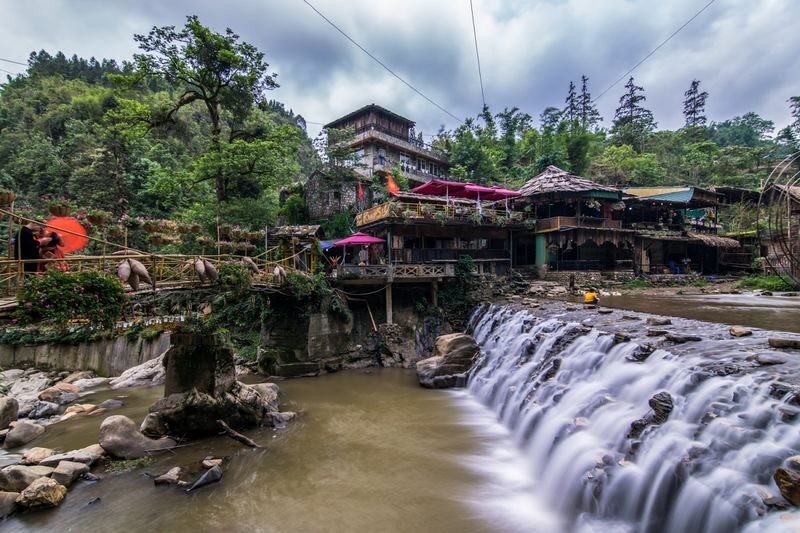
Cat Cat Village sits near Sapa and is known for its Hmong culture, scenic paths, and waterfalls. This half-day guided tour is best understood as a walking visit with cultural interpretation, not a remote trek or a private encounter with village life. You’ll see a place that has been developed for visitors, and the guide can help explain what lies behind the sights.
That distinction matters. It’s easy to admire traditional clothing or watch a craft demonstration without understanding how the work fits into local life. Guides on this tour have explained Hmong traditions, the making of clothing, and the time involved in sewing by hand. One example shared on the walk was that a single clothing pattern can take one to two months to complete. That kind of detail gives you something more useful than a quick photo stop.
The experience depends in part on your guide. Chang, Khu, Cat, Dao, Zi, Su, and Mu are among the names associated with tours, and visitors especially value clear explanations, a patient pace, and a friendly approach. The guide can make the walk feel like a conversation about the community, rather than a route to follow from one viewpoint to the next.
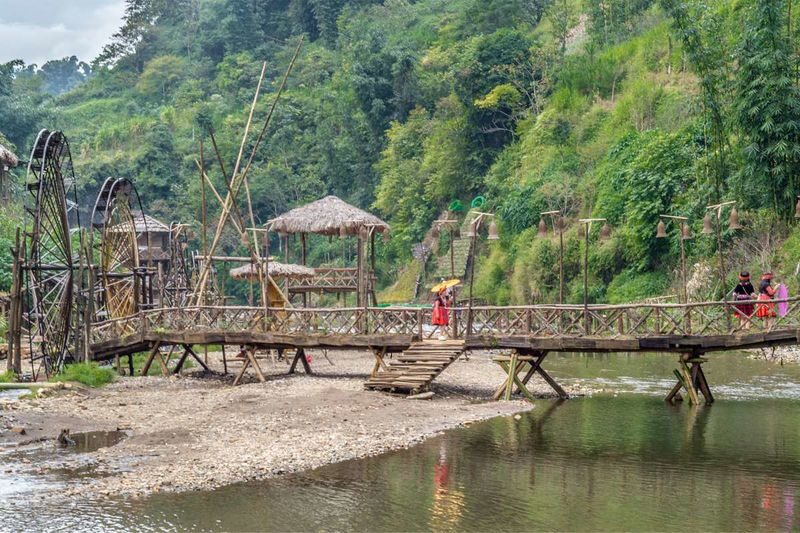
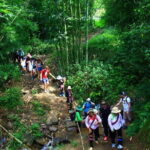
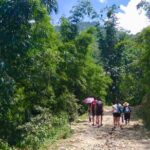
Cat Cat involves a substantial number of stairs and uneven village paths. The route is often described as walking downhill into the village, with a shorter uphill section to reach the bus pickup afterward. That makes the outing manageable for many people, but it is not a flat stroll. Wear sturdy, comfortable shoes, and take extra care if the paths are muddy after rain.
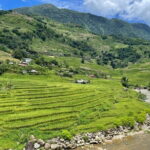
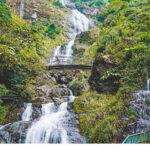
The scenery is a big part of the appeal. You may pass terraced fields and reach waterfalls, with plenty of chances to pause for pictures. Some guides are happy to help with photos and point out good places to stop. If you enjoy taking your time, say so early. A brisk guide or a tight group schedule can make it harder to linger at every stall or viewpoint.
The route can also be hot, wet, or both, depending on the weather. A light rain can turn the paths muddy, while warm conditions make the stairs more tiring. Bring water and dress for walking. The tour information provided does not confirm that water is supplied, so it’s sensible to carry your own.
If you prefer having a local expert, these guided Sapa experiences could work well
The most valuable part of a guided visit is often the explanation, not the object in front of you. A guide can introduce the Hmong community and talk about traditions, clothing, and everyday life. You may see how traditional garments are made, including textile weaving and dyeing. These stops help connect the craft to the people who practice it.
There may also be a chance to visit a house or see a dance performance. Those details are not guaranteed for every departure, so treat them as possibilities rather than fixed parts of the route. If they matter to you, check what is included before booking. The half-day format means the guide has to balance stops, walking, and group pace, and the exact time spent at each place can vary.
Some visitors appreciate the guide’s local perspective in particular. For example, a guide may talk about sewing clothes for her own family and how the same work was passed down from her mother. Stories like that make traditional clothing feel less like a display and more like a living skill.
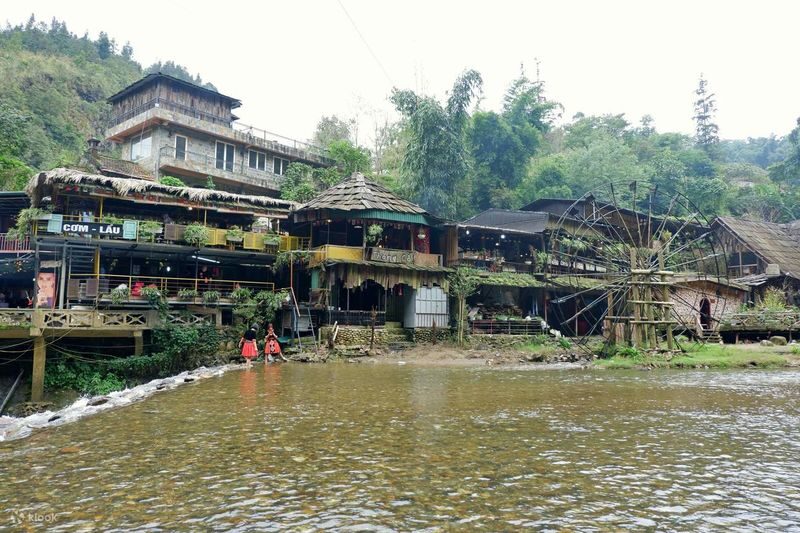
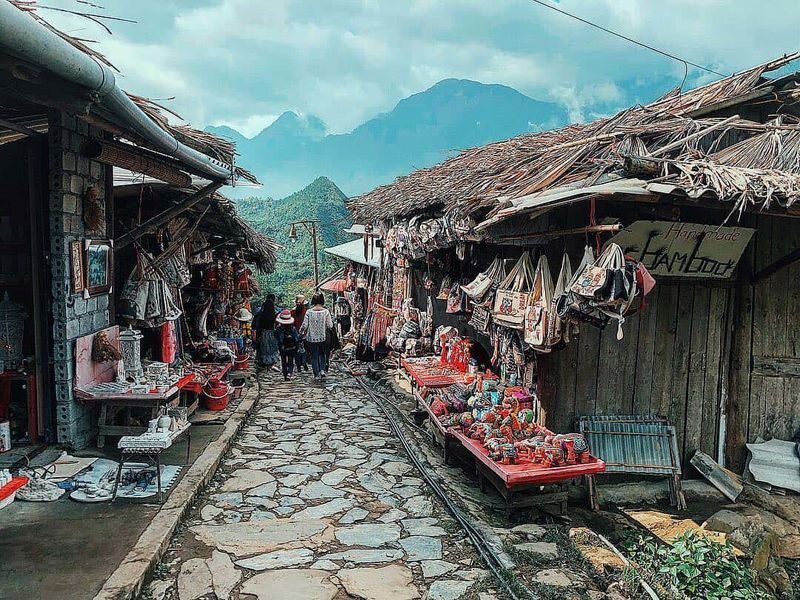
Cat Cat has been developed into a visitor destination, and you should go with open eyes. There are stalls, photo opportunities, and attractions alongside village scenery and cultural demonstrations. Some of the goods on sale may feel mass-produced or similar to items found elsewhere in Vietnam. If you are hoping for an uncommercial village visit, this may not be the right outing.
Still, the tourist setup does not erase every worthwhile encounter. A guide can help you separate a staged stop from a useful cultural explanation, and you can support local makers if you find textiles or crafts that are genuinely handmade. Ask about the process and the person who made an item before buying. A thoughtful purchase can be a better souvenir than a rushed stop at a row of generic stalls.
Some additional attractions, such as a rainbow slide, may be part of the visitor area. Do not assume they are included in the tour or that your guide will stop there. If you want to try an activity or browse at length, ask about free time and the route before setting off.

The tour starts at $21.75, a modest entry point for a half-day activity in Sapa. The best value comes from the guide’s local insight, clear explanations, and help managing the route. It can be especially worthwhile if you want to understand Hmong culture rather than simply walk through the village and take pictures.
At the same time, Cat Cat is accessible to independent visitors, and some people may prefer to go on their own. If you mainly want to see the scenery, shop, and move at your own pace, a self-guided visit could suit you better. The tour makes more sense if you value having a guide explain what you are seeing and keep the walk organized.
The information provided does not spell out every inclusion, such as the village entry fee, transport, or whether a shared vehicle is used. Check those details before paying, particularly if pickup arrangements matter to you. A pickup point can be inconvenient if you have young children, mobility concerns, or heavy rain, so confirm the meeting location rather than relying on assumptions.
Arrive ready to walk. Comfortable shoes are the most useful choice, and a small bottle of water is a practical extra. If rain is in the forecast, expect muddy paths and consider clothing you don’t mind getting dirty. Keep your camera accessible, but leave yourself time to look around without viewing every stop through a screen.
Tell your guide what you care about. If you want more explanation of Hmong traditions, ask questions. If you prefer time for photos or want to browse stalls, make that clear early. Guides such as Chang and Cat are often praised for helping with pictures and adapting to people’s needs, but the pace still depends on the group and the day.
Be respectful when taking photographs of people and homes. A guided visit offers a glimpse of community life, but it is still someone’s home and workplace. Follow your guide’s advice, ask before photographing people, and avoid treating the village as a backdrop alone.
You might also be interested in these Sapa experiences
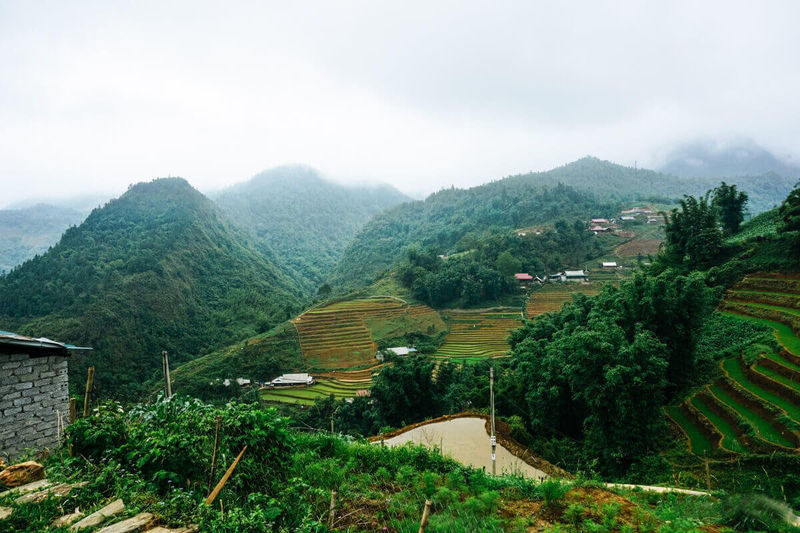
This tour suits you if you have a half-day in Sapa and want a guided introduction to Cat Cat’s scenery and Hmong culture. It is a good fit for first-time visitors who value explanation, appreciate having someone manage the route, or want help understanding textile traditions and local customs.
It may be less satisfying if you want a quiet, undeveloped village or prefer to set your own pace. The stairs are also worth considering if you have difficulty walking downhill or uphill. For a more active outing, you could compare it with a trekking tour; for a wider Sapa day, other options include Fansipan cable car trips and tours that combine Cat Cat with other attractions.
“Our guide, Zi, she was so good. She always pays attention to us, and she's so excellent in her job. Today's trip to Cat cat village was so fun and …”
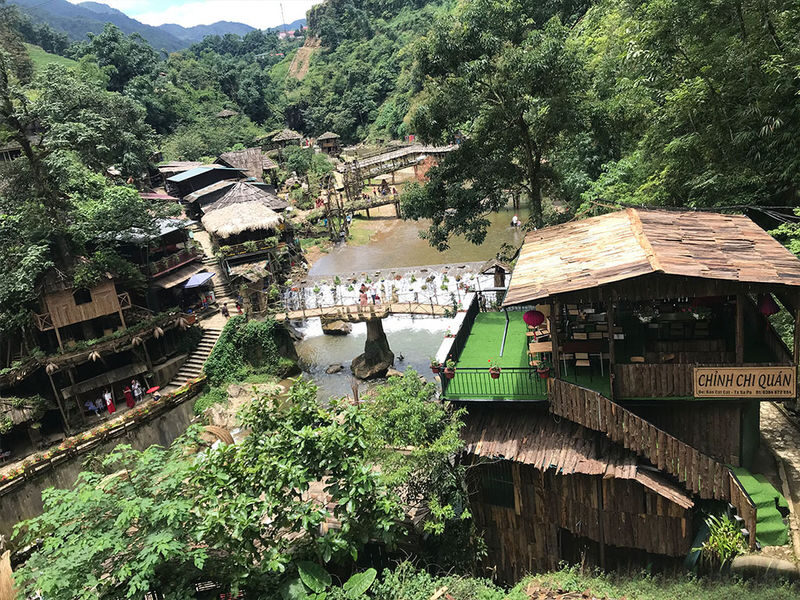
It is described as a half-day guided tour. Exact start and finish times are not specified.
The tour visits Cat Cat Village near Sapa, Vietnam.
The listed starting price is $21.75. The information provided does not specify which extras, if any, cost more.
Same-day booking is offered, with confirmation within 24 hours.
You can receive a full refund if you cancel at least 24 hours before the activity date, using destination local time.
Guide names associated with the experience include Chang, Khu, Cat, Dao, Zi, Su, and Mu. A particular guide is not guaranteed.
The village route includes many stairs and steep paths. The walk may be muddy after rain.
Those inclusions are not specified in the information provided. Confirm them before booking.