Physical Address
304 North Cardinal St.
Dorchester Center, MA 02124
Physical Address
304 North Cardinal St.
Dorchester Center, MA 02124

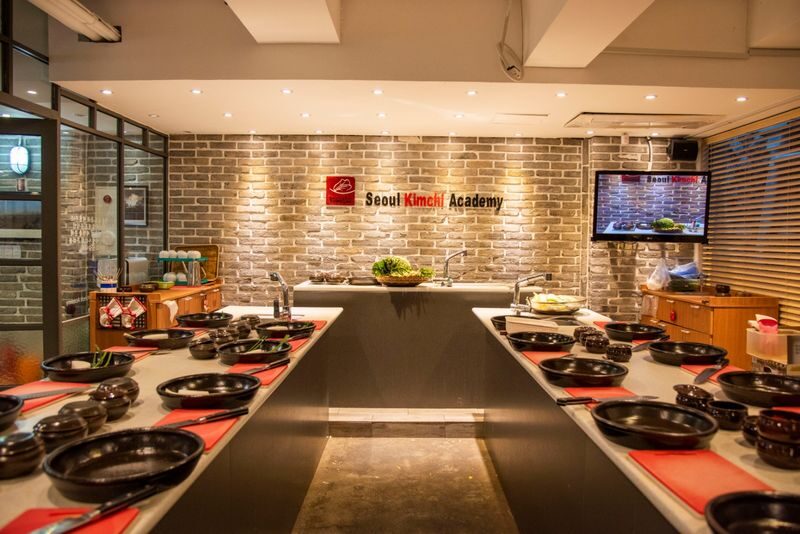
Make cabbage kimchi in a Seoul hanok, hear its cultural story, sip tea, and taste kimchi pancake in this hands-on cooking class.
Kimchi is more than a side dish here: you’ll handle the cabbage, spread on its seasoning, and leave with a batch of your own. I like the hands-on lesson and the tea-and-pancake finish, which make this a compact introduction to Korean food culture, not just a cooking demo.
The class takes place in a hanok in Jongno-gu, and instructors teach in Korean, Chinese, English, and Japanese. One practical catch: the address can be hard to find, and the walk from Gwanghwamun Station is about 15 to 20 minutes.
Seoul’s food culture is easy to sample at restaurants, but making a dish yourself gives you a different kind of introduction. This class is brief and practical: instead of watching a chef work from a distance, you take part in making one of Korea’s best-known foods.
The focus is cabbage kimchi, and the class is designed for beginners. You don’t need prior cooking experience. The instructor demonstrates each stage, explains what you’re doing, and helps as you go. Some sessions are small enough for individual attention, though the group size can vary.
The teaching is more than a recipe recital. Kimchi has a long place in Korean food traditions, and the instructor connects the steps to its history and modern role. That context helps you understand why preparing it is a useful cultural activity, rather than simply a way to fill an hour.
The regular course lasts about 30 to 40 minutes for the kimchi-making portion. Tea and the pancake tasting add a little more time, though the whole visit is still short enough to fit into a busy Seoul day.
Looking for more options in Seoul? Here are some other experiences worth considering.
The class address is 24 Gyeonghuigung 3 Na gil, Jongno-gu, Seoul. It’s in a residential area, and the house number may not be easy to spot. The street address alone has caused confusion, and even taxi drivers have had trouble finding the exact door.
From Gwanghwamun Station, allow roughly 15 to 20 minutes on foot. Check the address and route before you leave, and give yourself extra time to get your bearings. Don’t assume that a taxi will take you straight to the entrance.
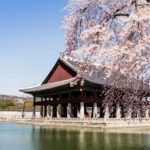
The setting is a traditional hanok, which gives the activity a more local feel than a class in a standard cooking studio. You may have tea in the garden before or after the lesson, depending on the flow of the session. The hanok is a pleasant change of scene, but the location’s charm doesn’t cancel out the practical challenge of finding it.
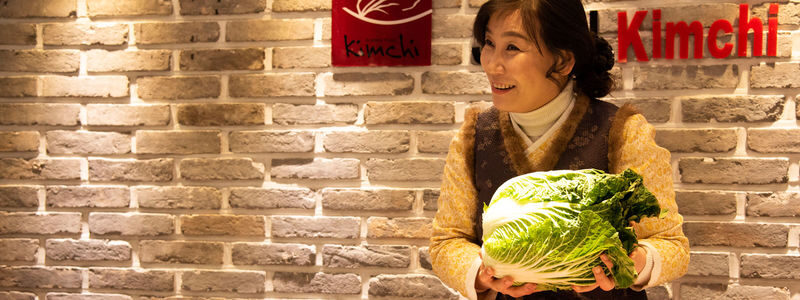
The regular course begins with tea and a welcome from the instructor. This is a chance to settle in and hear what you’ll be making. Instructors are described as friendly and clear, with language support in Korean, Chinese, English, and Japanese. Some can explain the process in more than one language during a mixed-language class.
Next comes an introduction to kimchi and its cultural background. You’ll hear about how the dish is made and stored, along with facts about its place in Korean cooking. The cultural explanation is an important part of the experience: it gives you a reason to pay attention to each step, not just copy a set of movements.
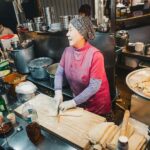
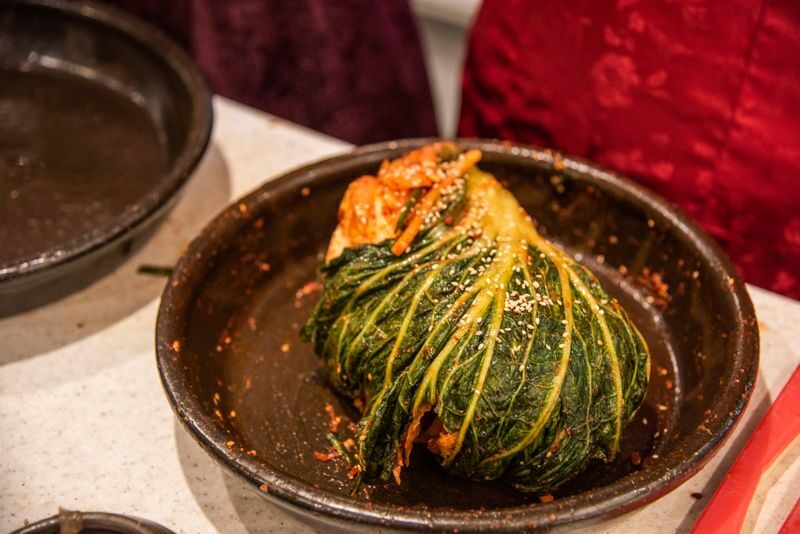
The teacher then walks you through the process. Ingredients are prepared for participants, and you’ll do hands-on work such as cutting, seasoning, and layering the mixture between cabbage leaves. Expect to get messy. That’s part of the point: you’re learning through touch and practice, not simply taking notes.
The instructor is there to guide you if you’re unsure how much seasoning to use or how to handle the leaves. Instructors have also helped with photos and videos, which can be handy when your hands are busy. Don’t count on a particular teacher, though: one instructor mentioned by name in a class account was Sean Kim, also called Sean, but teaching staff may vary.
The regular course includes about 700 to 900 grams of cabbage kimchi. Once you’ve made it, you can enjoy it later at home or take it with you. The finished batch is often sealed for transport, a useful touch if you’re carrying it in checked luggage.
Think ahead about when you’ll eat it. The stated shelf life is around one week, and it should be refrigerated. That makes this a better fit if you have access to a fridge during the rest of your trip, or if you’re nearing the end of your Seoul stay. A sealed package can help prevent leaks, but it doesn’t extend the stated shelf life.
If you plan to bring kimchi across an international border, check the rules for your destination before you travel. Food import regulations vary, and no class can guarantee that customs will allow it through. The practical takeaway is simple: pack it securely, keep it chilled where possible, and don’t assume it can enter every country.
After the kimchi-making, the regular course includes kimchi pancake and tea. The pancake is a tasting rather than a full meal, so don’t book this as your only lunch if you’re hungry. It does, however, give you an immediate taste of another way kimchi is used in Korean cooking.
This finish also makes the class feel social. You can sit down, enjoy what’s served, and talk through what you’ve learned before leaving with your own batch. For couples and families, it breaks up the work nicely. The activity is short, but it has a clear beginning, middle, and end.
Prices vary in the supplied details: the experience is shown from US$37.09 overall, while the regular course is listed from US$33.75. Treat those as starting prices, not a guaranteed final cost, and check the current amount at checkout. The three-kimchi course is listed from US$112.39.
For most first-time visitors, the regular course appears to offer the clearest value: a short guided lesson, tea, a 700 to 900 gram batch of cabbage kimchi, and a kimchi pancake tasting. You also get cultural background and the chance to practice the process yourself. If your main goal is a focused introduction, that is likely enough.
The other option is called the three-kimchi course, while the course notes also describe a special option for professional training. The precise contents are not fully clear in the available package details. Before paying the higher price, confirm exactly which kimchi varieties and activities are included. Don’t assume it simply means three times the amount of food.
The teaching and hospitality are frequently praised, but there have also been specific concerns about cleanliness in the preparation space. Some participants have described insects near food preparation, dirty surfaces, or stained aprons. These are not universal reports, but they are worth taking seriously in a food class.
If cleanliness is a priority for you, look over your station and apron when you arrive. You can ask the host about the preparation area if something concerns you. The class’s friendly instruction and cultural value may appeal to you, but the setting may not feel as polished as a high-end cooking school.
This is a good choice if you love Korean food and want to understand one of its everyday staples by making it yourself. It also suits curious beginners, couples looking for a shared activity, and families with children who can follow the steps. There is no age limit, though every participant who wants to make kimchi needs a ticket.
Children who are joining a Hanbok experience can enter the kitchen area to watch from the side without taking the kimchi class. If they want to take part in making kimchi, they need their own course ticket at the adult admission price.
The lesson is also a sensible option for a tight schedule. The making portion is only 30 to 40 minutes, and the whole experience is reported to take less than an hour. Still, leave time for the walk and for finding the address. The short class is a bonus only if you arrive on time.
The experience is not available to holders of Korean passports. It runs on many days, but not Tuesdays. Listed sessions include 9:30 a.m. on Mondays; 9:30 a.m. and 2 p.m. Wednesday through Friday; 9:30 a.m., 2 p.m., and 4 p.m. Saturday; and 2 p.m. Sunday. Check the exact time for your chosen date, as the listed schedule and general opening hours are not the same thing.
Book it if you want a short, participatory way to learn about Korean food, and you like the idea of taking home something you made. The strongest reasons to go are the step-by-step instruction, the cultural explanation, and the relaxed tea and pancake finish. It’s a useful change of pace from sightseeing and eating out.
Think twice if you need a highly polished kitchen environment, have little time to navigate the neighborhood, or want a substantial meal. The location can be difficult to find, and the cleanliness of the preparation area may not meet everyone’s expectations. For a first taste of kimchi-making in a traditional house, though, the regular class is an appealing and practical choice. Check the package details, map your route, and arrive with enough time to locate the door.
“Very good experience. The locals are very friendly and they welcome you with a delicious drink.”
The kimchi-making portion lasts about 30 to 40 minutes. Tea and the pancake tasting are also included in the regular course, so allow a little extra time for the full visit.
The regular course includes tea, cabbage kimchi-making, about 700 to 900 grams of kimchi to take away, and a kimchi pancake tasting.
Yes. The course is described as suitable for beginners, with an instructor guiding you through the steps.
The activity is available in Korean, Chinese, English, and Japanese.
There is no age limit. Children who want to make kimchi need a course ticket at the adult admission price. Children attending only the Hanbok experience may watch from the side of the kitchen without joining the class.
The activity is unavailable on Tuesdays. Listed sessions are Monday at 9:30 a.m.; Wednesday through Friday at 9:30 a.m. and 2 p.m.; Saturday at 9:30 a.m., 2 p.m., and 4 p.m.; and Sunday at 2 p.m. Check the available time for your date.
The address is 24 Gyeonghuigung 3 Na gil, Jongno-gu, Seoul. The location can be hard to find, and it is about a 15 to 20 minute walk from Gwanghwamun Station.
The stated shelf life is around one week. Keep it refrigerated.
No. The offer is not available to Korean passport holders.