Physical Address
304 North Cardinal St.
Dorchester Center, MA 02124
Physical Address
304 North Cardinal St.
Dorchester Center, MA 02124

Plan a Small Worlds Tokyo visit with practical advice on its miniature Shibuya, anime scenes, moving airport models, price, timing, and access.
Small Worlds Tokyo shrinks Shibuya, an airport, anime worlds, and a space center into intricate tabletop scenes. The scale makes familiar places feel newly strange: you can watch a tiny plane taxi toward a runway, then peer down at the city from a giant’s point of view.
I like two things in particular: the moving models and interactive buttons give the displays a bit of life, and the scenes reward patient looking. You can also find plenty of places to sit, including a comfortable airport lounge area, which makes a longer visit easier.
The main drawback is that the museum is smaller than the grand “theme park” label may suggest. If you move quickly or are not interested in miniatures and anime, you may be ready to leave in about 90 minutes.

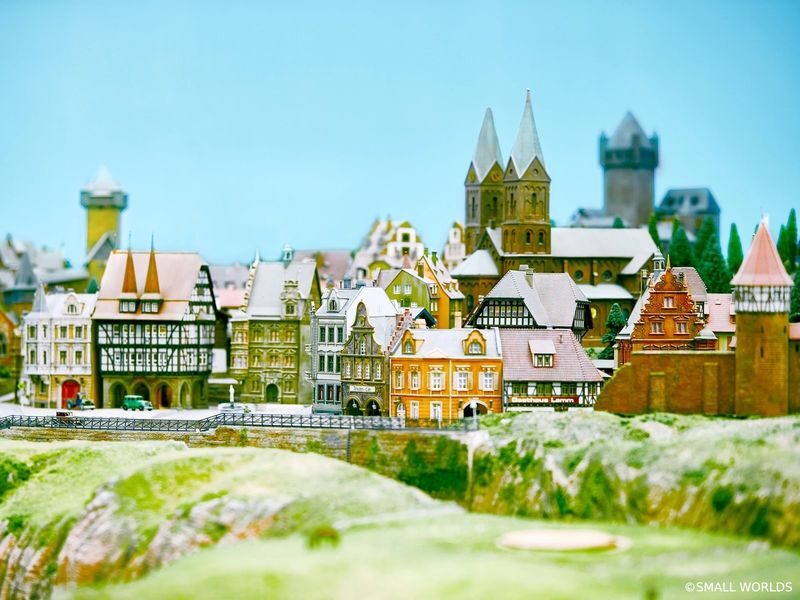
Small Worlds Tokyo is in Ariake, in Tokyo’s waterfront Odaiba area. Inside, the attraction is arranged around miniature scenes that bring real places and fictional settings down to a scale you can take in from above. You are not following a guide or a fixed tour route. Instead, you set your own pace and choose where to linger.
That freedom is a real strength. You can move quickly through a section that does not speak to you, then spend ten minutes searching one scene for tucked-away figures and tiny street details. The setting is indoors, so it makes a useful rainy-day stop or a break from summer heat.
The miniature work is the main event. A tiny street might be full of shops, vehicles, and figures, while the airport has runways and a departure lounge. Buttons in some areas add sounds, lights, or other effects. The displays are more rewarding when you slow down and look closely, rather than treating the museum as a quick walk-through.
You might also be interested in these Tokyo experiences
The newer Shibuya section is a natural place to start. At 1/80 scale, familiar city details become a compact scene you can survey from above. It offers an unusual way to take photographs: instead of framing a street from the pavement, you look down on a tiny version of one of Tokyo’s best-known districts.
I would give this display time. The appeal is not only the recognisable city setting, but also the smaller details scattered through it. A quick glance gives you the broad scene; a slower look turns it into a search for tiny people, vehicles, and street activity. The size makes it easy to take in, but the detail rewards a second pass.
For a photo, watch how close you can get to the model and look for a clear angle that avoids reflections. You can take pictures inside, but try not to let the camera become the whole visit. Some of the fun comes from noticing details you would miss through a screen.
The Kansai International Airport model is one of the museum’s strongest displays. The miniature airport includes runways and a departure lounge, while small planes take off and land. That motion gives the scene a clear focus, and it is a good place to sit for a while rather than just circle the display.
The airport lounge area offers seats and a view of the model. There are also vending machines nearby, so you can pause with a drink and watch the aircraft. If you are visiting with children who love planes or trains, this section may be the one that holds them longest. It also gives adults a welcome rest between exhibit areas.
Allow time to watch the sequence more than once. Tiny aircraft can be easy to miss if you arrive just as one is moving out of view. The airport is detailed enough to explore at close range, but its moving parts are what make it memorable.
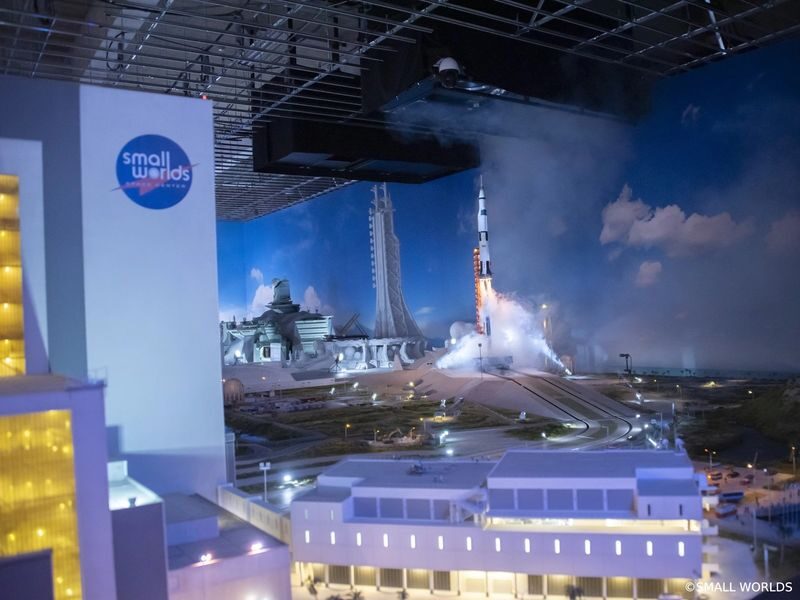
The Space Center moves from the 1960s Apollo era to a futuristic setting. Miniature rockets and astronauts help tell the story, with moving displays that give the scenes a sense of action. It is a good contrast to the city and airport models: here, the appeal is less about a familiar place and more about the scale and imagination of the space scenes.
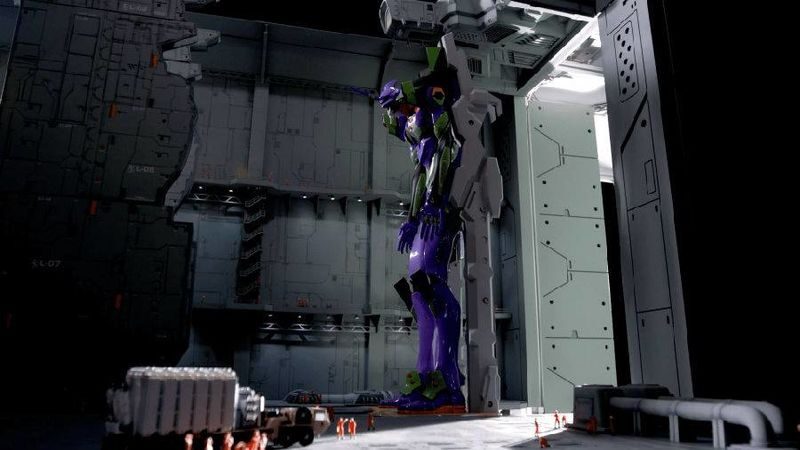
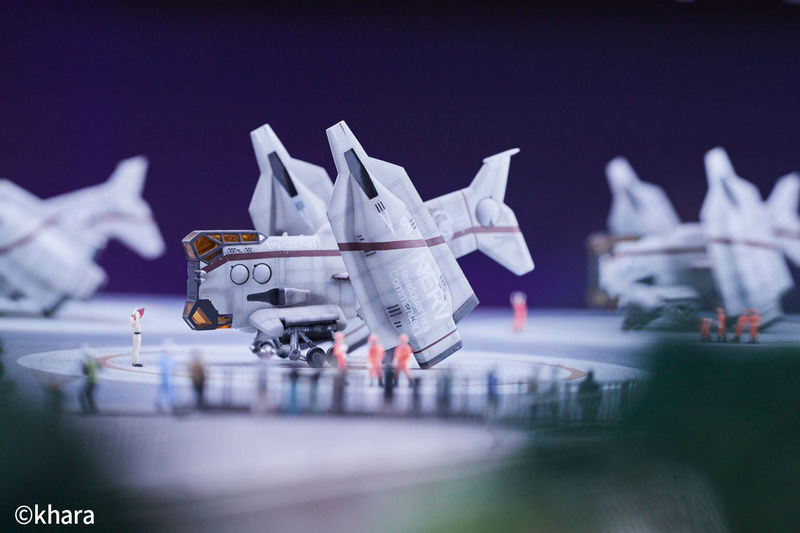
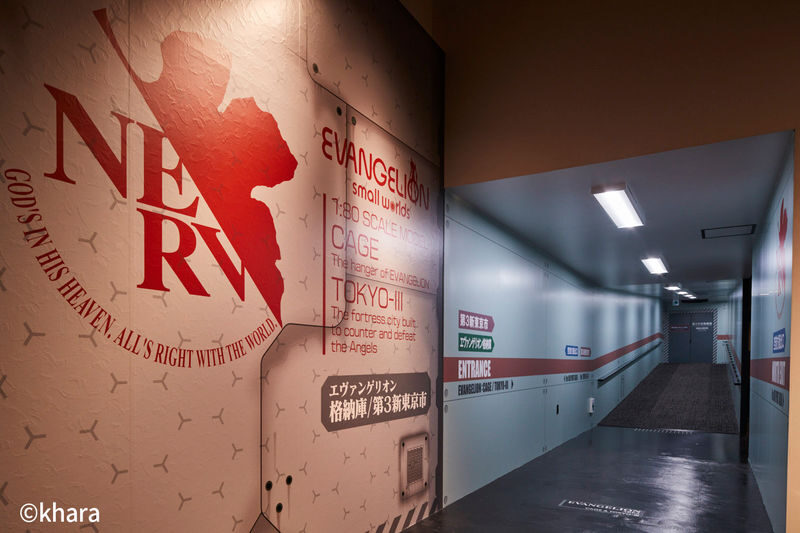
Anime fans have a different reason to linger. The museum includes scenes from Evangelion, as well as a Pretty Guardian Sailor Moon display recreating Azabu Juban. These exhibits connect the careful miniature craft to stories many visitors already know. If you are unfamiliar with the anime, you can still appreciate the modeling, but the references may not carry the same meaning.
The Global Village adds miniature scenes inspired by places and cultures in Asia and Europe. It gives you a quick visual trip between regions, though the compact format means this is not a substitute for visiting the places themselves. Think of it as a sequence of small, carefully made settings rather than a full cultural exhibition.
The museum works best at a relaxed pace. There are small figures and hidden details throughout, and some displays have buttons that trigger lights, sounds, or scents. These interactive touches give children something to do and help turn close looking into a game. They are not present everywhere, so do not expect every model to have a button.
Seats are available around the exhibits, and the airport lounge provides a particularly comfortable break. There are toilets, a café, and vending machines inside, which make it practical to stay for a few hours. The café’s selection is limited, so I would treat it as a handy place to pause rather than plan a full meal around it.
A museum shop sells miniatures, models, and themed goods. It is worth a look if you enjoy model-making or want a small souvenir, though you may find the selection narrower than a large character-goods shop. Workshops and miniature-making experiences are also part of the attraction’s offering. The 3D scan option lets you create a miniature figure of yourself, but it is sensible to check what is currently available and whether it requires a separate payment.

Plan on about 1.5 to 3 hours. A brisk visit can take around 90 minutes; if you enjoy photography, model-making, or anime exhibits, you can spend two or three hours looking more closely. The space is not enormous, so a three-hour visit depends on your interest in the details, not on a long list of separate rides or shows.
Weekdays are generally the calmer choice, especially near opening time. The museum is listed as open from 9 a.m. to 7 p.m., with last entry at 6 p.m., but hours can shift by season or on closure dates. Check the current schedule before setting out. October 20 is listed as a full-day closure for inspection.
Because the attraction is indoors, it is a sensible choice on a rainy day or during hot weather. It can also fit into a wider day in Odaiba or Toyosu. Its location is convenient for a short visit to the waterfront district, but it is not right in the middle of central Tokyo, so allow for the journey when planning your day.
The address is 1-3-33 Ariake, Koto-ku, Tokyo. From Ariake Tennis no Mori Station on the Yurikamome Line, it is about a three-minute walk. Toei Bus East 16 and TO05-2 also stop at Ariake Tennis no Mori, followed by a short walk.
A mobile voucher is used for entry, but it does not provide direct admission. Follow staff instructions and be prepared to wait in line to exchange or use your ticket at the counter. Buying in advance can save time at the ticket office, though it does not mean you can skip the required queue.
The ticket package described here starts at $16.19. Whether that is good value depends on your interests and how long you stay. For a miniature enthusiast, an anime fan, or a family that enjoys interactive displays, the craftsmanship and moving models can fill a satisfying couple of hours. If you expect a large-scale amusement park with many rides, the price may feel high for a compact museum.
One package includes a digital Takeya shopping voucher worth JPY500. It can be used on purchases of JPY5,000 or more, and some products are excluded, so it is a useful extra only if you already plan to shop there. Other personal expenses are not included. The ticket is non-refundable, so check the date, package, and current opening details before booking.
I would put this on the list for families with children who like vehicles, planes, or tiny worlds, and for adults who enjoy model-making, photography, or anime. The indoor format, seating, and interactive buttons help make the visit comfortable for different ages. The smaller scale also means children can move between displays without committing to a full day at a large attraction.
It is less compelling if you have little interest in miniatures and want a high-energy activity. Some visitors find there is less to see or interact with than expected, and parts of the experience depend on taking time to look closely. That is not a flaw for everyone, but it is worth knowing before you buy.
Book Small Worlds Tokyo if you enjoy detailed models, want a weather-proof activity in Ariake, or have a family member who is keen on Evangelion, Sailor Moon, planes, or space. The airport display, Shibuya model, and interactive features give the visit several clear highlights, while the seats and café make a longer stay manageable.
Skip it if you are looking for a large attraction with hours of rides or a full-day itinerary. For the right person, the small scale is the point: you get close to carefully made scenes and can take your time spotting details. For everyone else, it may be a short stop rather than a Tokyo must-see.
“A great experience and one of the most accessible I've experienced in Japan. There was plenty to see and I could have spent ages looking for the li…”
Plan for about three hours if you want to explore carefully, take photos, or spend time in the themed areas. A shorter visit of around 90 minutes may be enough if you move at a brisk pace.
The listed hours are 9 a.m. to 7 p.m., with last entry at 6 p.m. Hours can change by season, so check before your visit. October 20 is listed as closed all day for inspection.
Take the Yurikamome Line to Ariake Tennis no Mori Station, then walk about three minutes. Toei Bus East 16 and TO05-2 also stop at Ariake Tennis no Mori, a short walk from the museum.
Yes. Photography is allowed inside, and the miniature scenes offer plenty of photo opportunities.
Yes. The interactive buttons, moving planes, space displays, and detailed scenes can appeal to children, especially those interested in miniature models, trains, or aircraft. Children aged 3 and under enter free.
The package that includes Takeya shopping comes with a digital voucher worth JPY500. It applies to purchases of JPY5,000 or more, and some products are excluded. Other ticket packages may differ.
No. The ticket does not allow direct admission. Present your mobile voucher and follow staff instructions, including any queue at the entrance.