Physical Address
304 North Cardinal St.
Dorchester Center, MA 02124
Physical Address
304 North Cardinal St.
Dorchester Center, MA 02124

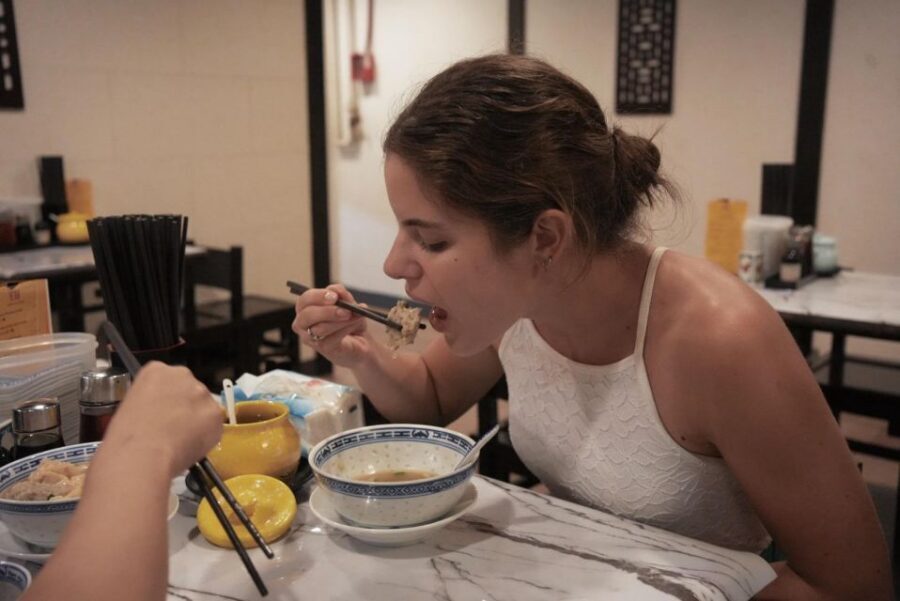
Taste dim sum, wontons, BBQ pork and local sweets while tracing Sheung Wan’s food and trading history on this three-hour Hong Kong walk.
Hong Kong’s food history comes into focus one bite at a time on this walk through Sheung Wan and Central. You might taste shrimp-filled wontons and bamboo-steamed har gow, then learn how dried seafood trading and postwar café culture helped shape the city’s eating habits.
I like two things in particular: the mix of local food and city history, and the chance to try dishes at small eateries you might not spot on your own. Guides such as Hody, Michael, Jasmine and Stephen have earned praise for bringing personal stories and a warm, easygoing manner to the walk, though your guide will vary.
The main catch is the menu’s limits. This tour cannot accommodate dietary restrictions, is not suitable for vegetarians, and does not provide halal food. It also involves a moderate amount of walking, so come hungry and wear comfortable shoes.
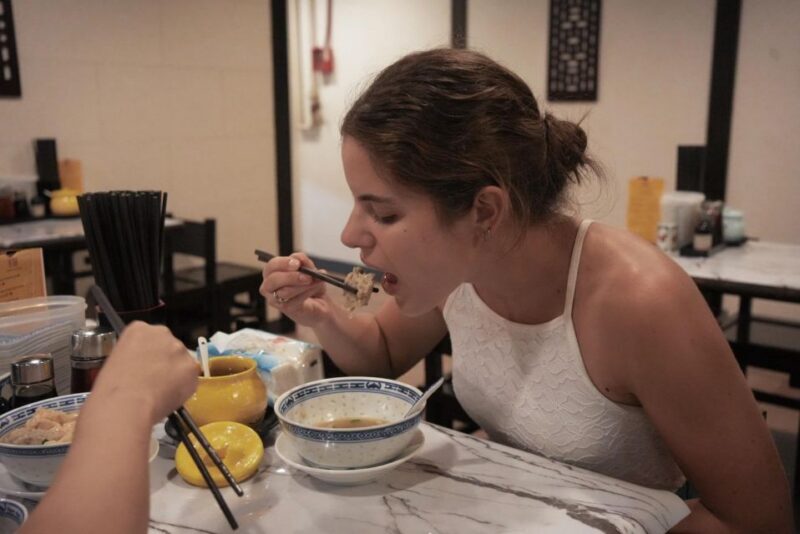
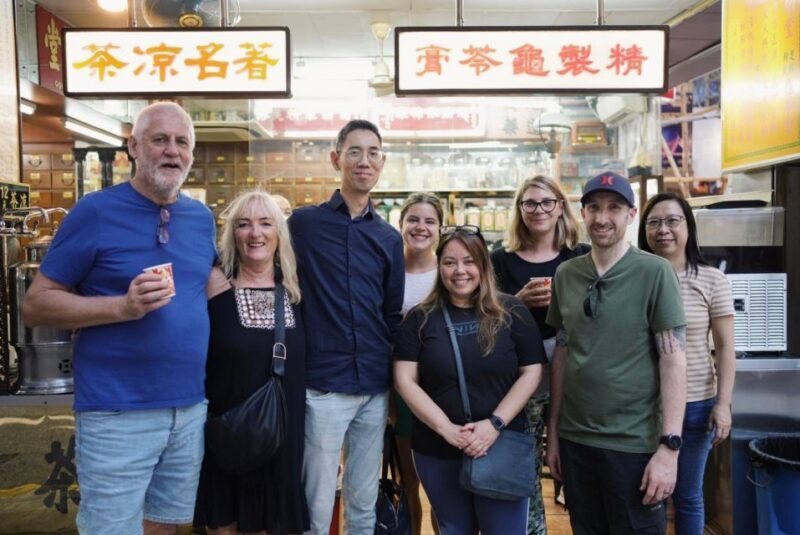
Meet at Sheung Wan MTR Station Exit E2, then look for Open Piazza, the stated starting point. One useful bit of station advice: find the sign for Exit E while you are still on the platform. Once you reach the concourse for Exits A to D, you cannot get to Exit E from there.
The walk begins in Sheung Wan, part of Old Town Central and one of Hong Kong’s historic districts. It is a good place to connect a meal with the forces that shaped the city. The tour traces Hong Kong’s shift from a nineteenth-century opium hub to a center of Chinese labor migration and, later, a financial capital.
That history is not just background. Trade shaped what moved through these streets, while the city’s changing fortunes influenced what people could afford to eat. A local guide can help you see the food stops as part of a living neighborhood rather than a string of unrelated tastings.
Looking for more options in Hong Kong? Here are some other experiences worth considering.
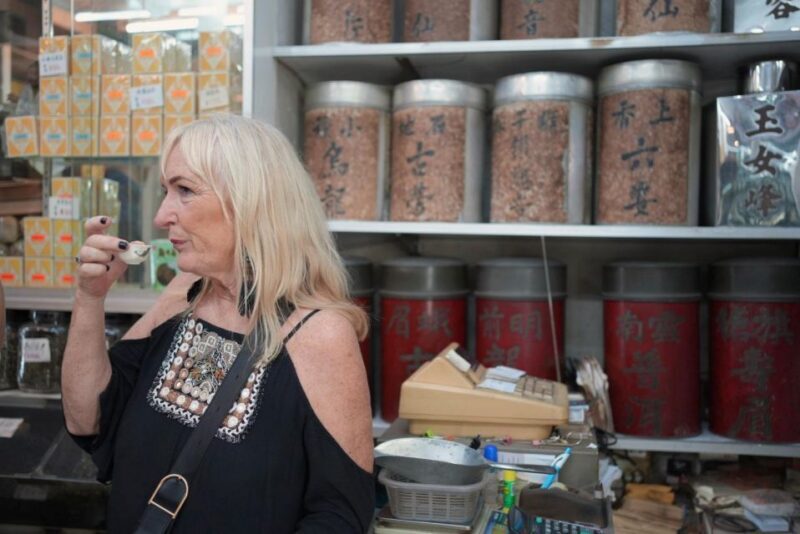
The first listed stop is Wing Lok Street, where the group spends about 40 minutes on a guided walk and food tasting. The area is known for luxury dried seafood, including shark fin and bird’s nest, ingredients associated with Chinese cooking and high-end dining.
You will also hear about cordyceps, a prized dried ingredient whose stated price can reach HKD$200,000 per catty. That eye-catching figure helps explain why these goods are treated as luxury products. It does not mean you will taste them: the experience promises an introduction to the trade, not a sampling of every costly ingredient.
There is a broader story here, too. Sheung Wan’s alleys were linked to the overseas movement of Chinese laborers, whose work helped fuel the city’s development. The tour connects that history to the neighborhood’s commercial life, giving the first stop more weight than a quick look at unusual shop windows.
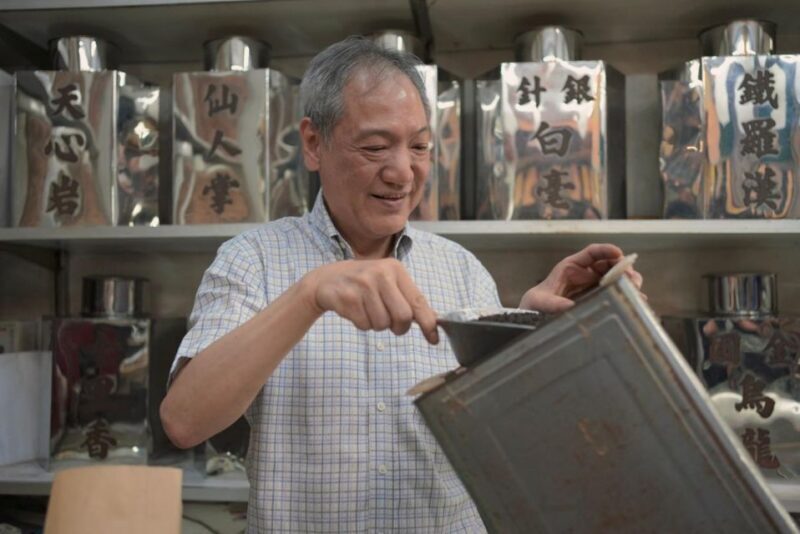
After Wing Lok Street, the route includes Sheung Wan Cultural Square, with about 15 minutes for a guided stop and tasting, followed by another listed 30-minute food stop. The exact venue for that next stop is not specified, so the day’s precise sequence can change with conditions and availability.
The appeal is the range of settings. You may visit small food stalls, local cafés and sit-down restaurants, rather than spending the whole tour in one kind of place. That variety helps you compare how Hong Kong eats: quick snacks on the move, filling noodle dishes, dim sum shared at a table, and sweets to finish.
One highlight is cha chaan teng culture. These Hong Kong cafés grew out of the city’s changing food habits, especially the postwar period, when people wanted filling meals at accessible prices. You may try milk tea and crispy French toast, a local café favorite with a name that does not promise a French recipe.
The milk tea’s silk-stocking nickname is a useful example of the tour’s practical detail. The tea is strained through a cloth sack, not an actual stocking. A guide can explain how the method affects the drink and why the name stuck, turning a familiar cup into a small lesson in local food language.
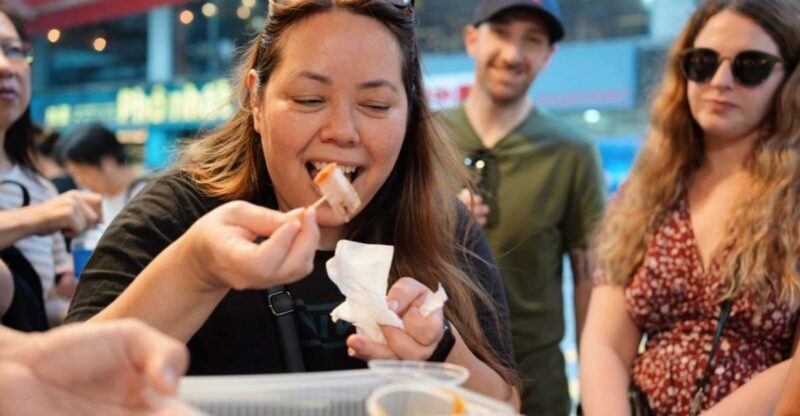
Dim sum is a central part of the experience, with bamboo-steamed har gow among the possible tastings. These shrimp dumplings are a chance to notice the care involved in the wrapper as well as the filling. One guide has explained that sweet potato is used in the wrapper, a detail that can change how you look at a dish you might otherwise eat in a few bites.
The tour also introduces Chiu Chow wonton-making. You may see artisans fold shrimp-stuffed wontons and learn about the flounder fish broth used in the noodle soup. Watching a dish being made gives you more than a name and a flavor: it helps you understand the skill and local habits behind the bowl.
Another stop is Sun Yuen Restaurant, scheduled for about 15 minutes of tasting. The exact dishes can vary, but BBQ meats are a likely highlight of the food mix. BBQ pork and pork belly have both been singled out as memorable bites, and they show why a food walk can be a better introduction than ordering one full meal without knowing what to choose.
More Great Tours Nearby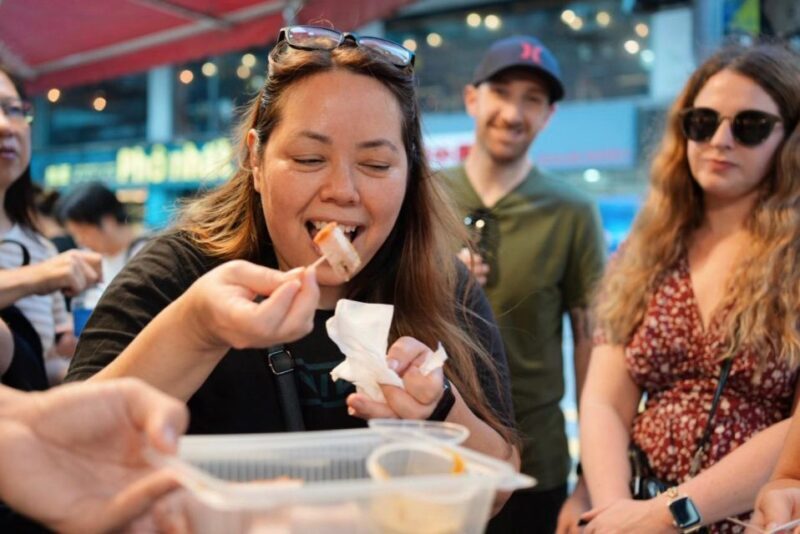
A 20-minute tea stop adds a different flavor to the walk. You may try traditional herbal brews such as Five Flowers or 24 Flavors. The latter is known for its bitterness, so do not expect a sweet, gentle cup. The herbal tea stalls also offer a glimpse of older neighborhood social life, with some described as 1950s gathering places.
The final stretch includes Queen’s Road Central, with about 50 minutes allocated for food tasting, before the tour ends at Central Market. Depending on the day’s menu, you might try egg tarts, egg waffles or other local sweets alongside savory dishes and drinks. The menu changes with availability, so treat particular items as possibilities rather than guarantees.
The overall mix matters. A good food introduction should show you more than one famous dish, and this route ranges from dumplings and noodles to café snacks, tea and desserts. It also moves between different kinds of food businesses, helping you get a feel for how everyday eating fits into the neighborhood.
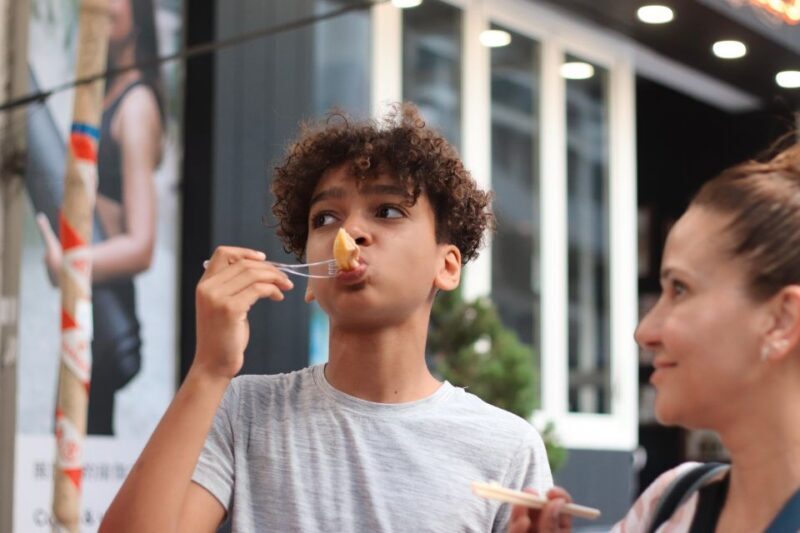
The tour lasts three hours and includes seven or eight stops, with more than 10 bites in total. That is enough food to count as a substantial meal for many people. Plan your day accordingly: a large lunch immediately beforehand may make the later tastings harder to enjoy.
The pace appears designed to let the group eat and listen without racing from stop to stop. Still, you will be walking between locations and spending time on your feet. Wear comfortable shoes, and keep in mind that the tour involves a moderate amount of walking.
Food quantities and the final selection depend on availability. The range is the point, but the exact balance of sweet, savory, drinks and dishes is not fixed. If there is one item you are especially keen to try, do not assume it will be served on your date.
At $51 per person, the fee covers a local English-speaking guide, a walking tour and the street-food tastings. Hotel pickup and drop-off are not included, so you need to make your own way to Sheung Wan MTR Station Exit E2.
The value comes from combining a meal with interpretation and local orientation. More than 10 tastes at several types of eateries would be difficult to assemble efficiently on your own, especially if you are new to Hong Kong’s food customs. The guide also links the stops to the city’s trade and social history, which makes the three hours useful beyond the food alone.
This is not the right choice if you need a tightly controlled menu or a private restaurant meal. It is a walking tour with a changing selection, and the operator says it cannot accommodate dietary restrictions. The price makes the most sense if you are keen to taste broadly and learn as you go.
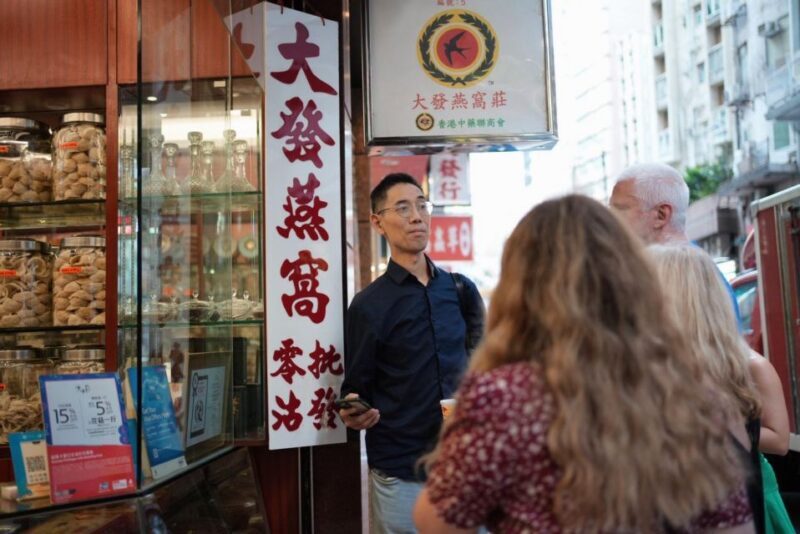
The tour is led in English by a local guide, and the guide’s way of telling the story is a large part of the experience. Names associated with the tour include Hody, Michael, Jasmine, Stephen, Alice, Summer, Simeone, Wing, Isaac and Wind. You cannot select a particular person from the information provided, so think of those names as examples, not a promise.
The strongest guide style for this walk is personal and conversational. Some guides link dishes to childhood memories; others explain the history behind a food or answer questions as the group moves. That combination can make unfamiliar dishes feel less intimidating, especially if you are unsure what you are ordering or how a local custom works.
Good guiding also matters on a busy city walk. You will be moving between food stops and sharing public space, so clear directions and a considerate pace help the group stay together and avoid getting in other people’s way.
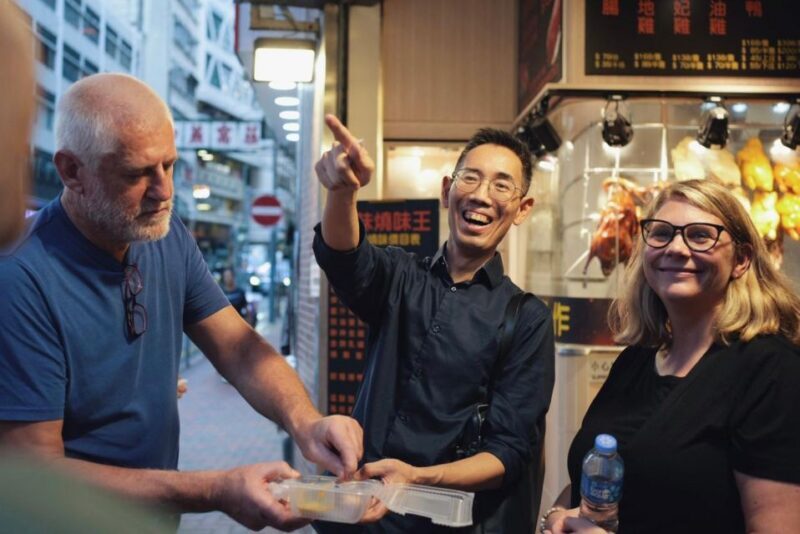
I would choose this walk if you want a practical first look at Hong Kong food, particularly if you have only a few hours and would rather sample several styles than sit down for one long meal. It suits curious eaters who enjoy asking questions and learning the story behind what is on the plate.
It can also work well for solo visitors. A shared food walk provides an easy way to explore local places with a guide and a small group, rather than having to choose every stop alone. Families with older children may find the variety engaging; one 13-year-old enjoyed the experience, though the tour is still best for anyone willing to try a broad range of food.
Skip it if you are vegetarian, need halal food, or have dietary restrictions that require adjustments. The tour explicitly says it cannot accommodate those needs. Also skip it if you want a slow, seated meal or dislike walking between stops.
The meeting point is Sheung Wan MTR Station Exit E2, and the tour ends at Central Market, so you finish in a different part of town. Check the exit carefully before leaving the platform, bring comfortable shoes, and avoid a heavy meal beforehand. The final food selection can change, and poor weather may lead to an alternative date or a full refund.
At 4.8 from 673 ratings, this is a well-regarded option, but the most useful question is whether its format fits your appetite and diet. Book it if you want a filling, guided introduction to Hong Kong dishes and the history around them. If you need dietary flexibility or a specific menu, choose a different way to explore the city’s food.
“Excellent tour with a top guide Hody. It was very much fun and entertaining. And of course, the food was excellent and gave me and the other tour m…”
It lasts three hours.
Meet at Sheung Wan MTR Station Exit E2. Look for Exit E while you are still on the platform, since it is not accessible from the concourse for Exits A to D.
The tour ends at Central Market.
The tastings may include dim sum, wontons, BBQ pork, egg tarts, egg waffles, herbal tea and other local snacks. The final menu can change based on availability.
No. The tour cannot accommodate dietary restrictions, is not suitable for vegetarians, and does not provide halal food.
The price includes the walking tour, a local guide and street-food tastings. Hotel pickup and drop-off are not included.
You can check availability for your dates here: