Physical Address
304 North Cardinal St.
Dorchester Center, MA 02124
Physical Address
304 North Cardinal St.
Dorchester Center, MA 02124

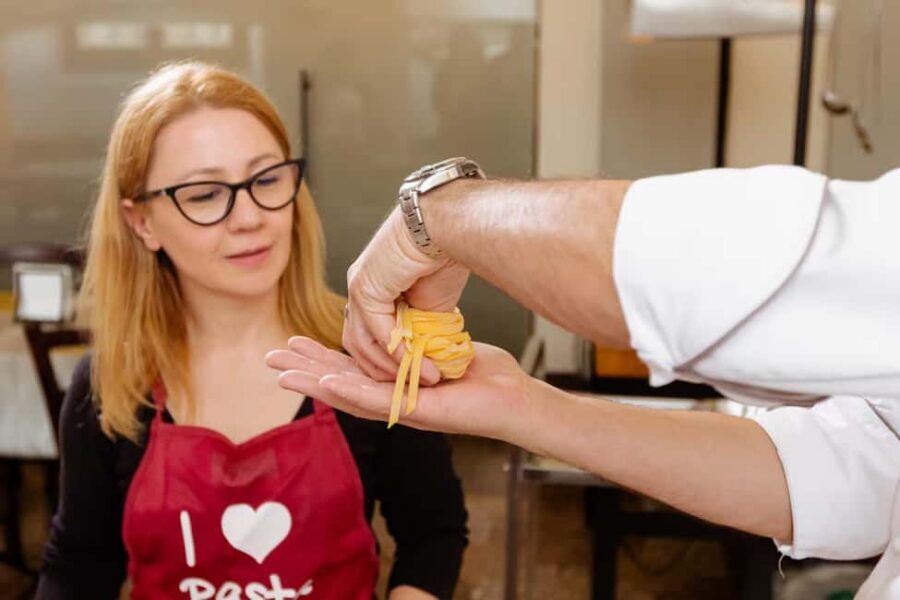
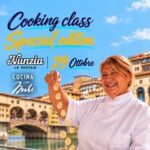
Make ravioli, tortelli and fettuccine in a Florence palace near Ponte Vecchio, then share your pasta with Tuscan wine, dessert and limoncello.
Near Ponte Vecchio, this class turns a handful of flour and eggs into three kinds of fresh pasta, then brings everyone to one table to eat. You make ravioli, tortelli and fettuccine yourself, with a professional instructor there to guide the kneading, rolling and shaping.
I like two things in particular: the chance to learn practical techniques you can try again at home, and the meal at the end, which makes the class feel more like a shared Italian lunch than a kitchen demonstration. The wine, dessert and limoncello are included, too.
One important caveat: the dietary information conflicts. Some options are described as available, but the class is also marked unsuitable for vegans and people with gluten or lactose intolerance, and says those needs cannot be accommodated. Ask the school directly before booking if you have a dietary restriction or allergy.
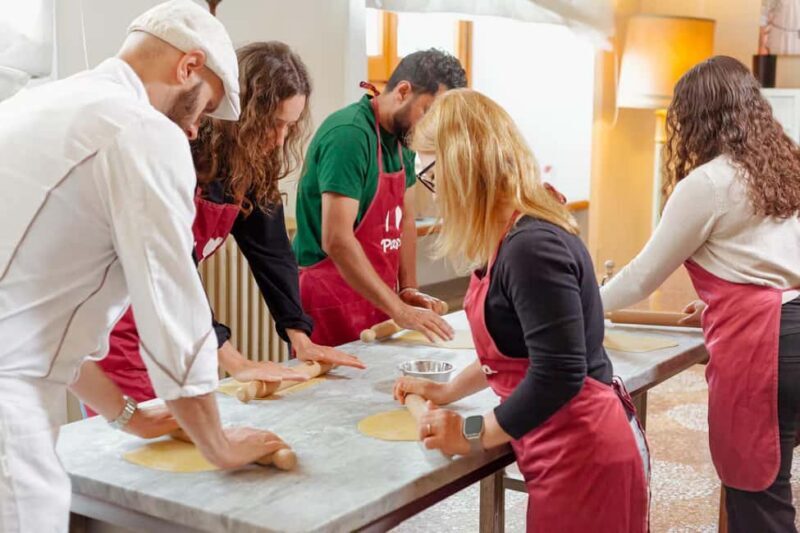
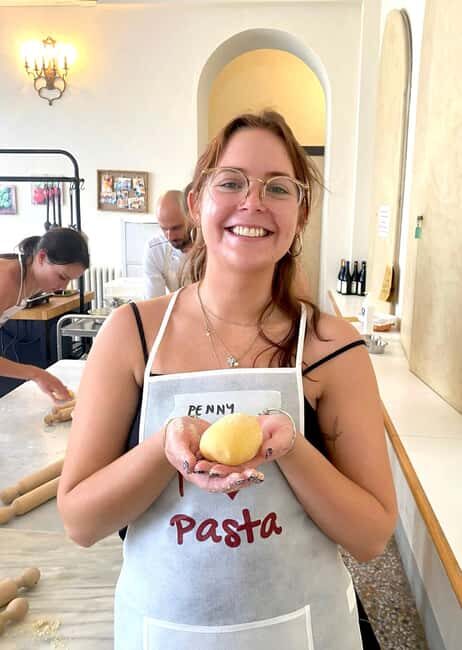
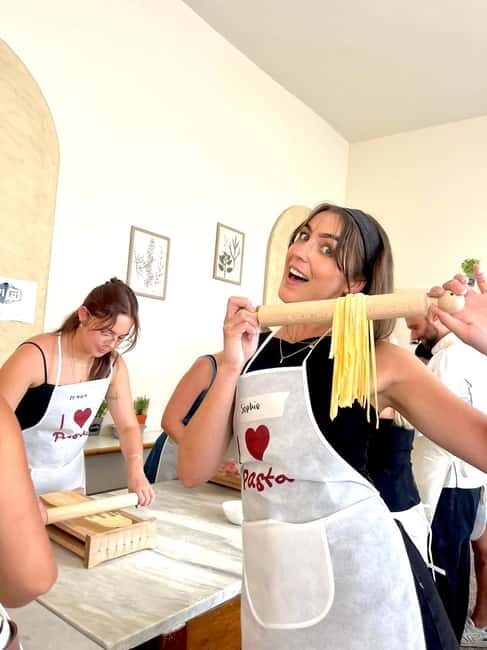
This is a hands-on cooking class, not a chef’s demonstration with a few token tasks for the audience. You put on an apron, take up a rolling pin and work the dough yourself. That matters if you want more than a pleasant meal: you get a feel for the simple ingredients and the effort behind fresh pasta.
The setting adds a little Florence atmosphere without making the class a sightseeing tour. The school is in a historic palace on Lungarno Guicciardini, near Ponte Vecchio. You can fit it into a day spent exploring the center, but allow the full three hours and arrive five minutes early for check-in.
The instructors teach in English. Past classes have been led by chefs including Camilla, Giacomo, Francesca, Sarno and Ezgi, though you should not expect a specific instructor unless the provider confirms one. The common thread is an approachable, social teaching style: the class is meant to include first-timers as well as people who already cook.
Wine enthusiasts might appreciate these other Florence tasting experiences
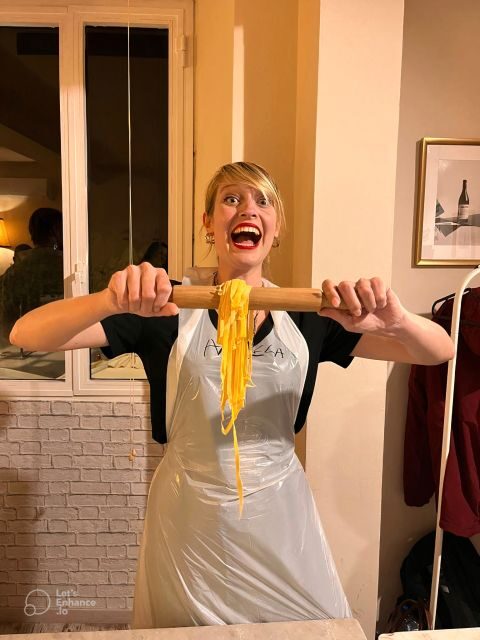
The session begins with an introduction to the class and the traditions behind pasta-making. One format includes a short film before the group moves into the kitchen. It gives you context, though if you are eager to start rolling dough, that opening may feel like time spent waiting for the best part.
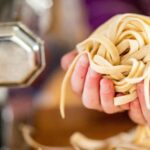
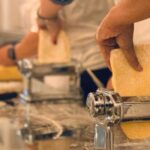
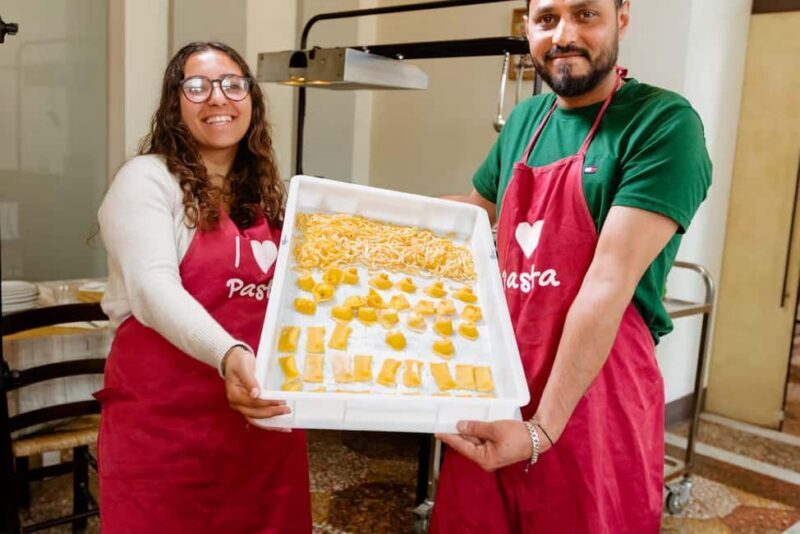
Then comes the practical work. With eggs and flour, you knead and roll dough, and shape it into ravioli, tortelli and fettuccine. These different forms give the lesson variety: filled pasta calls for careful shaping, while long ribbons such as fettuccine put the emphasis on rolling and cutting.
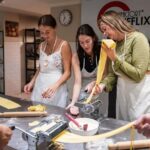
The instructor demonstrates the steps and circulates to help people keep up. You do not need to arrive with a kitchen résumé. The class is set up to make the process manageable for beginners, while still offering useful technique for anyone who has made pasta before.
Each participant prepares pasta, so you have a genuine role in the meal that follows. The pleasure is partly in the finished result, but also in learning how the dough changes as you knead and roll it. Fresh pasta can look deceptively simple; making it by hand helps you understand why texture and thickness matter.
Ravioli and tortelli bring filling and shaping into the lesson. Fettuccine offers a different task, and some classes have used a pasta guitar, a traditional tool for cutting pasta. It is a memorable detail, but the essential equipment is supplied, so you do not need to bring anything beyond comfortable clothes suitable for cooking.
A useful note on expectations: the class is hands-on, but not every element of the meal is necessarily made from scratch in front of you. One participant noted that the fillings and sauces were prepared ahead for practical reasons, and that recipes were provided. That is sensible for a group class, but it means this is not a complete lesson in making every component from raw ingredients.
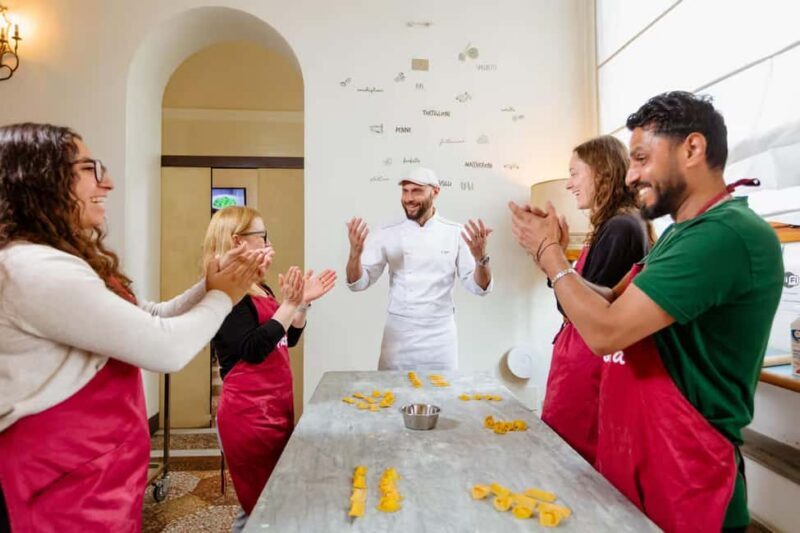
The pasta is served with two styles of sauce. A signature tomato sauce simmers for hours in advance, while the instructor prepares butter and sage sauce in front of the group for the ravioli and tortelli. The contrast helps show how fresh pasta can be paired with both a hearty tomato base and a simpler, delicate dressing.
You also get to see the pasta cooked, rather than just carrying your work from the counter to a plate. The instructors cook the group’s pasta together, then serve it as a shared meal. That communal finish is part of the point: the class moves from individual workstations to one table, where the food becomes a reason to keep talking.
Do not expect restaurant-style choice from a large menu. The group eats what it has made, prepared with the sauces planned for the session. If you want a more formal cooking course focused on detailed sauce technique, ask what will be demonstrated on your date before booking.
More Great Tours NearbyThe class ends around a large shared table with the pasta you helped prepare. That is where the activity shifts from instruction to convivial meal. You can compare shapes and handiwork, talk with the group, and enjoy the payoff while it is fresh from the kitchen.
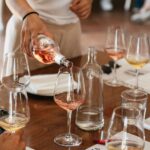
Organic Tuscan wine is included, with a tasting described as part of the experience. Dessert and a shot of limoncello round out the meal. Wine is served only to participants of legal drinking age, and additional food and drinks are not included. If you do not drink alcohol, the class still includes the cooking and meal, but confirm whether a non-alcoholic alternative is available rather than assuming one.
The food is a central part of the value. You are not paying only for a lesson or only for lunch: the three-hour session combines instruction, ingredients, equipment, the pasta meal, wine, dessert and limoncello. No price is provided here, so compare the rate you are quoted with those inclusions and with what you would spend on a separate meal and activity in central Florence.
You might also be interested in these Florence experiences
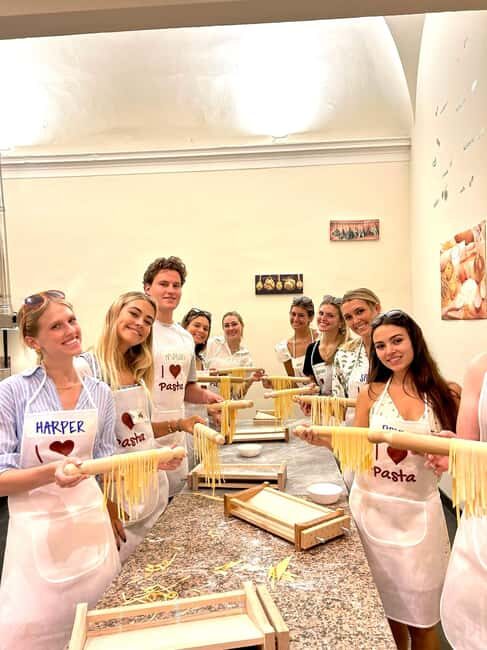
This class works well for couples and friends, but it is also built to accommodate families and mixed-age groups. Children have joined alongside adults, and the practical tasks give everyone something to do. If you are booking for a family, check the minimum age and any child-specific rules with the provider, since those details are not specified.
The group format can be a plus if you enjoy meeting people over a meal. Past groups have included people from several countries, and one class was described as having about ten participants. That is a useful indication, not a guaranteed group size. The shared table encourages conversation, but it also means you will be cooking and eating alongside others rather than having a private lesson.
For solo visitors, the social structure may be especially appealing. You have a task to focus on and a natural way to join the conversation. For corporate groups or larger parties, the class is presented as suitable, but confirm the group arrangements directly.
The class meets at the cooking school at Lungarno Guicciardini, 17r, 50125 Firenze. Hotel pickup and drop-off are not included, so plan to make your own way there. Wear comfortable clothing for kitchen work, and arrive five minutes before the start for check-in.
The dietary guidance needs particular care. The activity information says vegetarian, vegan, lactose-intolerant and other dietary options are supported, but the know-before-you-go details say vegan, gluten sensitivity and lactose intolerance cannot be accommodated. The class is also marked unsuitable for people with nut allergies. Because these statements do not agree, do not rely on a general promise of flexibility: contact the provider with your exact needs before paying, and get a clear answer.
The experience is not suitable for people with mobility impairments, according to the activity information. Smoking is not allowed. A minimum number of participants is required; if the class does not reach that number, the provider may offer another time or date, or a full refund.
Booking terms include free cancellation up to 24 hours ahead and a reserve-now, pay-later option. Those terms can help if your Florence plans are still taking shape, but check the conditions shown for your chosen date when you book.
I would choose this class if you want a practical, sociable food experience in central Florence and like the idea of eating what you have made. Its strongest appeal is the combination of three pasta shapes, an instructor-led lesson, a shared meal and included drinks and dessert. It is also a good fit for beginners who want to learn without needing to bring equipment or already know their way around a kitchen.
I would pause if you need strict dietary accommodation, have a nut allergy, or want a private and highly technical cooking lesson. The class is not a full tour of Tuscan food, and some parts of the meal are prepared ahead. But if you are comfortable with a group setting and the menu suits your needs, it offers a satisfying way to spend three hours near Ponte Vecchio. Confirm the dietary details first, then book for the pasta, the company and the meal around one table.
“Camilla was a fantastic teacher. My sons and I had a great time. Definitely recommend!”
The class lasts three hours.
Meet directly at the cooking school at Lungarno Guicciardini, 17r, 50125 Firenze, Italy. Hotel pickup and drop-off are not included.
You will make ravioli, tortelli and fettuccine by hand.
Yes. The instructor teaches in English.
Ingredients, cooking equipment, instructor guidance, the pasta meal, organic Tuscan wine, dessert and limoncello are included. Additional food and drinks are not.
The information is inconsistent. It says some dietary options are supported, but also says vegan, gluten sensitivity and lactose intolerance cannot be accommodated, and lists nut allergies as unsuitable. Contact the provider directly before booking if you have a dietary need.
You can check availability for your dates here: