Physical Address
304 North Cardinal St.
Dorchester Center, MA 02124
Physical Address
304 North Cardinal St.
Dorchester Center, MA 02124

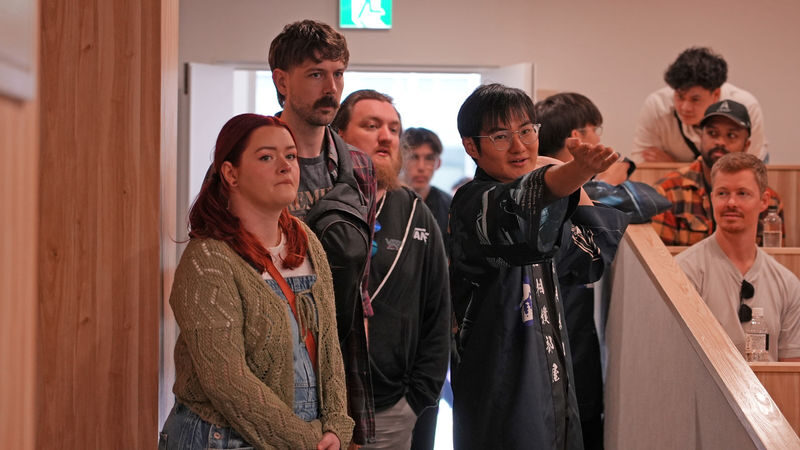
Watch sumo rituals and live bouts in Shinjuku, learn the sport’s basics in English, and enter a lottery for a chance to face a wrestler.
Sumo’s power is easy to understand when a wrestler stamps the ring and sends the floor thudding beneath your feet. This Shinjuku show gives you a close look at the rituals and techniques, then turns the lesson into a lively performance with a chance to challenge a wrestler.
I like that the English-speaking host explains what you’re seeing, so the salt, stomping, and bouts have meaning beyond spectacle. I also like the lottery for a ring challenge: even from your seat, you get to see how a wrestler’s size and balance work up close.
One thing to weigh: this is a demonstration, not a tournament, and the challenge is limited to six people selected by lottery. The posted timing is also inconsistent: the activity summary says one hour, while the schedule gives a 90-minute show, so check the duration for your chosen package before you book.
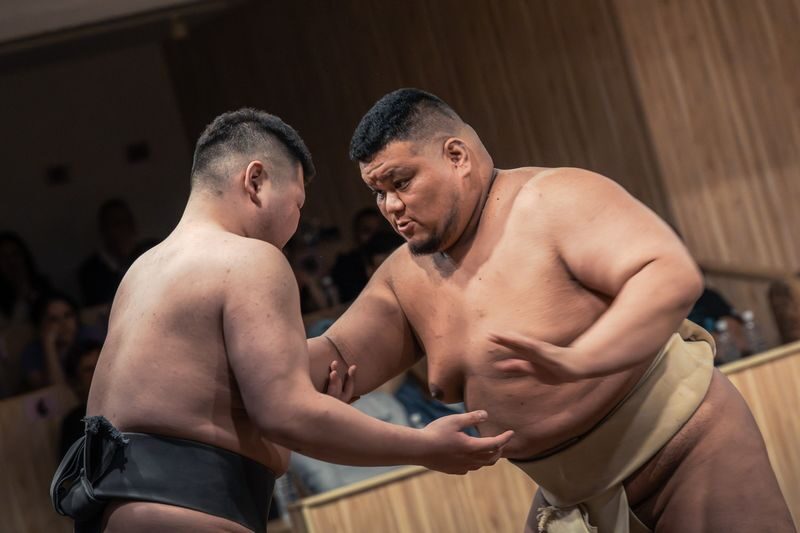
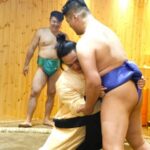
At Shinjuku Sumo Club Kabukicho, the appeal is the contrast between ceremony and force. Before a bout, you’ll see movements such as shiko, the broad-legged foot stomping, and salt-throwing, which is part of sumo’s ritual practice. Then the wrestlers demonstrate techniques and face off in live bouts.
The English-speaking host gives you context for what you’re watching. That matters because sumo’s gestures are not just warm-up theatrics: they are part of a tradition with its own forms and meaning. Instead of seeing a few large athletes collide, you get a guided introduction to the customs around the contest.
The format is deliberately welcoming. Expect explanations, performance, and audience interaction, rather than the quiet formality of a professional tournament. The show is not a substitute for seeing an official match, but it can help you recognize the rituals and tactics if you do attend one later.
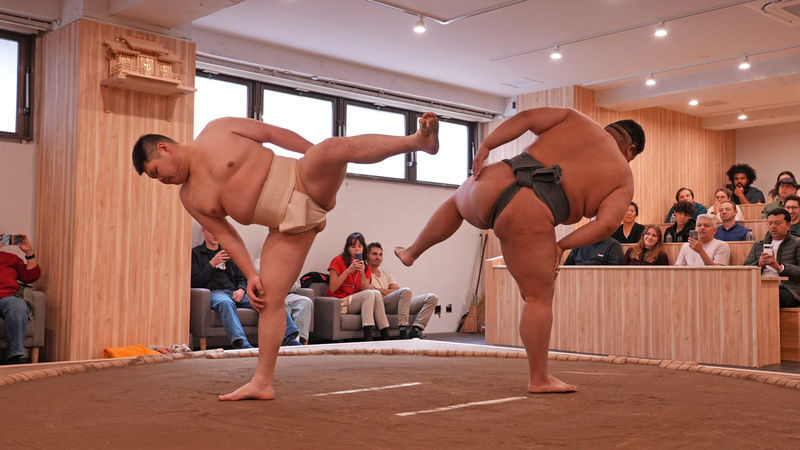
The experience is organized as a meet-up at the Shinjuku venue, followed by the show and a return to the same location. The schedule lists the performance as one hour and 30 minutes, but the activity summary describes the experience as one hour. Since the two figures do not match, use the timing shown for your selected booking and leave room in your plans either way.
The show itself moves from introduction to demonstrations and bouts, then to the audience challenge. This progression makes sense: first you learn the basic signs and customs, then you have a better chance of following what happens in the ring. The challenge comes after the main performance, so it is a bonus rather than the heart of the event.
Start times are listed as 14:00, 16:30, 19:00, and 21:30. The available return times are 15:30, 18:00, 20:30, and 23:00, depending on your selected start time and the schedule. If you have dinner plans, a train to catch, or a tight evening itinerary, give yourself a buffer. The late show in particular makes that practical rather than fussy advice.
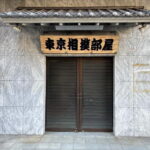
Arrive 15 minutes early. Late entry may not be accepted because the performance follows a set schedule, and entry is only through the front of the building facing the main door next to Daiso. Have your mobile voucher ready and make sure you are at the Kabukicho venue, not another Shinjuku Sumo Club location.
You might also be interested in these Tokyo experiences
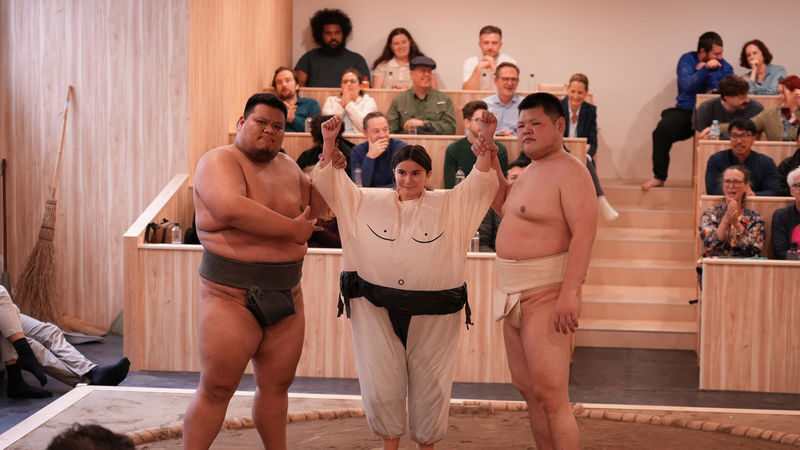
After the demonstrations, the show offers a lottery for a chance to face a wrestler. Only six people per performance can take part, so you may not be chosen. If you are, expect an entertaining test of balance and strength, conducted in the spirit of a show rather than a serious contest.
The possibility adds a personal edge to the evening. You can watch the wrestlers’ size and technique from close range, then see a volunteer try to move one of them. The playful setup makes the difference between raw strength and good positioning easier to appreciate. It also gives families and groups something to talk about afterwards, even if nobody in your party wins a place in the ring.
There is no need to treat participation as the main reason to book. The core experience is the guided explanation and live demonstration. If you’re shy about being called up, you can still enjoy the show from your seat; if you’re keen to try, remember that selection is random and limited.
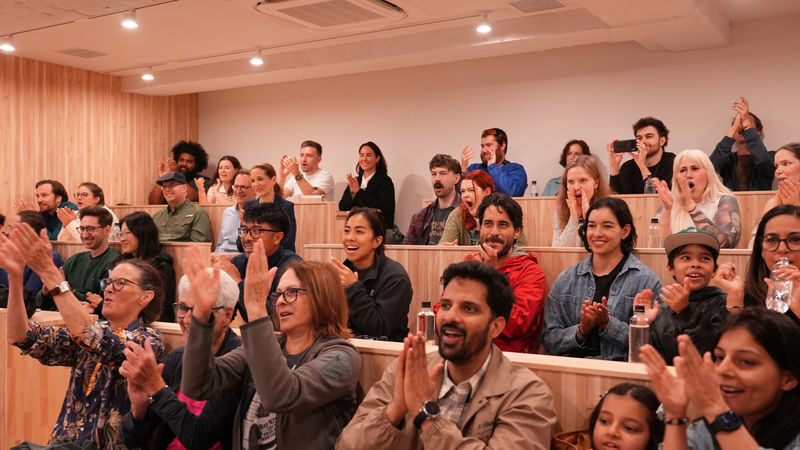
The show is designed to make sense to people new to sumo. An English-speaking guide and English-speaking staff are included, and the host explains the sport’s history and rituals in an accessible way. The accounts of hosts named Jasmine, Ken, Kristin, John, and others point to a lively, engaging style, but the host changes, so treat those names as examples rather than a promise.
That mix of information and humor suits a short performance. Sumo can seem mysterious if you have only seen a few seconds of it on television. A host who can explain a ritual, point out a technique, and keep the room involved helps turn those moments into a story you can follow.
The format should work especially well for first-time visitors, families with older children, and anyone who wants a cultural activity that does not require prior knowledge. Children aged 13 and older pay the adult rate. The activity is wheelchair-accessible, according to the supplied details, though you may want to confirm any individual access needs with the operator before booking.
Sumo is closely associated with Ryogoku, its historic center in Tokyo, but this show takes place in Shinjuku’s Kabukicho area. That makes it easy to fit into a day or evening in a different part of the city. It also means you are seeing sumo in a purpose-run show setting, not visiting a tournament venue or a training stable.
The address is 1F, 1-8-4 Okubo, Shinjuku City, Tokyo 169-0072. The directions specify the building’s front entrance beside Daiso, an unusually useful detail in a busy neighborhood where a wrong entrance could cost you time. Check the map attached to your booking and arrive early rather than trying to find the door at the last minute.
The venue choice is part of the trade-off. You get a compact, accessible introduction to the sport in central Tokyo, but not the atmosphere of a formal tournament in Ryogoku. If your main goal is to watch competitive sumo, look for a tournament instead. If you want a clear explanation, close-up demonstrations, and a chance to take part, this show is a more direct fit.
Prices start at $60.59. For that, the Kabukicho package includes admission, an English-speaking guide and staff, and a welcome drink. The experience description also refers to a refreshing bottle of water during the action, while the included-items list names a welcome drink. Check the exact inclusions attached to your chosen package, especially if the drink matters to you.
The value is strongest if you want more than a brief viewing. The host’s explanations, ritual demonstrations, live bouts, and possible audience challenge give the hour or hour and a half several different parts. You’re paying for a hosted cultural performance, not simply a seat at a match.
It is less compelling if you expect a full tournament or long, uninterrupted bouts. The matches are demonstrations, and one attendee wished they had lasted longer. That is a fair point: this is an introduction and entertainment show, not a replacement for the sport’s competitive side. The main venue and Kabukicho venue are listed as separate package options, so check the venue name carefully before paying. A photo is part of the experience’s title, but the supplied details do not explain its format.
Choose the date and start time carefully. The voucher is valid only for the selected date and time, and you need to show your mobile voucher at the venue. Payment at the event is cashless; accepted cards include Visa, Mastercard, American Express, JCB, Diners Club, and Discover.
Cancellations are eligible for a full refund if made at least 24 hours before the activity date, using local time. Changes are generally allowed until 24 hours before the activity, but some booking types are excluded. There is no refund or amendment for arriving late or missing the show, so the early-arrival instruction is worth following.
The operator can cancel for unforeseen events or extreme weather, with the option to reschedule or request a full refund. Other personal expenses and tips are not included. Those are minor points, but they help you plan a smooth evening in a part of Tokyo where it’s easy to fill the hours before or after the performance.
I’d consider this a good choice if you are curious about sumo but do not know its customs, want an English-led activity, or are looking for an interactive evening in Shinjuku. The combination of explanation and live action gives first-timers a useful framework, while the lottery keeps a little suspense in the room.
It may not suit you if you want a real tournament, extended bouts, or a guaranteed chance to wrestle. Nor should you book solely for the challenge: only six people are selected per show. Think of the ring invitation as a possible extra, not a promised feature.
At the starting price, the show offers a practical, compact way to get acquainted with sumo’s rituals and physical style. Book it for the guided introduction and performance, and treat the photo and challenge as extras. Before you confirm, verify the selected venue, start time, duration, and package inclusions.
“Jasmine, thank you for everything. The place is excellent and highly recommended.”
No. It is a show with demonstrations of sumo techniques, rituals, and live bouts, not a real tournament.
The activity summary says one hour, while the show schedule lists one hour and 30 minutes. Check the duration shown for your selected package.
You can enter a lottery for a chance to take part. Participation is limited to six people per show, so it is not guaranteed.
The listed start times are 14:00, 16:30, 19:00, and 21:30. Available options can vary with the selected package.
It is at 1F, 1-8-4 Okubo, Shinjuku City, Tokyo 169-0072. Entry is through the front of the building facing the main door next to Daiso.
The Kabukicho package includes admission, an English-speaking guide, English-speaking staff, and a welcome drink. Other personal expenses and tips are not included.
Yes. The activity is listed as wheelchair-accessible.
A full refund is available if you cancel at least 24 hours before the activity date, using local time. Arriving late or missing the show does not qualify for a refund or amendment.