Physical Address
304 North Cardinal St.
Dorchester Center, MA 02124
Physical Address
304 North Cardinal St.
Dorchester Center, MA 02124

See Ginza’s goldfish art aquarium, with glowing displays, traditional Japanese design, photo spots, and practical tips on time, access, and value.
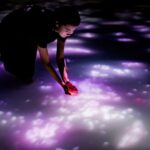
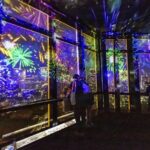
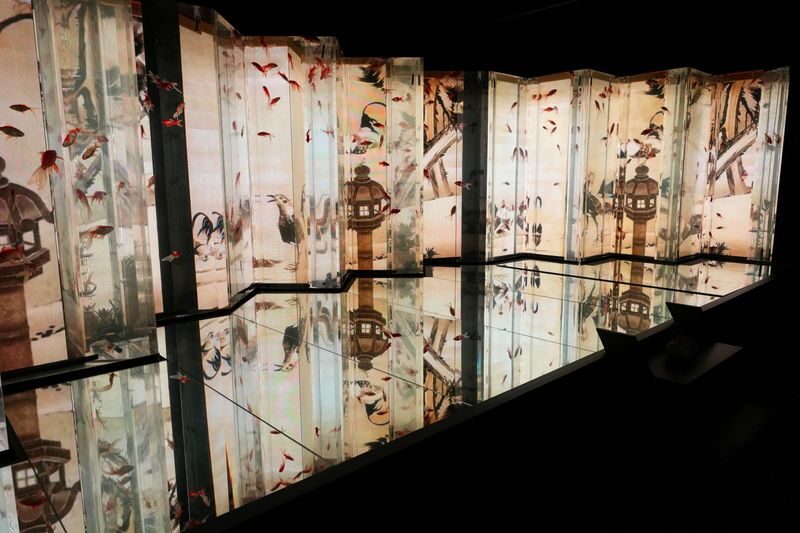
Art Aquarium Museum GINZA turns goldfish into the center of a theatrical art show. Rows of glowing tanks, changing colors, and Japanese-inspired forms make this a very different outing from a conventional aquarium. I like the Goldfish Corridor for its shifting bands of light, and the Temaririum for its bright patterns based on traditional temari balls.
The visit is easy to fit into a Ginza day, and you can take photos and videos without paying extra. One consideration: this is a compact exhibition, and the combination of small tanks and dramatic lighting may trouble visitors who are concerned about fish welfare.
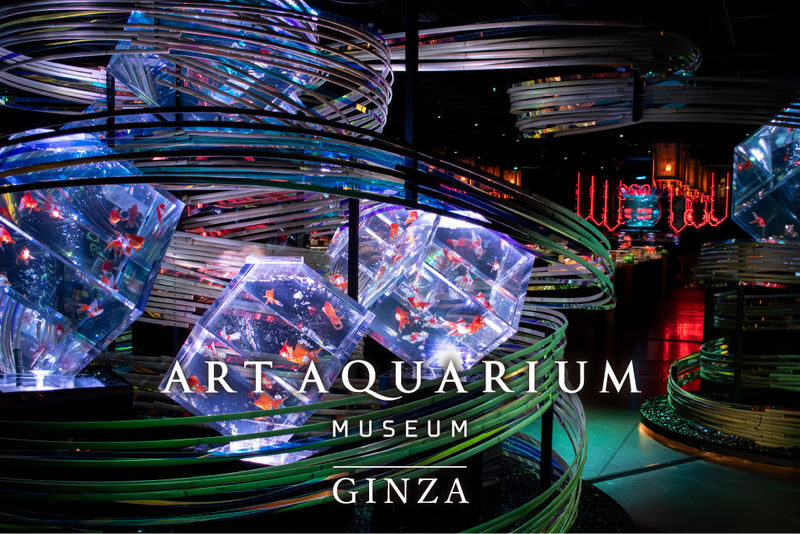
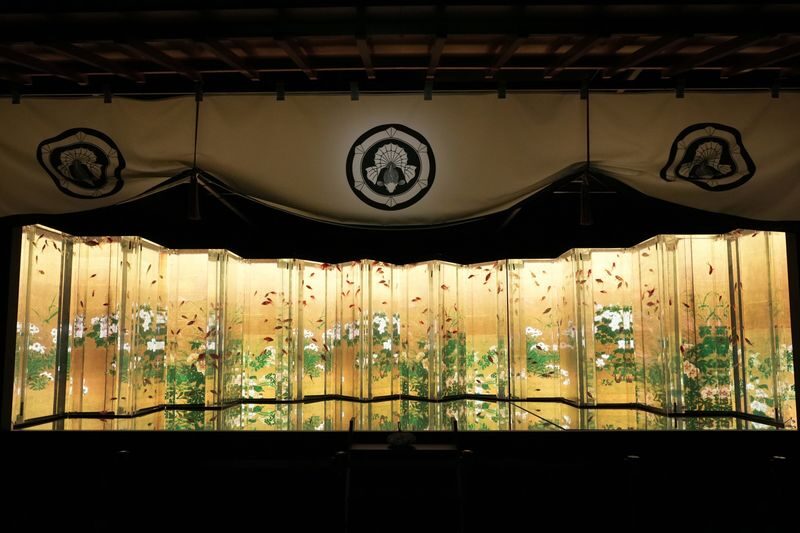
This is not a natural-history aquarium built around habitats and species information. Art Aquarium Museum GINZA uses goldfish and koi as part of a designed environment, with tanks, light, color, and traditional Japanese motifs shaping the experience. The result is closer to a series of small art installations than a large aquarium with long viewing galleries.
That distinction matters when you decide if the ticket is right for you. If you want a broad range of marine life, educational displays, or a full-day attraction, this probably is not the place to spend your aquarium budget. If you are curious about how familiar goldfish can look when arranged in unusual tanks and carefully lit rooms, the concept has more to offer.
The exhibition is indoors, in Mitsukoshi Ginza, so it can be a useful stop on a rainy day or a shopping-and-dining outing. It also takes little planning once you are in the area. You can move through at your own pace, pause for photos, and leave when you have seen enough.
You might also be interested in these Tokyo experiences
The museum is at 4 Chome-6-16 Ginza, Chuo City, inside the Ginza Mitsukoshi New Building. Follow signs for the Ginza Terrace and go to the 9th floor to enter. Use the New Building escalator or an elevator in either building. The Main Building escalator does not go directly to the 9th floor, so taking it without checking could send you on an unnecessary detour.
Getting there is straightforward by subway. Ginza Station, served by the Ginza, Marunouchi, and Hibiya lines, has direct access. Higashi-Ginza Station is about a two-minute walk via an underground passage, while Ginza-itchome Station is about five minutes away from Exit 9. From JR Yurakucho Station, allow about nine minutes on foot.
The venue is easy to combine with other plans in central Tokyo, but keep the short visit in mind if you are traveling from farther away. At $17.05 and up, the ticket may feel like a fair add-on to a Ginza afternoon. It is harder to justify as the sole reason for a long cross-city journey, especially if you expect a large museum.
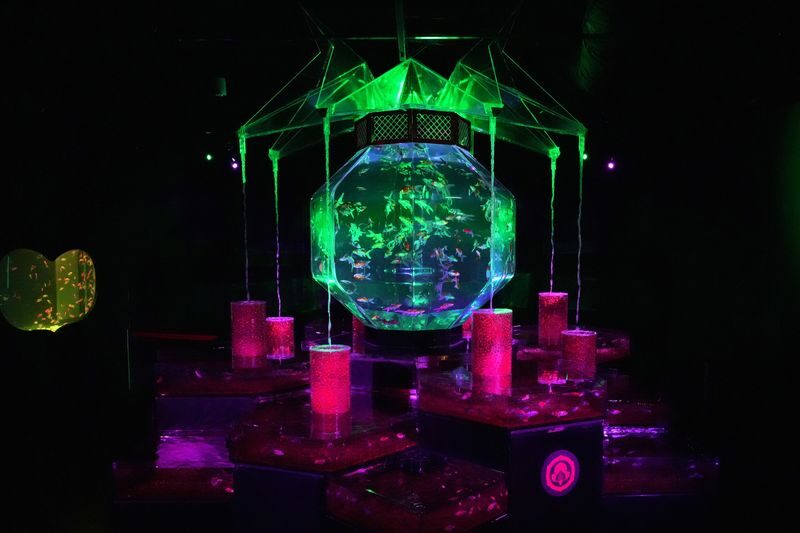
The route takes you through several themed displays. There is no guide or fixed tour schedule in the information provided, so you can take the rooms in at your own pace. The appeal lies in noticing how each display changes the way you see the fish, rather than racing through a checklist.
The Goldfish Corridor uses long rows of illuminated tanks. The fish move through bands of light and color, creating a more continuous view than a single display tank. It is a good place to slow down and watch the changing patterns, though the repeated arrangement may feel less surprising if you prefer varied exhibits.
The Goldfish Collection puts rare goldfish in creative tanks that draw attention to their shapes and flowing fins. This is where the differences between breeds become part of the show. The collection is visually striking, but it is still a focused exhibition: the main subject remains goldfish, rather than a wide variety of aquatic species.
At the Goldfish Waterfall, tanks are stacked in a formation meant to suggest flowing water. The vertical layout gives the display a different scale from the corridor and makes the tank arrangement itself part of the artwork. Take a moment to look across the full structure, rather than viewing only one level.
The Temaririum takes its patterns from temari, traditional Japanese handballs. Here, fish swim around bright designs that add a more decorative, geometric look to the room. It is one of the more distinctive stops if you are interested in the way Japanese craft motifs can inform contemporary display design.
In the Goldfish Bamboo Forest, tall column-shaped tanks glow like bamboo stalks. Shifting light changes the mood as you walk alongside them, and the upright forms make this room feel unlike the rows of tanks elsewhere. The quieter, darker atmosphere can be part of the effect, but it may not appeal if you prefer bright, open exhibition spaces.
Together, the rooms create variety without requiring a long visit. Some displays will hold your attention longer than others, especially if you enjoy photography or watching the fish closely. A digital-art section is also noted at the end of the route, followed by a museum shop.
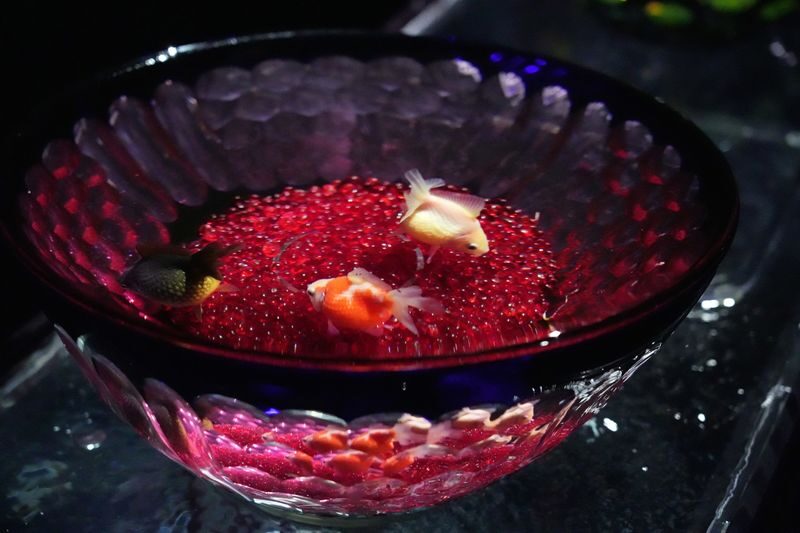
The stated visit time is 1 to 2 hours, but your pace makes a real difference. If you move steadily through each installation, you may be done in about 20 to 30 minutes. Allow closer to an hour or more if you want to study the designs, take photos, or revisit a favorite display.
That short duration is both a strength and a limitation. It is easy to fit between a meal, shopping, or another Ginza attraction, and it can work well as an indoor stop when the weather is poor. But if you are measuring value by hours spent inside, you may find the ticket expensive for the time.
There is no need to hurry through the rooms. Stand back to take in the whole tank arrangement, then look closer at the fish and the shapes of the displays. Since photos and videos are permitted, you can take pictures as you go. The dark setting and colored lighting create strong visual effects, though they can make some photos trickier than a bright, evenly lit gallery.
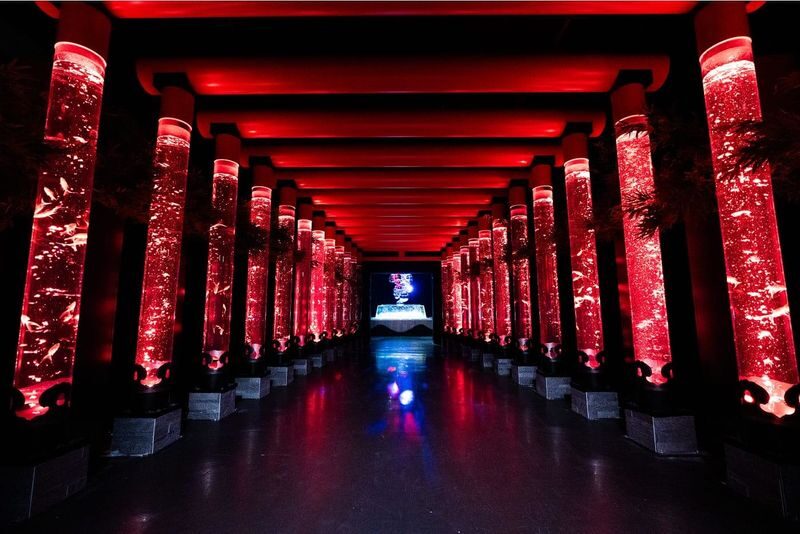
The atmosphere is deliberately subdued, with dramatic colored light and Japanese-inspired settings. Many visitors find the result peaceful and dreamlike; others find it dark or gloomy. If you enjoy atmospheric art shows, the contrast between the shadowy rooms and illuminated tanks is a major part of the appeal. If you prefer daylight and open spaces, it may feel enclosed.
The setup also raises a fair question about animal welfare. Some visitors are uncomfortable with the size of the tanks or the use of bright lights, and describe the fish as stressed or lethargic. That is a personal and ethical consideration worth weighing before you book. The exhibition’s artistic approach is central to the experience, but it will not sit well with everyone.
If you are bringing children, the colorful displays may hold their interest, especially for elementary-school-age visitors. Up to two children aged 0 to 12, including elementary school students, can enter free with a paying adult. Children in that age range must be accompanied by a paying adult. The free-child policy makes a family visit more affordable, though the dark rooms and relatively short route are worth considering for your own child.
Culture seekers can explore more Tokyo museums and galleries
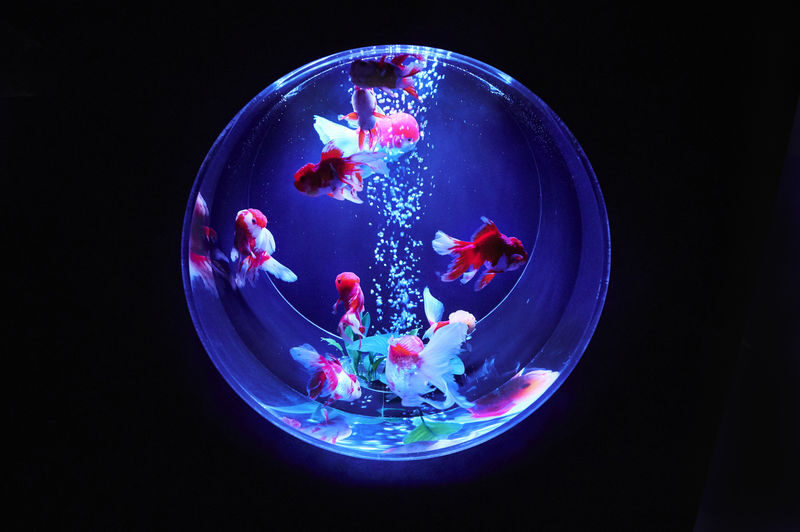
Admission starts at $17.05, with several package types available. The fixed-date ticket is for a selected date. A flexible-date adult ticket offers more choice within its validity period, while other packages add a JPY 500 museum shop voucher or combine the aquarium with teamLab Planets TOKYO or a 24-, 48-, or 72-hour Tokyo Subway ticket.
A buy-two-adult-tickets-get-one-free offer can be useful if three adults are visiting together. Check the terms of the specific option before purchasing, as package details and dates differ. Same-day tickets may be available with instant confirmation, but advance purchase is recommended because tickets can sell out on weekends and holidays.
Consider the ticket’s value in relation to what you want from the stop. The strongest reason to pay is the unusual design: the goldfish, lighting, and Japanese motifs make an appealing visual experience that is easy to pair with other plans. The weaker case is duration. If you expect a sprawling attraction or hours of exhibits, the relatively compact route may disappoint.
The ticket is valid only for the selected date and, when applicable, the selected time. If you miss your chosen time, you may still be allowed to enter later that day, but congestion can mean a wait. Cancellation and refunds are not available, so choose your date with care.
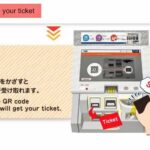
The museum is open daily from 10:00 to 19:00, with last entry at 18:00. Opening hours and closure dates can change, so check the official information before setting out. Enter directly with your voucher and scan the mobile QR code; no printed ticket is needed.
Strollers and pets are not allowed inside. There are no coin lockers at the museum, though you can find lockers around the station. If you are carrying shopping bags, plan where to store them before arriving.
The museum shop sits at the end of the route. If you have a package with a JPY 500 shop voucher, check how it applies to your purchase. Personal expenses beyond admission are not included.
Book it if you like art installations, photography, Japanese-inspired design, or an unusual indoor stop that fits neatly into a Ginza day. The Goldfish Corridor, Temaririum, and Bamboo Forest give the exhibition a clear visual identity, and the option to visit at your own pace is handy.
Think twice if you want a large aquarium, a long visit, or an exhibit that avoids keeping fish in compact tanks under colored lighting. For the right visitor, this is a memorable hour. For someone expecting a full-scale aquarium, it may be a pretty but brief detour.
“Original idea, but you can see everything in 30 minutes, which is why I consider it a bit pricey.”
Plan on about 1 to 2 hours, depending on how long you spend at each display and taking photos. A quicker visit may take around 20 to 30 minutes.
The museum is in the Ginza Mitsukoshi New Building at 4 Chome-6-16 Ginza. Enter via the Ginza Terrace on the 9th floor, using the New Building escalator or an elevator in either building.
Ginza Station has direct access. Higashi-Ginza Station is about a two-minute walk via an underground passage, Ginza-itchome Station is about five minutes away, and JR Yurakucho Station is about a nine-minute walk.
Yes. You may take photos and videos inside the museum.
Up to two children aged 0 to 12 can enter free with each paying adult. Children aged 0 to 12 must be accompanied by a paying adult.
Strollers and pets are not allowed inside, and the museum does not have coin lockers. There are numerous coin lockers around the station.
The stated hours are 10:00 to 19:00 daily, with last entry at 18:00. Hours and closure dates can change, so check the latest official information before your visit.