Physical Address
304 North Cardinal St.
Dorchester Center, MA 02124
Physical Address
304 North Cardinal St.
Dorchester Center, MA 02124

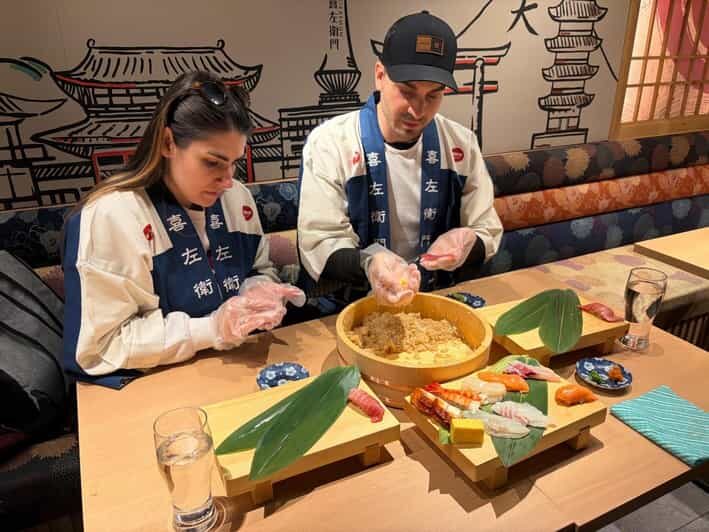
Make nigiri with professional chefs at Kyoto’s Sushi Kizaemon, learn the secrets of sushi rice and fresh fish, then enjoy your own creations.
Sushi Kizaemon turns a restaurant’s quiet hours into a hands-on lesson in one of Japan’s best-known foods. You’ll learn how rice is prepared, see a chef shape nigiri, then try working with fresh fish yourself before sitting down to eat your own sushi.
I like two things in particular: you’re learning in a working sushi restaurant, not a generic cooking studio, and the class pays attention to the rice as well as the seafood. The welcome is relaxed, too, with questions encouraged and English instruction provided.
One thing to know before you book: the hands-on focus is nigiri, not a broad course in every kind of sushi. If you’re hoping to learn maki rolls or a full restaurant menu, this may be narrower than you expect.
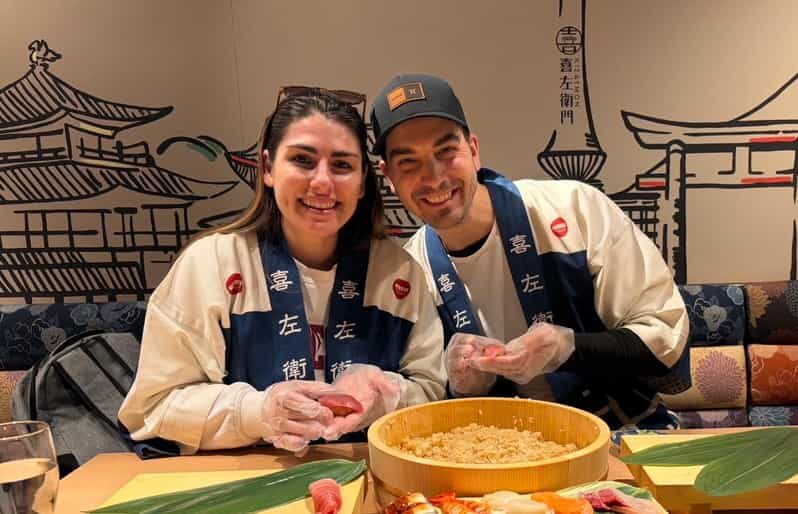
The setting is part of the appeal. Sushi Kizaemon is a real restaurant, used for its evening service, and the class takes place before it opens. That gives you a chance to see the work behind the meal in a place where sushi is made for diners, not just demonstrated for a class.
The contrast is simple and memorable: a sushi restaurant at night, a sushi lesson at noon. You’re not stepping into a theatrical kitchen built to look traditional. You’re learning in a restaurant where care with ingredients and technique matters to the food served later.
The session lasts about an hour and a half. That’s enough time to watch a demonstration, try the techniques, hear some background on sushi, and eat what you’ve made, without taking a large bite out of a Kyoto sightseeing day. Check the available start times when planning; the exact schedule can vary.
The class is suitable for beginners. You don’t need prior cooking experience, and the teaching is set up for people who are new to sushi making. If you already know your way around a cutting board, you’ll still have useful details to focus on, especially in rice handling and shaping.
You might also be interested in these Kyoto experiences
The first lesson is the part many first-time sushi makers might overlook: rice is not just a base for the fish. You’ll learn about preparing and handling sushi rice, a core part of the finished flavor and texture. The red vinegar used here is a particular talking point, and it’s a good reminder that sushi can taste quite different depending on how its rice is seasoned.
That emphasis matters. Sushi is often reduced to a piece of raw fish, but nigiri depends on the balance between rice and topping. The rice has to be shaped and handled with care, rather than packed into a hard lump. Seeing a chef demonstrate the process helps explain why a small piece of sushi can take more skill than its size suggests.
The red-vinegar detail may also give you a useful point of comparison when you eat sushi elsewhere. One participant was keen to seek it out after the class, and others singled out the rice’s flavor. You won’t leave with a full guide to every regional style, but you should have a better sense of how seasoning and technique shape what you taste.
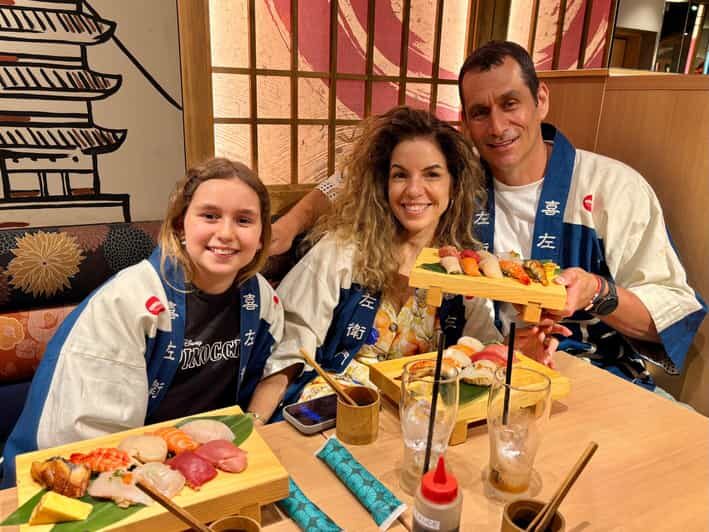
After the rice comes the fish. A professional chef demonstrates how to work with fresh seafood, including proper cutting and the steps for shaping classic nigiri. You then put those steps into practice, with guidance available as you go.
This is the hands-on heart of the class. You’ll handle fish and rice, and learn how to form the pieces rather than simply watching someone else do it. The demonstrations are described as clear and detailed, with examples to follow. English instruction is provided, including on-screen explanations, which can help make each step easier to track.
Some participants have learned to make around nine or ten pieces, while another described practicing nine types of nigiri. The exact number or selection may vary, so treat those figures as examples rather than a promise. The key point is that you get to practice more than one shape or topping, not just watch a single demonstration.
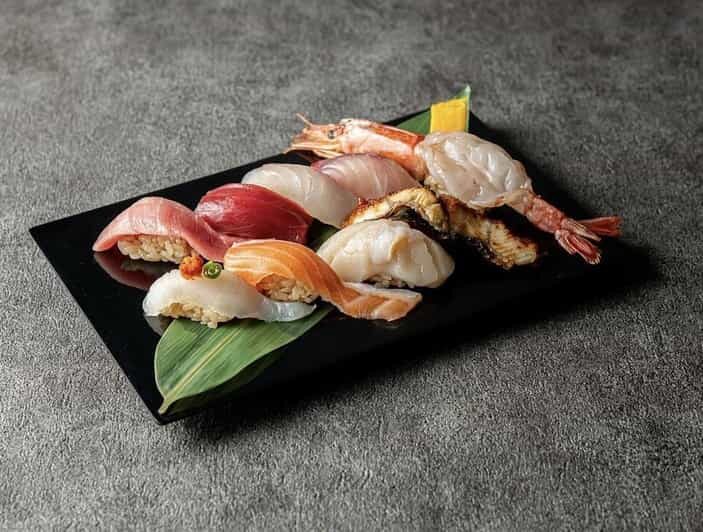
The seafood can include salmon, tuna, eel, shrimp, and other seasonal selections, depending on what is available. That variety helps turn the lesson into a tasting of ingredients as well as a lesson in technique. Eel and tuna have been particular favorites, but the selection is not fixed, so go in ready to try what’s served.
There is a practical limit to the class’s scope. The focus is nigiri, and one participant specifically noted that it did not cover other forms such as rolls. If your main goal is to learn maki, this is not the best match. If you’re curious about the craft of shaping fish over rice, the narrow focus is a strength: you have time to practice the central skill instead of rushing through several styles.
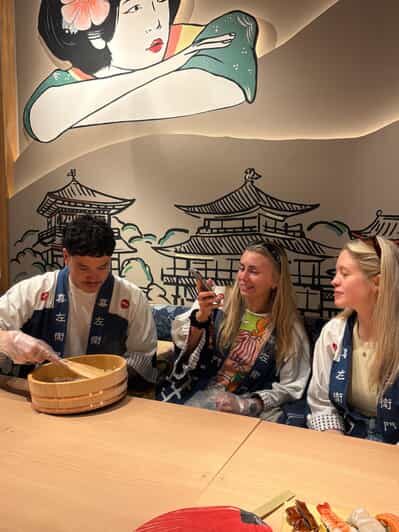
The class is led by professional chefs, with hosts helping explain the process and keep the session welcoming. Mio is a name that comes up often, and Shiho has also led sessions. The instructors are described as patient and approachable, and participants have found it easy to ask questions.
The format combines spoken teaching with chef demonstrations and examples. Some instruction is also shown on a screen in English. That mix is useful if you find it hard to follow a technique from words alone. You can watch the movement, then try it yourself.
The teaching goes beyond a set of hand motions. You’ll hear about sushi culture, ingredient selection, and why certain steps matter. That context gives the practice more meaning: you’re not just making a piece that looks right, but learning something about the care behind the food.
English is the listed language of instruction. One participant noted that an instructor’s spoken English was not perfect, but still found the explanations understandable. If you rely on detailed verbal explanations, the demonstrations and on-screen support should be helpful, though the experience is not described as a lecture-heavy class.
More Great Tours Nearby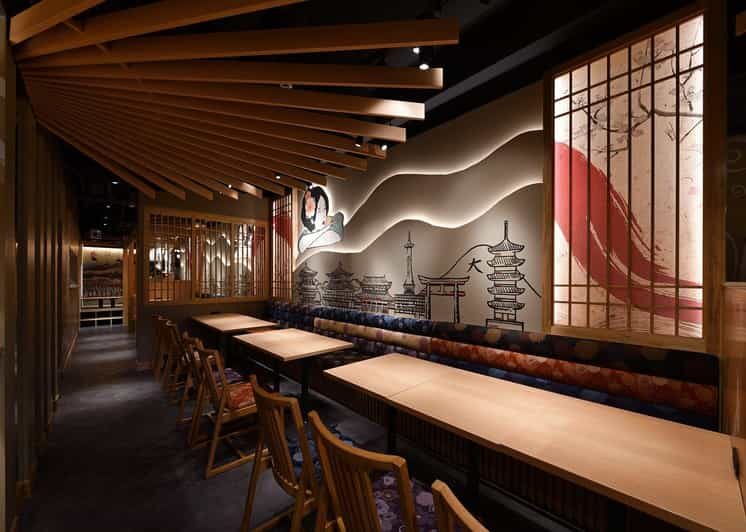
At the end, you enjoy the sushi you’ve prepared. That makes the class satisfying in two ways: you get to taste the result, and you can compare your own work with the chef’s examples. The food is made with high-quality seafood used for the restaurant’s evening service, rather than ingredients chosen only for a basic practice exercise.
Portions have been described as generous, and the finished sushi as fresh and delicious. Still, this is first a learning activity, not a sushi dinner with an extensive menu. Your meal depends on the pieces you prepare and the seafood available during the session.
The tasting is also where the lesson clicks. After handling rice and shaping nigiri, you may notice more clearly how the fish, rice, and technique work together. You might even leave with a new favorite topping or a better appreciation of the effort involved in a food that can appear deceptively simple.
You might also be interested in these Kyoto experiences
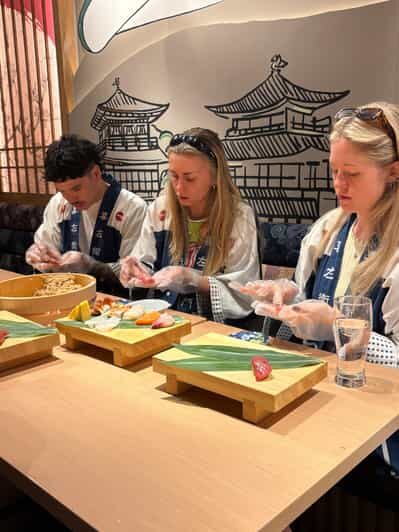
At $31 per person, the price is reasonable for a 90-minute activity that includes professional instruction, seafood, hands-on practice, and the sushi you make. It’s not just a short demonstration with a bite at the end. You take part in the preparation, learn the basics, and eat the results.
Value here depends on what you want from a cooking class. If you want a practical introduction to nigiri and a meal built into your activity, the price makes sense. If you want a long course covering sushi history, several sushi styles, or advanced knife skills, you may find the session too brief and focused.
The restaurant setting adds value that is hard to measure by the amount of food alone. You’re learning in a place where sushi is part of everyday professional work, and the ingredients are intended for restaurant service. That makes the class feel grounded in the food culture of Kyoto, rather than like an activity designed only for a photo.
This is a strong choice for sushi fans who want to understand more than the menu. If you’ve eaten plenty of sushi but never made it, the lesson gives you a new way to appreciate the precision involved. Even seasoned home cooks can enjoy the chance to work with fish and rice under a professional chef’s direction.
It also suits families. The relaxed format has worked well for parents and teenagers taking part together, and the class is intended for all skill levels. Since the activity is hands-on, it can be a good shared break from temple visits and walking, especially if your group enjoys food.
It may be less appealing if someone in your party does not like seafood or would rather watch than handle ingredients. The activity is built around fresh fish and eating the sushi you make. The available information does not specify dietary substitutions, so ask the provider before booking if you have dietary needs.
The experience is listed as wheelchair accessible, and cancellation is free up to 24 hours in advance. You can also reserve now and pay later, which gives you some flexibility while planning. Check the available start times before you build the rest of your day around the class.
Book it if you want a short, affordable, hands-on introduction to nigiri in a real restaurant, with professional guidance and a meal at the end. The best reasons to go are the attention to rice, the chance to work with quality seafood, and the friendly teaching style associated with hosts such as Mio and Shiho.
Skip it if you’re specifically looking for a full sushi-making course that includes rolls or several different dishes. This class keeps its focus on nigiri. For a first look at the care and skill behind sushi, though, that focus is exactly what makes the 90 minutes worthwhile.
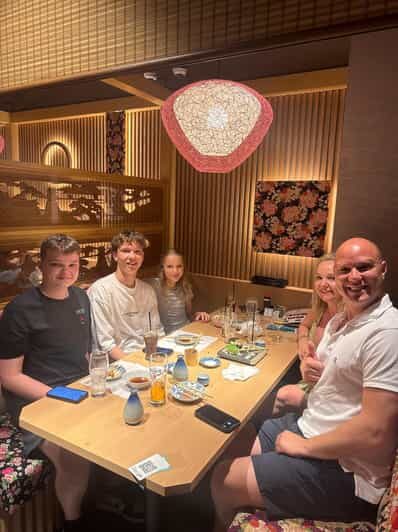
“We had a great workshop! The sushi is very tasty, and we learned a lot. We'll definitely be looking for the red vinegar, too.”
The experience lasts 1.5 hours.
The listed price is $31 per person.
Yes. It is designed for all skill levels, including people with no sushi-making experience.
The hands-on focus is nigiri. You’ll learn about sushi rice, handling fresh fish, and cutting and shaping nigiri.
Selections may include salmon, tuna, eel, shrimp, and other seasonal seafood, depending on availability.
Yes. English is the listed language of instruction. Demonstrations and on-screen English instructions may also be used.
You can cancel up to 24 hours in advance for a full refund. Booking with the reserve-now, pay-later option is also available.
You can check availability for your dates here: