Physical Address
304 North Cardinal St.
Dorchester Center, MA 02124
Physical Address
304 North Cardinal St.
Dorchester Center, MA 02124

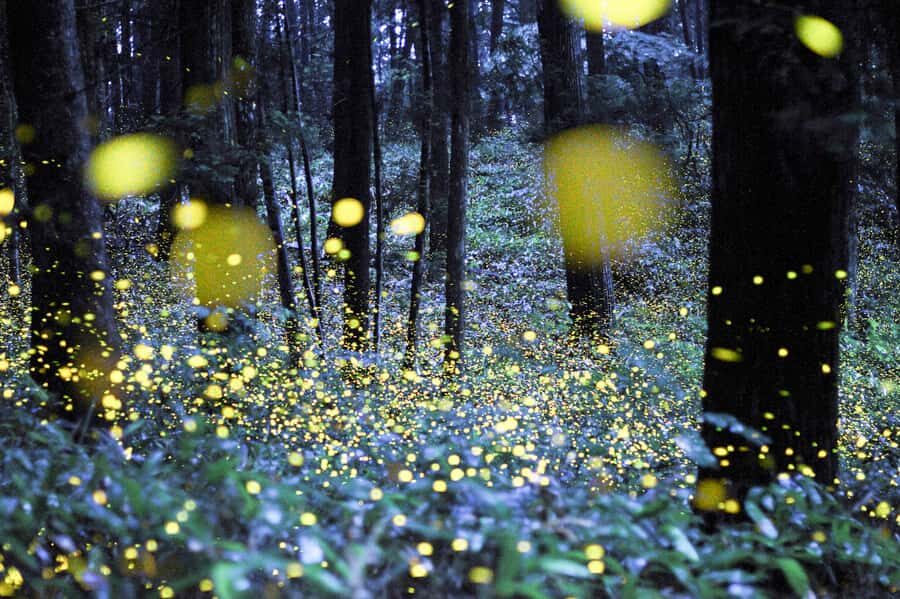
Explore Taro’s organic farm, share a Balinese dinner, visit a family compound, and watch fireflies above the rice fields near Ubud.
The fireflies are the last act, but the real pleasure of this Taro Village evening is the way it brings you into everyday Balinese life first. I like the farm walk, where local plants and food production come into view, and the visit to a family compound, which gives context to the customs and family ties you may otherwise only hear about.
The night ends with a walk through rice fields, a look at Bali’s Subak irrigation system, and a pause to watch fireflies among the sounds of frogs, crickets, and geckos. One caveat: fireflies are wild, so their numbers can vary with weather and season. The walk is also not suitable for wheelchair users, people over 70, or people with insect allergies.
The tour begins at the designated Ubud meeting point, listed as Pura Dalem Puri Peliatan-Ubud, before you head to Taro Village. The village setting is a change of pace from central Ubud: the evening is built around a working farm, family life, and rice fields rather than shops or a string of busy sights.
At Taman Dukuh Agroforestry, you’re welcomed with a drink before walking through the farm with a guide. This is a useful first stop because the plants are not just scenery. Guides have pointed out crops such as cacao, vanilla, papaya, herbs, and sugar palm, explaining how local produce is grown and used. One guide even demonstrated climbing a bamboo ladder to collect sugar-palm liquid.
You don’t need to know your tropical plants to enjoy this part. Ask questions, smell the herbs, and let the guide connect the farm to the food you’ll eat later. The tour’s strength is this steady link between land, cooking, and daily life.
The farm visit and dinner take about 100 minutes together, including welcome refreshments and the guided walk. That gives the first part of the evening a leisurely feel, though it also means the tour is not a quick stop for anyone interested only in seeing fireflies.
Evening activities in Bali include these interesting options

After the farm walk, you sit down to a Balinese dinner served at the farm. It is included in the $29 price, along with a snack, bottled water, a hot drink, and refreshments. The meal is often described as a highlight, and the detail that matters most is its connection to the farm: the ingredients are fresh, and the dishes offer a direct taste of local cooking.
Expect a proper meal rather than a token snack before the walk. Diners have described it as generous, flavorful, and homely, with local dishes and dessert. Black rice pudding with coconut milk and banana is one example of the kind of food you may encounter. Spice levels have not been a problem for everyone, but preferences differ, so tell the organizers about dietary needs before you go.
Vegan food has been provided for some participants, which is encouraging if you eat plant-based. Still, the tour details do not promise a specific menu or dietary accommodation for every booking. Confirm your needs in advance rather than relying on a particular dish being available.
Dinner also gives you a chance to settle in and talk with your guide. Guides such as Made, Depi, Wayan, and Deren have led the experience, though the person on your date can vary. Their explanations are a key part of the evening, so this is a good time to ask about ingredients, farming, or customs you are curious about.
After dinner, the group visits a traditional village home, often the guide’s family compound. This is not simply a look at a building. The guide explains how the compound is arranged, what different spaces mean, and how family roles and traditions shape life at home.
The visit can make Balinese customs easier to understand because you hear about them in the place where they are lived. Guides have discussed family hierarchy, inheritance, naming conventions, religious symbolism, and the way household spaces are assigned. You may meet family members going about their evening, which lends the visit a personal quality that a staged cultural display cannot offer.
The stop is usually about 30 minutes, but the conversation can feel substantial. Guides including Depi, Made, and Wayan have been praised for answering questions clearly and making visitors feel welcome. That matters: you are entering someone’s home, and a thoughtful guide helps keep the visit respectful rather than intrusive.
You should still remember that a family compound is a home, not a museum. Follow the guide’s lead, ask before taking photographs, and be mindful of family members’ privacy. The tour’s value comes partly from the generosity of the people who welcome you, so a little courtesy goes a long way.
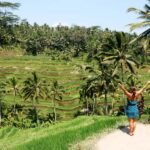
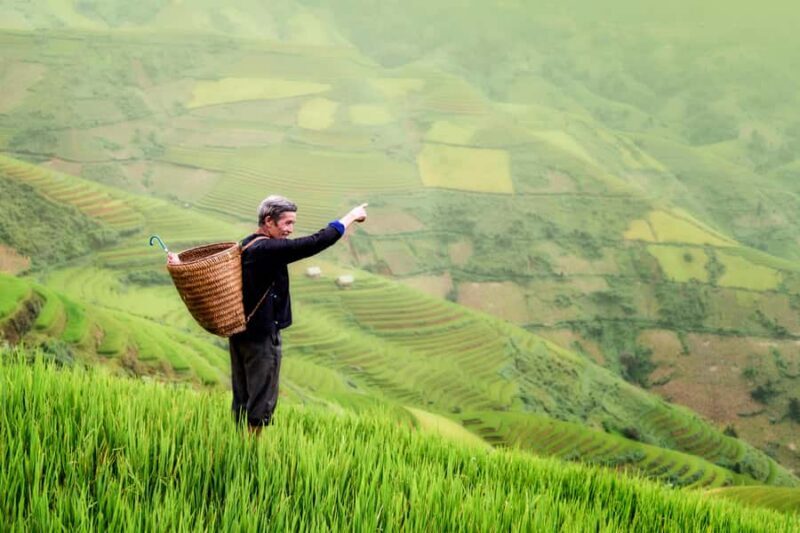
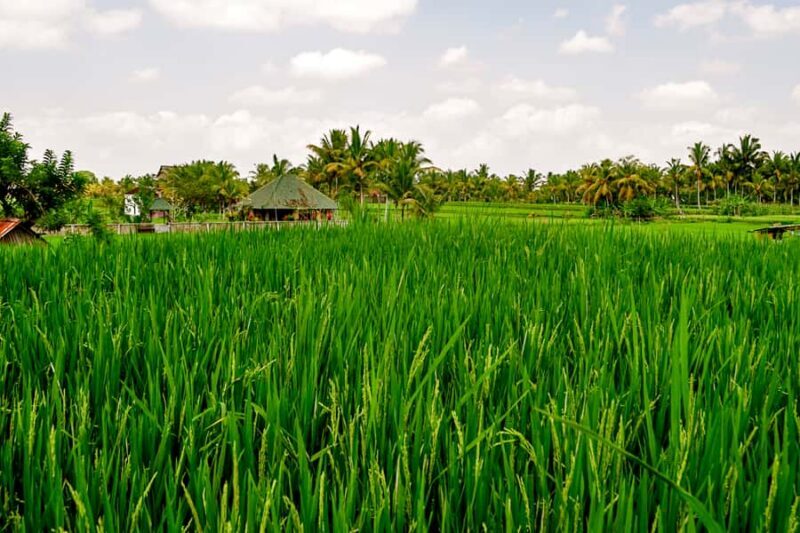
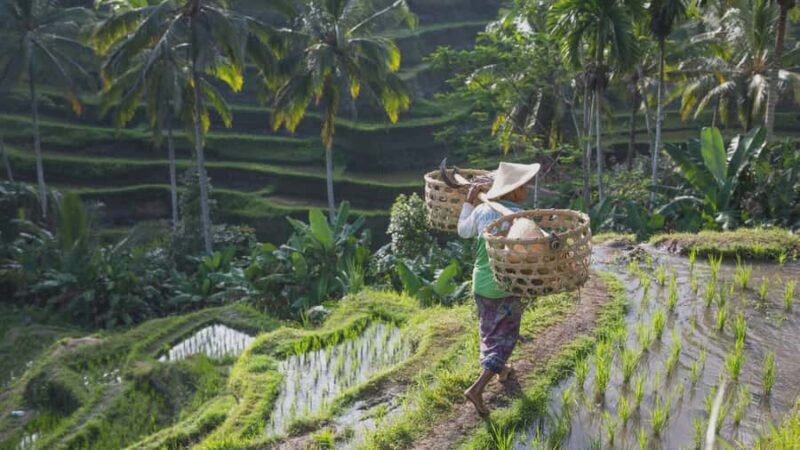
The final section takes you to the rice fields for a walk and a longer stop at a viewpoint or small building in the paddies. The guided portion is listed at about 1.5 hours. Along the way, you learn about the Subak irrigation system, rice cultivation, and the harvest cycle, giving the fields a human story as well as a beautiful night-time setting.
Subak is Bali’s well-known system for managing irrigation. Seeing the paddies while hearing how water and rice growing fit into local life helps make the system less abstract. This is not a technical lecture, but a chance to connect the farm’s crops and the village’s routines with the fields around you.
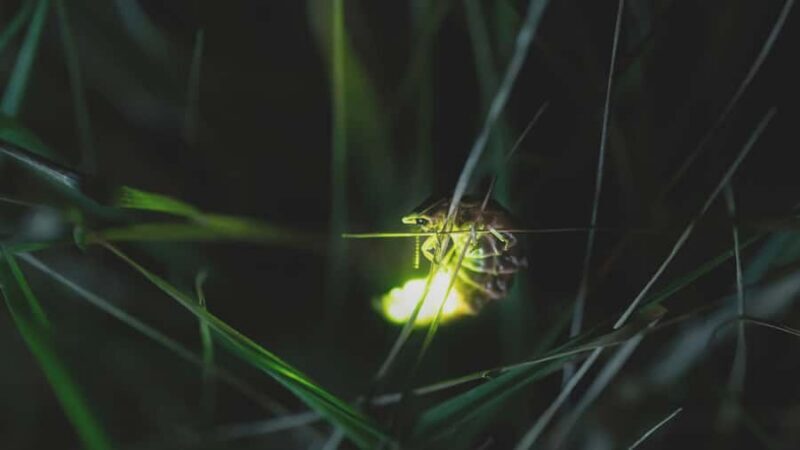
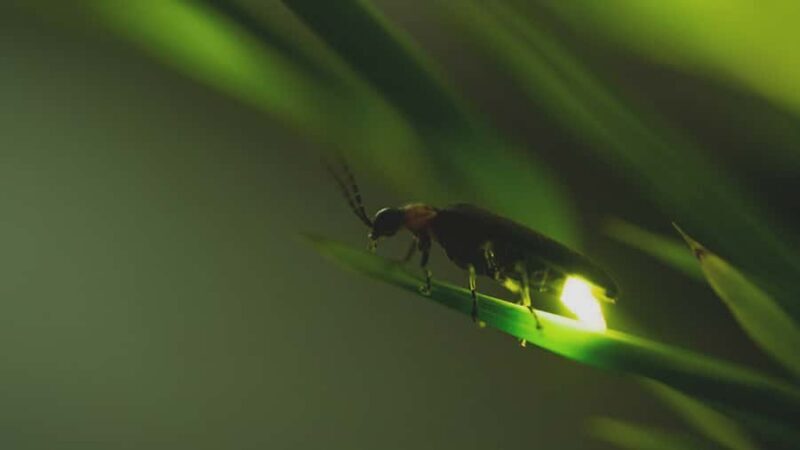
Then the fireflies take over. In a dark field, their small flashes can seem surprisingly bright. You may also hear frogs, crickets, and geckos, so pause and let your eyes adjust rather than expecting a bright, staged spectacle. Some guides may catch a firefly briefly in a jar so you can see its glow more closely, then release it. That is not something to count on, but the field itself is the main event.
Conditions matter. Firefly numbers can change with weather and season, and a rainy night has brought fewer sightings. A new moon has been described as a good time to see them, since the darker sky makes their lights easier to notice. But the natural setting means there is no guarantee of a particular number. Even when the fireflies are sparse, the quiet walk and night sounds remain part of the experience.
Bring a camera if you like, but don’t expect easy phone photos in the dark. This is a better memory than a picture. Put the screen away for a few minutes, listen to the fields, and give yourself time to see the flashes without trying to capture every one.
More Great Tours Nearby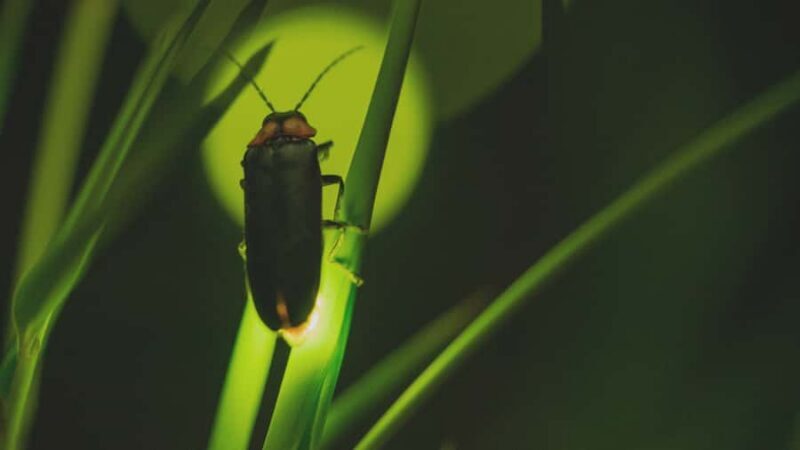
The tour costs $29 per person and lasts four hours. For that price, you get a local guide, entrance tickets, dinner, a snack, bottled water, a hot drink, and refreshments. The included meal and several guided activities make it good value if you want both cultural context and an evening outdoors, rather than a short firefly viewing alone.
A free shuttle is included from a designated meeting point in Ubud, but getting yourself to that point is not included. Pickup may be available for an additional fee, depending on the option you book. Check the exact meeting location and pickup arrangement when reserving. The listed starting point is Pura Dalem Puri Peliatan-Ubud, but the meeting point can vary by booking option.
Arrive at the meeting point 10 minutes before your scheduled shuttle time. Look for the sign marked BALI FARM COOKING on the driver’s side. The pickup area can be confusing if several vans or guides are gathering there, so confirm the correct vehicle and name before you leave.
Wear comfortable shoes for the farm and field walk, and bring a light jacket for the evening. A camera is useful, but don’t count on taking sharp photos of fireflies. Pets are not allowed. The tour is not suitable for wheelchair users, people over 70, or people with insect allergies.
The tour is offered in English and Indonesian. Free cancellation is available up to 24 hours before the activity, and you can reserve now and pay later. Check availability for start times, since the schedule can vary.
This is a strong choice if you want to learn about Balinese food, farming, and family life in one outing. It suits curious visitors who enjoy asking questions and are happy with a calm, guided pace. The personal home visit is likely to be especially meaningful if you want to understand customs through conversation rather than a quick explanation at a landmark.
Families can also consider it. Children aged four to eight have enjoyed the farm, food, and fireflies, and a two-year-old has joined the experience. Still, the evening includes walking in the dark and spending time in fields, so think about your child’s comfort with both before booking.
Solo visitors may find the small-group setting comfortable, and the tour can still run with individual attention if you are the only person booked. The guide is central to the experience, so their warmth and ability to explain local life can make a real difference. Guides such as Depi, Made, Wayan, and Deren have been named by past participants, but you cannot choose or assume a particular guide will lead your date.
If your main goal is a guaranteed close-up view of a large number of fireflies, this is not the safest bet. The insects are wild, and the weather can affect what you see. Book it for the whole evening: the farm, meal, family visit, irrigation walk, and night sounds are all part of the value.
Book this tour if you want a personal, unhurried look at rural Balinese life, with a good dinner and a chance to see fireflies as the night’s finale. The family compound visit and farm walk give the outing more substance than a simple nature stop, and $29 is a fair price for a four-hour evening with food and a guide included.
Skip it if you need step-free access, have an insect allergy, are over 70, or would be disappointed by a night with few fireflies. For everyone else, go with open questions, comfortable shoes, and modest expectations about the wildlife. The best reason to book is not a promise of a perfect firefly display, but the chance to spend an evening learning how food, family, farming, and rice fields fit together in Taro.
“I thoroughly enjoyed this tour. Authentic Balinese food and farming techniques … and the food was delicious!! Darren was superb!! I especially en…”
The activity lasts four hours. It includes a farm visit and dinner, a visit to a traditional village home, and a guided walk through the rice fields.
The listed price is $29 per person. Dinner, entrance tickets, a local guide, a snack, bottled water, a hot drink, and refreshments are included.
The listed starting point is Pura Dalem Puri Peliatan-Ubud. The exact meeting point may vary depending on the option you book, so check your booking details.
A free shuttle is included from a designated meeting point in Ubud. Transport to that meeting point is not included, and pickup may be available for an additional fee.
The tour includes an authentic Balinese dinner at the organic farm. Vegan food has been provided on some tours, but confirm dietary requirements before booking.
No specific number of fireflies is guaranteed. Their numbers can vary with weather and season, though the rice-field walk and nighttime sounds are part of the experience either way.
Bring comfortable shoes, a camera, and a jacket. Shoes are useful for the farm and field walk, and a jacket may come in handy in the evening.
Children have taken part, including children aged four to eight and a two-year-old. The tour information does not set a minimum age, but consider whether your child is comfortable walking and spending time outdoors after dark.
The tour is not suitable for wheelchair users, people over 70, or people with insect allergies. Pets are not allowed.
You can check availability for your dates here: