Physical Address
304 North Cardinal St.
Dorchester Center, MA 02124
Physical Address
304 North Cardinal St.
Dorchester Center, MA 02124

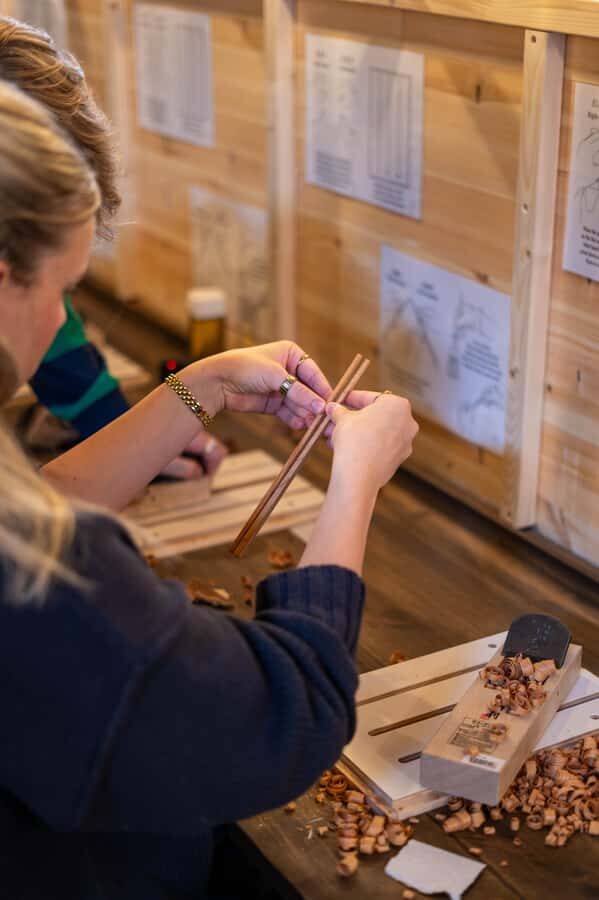
Shape and sand wooden chopsticks near Kyoto’s Yasaka Pagoda in a relaxed, beginner-friendly class with optional engraving.
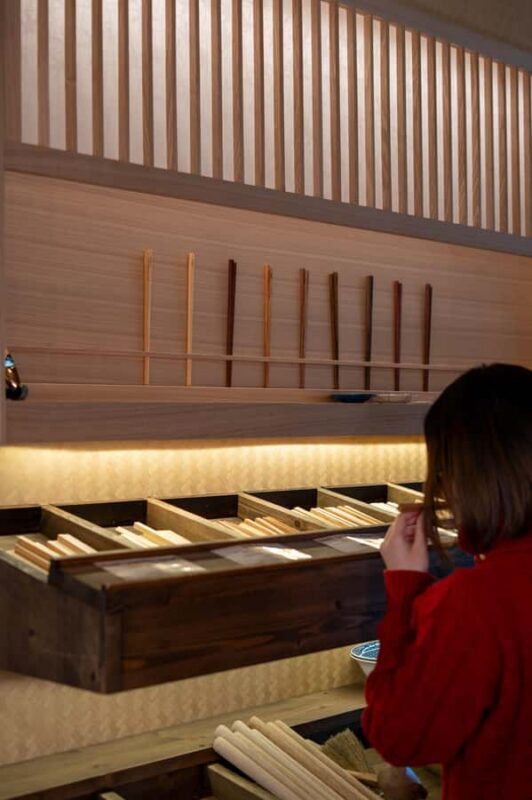
Making chopsticks by hand gives you a useful souvenir and a small feel for the care behind an everyday Japanese object. I like that you choose the wood and length yourself, then shape it with a hand plane, and that the finished pair gets a natural-oil finish rather than being just a quick craft project.
I also like the central Gion location, a one-minute walk from Yasaka Pagoda, and the patient English-speaking instruction that makes the class accessible to beginners. One thing to budget for: the $15 price includes only two of the nine wood types, and engraving and other wood choices cost extra.
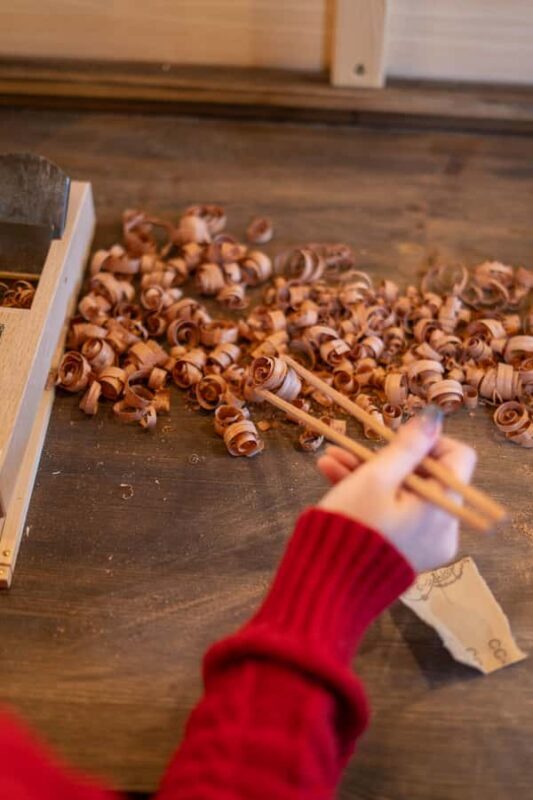
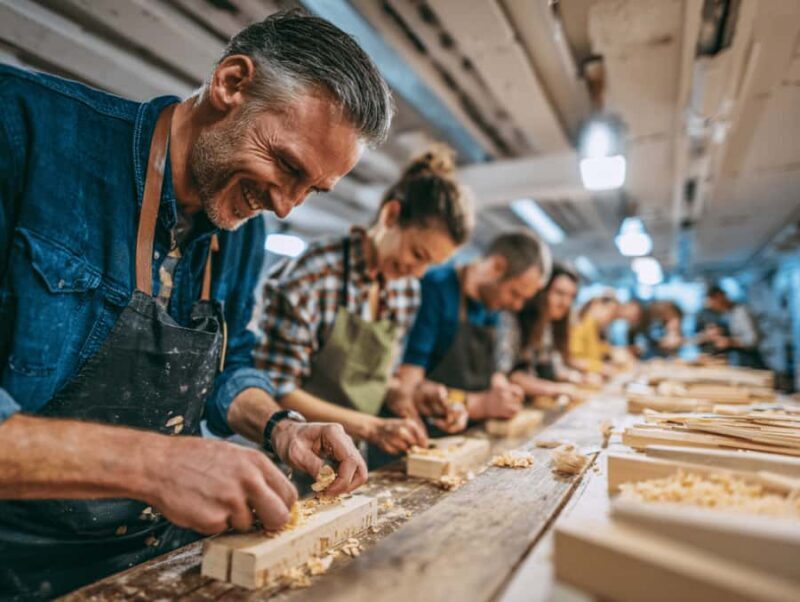
This workshop turns a simple object into a small piece of hands-on learning. You do not need woodworking experience. Staff guide you through the steps, from choosing a blank to smoothing its edges, and you leave with chopsticks you have shaped yourself.
That distinction matters. Kyoto is full of tempting souvenirs, but many are made for you to pick up and carry away. Here, the making is part of the keepsake. You feel the grain beneath the sandpaper, see the form emerge as you plane the wood, and finish with a pair tied to your own choices.
The experience is also brief enough to fit into a day of sightseeing. At one hour, it can work as a morning or afternoon activity rather than demanding half a day. The tradeoff is that the class is an introduction to handcraft, not an in-depth woodworking course. You will learn the basic process and make a functional pair, but the pace is designed to get you through the project.
You might also be interested in these Kyoto experiences
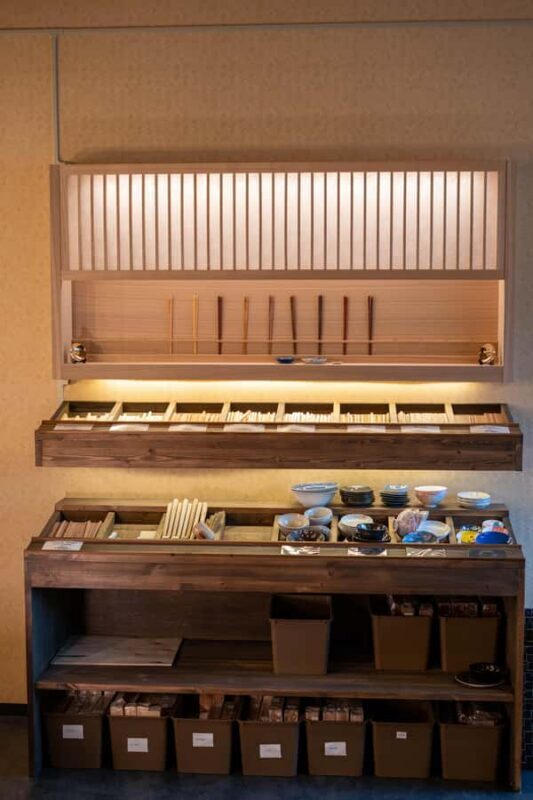
The first decision is the wood. There are nine types in total, with two included in the $15 price and the rest available at an additional cost. Each type has its own color, grain, and character, so the choice changes both the look and feel of the finished chopsticks.
If you prefer a particular shade or pattern, ask about the options and any added cost before you settle on one. There is no need to pay extra simply because more choices are available. The included woods may suit you perfectly, while a particular grain or tone might make an upgrade worthwhile if the material itself is part of the appeal.
You also choose a length. That is a practical detail, not just a decorative one: chopsticks should feel comfortable in your hand. If you are unsure, ask the instructor to help you compare the options. Staff are available to guide you, and the workshop is intended for beginners.
Wood hardness can affect how much effort the shaping takes. Some participants have found certain choices tougher to carve than others, so consider asking which wood is easiest to work with if you would rather keep the physical part light. One visitor described the harder option as a small arm workout, not a major obstacle, but your preference matters.
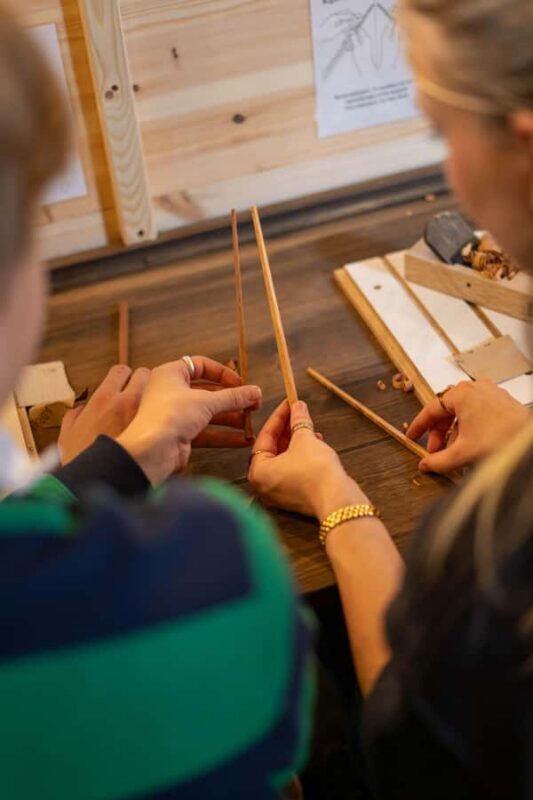
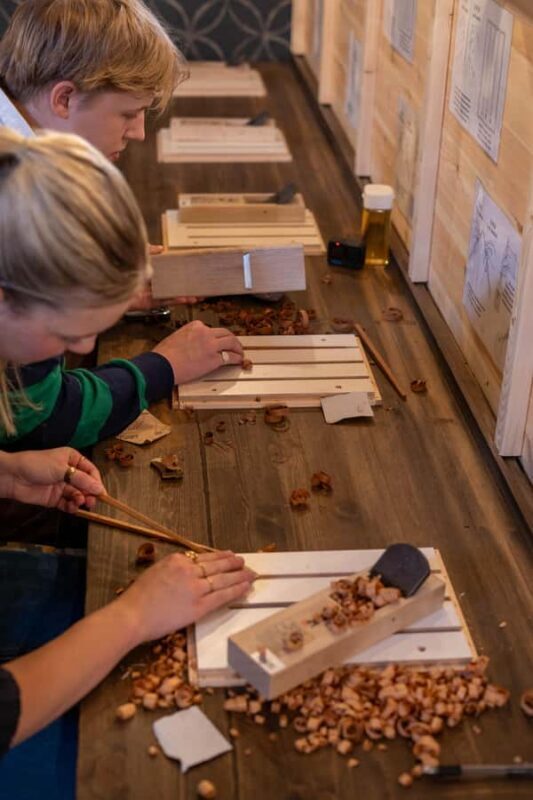
Once you have chosen your wood and length, you place the blanks on a stand and use a hand plane to shape them. The process calls for attention and a little patience. You are not simply decorating a finished pair; you are working the material toward the familiar chopstick form.
The hand plane is the most active part of the class. Staff explain how to proceed and help if your shape starts to go astray. That guidance is useful for first-timers, and it helps keep the activity relaxed rather than turning a small mistake into a source of stress. If you are nervous about getting everything perfect, remember that the instructors are there to assist.
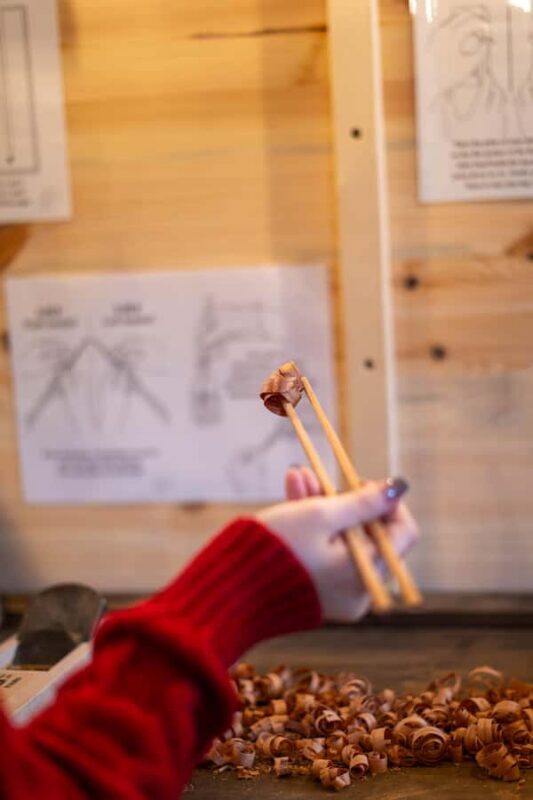
Next comes sanding. You smooth the surface and edges, bringing out the wood’s natural appearance while making the chopsticks comfortable to hold. This is a quieter stage, and one of the more satisfying parts: the finish changes gradually as roughness gives way to a smoother feel.
A coat of natural oil completes the work, protecting the wood and giving it a soft, polished look. The sequence gives you a clear sense of how a plain piece of wood becomes something you can use. It is simple enough for a novice, but tactile enough to feel like making rather than watching.
After shaping and finishing, you can arrange to have your name engraved. The engraving costs extra, and it can be done in Japanese or your native language. If you want it, treat it as an add-on when considering the total price, rather than assuming it is part of the $15 fee.
Engraving is especially appealing if you are making the chopsticks as a gift or as a memento of a special trip. It adds a clear personal link to the object, while the wood and hand-finished shape already make each pair your own. Some participants have also added a symbol, so ask the staff what choices are available during your session.
The personalization options are useful, but they can make the final cost higher than the headline price. Decide in advance how much the keepsake matters to you. You can still have a satisfying class and take home your handmade chopsticks without paying for every available extra.
More Great Tours Nearby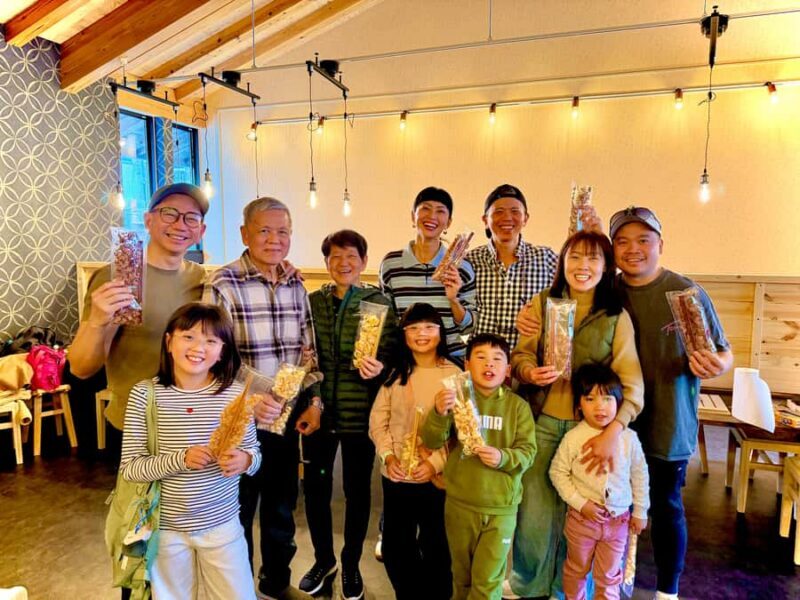
English-speaking staff assist throughout the workshop. The instructors’ names have included Kenta, Patrick, Liz, Rebecca, Hazeb, and others. The main point is not who happens to lead your session, but that guidance is part of the experience: staff explain the process, help with the tools, and can step in if you need a hand.
The tone is described as relaxed and supportive, which suits a craft activity where people work at different speeds. Some participants have needed help correcting their shape, and instructors have been willing to guide them or let them restart when possible. That kind of patience is reassuring if you are not confident with hand tools.
The class also works well for couples and families. A nine-year-old has stayed engaged through the activity, and one family described it as a good shared experience. The stated age restriction is that children under five are not suitable, so this is not an activity for the very youngest children.
The workshop is not suitable for wheelchair users. If access needs are a concern, check directly with the provider before booking, since the available information does not describe the space in further detail.
The meeting point is one minute on foot from the famous Yasaka Pagoda in Gion, at coordinates 34.9988893, 135.7776402. That location makes the class easy to pair with time in the surrounding area, especially if you are already sightseeing nearby.
Transportation to the venue is not included, so plan your own route. Meals are not included either. With a one-hour duration, the activity is best thought of as a compact stop in your day, rather than a full outing with transport or food arranged for you.
The central location is a practical plus, but the class itself is the reason to book. If you are choosing between a quick craft activity and a longer cultural program, this one offers a focused introduction: you learn a few stages of chopstick making and leave with the object you worked on.
At $15 per person, the base price covers the chopstick-making workshop. That is reasonable for a guided, one-hour activity that includes the materials and produces a take-home item, especially if you value the process as much as the finished pair.
The key is to keep the add-ons in view. Only two of the nine wood types are included in the base price, while other woods and name engraving cost extra. The information does not specify those extra charges, so ask before choosing if you want to keep to a set budget.
I would judge the value by what you want from the hour. If you want a personal souvenir and a chance to try a traditional handcraft, the class offers more than buying a ready-made pair. If you mainly want inexpensive chopsticks, the added value may matter less, and the optional upgrades could make the final cost feel less modest.
You can reserve now and pay later, and cancellation is free up to 24 hours in advance for a full refund. Starting times depend on availability, so check them when planning your day.
Book it if you want a short, hands-on Kyoto activity, enjoy making things, or would rather bring home a souvenir with a story behind it. The class is beginner-friendly, the English-speaking support makes the steps clear, and the location close to Yasaka Pagoda is convenient for a day in Gion.
Think twice if you dislike using hand tools, want a long technical lesson, or need wheelchair access. Also, set your budget with optional woods and engraving in mind. For a relaxed hour and a keepsake you have shaped yourself, this is a strong choice, particularly for couples, older children, and curious first-time makers.
“It was fun. I throughly enjoy my chopsticks. Malu was a great teacher. Skilled with her knowledge in wood.”
The workshop lasts one hour.
The listed price is $15 per person. Two types of wood are included, while other wood choices and engraving cost extra.
There are nine types of wood in total. Two are included in the price.
Yes. You can choose a short or long length.
No. Name engraving is an optional extra. It can be done in Japanese or your native language.
Yes. The activity is suitable for beginners, and English-speaking staff are available to help.
The meeting point is a one-minute walk from Yasaka Pagoda in Gion. Children under five and wheelchair users are not suitable for this activity.
You can check availability for your dates here: