Physical Address
304 North Cardinal St.
Dorchester Center, MA 02124
Physical Address
304 North Cardinal St.
Dorchester Center, MA 02124

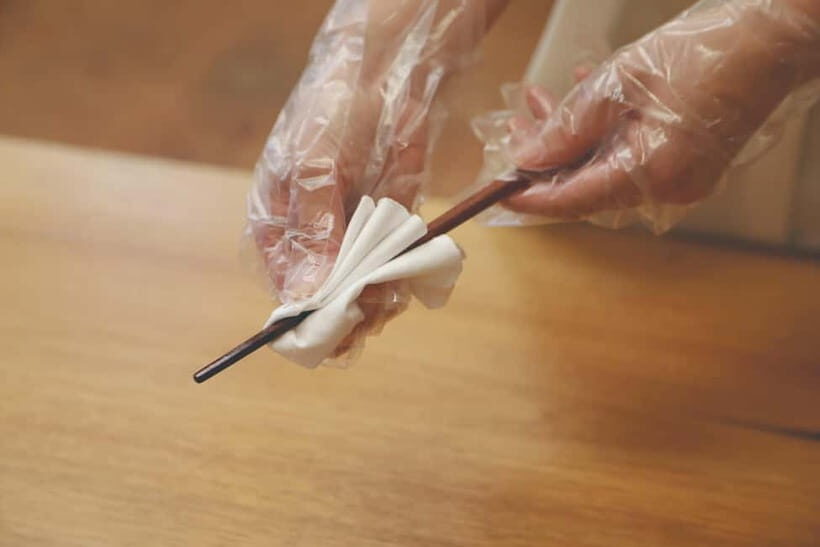
Make hand-planed chopsticks in Ginza, choose from 24 woods, add a personal engraving, and take home a useful Tokyo keepsake.
Making chopsticks by hand turns an everyday tool into a small woodworking project. At this Ginza workshop, you choose the wood, shape the sticks with a plane, sand them smooth and finish them with oil. You leave with a pair you made yourself, ready to use at home.
I like two things in particular: you get to choose from 24 types of wood, with two lengths available, and the work is genuinely hands-on rather than a quick decorative craft. English-speaking staff explain each step, and you can add a name or phrase in Japanese or your own language.
The main consideration is that planing takes real pressure and patience, and the advertised $25 price does not cover every wood option or engraving. Specialty woods cost extra, and engraving is ¥1,100 per pair. The official activity information also says it is not suitable for children under 3 or adults over 70.
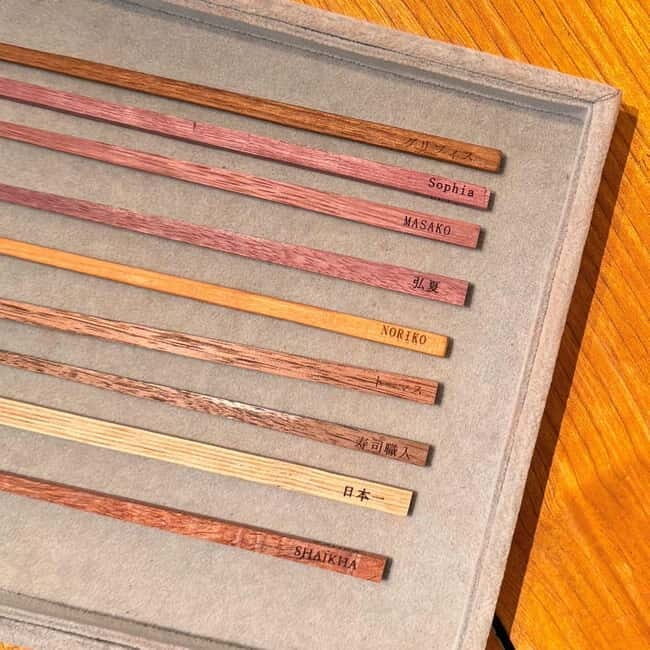
The workshop begins with a choice: 24 types of wood and two lengths. Five types are included in the base price; the remaining 19 are higher-grade options that cost extra. If you have a particular wood in mind, ask about its price before you start. The available information does not give a price for each upgrade, so it is sensible to confirm the total before settling on one.
That choice affects more than appearance. Different woods can feel different under the plane, and some take more effort to shape. Olive wood, for example, has proved a tougher option to work. If you want an easier first go, you can ask the instructor to help you compare the choices rather than choosing by name alone.
You also pick between two lengths. The choice makes the finished pair feel personal and useful, rather than just a souvenir made to look good in a photo. If you are making chopsticks for someone else, think about who will use them before you begin.
The workshop is run by a woodworking company that handles its materials and processing in-house. That focus matters here: the wood itself is part of the activity, not just raw material hidden beneath a coat of paint. Some of the options are said to be hard to find elsewhere, though the specific woods vary.
You can check availability for your dates here: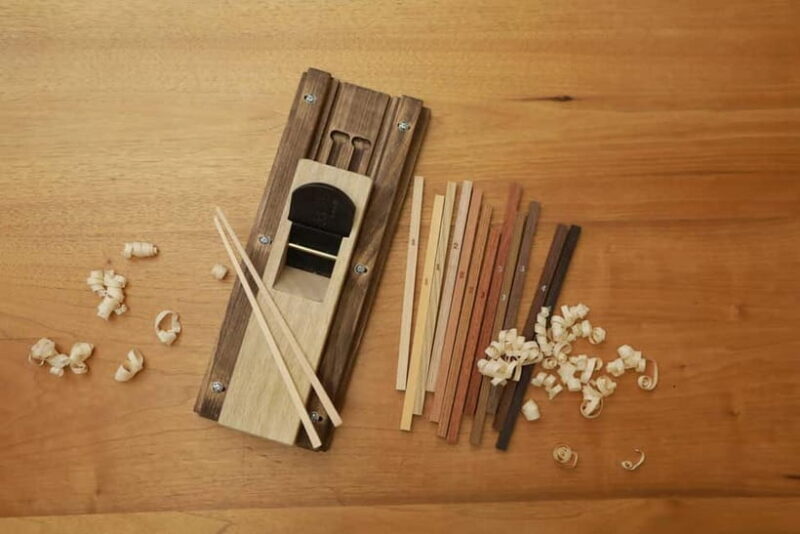
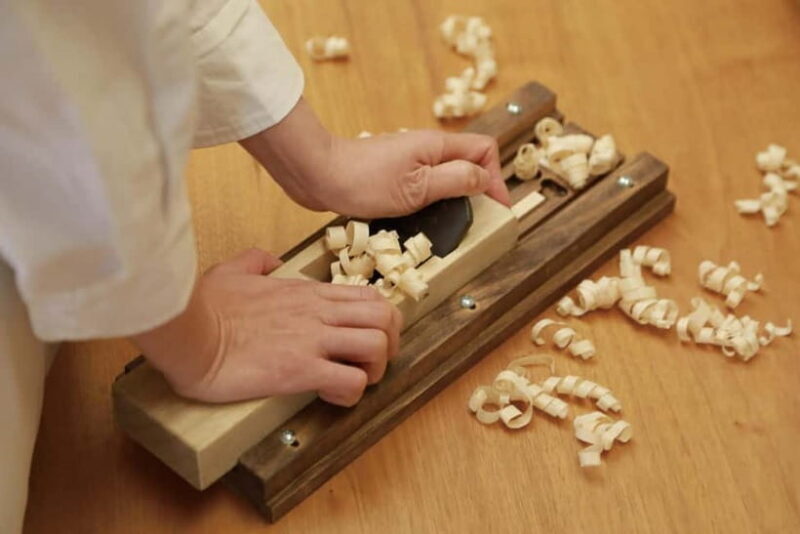
Once you have chosen your wood, you place the chopsticks on a stand and shape them with a plane. This is where the activity becomes more than a gentle craft session. You push the tool along the wood and need enough force to shave it down. Some people find the first strokes awkward; once you get a feel for the pressure and movement, the work becomes easier to follow.
It is worth taking your time. The aim is to shape a pair that feels right in your hand, not to finish first. Instructions are given step by step, and English-speaking staff can help if you are unsure how to hold or move the tool. The instructors named by past participants include Tina and Waka, as well as Kotoha, Shion and Koko. Who is leading your session may vary.
There is a physical side to planing that is easy to underestimate. People describe using their arms and shoulders, and the work can feel strenuous, especially with tougher wood. Tie back long hair, and do not expect the tools to do the job for you. That effort is part of the appeal: you can see and feel the shape changing under your hands.
At the same time, this is not a woodworking course that expects you to arrive with experience. The instructors guide beginners through the process, and the activity is designed to be completed in about an hour. If you struggle at first, ask for help early instead of trying to muscle through a tool technique that feels wrong.
You might also be interested in these Tokyo experiences
After planing, you use sandpaper to smooth the tips and corners. This stage calls for a lighter touch and a little patience. It is also your chance to refine the shape and make the pair feel comfortable. The difference between a rushed finish and a careful one is noticeable when you pick up the chopsticks.
You then apply oil to finish the wood. That final step gives the pair a more polished look and lets the grain show. The workshop’s emphasis is on the material and finish, so the process has a clear purpose: you are making something designed to be used, not merely assembled for display.
The hour is a useful guide, not a stopwatch promise. Most people can complete a pair within that window, but detailed sanding can take longer. Some participants have stayed beyond the hour to get their chopsticks just right, and making a second pair takes additional time and cost. If you have a tight schedule, avoid booking this immediately before another fixed commitment.
You can take your chopsticks home the same day, or add an optional engraving. Names and favorite phrases can be engraved in Japanese or your own language. The fee is ¥1,100 per pair. The workshop uses a laser engraver that the company describes as placing gentle stress on the wood, a practical method for adding detail without turning the personalization into another long craft step.
If you want Japanese text, you can bring the name or phrase you have in mind and ask staff to help translate it. That can make the finished pair feel more connected to your time in Japan, but check the wording before it is engraved. It is a permanent addition, and a name or short phrase is a safer choice than a line you have not confirmed.
Engraving is not included in the base price, so account for it when comparing the workshop with a ready-made pair. The same goes for upgraded wood. The basic price is $25 per person, with a ¥1,000 guide fee included in the experience fee. You are paying for the instruction, tools, materials and a handmade keepsake, not just for the raw wood. Still, the final cost depends on your choices, so ask about upgrades before work begins.
The workshop is at 2-9-13 Ginza, Chuo-ku, in central Tokyo. It fits neatly into a day spent around Ginza, and the one-hour format makes it easier to plan around other activities than a half-day class. English and Japanese instruction are available, and the activity is listed as wheelchair accessible.
The official information says the activity is not suitable for children under 3 or people over 70. If you fall outside those ages, check directly before booking. The hands-on work does require physical effort, so age alone may not tell you whether the planing will suit you.
For families with older children, this can be a good shared activity because everyone works on an object they can use later. A 12-year-old has enjoyed the process, and one family with children aged 8 and 12 found the instructions manageable. The physical work can still be a challenge at first, so younger participants may need extra help from the instructor.
The space can get busy. At a quieter time, you may have more room to work at your own pace; when several people need help at different stages, staff attention can be stretched. The instructors are described as patient and attentive, but do not count on having one teacher beside you every minute. If you have a question, raise it as you go.
One practical detail: enter the full Ginza address when finding the meeting point. A visitor once went to the wrong address before checking the booking site again. Confirming the address in advance is a simple way to avoid spending workshop time getting your bearings.
More Great Tours NearbyA pair of ordinary chopsticks costs less than this experience. That is not really the comparison to make. The value here is in choosing the wood, shaping the pair yourself, learning a basic woodworking technique and leaving with something you can use. The finished chopsticks can remind you of Tokyo long after a small decorative souvenir might be forgotten in a drawer.
At $25 per person, including the workshop, materials, tools and English-speaking staff, the base price is reasonable for a guided, hands-on hour in central Tokyo. The value is strongest if you enjoy making things and want a useful souvenir. It is less compelling if you want an inexpensive set of chopsticks and have no interest in the work involved.
Do budget for possible extras. Nineteen of the 24 wood types carry an additional charge, and engraving costs ¥1,100 per pair. One family paid ¥2,200 to engrave two pairs. The exact surcharge for each specialty wood is not provided here, so ask before choosing if you are keeping to a strict budget.
You can reserve now and pay later, and cancellation up to 24 hours in advance is eligible for a full refund. Check available start times when booking, especially if you need to fit the activity between other plans.
I would choose this activity if I wanted a Tokyo souvenir with a story behind it, especially one I could use at home. It suits curious first-timers, couples, families with older children, and anyone who likes practical crafts more than passive sightseeing. The personal engraving and wood selection give you a lot of room to make the result feel your own.
Think twice if you dislike repetitive handwork, have limited strength for planing, or need a tightly timed activity with no chance of running over. The craft is accessible to beginners, but it is not effortless. The best reason to book is not simply to collect another keepsake. It is to spend an hour making one carefully, then carry that work into everyday meals.
“Quite fun actually. It takes some strength to peak the wood. In the end you get a sense of achievement for making something.”
The activity is listed as one hour. Careful sanding or making an additional pair can take longer.
The meeting point is 2-9-13 Ginza, Chuo-ku, Tokyo. Use the full address when planning your route.
Instruction is available in English and Japanese. English-speaking staff assist during the workshop.
There are 24 types of wood and two lengths. Five wood types are included in the base price; the other 19 are higher-grade options that cost extra.
No. Engraving is optional and costs ¥1,100 per pair. Names or favorite phrases can be engraved in Japanese or your own language.
Yes. You can take your finished chopsticks home on the day of the workshop.
You can cancel up to 24 hours in advance for a full refund.
You can check availability for your dates here: