Physical Address
304 North Cardinal St.
Dorchester Center, MA 02124
Physical Address
304 North Cardinal St.
Dorchester Center, MA 02124

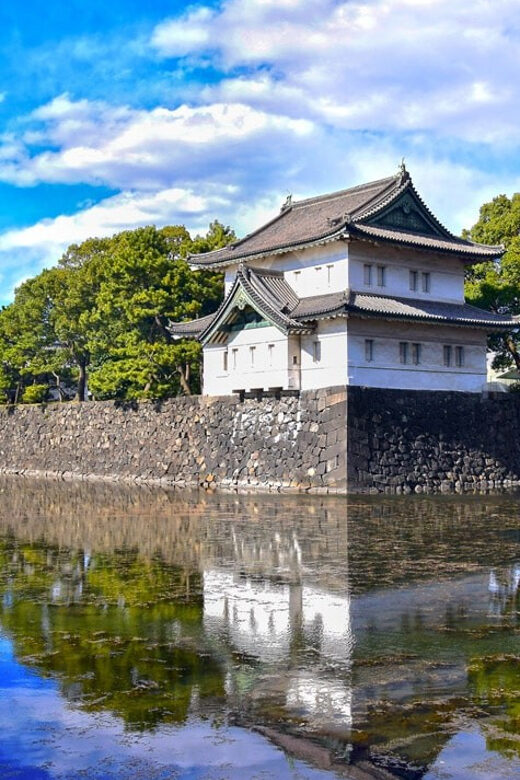
Explore Tokyo’s major sights with a private licensed guide, a flexible route, and practical help with the city’s trains and cultural context.
Tokyo can feel like several cities stitched together: temple lanes, polished palace grounds, food stalls, shrine woods, and neon-lit districts all share the same map. This private tour helps you connect those very different places in one day, with a local guide shaping the route around your interests.
I like two things in particular: you can choose the sights that matter to you, and your guide can teach you how to use Tokyo’s public transport as you go. That combination turns a sightseeing day into a useful introduction to the city.
The main consideration is stamina and extra cost. This is a walking tour, not a chauffeured outing, and you pay your own transit fares, taxi costs, meals, and entrance fees. Tokyo’s distances add up, so four hours may suit you better than eight if you prefer a gentler pace.

The tour lasts four to eight hours, and the itinerary is customizable. That flexibility matters in a city where a single day can easily turn into a string of train transfers and hurried photo stops. Instead, you can tell your guide what interests you, then make a practical route together.
The most commonly requested sights span a wide range. Asakusa offers an old-town feel and Senso-ji Temple; the Imperial Palace area gives you formal gardens and a sense of the city’s historic center; Tsukiji is a draw for food; and Harajuku and Shinjuku bring you into contemporary Tokyo. Meiji Shrine offers a quieter, wooded setting between major urban districts.
You will not see every major stop in depth in four hours. Even an eight-hour day has limits, especially when walking and transit are part of the plan. I recommend choosing a few priorities rather than treating the attraction list as a checklist. A thoughtful route is more rewarding than racing across town for a quick look at everything.
Before the tour, be clear about your interests and any needs that affect the day. If you are traveling with children, want frequent rests, or would rather visit fewer places at an easy pace, say so. Families have found that guides can adjust for breaks and accessible routes, but the overall format still involves walking.
If you prefer having a local expert, these guided Tokyo experiences could work well
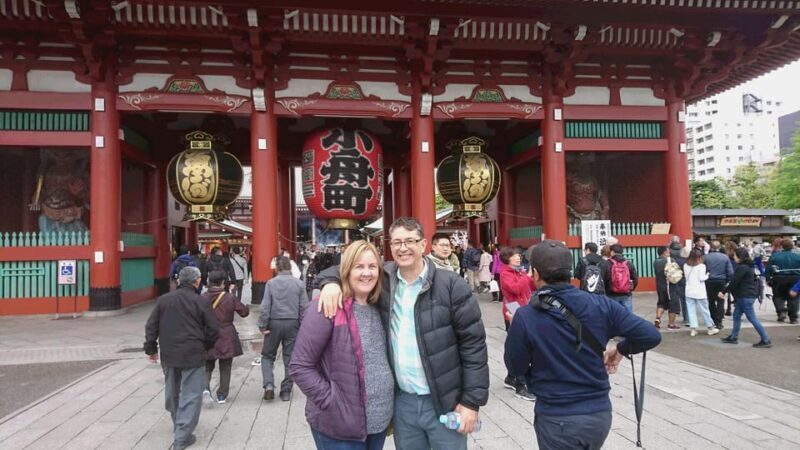
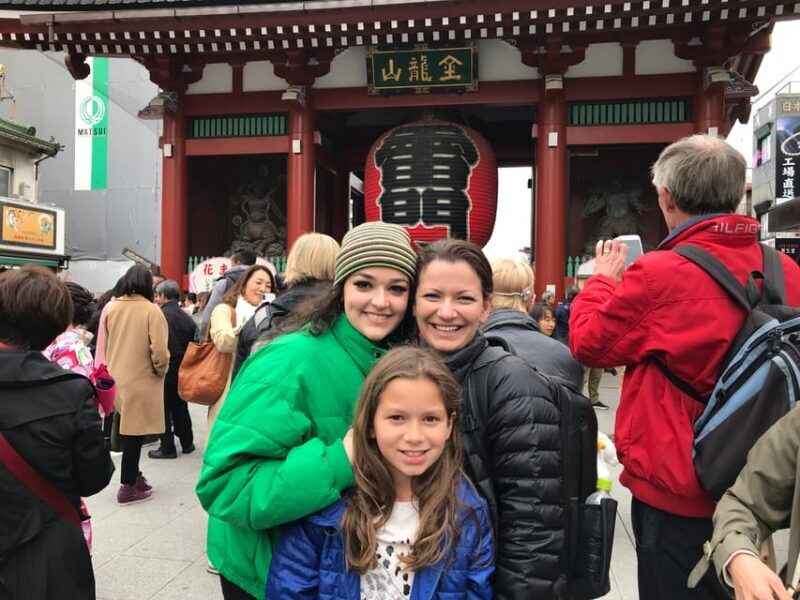
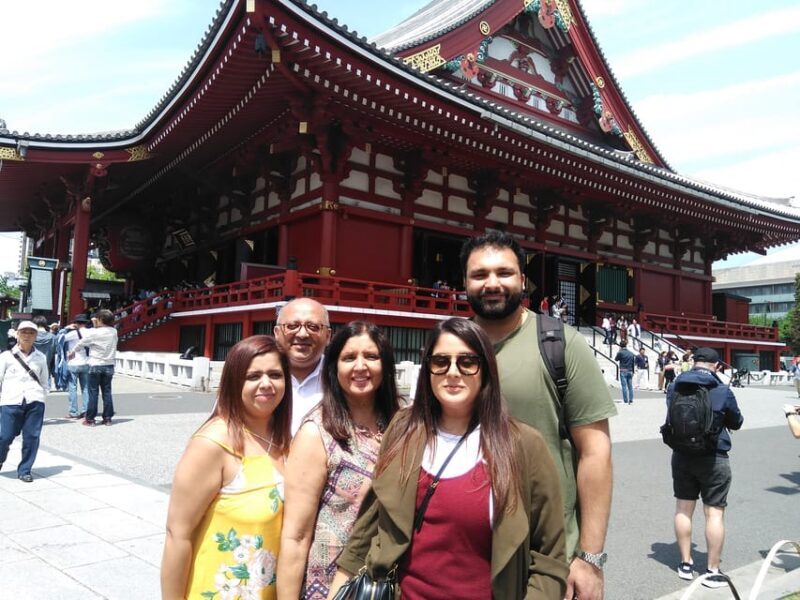
Asakusa is a natural place to start if you want a first look at Tokyo’s older religious and commercial traditions. Senso-ji is the headline sight, and the surrounding streets give you a chance to see how a major temple sits within an active neighborhood rather than apart from everyday life.
A guide can explain customs and cultural details that might otherwise pass unnoticed. This is one of the tour’s clearest strengths: you are not just finding the entrance or taking a photograph, you can ask what you are seeing and how to behave respectfully.
Nearby Nakamise-dori is known for shops and food, and some routes include it. Kappabashi, a district that appealed to visitors interested in cooking and kitchenware, may also fit if it matches your priorities. These additions are not guaranteed, so bring them up when planning.
Asakusa can be busy, and the streets are not a quiet museum. Give yourself room to pause, observe, and browse. If you are keen on shopping, tell your guide; if you mainly want temple context, make that clear too.
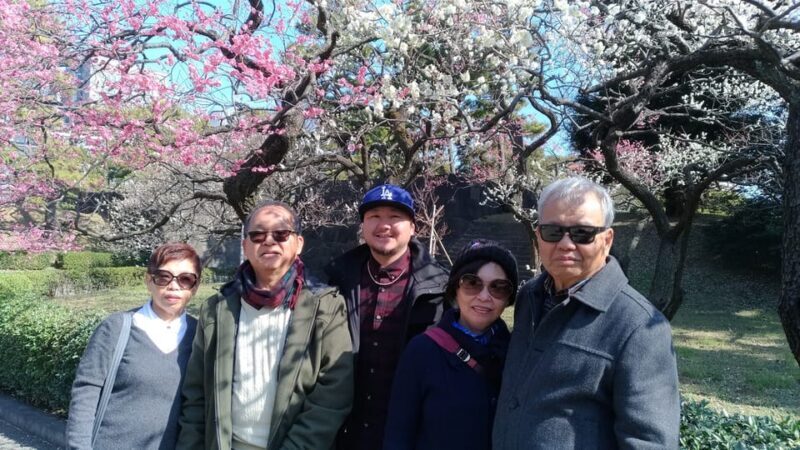
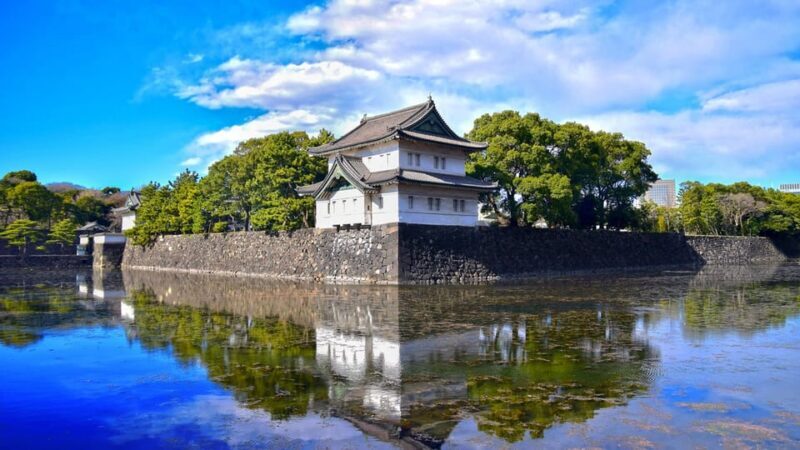
The Imperial Palace area offers a change of pace from Tokyo’s packed stations and commercial streets. A walk through the outer garden or East Gardens can add greenery and historical context to a day otherwise spent among dense city blocks.
Access to particular palace grounds can depend on the day and opening arrangements. Some visitors have been able to enter areas that are not always open, so do not build your whole day around access to a specific section without checking with your guide in advance. The guide can help you understand what is available when you visit.
The grounds are a good choice if you enjoy gardens, history, or a quieter walk. They are less compelling if your main interest is food, shopping, or modern pop culture and your tour is short. This is where customization earns its keep: you can decide whether a calm garden walk is worth the time compared with another neighborhood.
Tsukiji is a practical stop for anyone curious about Japanese food. It can be a lively place to browse, sample, or choose lunch, but your meal is not included in the tour price. That gives you freedom over what and how much you eat, while also making it wise to budget separately.
One advantage of having a guide is help choosing a food stop that suits your group. A visitor with different tastes in the same party may appreciate a flexible lunch spot rather than a fixed restaurant choice. Guides have also pointed people toward ramen and other meals elsewhere in the city, so you can ask for suggestions based on what you want to try.
Food stalls and market streets can be crowded, and a stop here is not the same as a sit-down food tour. If tasting your way through Tokyo is the priority, say so before the day begins. If you want the market as one part of a broader cultural route, it can fit neatly between other districts.
More Great Tours Nearby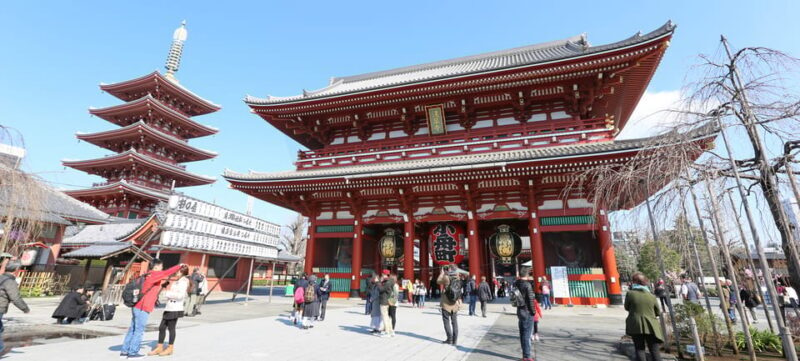
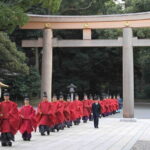
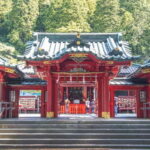
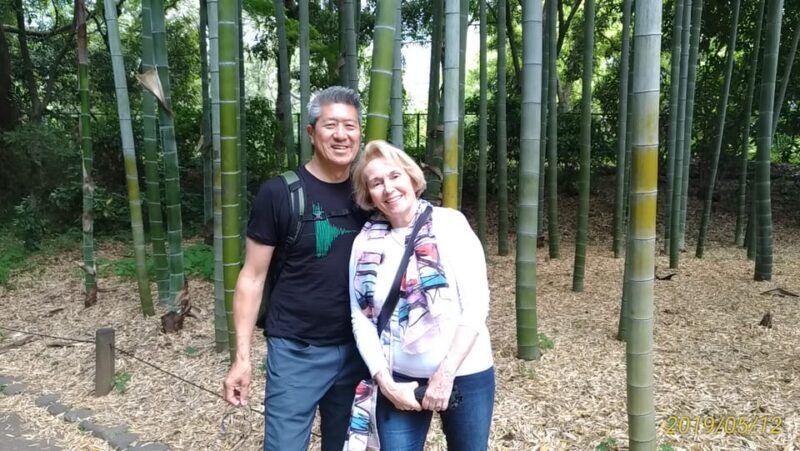
Meiji Jingu Shrine sits in a wooded setting near Harajuku and Shinjuku, making it an appealing counterpoint to the city’s commercial energy. The walk gives your guide room to explain religious traditions and local customs, while the forested approach offers a quieter stretch in a busy day.
Harajuku brings a different mood. Takeshita Street is associated with youthful fashion and kawaii culture, and it can be a fun stop if you enjoy people-watching and browsing. It may feel crowded or commercial if that style of shopping is not your thing. You can ask your guide to keep the stop brief or spend more time elsewhere.
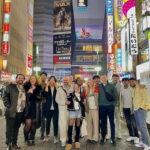
Shinjuku offers several possible directions, including Shinjuku Gyoen National Garden and Golden Gai. The garden provides another green-space option; Golden Gai is known for its compact lanes of small bars. These are distinct experiences, so choose based on your interests rather than assuming both fit comfortably into a single short tour.
Akihabara is another option for electronics, games, and anime culture. Nezu offers a different neighborhood atmosphere, while Hama Rikyu Gardens bring another garden stop into the mix. The list is a menu, not a promise to cover every district. A good guide will help you trade one stop for another when the route or timing calls for it.
Looking to discover more of Tokyo? Consider these other city tour options
The tour’s strongest feature is not simply access to sights. It is the personal guidance: your guide can explain history and culture, answer questions, and help you navigate stations and streets. A government-issued Tour Guide-Interpreter certification requires knowledge of Japanese culture and history, giving you a useful baseline for the role.
Guides who have led tours include Fumiko, Kenji, Atsushi, Yumi, and others. Your assigned guide may be different, so do not book expecting a particular person unless the provider confirms it. What matters most is communicating your priorities early. Guides have planned routes in advance, adapted to families and changing conditions, and recommended places to visit after the tour.
The metro lesson can be especially useful. Tokyo’s rail network is extensive, and a guide can show you how to navigate it while moving between sights. That help has value beyond the tour itself: once you know how to use the system, you can explore independently for the rest of your stay.
Hotel pickup and drop-off are included, but this does not mean a car will collect you. Your guide meets you on foot, and the tour uses walking, public transportation, and possibly local taxis. There is no private vehicle.
You pay your own fares and taxi costs. The exact transport expense depends on the route, so discuss it with your guide once you have agreed on the stops. Keep Japanese yen available for these costs. You also cover meals, personal purchases, and any entrance fees that apply.
At $106 per person, the tour makes most sense if you value a private guide’s time, route planning, and local explanations. It is less of a bargain if you mainly want a ride between famous sights, since transport is not bundled in. The private format lets you focus on your own group, but the price is per person rather than a shared public-tour fare.
For a first day in Tokyo, I see strong value in using the guide to get oriented. You can learn the train system, understand the layout of the city, and collect ideas for later. If you already know Tokyo well and are comfortable navigating on your own, the personalized cultural context may still appeal, but the transport guidance will be less essential.
This is a good fit for first-time visitors, families, and anyone who wants to connect major sights without planning every train transfer alone. It also suits people who prefer to ask questions and adjust the day as they go. The private format can be particularly helpful if your group has different interests or needs a slower pace.
It is not the best choice if you dislike walking, want a vehicle to carry you between attractions, or hope to cover every named sight in a few hours. An eight-hour option gives you more room, but it remains an active day. In hot weather, build in cool-down breaks; in any season, wear shoes you can walk in for hours.
The tour is wheelchair accessible, but it is still described as a walking day tour using public transit and taxis. If you have specific mobility requirements, contact the provider and discuss the intended route before booking so you can confirm what will work for you.
Booking is flexible: you can reserve now and pay later, and cancellation up to 24 hours before the start is eligible for a full refund. The tour is not confirmed until the guide contacts you, usually within seven days. If a guide is unavailable, the provider will contact you.
Book this tour if you want a personal introduction to Tokyo, value cultural explanations, and like the idea of learning the transit system as you sightsee. Beforehand, pick three or four priorities, tell your guide what pace suits you, and ask about likely transport costs.
Skip it if you want private-car comfort or prefer to explore independently without a guide. For many first visits, though, a well-planned walking day is a useful way to turn Tokyo from a bewildering map into a city you can navigate on your own.
“Our guide Fumiko was excellent. Her knowledge, presentation and planning was outstanding. I would recommend her without hesitation. Great value for…”
The tour lasts four to eight hours. Check availability for starting times.
Yes. It is offered for a private group, with a route tailored to your interests.
Possible stops include Asakusa, the Imperial Palace, Shinjuku Gyoen National Garden, Tsukiji Fish Market, Meiji Jingu Shrine, Akihabara, Hama Rikyu Gardens, Harajuku, Takeshita Street, Nezu, and Shinjuku Golden Gai.
No. The tour uses walking, public transportation, and possibly local taxis, but you pay your own transport costs. A private vehicle is not included.
No. You pay for your own lunch, personal expenses, and any entrance fees.
Hotel pickup and drop-off are included. The guide meets you on foot, as this is a walking tour.
The tour is offered in English and Japanese.
Yes. You can cancel up to 24 hours before the tour starts for a full refund.
You can check availability for your dates here: