Physical Address
304 North Cardinal St.
Dorchester Center, MA 02124
Physical Address
304 North Cardinal St.
Dorchester Center, MA 02124

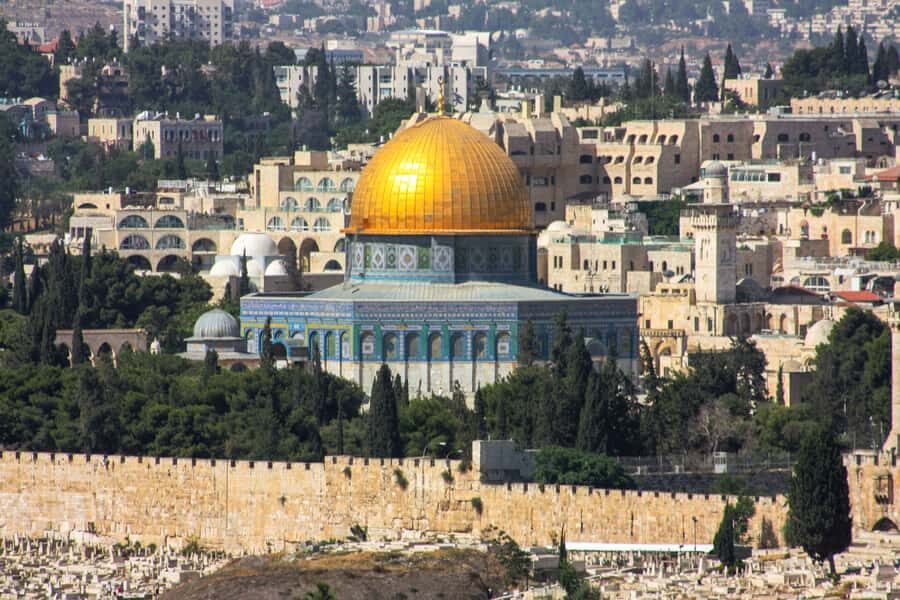
See Jerusalem’s holy sites, the Mount of Olives and the Dead Sea on a guided day trip from Tel Aviv, with transport and shoreline access included.
Jerusalem’s Old City and the Dead Sea make an ambitious pairing for one day: first, a guided walk past sacred sites and ancient streets; later, a float in mineral-rich water at the lowest place on earth. This 10-hour coach tour from Tel Aviv gives you a practical way to see both without arranging transport between them yourself.
I like two things about the plan: the Mount of Olives viewpoint helps you get your bearings before entering the Old City, and the guide adds context to places that can be hard to make sense of on your own. The main trade-off is time. Jerusalem is packed into a tight schedule, and the ride to the Dead Sea is without a guide.
The day begins with pickup at your accommodation in Tel Aviv and an air-conditioned coach ride to Jerusalem. The tour includes a professional guide, but the exact schedule and pickup time depend on the departure. The operator, Bein Harim, sends the final pickup details by email, so check your inbox before the tour.
The route is designed to show you Jerusalem’s major sights before taking you down through the Judean Hills to the Dead Sea. That makes for a satisfying contrast: the close, crowded streets of the Old City give way to a broad, stark view of the desert and water. It also means you should not expect a leisurely day in either place.
Guides are a major part of the experience. Past departures have been led by guides including Sigal, Liat, Itamar, Lorne, Moti and Zahi. The tour is offered in English, German, French and Spanish. A good guide can make the city’s layers easier to follow, particularly when you are moving quickly between religious sites and historic streets.
If you prefer having a local expert, these guided Tel Aviv experiences could work well
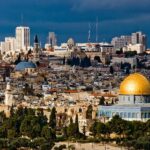
The first major stop is the Mount of Olives, one of Jerusalem’s highest points. From here, you get a wide view of the old and new city, a useful introduction before entering the maze of the Old City. The view helps you see how the city sits in relation to its surrounding hills and valleys.
After the viewpoint, the route travels along the Kidron Valley toward the Garden of Gethsemane and the Old City walls. These are important places in the Christian story, but they also help orient you geographically. You see the city not just as a collection of sites, but as a place shaped by its hills, walls and valleys.
This opening stop is valuable, though it uses some of the day’s limited time. If you hope to spend long stretches wandering in the Old City, keep in mind that the tour balances a viewpoint, several historic and religious stops, and the Dead Sea in a single outing.
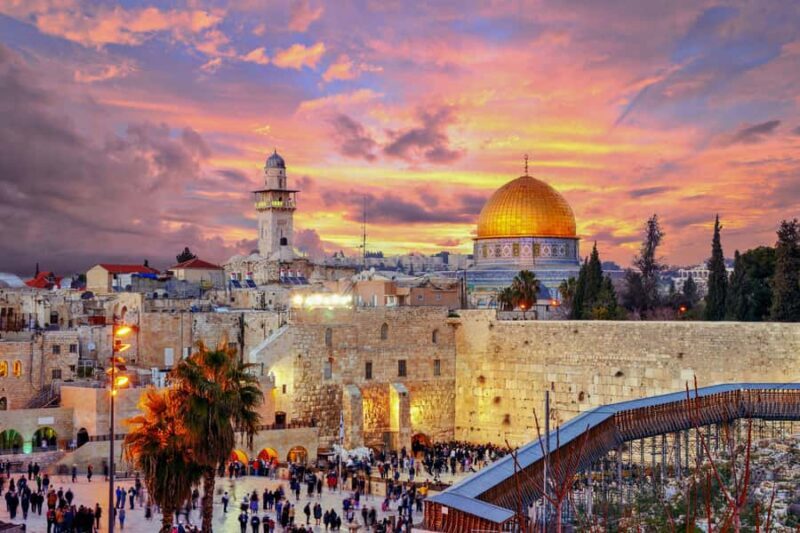
You enter the Old City through the Armenian Quarter and continue toward the Western Wall Square. The walk then passes through the bazaar toward the Christian Quarter. A guide is especially helpful here: the streets are busy and closely packed, and the tour connects landmarks with the history and religious traditions that give them meaning.
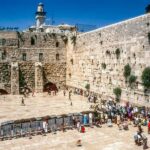
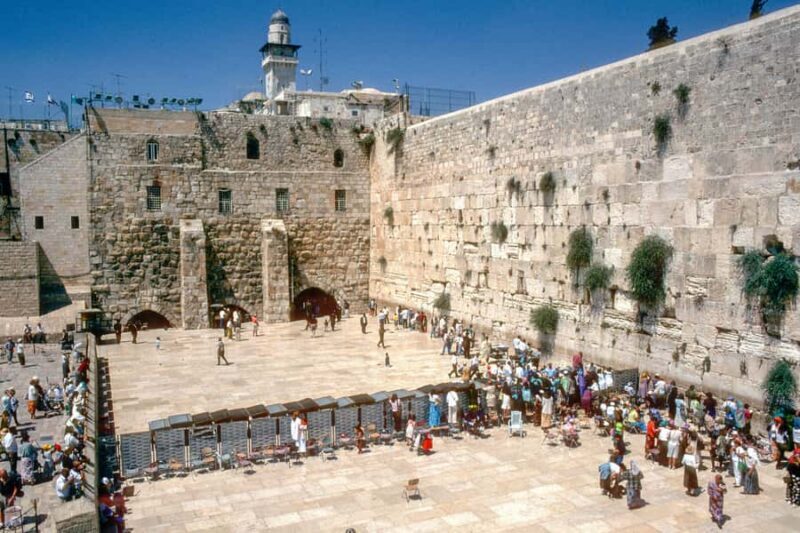
At the Western Wall, you have a chance to see one of Judaism’s central sacred places. The setting is both a major landmark and an active place of prayer. Modest dress is required at holy sites, so choose clothing that covers you respectfully rather than relying on an outfit suitable only for the Dead Sea.
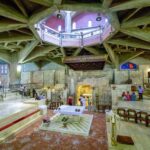
The route also follows the Via Dolorosa, the path associated with the Stations of the Cross. It continues to the Church of the Holy Sepulcher, traditionally identified as the site of Jesus’ crucifixion and burial. This is a major stop, but it can be crowded. On a religious celebration day, queues to see the Aedicula, the small shrine within the church, can become very long. The schedule cannot guarantee a quiet visit or access to every part of the complex.
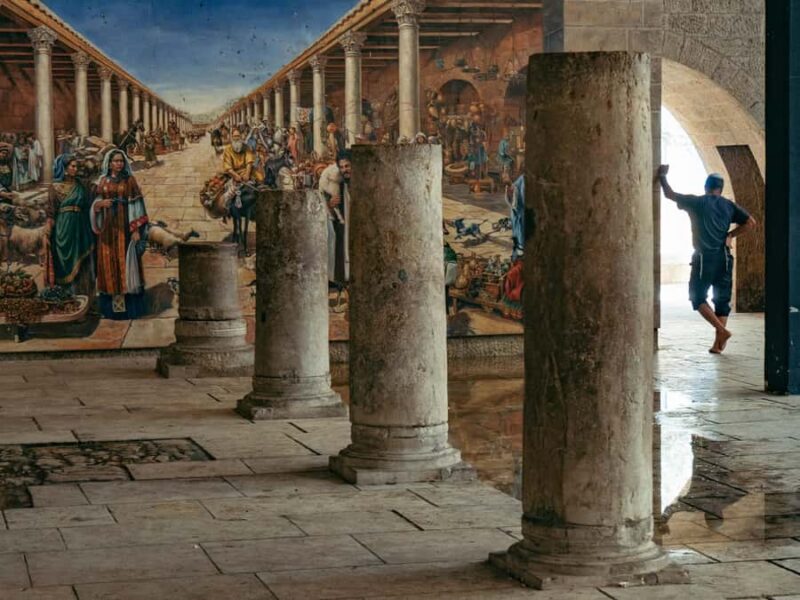
After the church, you walk along the Cardo, a Roman-era main street that was part of the city’s Byzantine layout and has since been restored. The route also includes the renovated Jewish Quarter. Together, these stops offer a useful sense of how different periods and communities have shaped the Old City.
The route does not list a visit to Al-Aqsa Mosque or the Dome of the Rock. If seeing those sites is central to your plans, this may not be the right Jerusalem tour for you. The schedule instead focuses on the Western Wall, Christian sites and the quarters named above.
A guided route helps you cover a lot, but it is not the same as a day to explore independently. The tour moves between set stops, and some people would prefer more time in the church, the market or the Old City’s side streets. If you want to pause often, browse shops at your own pace or follow a personal list of religious sites, you may find the pace brisk.
Some departures have included a scheduled souvenir shop stop in the Christian Quarter, along with a designated restaurant stop. The shop has been a point of frustration for some participants, particularly when its sales pitch and prices felt pushy. You may have time to look elsewhere, but do not assume every break is fully independent.
Lunch and drinks are not included in the $133 price. A restaurant stop gives you a chance to eat, but food costs extra, and you may prefer to choose from nearby options if the schedule allows. A helpful approach is to treat the stop as a practical meal break, not a highlight of the tour.
More Great Tours Nearby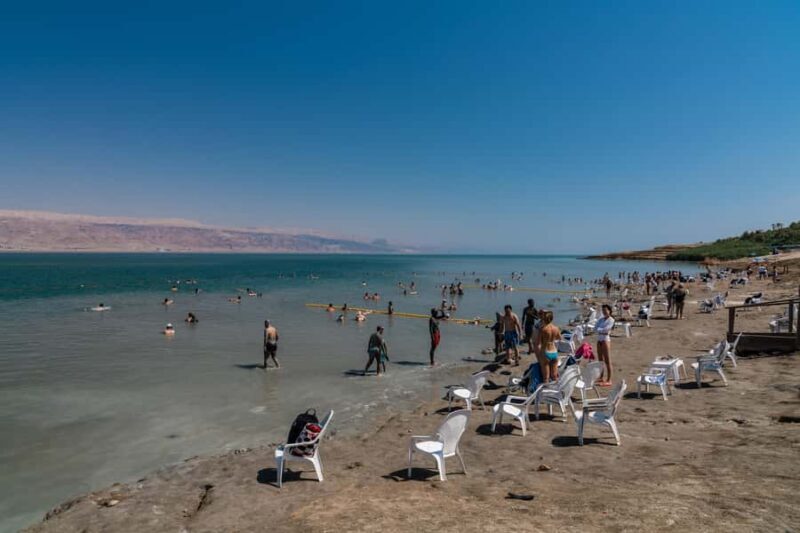
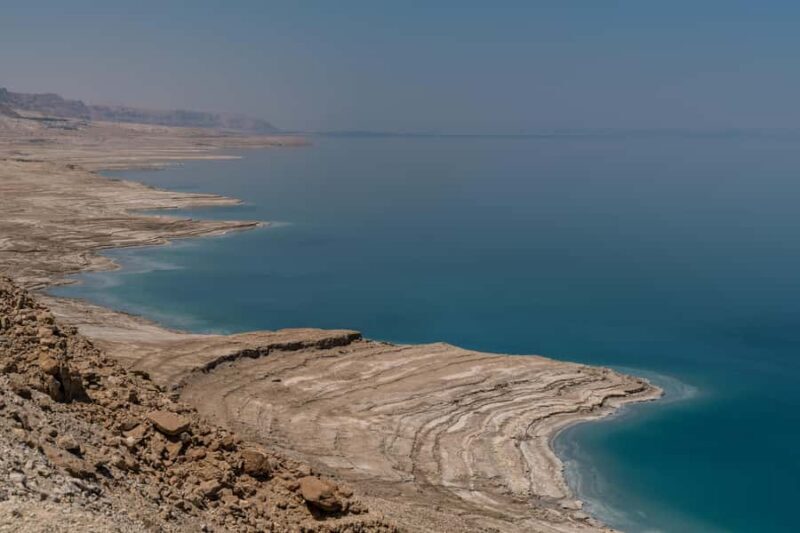
After Jerusalem, the coach heads south through the Judean Hills. The drive gives you a change of scenery and leads down toward the Dead Sea shore. There is a roadside view of the Qumran Caves, where the Dead Sea Scrolls were found, but this is not described as a dedicated archaeological-site visit.
The drive to the Dead Sea is without a guide. That is worth knowing if you expect continuous commentary throughout the day. You will still have the guide for the Jerusalem portion, but the southern leg is primarily a transfer to the shore.
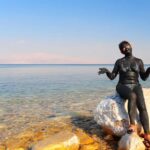
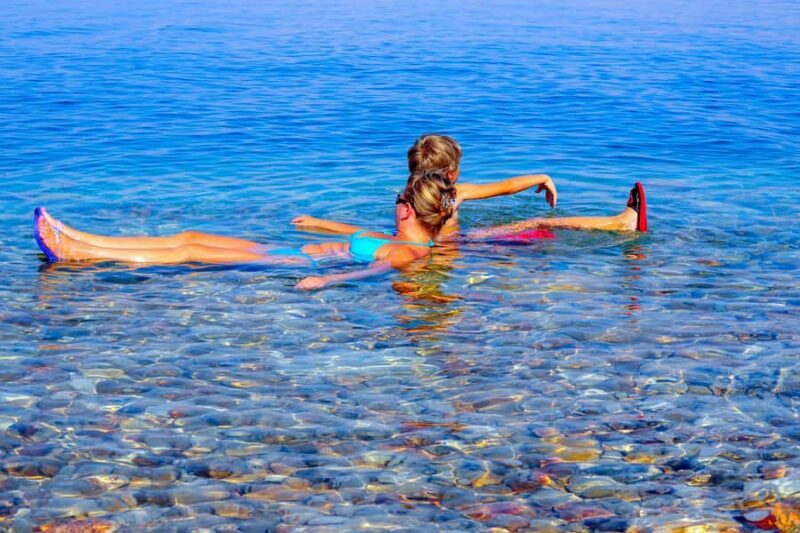
At the Dead Sea, the included entrance fee gives you access to the shoreline, where you can swim, float or try a mud bath. The high mineral content makes floating the distinctive experience here. Follow the local instructions at the site, and avoid getting the water in your eyes.
Facilities can be a weak point. Conditions at the shoreline, including showers and the surface underfoot, may not meet everyone’s expectations. Stones have been reported on the sea floor, so consider packing water shoes if you have them. Bring a towel and bathing suit, and do not rely on the tour providing either.
The time here is a welcome change of pace after Jerusalem, though it is still only one part of a packed day. If your main goal is an unhurried Dead Sea visit, a dedicated trip may give you more time to swim and relax. This outing is best understood as a taste of the experience after a full Jerusalem tour.
At $133 per person, the price includes hotel pickup and drop-off, air-conditioned coach transport, a professional guide and the Dead Sea entrance fee. That is useful value if you are in Tel Aviv and want to visit both Jerusalem and the Dead Sea without arranging the transport and timing yourself.
The price does not include food or drink. You should also factor in any meals, souvenirs and personal beach items you need to buy or bring. The value is strongest for someone with limited time who wants an organized overview and is comfortable following a schedule.
The guide can make a real difference to the Jerusalem portion. Past guides such as Sigal, Liat, Itamar, Lorne, Moti and Zahi have been noted for clear explanations, humor, patience and keeping the day on track. You cannot select a particular guide from the information provided, but the range of languages and the guided walks are important parts of what you are paying for.
You can cancel up to 24 hours in advance for a full refund, and the booking option allows you to reserve now and pay later. The tour is not suitable for children under four, people with mobility impairments or wheelchair users. The Old City portion includes walking through tight, busy areas, so this is not a comfortable choice if you need step-free access or have difficulty walking.

Wear comfortable walking shoes for the Old City’s streets and the day’s changes in terrain. Pack modest clothing for religious sites, plus a hat, bathing suit and towel for the Dead Sea. Water shoes are a sensible extra if you are concerned about stones underfoot.
Keep your expectations flexible around crowd levels. The Church of the Holy Sepulcher can be especially busy during religious celebrations, and the exact time available at each stop may vary with the day’s conditions. A guide helps keep the group moving, but the schedule cannot promise a long visit at every site.
Before departure, read the pickup email carefully. It contains your final pickup time and hotel. If it does not arrive, contact the tour provider to confirm where and when to meet.
Book it if you have only a short stay in Israel and want a guided introduction to Jerusalem’s key Christian and Jewish sites, followed by a first experience of floating in the Dead Sea. The mix of viewpoint, Old City walk and shoreline stop is the tour’s strongest feature, and the included transport removes a good deal of planning.
Skip it if you want long, unstructured time in Jerusalem, a dedicated visit to Al-Aqsa Mosque or the Dome of the Rock, or an extended day at the Dead Sea. The pace is the price of fitting so much into one day. If that trade-off suits you, this is a practical way to see two very different sides of the region in one trip.
“An excellent tour of the Dead Sea and Jerusalem. Enough time was given for each of the highlights. We arrived on a celebration day for the Church o…”
The tour lasts 10 hours, including travel from Tel Aviv, the Jerusalem visits and the Dead Sea stop.
The $133 price includes pickup and drop-off at your accommodation, air-conditioned coach transport, a professional guide and the Dead Sea entrance fee.
No. Food and drinks are not included, so bring money for meals and anything you want to buy during the day.
The live guide is available in English, German, French and Spanish.
Bring modest clothing for holy sites, comfortable shoes, a hat, a bathing suit and a towel. Water shoes may also be useful at the Dead Sea.
It is not suitable for children under four, people with mobility impairments or wheelchair users.
You can check availability for your dates here: