Physical Address
304 North Cardinal St.
Dorchester Center, MA 02124
Physical Address
304 North Cardinal St.
Dorchester Center, MA 02124

See Asakusa, Tsukiji, Meiji Shrine, and Shibuya before the day gets busy on a small-group Tokyo tour with an English-speaking guide.
Asakusa before the crowds, a market breakfast stop, and a train ride across Tokyo with a guide who can show you how to use public transit: this tour makes a busy city feel easier to approach. I like its small-group limit of eight and the way the route connects four very different places in one morning. One consideration: it is an early start, and the pace leaves limited time to linger at each stop.
I also like that the tour finishes in Shibuya, where you can choose a place for lunch and carry on exploring. Amy, one guide named by a customer, was described as patient with questions and good company; your guide may be someone else. The day’s schedule can shift with weather and traffic, so keep plans after the tour flexible.
This tour is a good fit if you want to see several headline sights without spending half a day figuring out how to get between them. It starts in Asakusa, heads to Tsukiji, then continues to Meiji Jingu and Shibuya. That sequence gives you a quick contrast between temple streets, a food market, a wooded shrine approach, and one of the city’s best-known crossings.
The early start is central to the experience, not just a scheduling detail. You can choose a departure at 6:45, 7:15, 7:45, or 8:15 a.m. An earlier start may help you get to the first stops before the day is in full swing, while also asking you to be ready for Tokyo sooner than you might prefer on holiday.
The tour is run by GuideMe Japan Corporation and is offered as a small group, capped at eight, or as a private outing. That size should make it easier to ask questions and keep track of the group while moving between stations and sights. The guide speaks English, and the tour also aims to help you get comfortable with public transit, a useful skill for the rest of your stay.
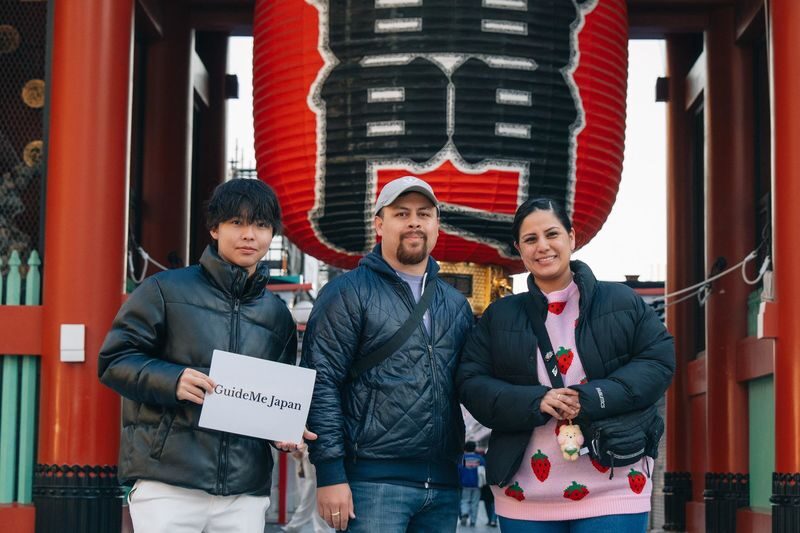
The meeting point is in Asakusa, in front of Burger King Asakusa Azumabashi at Cross Bil Royal Palace, 2-chome-20-6 Kaminarimon. Look for a guide holding a GuideMeJapan sign, and arrive five minutes before your selected departure time. Those few minutes matter: the tour uses fixed start slots, and the group will be setting off together.
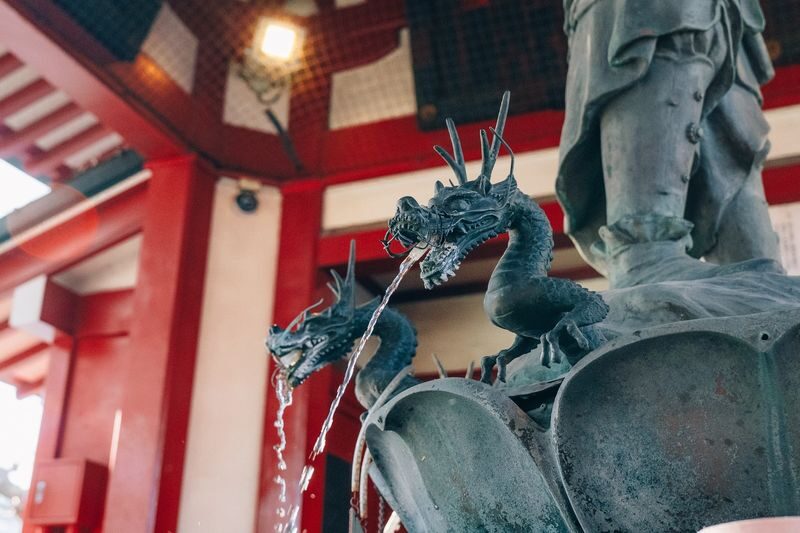
Asakusa’s main draw is Sensoji, Tokyo’s oldest and best-known Buddhist temple. The guided visit lasts about an hour and a half, leaving time to get a sense of the temple area as well as the nearby Nakamise Shopping Street. This is a strong opening stop because it gives you a clear introduction to Tokyo’s older, more traditional side before the route turns toward modern transport and city life.
Nakamise is part of the experience, not just a path to the temple. Its shops give the district a lively commercial feel, while the temple remains the focus. With a guide, you can ask questions as you go instead of trying to piece together the place from signs alone. Still, a 90-minute visit is not a leisurely day in Asakusa. If you want to browse every shop or spend a long time at the temple, plan to return on your own.
A morning visit can also help you see the district at a quieter point in the day. The exact crowd level will depend on the date and start time, so do not treat an early tour as a guarantee of an empty temple. Its practical advantage is that you reach the first major stop sooner, before the day’s sightseeing has had as much time to build.
Shoppers can discover Tokyo's markets and boutiques through these guided experiences
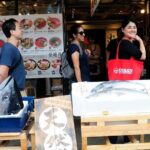
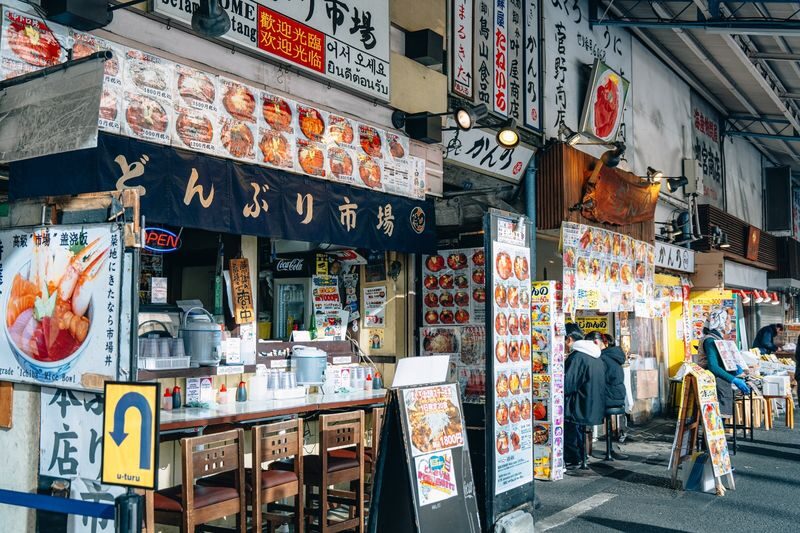
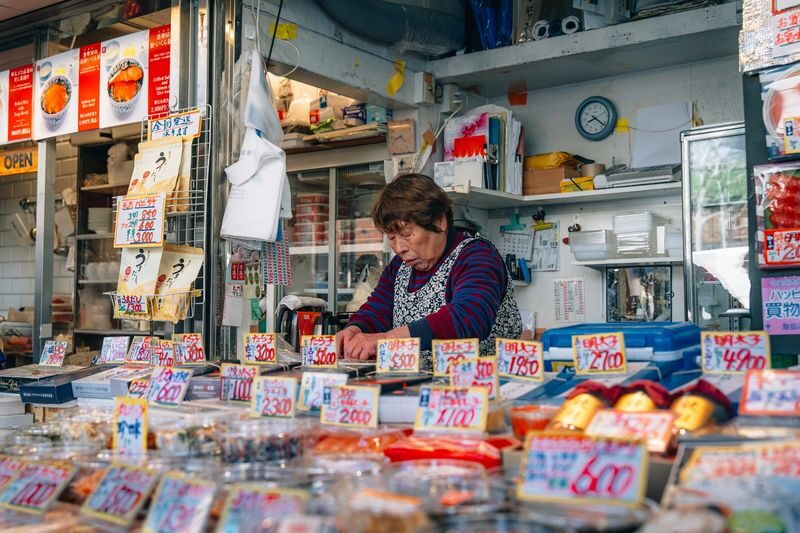
From Asakusa, the group travels by train for about 20 minutes to Tsukiji Outer Market. The guided stop is listed as one hour. Tsukiji was once the world’s largest seafood market, and its remaining outer market is still a natural place to look for Tokyo food specialties.
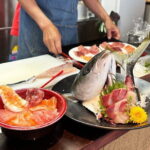
The range named for the market includes sushi, sashimi, and egg omelet. That gives you a useful idea of what to look for, but the tour information does not say that food is included in the price. Bring extra money if tasting something is part of your plan, and check the day’s options with your guide when you arrive. The hour is enough for a first look and perhaps a quick bite, but it is not much time for a drawn-out meal and extensive browsing.
I like the change of pace here. After a temple visit, the market brings you into a more everyday food setting, where the sights and choices are part of the appeal. It is also a good chance to ask the guide for help understanding what you are seeing or how to move through the rest of the route.
Keep your expectations practical. This is a guided stop in a food market, not a dedicated tasting tour with a stated menu. If sampling several dishes is a priority, you may want to compare it with a Tsukiji-focused tour instead. If you simply want a taste of the market as one part of a wider Tokyo morning, this stop fits the day well.
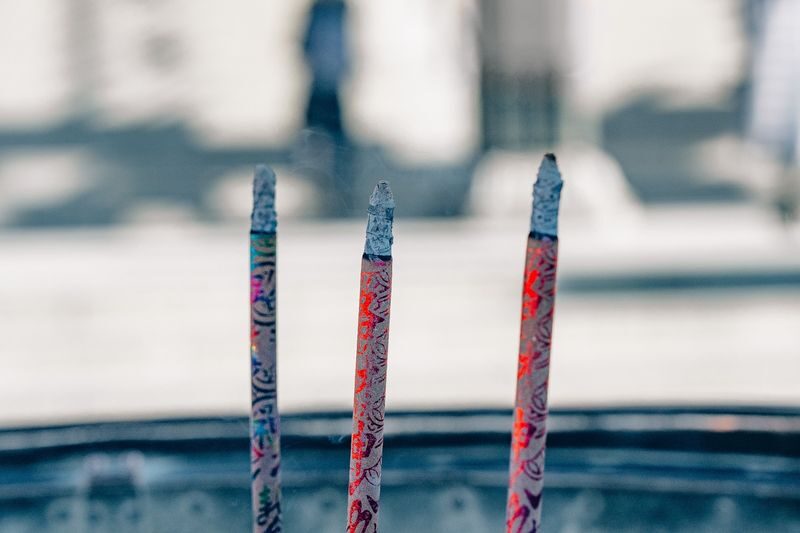
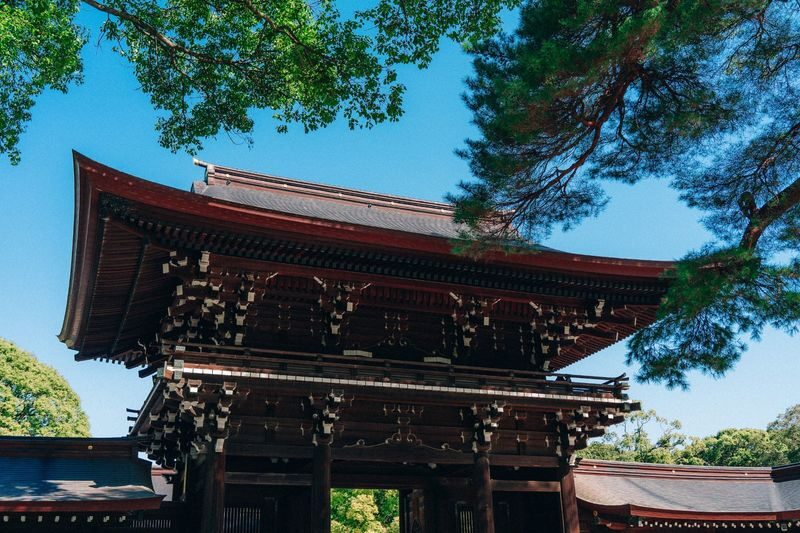
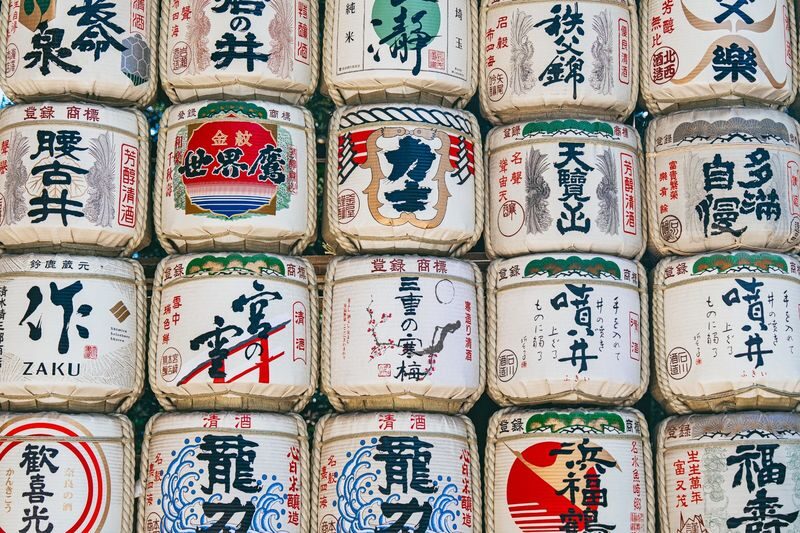
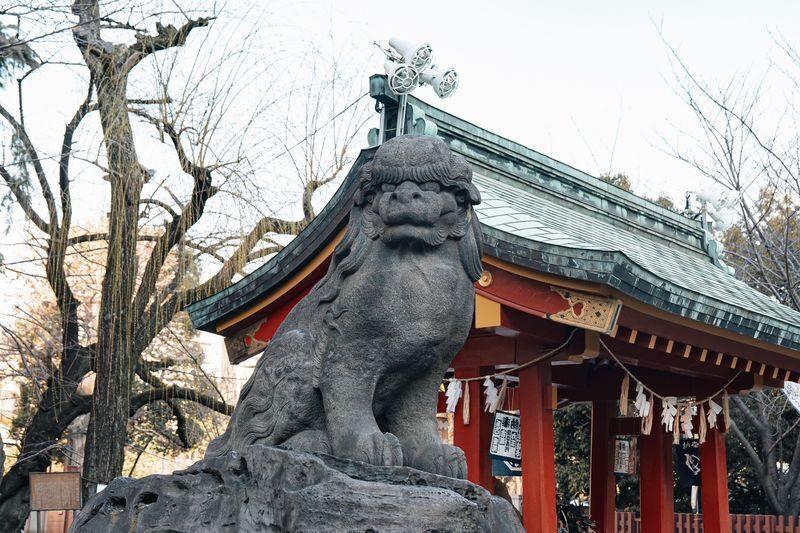
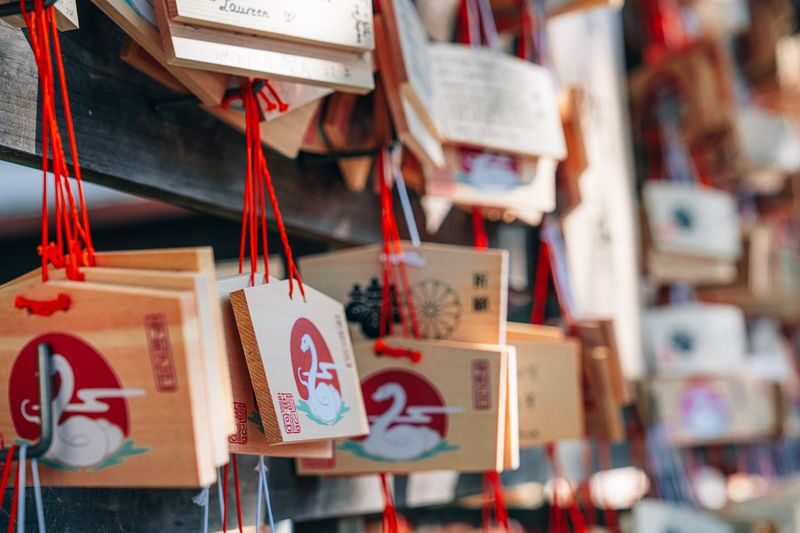
A second train journey, about 20 minutes, takes you to Meiji Jingu Shrine. The guided visit lasts about an hour. Dedicated to Emperor Meiji and Empress Shoken, the Shinto shrine sits within a forested area in the heart of Tokyo. That setting offers a striking change from the market and the city streets around it.
The appeal is partly the contrast. Tokyo can feel fast and crowded, but the shrine’s wooded surroundings offer a quieter stretch in the middle of a packed itinerary. You can learn about the shrine from the guide while seeing a place of religious and cultural importance, rather than treating it as just another photo stop.
An hour gives you a meaningful introduction, though it is still a short visit for a large shrine area. You will need to follow the group’s timing rather than explore every path at your own pace. If you have a special interest in Shinto sites or want a longer, slower visit, set aside time to come back independently.
The tour’s balance works well here: after Tsukiji’s food stalls, Meiji Jingu gives you space to pause before the last stop. The early schedule may make the morning feel full, but the range of settings keeps it from becoming four versions of the same sightseeing experience.
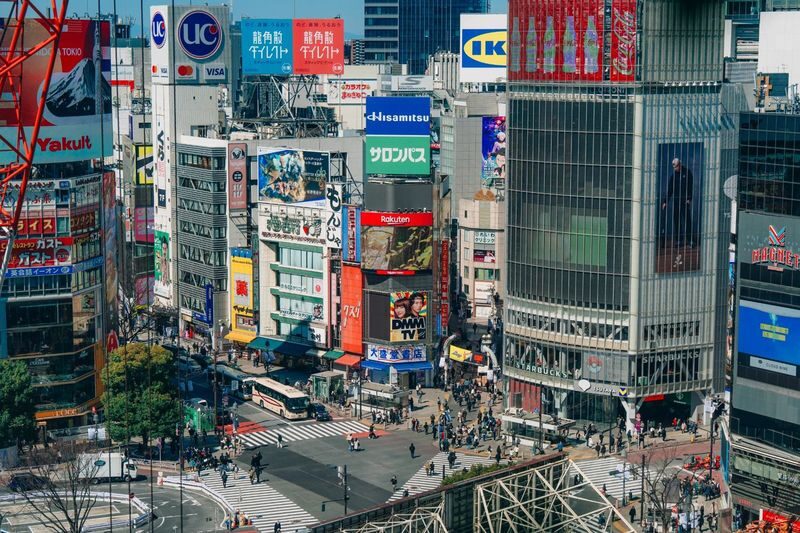
The last train ride is about 10 minutes, ending in Shibuya for a guided visit of about an hour. The destination is the famous scramble crossing outside Shibuya Station, where pedestrians cross from several directions at once. It is an urban spectacle that feels very different from both Sensoji and Meiji Jingu.
The tour ends near the Hachiko Statue at 2 Chome-1 Dogenzaka. That is a useful place to finish: you can see the crossing, then choose from nearby lunch options and continue your day in Shibuya. The tour does not specify a lunch stop or include a meal, so treat lunch as your own next decision rather than part of the guided program.
A final hour is enough to take in the crossing and get your bearings, but you may want to stay longer. Shibuya is the most practical point to branch off if you want more time for shopping, a meal, or another activity. The guide can also leave you with a stronger sense of how the train system works, which is especially valuable when you head out on your own.
The itinerary includes three train rides: roughly 20 minutes from Asakusa to Tsukiji, another 20 minutes to Meiji Jingu, and about 10 minutes to Shibuya. These transfers are not wasted time. They connect districts that would otherwise be awkward to fit into one morning and give you a chance to learn the basics of Tokyo transit while a guide is alongside you.
The experience is not described as a transit class, and the tour details do not spell out which lines or fares are included. But the guide is specifically there to help you learn how to use public transit. Pay attention to how the group gets from station to station, and ask questions that will help you repeat the process later. A little confidence on trains can make the rest of a Tokyo trip much easier.
The schedule may change depending on traffic and weather. Since the route includes several stops and transfers, avoid booking a tight connection or a timed activity immediately afterward. The advertised return slots range from 11:45 a.m. to 1:15 p.m., with the available return time depending on your departure choice and itinerary length.
You might also be interested in these Tokyo experiences
Prices start at $61.50 for the tour. For that price, the main value is the combination of four recognizable sights, a guide speaking English, and help getting between districts by train. You are paying for a planned route and local guidance, not simply admission to one attraction. The details do not state that food or other extras are included, so budget separately for anything you want to eat or buy.
The maximum group size of eight is a real advantage over a large coach tour. A smaller group can be easier to keep together at stations and gives you a better chance to ask questions without calling across a crowd. If you prefer to set the pace and have the guide’s attention to yourself, a private option is available, though its price is not provided here.
The guide can make a big difference to a morning that covers so much ground. Amy was named by a customer who appreciated her patient answers, personality, and help explaining the train system. That is a useful sign of the kind of interaction to value, but it does not guarantee Amy will lead your departure. GuideMe Japan reports 331 total reviews and a 92 percent good review rate, which suggests a solid operator record while still leaving room for different experiences.
I would consider this tour if you have limited time in Tokyo, want to see several major districts in one go, or feel more confident learning the train system with a guide beside you. It is also a good match if you like the idea of an early start and want your afternoon free after the tour.
It is less suited to you if you want a slow visit at each stop, a long market meal, or a day focused mainly on food. The itinerary gives each place a set window, and the market visit is only an hour. You may get more from a dedicated Asakusa or Tsukiji tour if one neighborhood is your main interest.
Choose your departure time carefully. The available starts are 6:45, 7:15, 7:45, and 8:15 a.m., and you must join the time selected when booking. The voucher is valid only for the date and time specified. Confirmation is expected within minutes; if it does not arrive, contact customer support. You can cancel for a full refund at least 24 hours before the activity date, local time. In extreme weather or other unforeseen events, the operator may cancel and offer a reschedule or full refund.
Book this tour if you want an efficient, guided introduction to Tokyo that moves from temple streets to a seafood market, a forested shrine, and Shibuya’s famous crossing. The small group, English-speaking guide, and train guidance make the price easier to justify, especially if this is your first visit and you want to learn the city as you see it.
Skip it if you would rather linger, shop at length, or build your morning around a long meal. For everyone else, it is a practical way to cover four distinct parts of Tokyo before the afternoon, with enough structure to make a big city feel more manageable.
“great tour with an awesome guide, Amy. she was able to, paitiently, answer all our questions and had a great personality while showing us the sites…”
You can choose a departure at 6:45, 7:15, 7:45, or 8:15 a.m. Make sure you arrive for the time selected when booking.
Meet in front of Burger King Asakusa Azumabashi at Cross Bil Royal Palace, 2-chome-20-6 Kaminarimon, Taito City. The guide will have a GuideMeJapan sign. Arrive five minutes early.
The tour ends near Shibuya Crossing and the Hachiko Statue at 2 Chome-1 Dogenzaka, Shibuya. Lunch options are available nearby.
The route includes Sensoji Temple and Asakusa, Tsukiji Outer Market, Meiji Jingu Shrine, and Shibuya Scramble Crossing.
You can book a small-group tour, capped at eight people, or choose a private option.
The operator may cancel the tour in extreme weather or other unforeseen events. You can then reschedule or request a full refund.