Physical Address
304 North Cardinal St.
Dorchester Center, MA 02124
Physical Address
304 North Cardinal St.
Dorchester Center, MA 02124

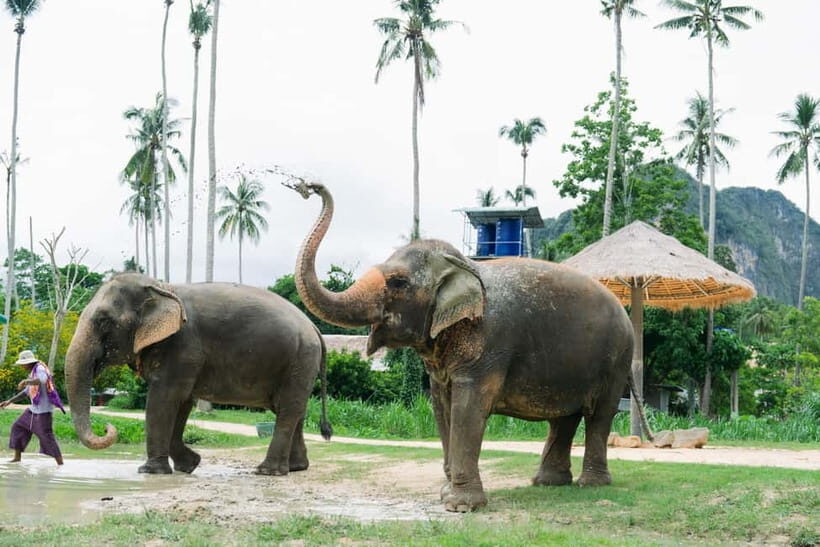
Feed, mud-bathe, and wash rescued elephants at Ao Nang Elephant Sanctuary, with an English-speaking guide, refreshments, and transport from Krabi.
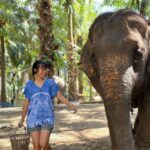
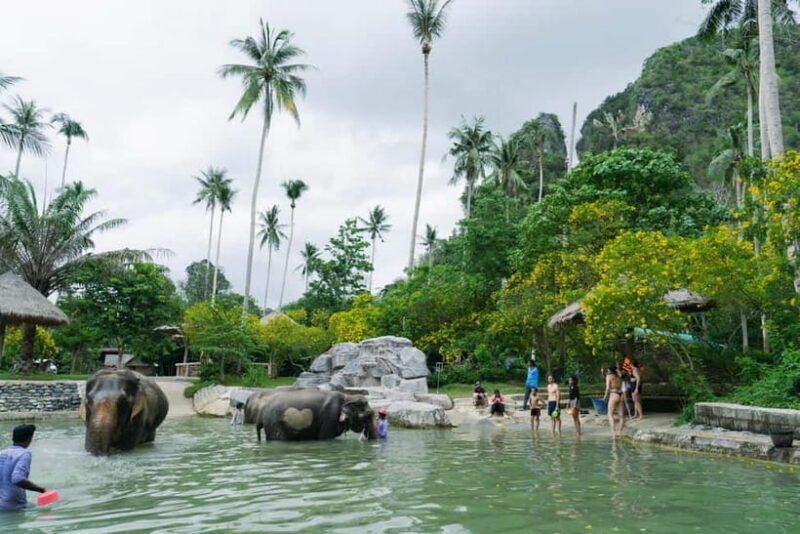
At Ao Nang Elephant Sanctuary, the day’s main event is not watching elephants from a distance. You’ll help feed them, prepare food, spread mud on their skin, and wash them in the water. I like that the activities build gradually, and that guides explain how to approach and care for the animals as you go.
I also like the practical touches: transport in an air-conditioned vehicle, refreshments, and staff who help take photos so you can put your phone away. One consideration: bathing means mud, water, and a change of clothes, so bring water shoes and a towel. The advertised price is $70 per person, with lunch not included.
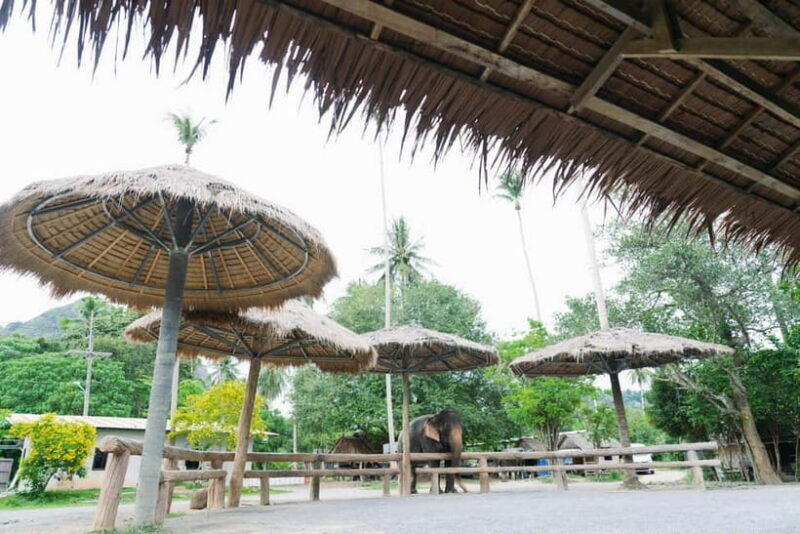
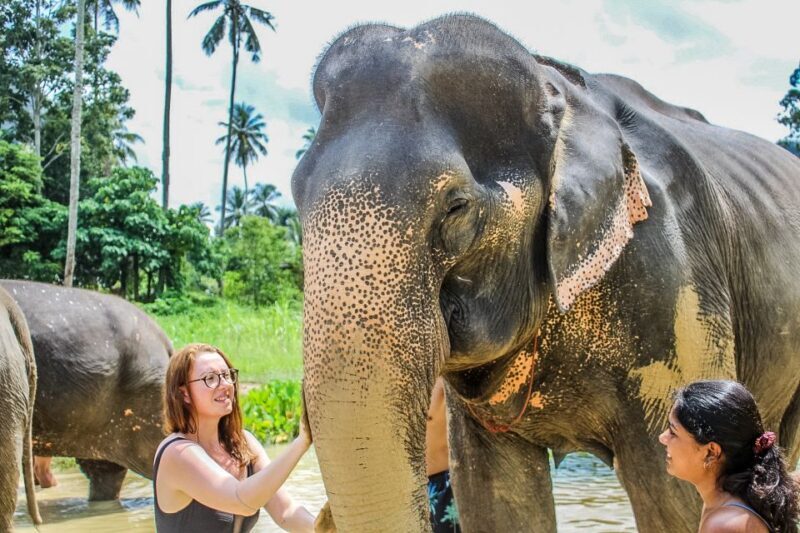
The appeal here is close contact, with structure around it. Your guide first explains how to behave near the elephants, then introduces their backgrounds and daily needs. That order matters. You are not simply handed food and sent toward a large animal; you get instructions on how to interact safely and respectfully.
The sanctuary’s elephants are described as rescued from logging or carrying people. Their individual stories help put the visit in context: these are animals with past working lives, now cared for at the sanctuary. The tour also covers elephant behavior, diet, and the history of elephants in Thailand, so the visit has an educational thread as well as a series of activities.
I’d keep expectations realistic. This is a close-up encounter involving feeding, mud, and bathing, not a distant wildlife-watching trip. If you want to observe elephants without touching them, this format may not suit you. If you’re interested in learning how to approach them and taking part in their care, it offers far more involvement.
You might also be interested in these Krabi experiences
The tour includes transport in a comfortable, air-conditioned vehicle. Pickup arrangements are confirmed by the local partner in a separate email after booking, so check your inbox rather than assuming a particular pickup time. The tour information describes pickup from your accommodation, while the included transfer is listed as transport to and from Ao Nam Mao pier. Confirm the meeting point and route with the operator before the day if the details are unclear.
That transport takes one planning task off your hands, especially if you’re staying in the Ao Nang or Krabi area. An air-conditioned ride is also a welcome start before an outdoor activity in warm weather. You’ll need your passport number for the sanctuary’s accident insurance form. Bring your passport or ID card, too.
On arrival, an English-speaking guide takes over. The introduction sets out how the sanctuary works and how to act around the elephants. The guide’s role is more than narration: you’ll rely on those instructions as you feed the animals and join the later activities. Take a moment to listen before getting close, even if you’re eager to meet them.
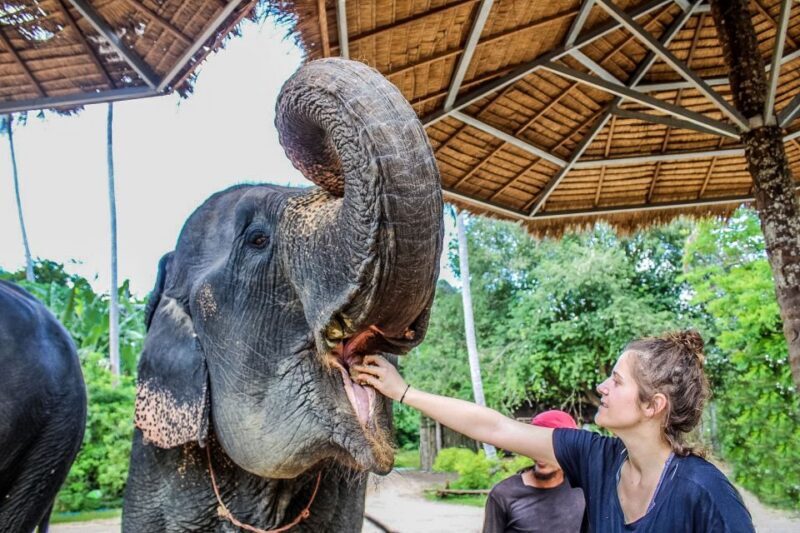
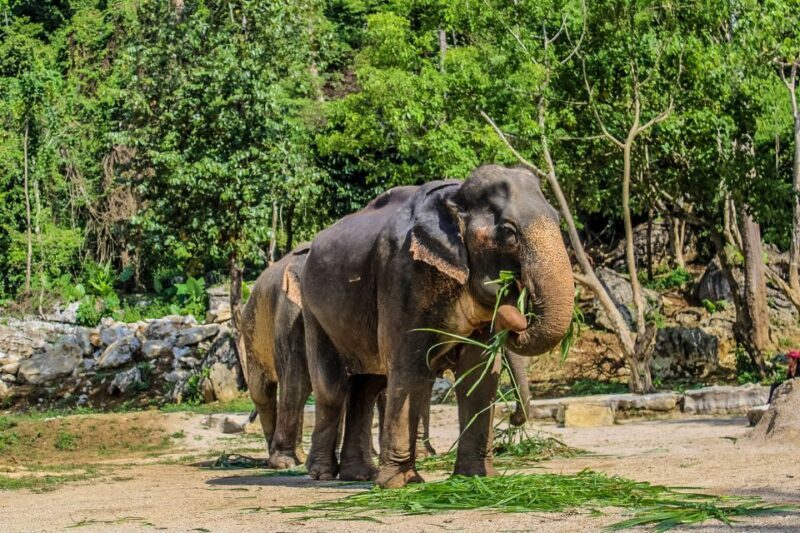
The first interactions are gentle and simple: you receive bananas to feed the elephants. The guide explains how to offer food and what to watch for, while also sharing details about the animals. This is a good chance to notice their behavior at close range, rather than rushing straight into the mud and water.
The tour also includes preparing natural dietary supplements. One visitor described making food balls, a small but useful addition to the feeding session. It gives you a sense that caring for elephants involves more than handing out treats. You take part in a practical task, then see the animals enjoy what you have prepared.
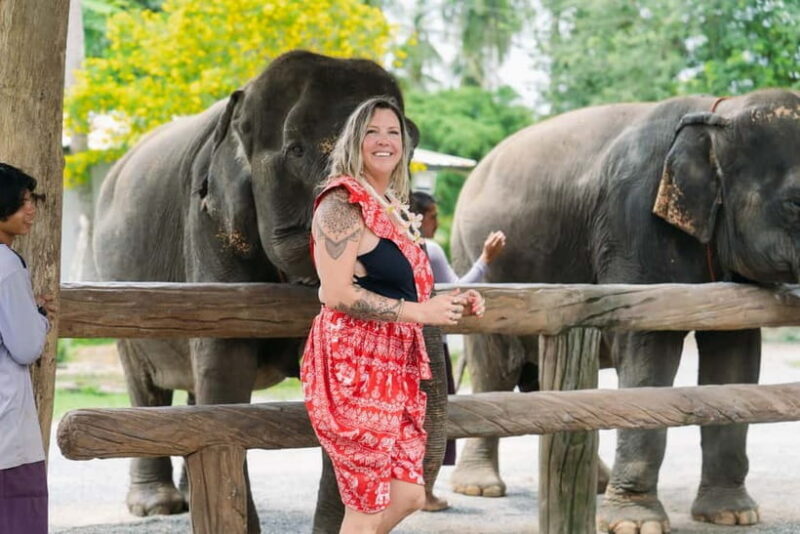
You can touch, feed, photograph, and interact with the elephants during this part of the visit. The guide remains there to explain their routines and behavior. If you’re nervous, the step-by-step format can help: start by observing, follow the instructions, and approach at a pace that feels comfortable. Children can take part too, but they should stay close to the guide and accompanying adults.
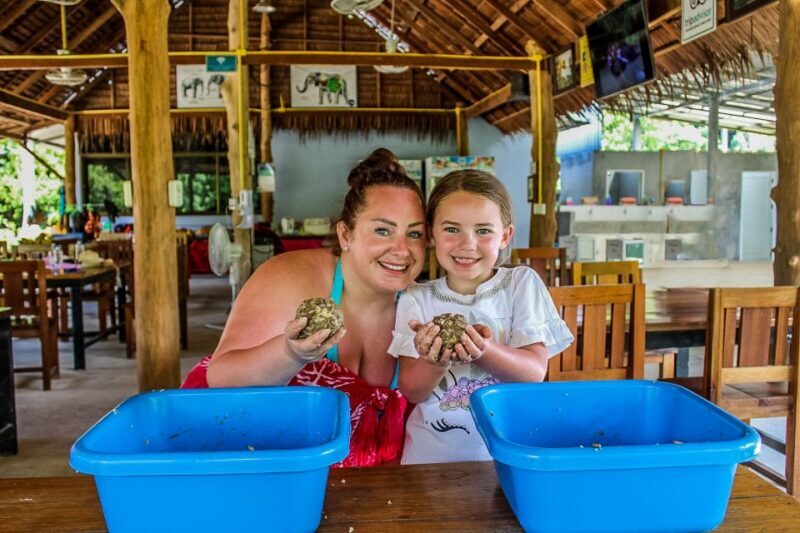
After feeding, you’ll join the elephants for a mud treatment. The mud is applied to their skin as a form of sunscreen and skin care. It’s also the messiest part of the visit, so this is where swimwear and water shoes earn their place. Mud can be deep enough to make walking awkward, and the ground may be slippery.
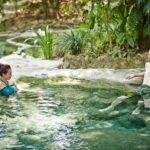
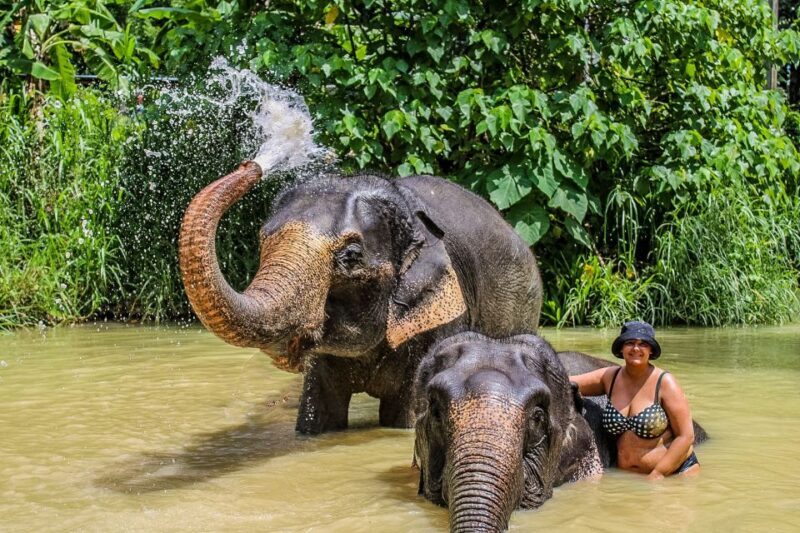
Then you walk with the elephants to the water and help bathe them. You can brush them as they play in the pool, and the guide will tell you how to take part. This is the moment many people come for, but it works best when you treat it as animal care rather than a photo session. Let the staff set the pace and follow their directions.
There is an important practical detail: a mud bath is not a pristine spa treatment. One visitor noted that elephants also use the mud area as a toilet. That is part of being close to animals in an outdoor setting, and a reason to bring shoes you can rinse off. If the idea of mud, splashing, and a thorough wash afterward puts you off, choose a less hands-on activity.
After the elephants are clean, you can take final photos and change into dry clothes. Clean showers have been reported at the site, but bring your own towel and any toiletries you prefer. Towels are not included. The staff may take photos during the visit, which lets you enjoy the activity without holding your phone the whole time, though you should not assume a particular photo service unless confirmed.
More Great Tours Nearby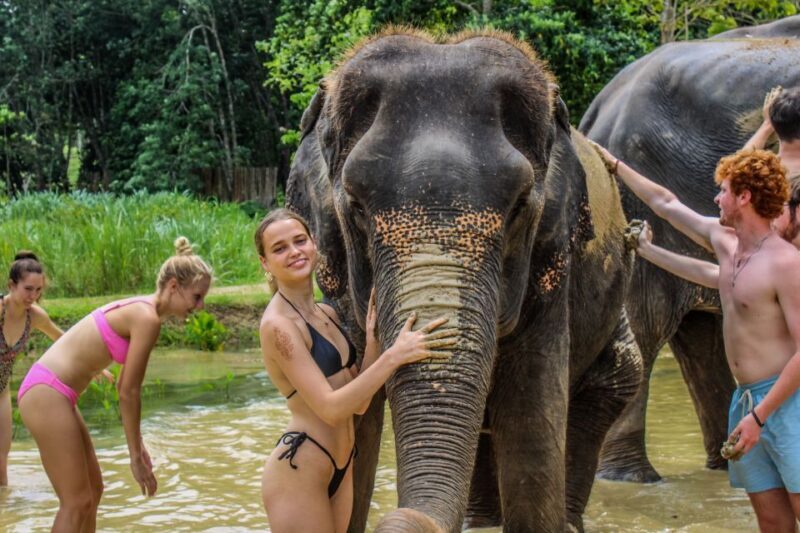
At $70 per person, the price covers more than entry to the sanctuary. It includes a guide, food for the elephants, transport, accident insurance, drinking water, coffee and tea, plus a snack, seasonal fruit, and juice. Some people have also had coconut water and mango sticky rice at the end, but the listed inclusions do not guarantee those particular items.
The value depends on what you want from an animal encounter. If you are looking for a quick photo and little else, this may feel like more than you need. If you value guided learning, several different ways to interact, and transport bundled together, the price is easier to justify. Feeding, making food, applying mud, and bathing offer a varied half-day rather than one brief encounter.
The sanctuary’s care also depends on the resources needed to look after the elephants. The guides explain their rescue backgrounds and daily needs, and the tour’s activities are presented as part of that care. You can ask how the sanctuary uses visitor fees and how it manages the elephants’ routine. That is a sensible question anywhere animals are part of a tourism activity.
Lunch and dinner are not included. Plan to eat before or after the tour, and don’t mistake the fruit and snacks for a full meal. The visit ends with refreshments before your transfer back, a pleasant finish after time in the mud and water.
Pack swimwear, a towel, sunscreen, insect repellent, and flip-flops or water shoes. Water shoes are especially useful for walking on the ground during the activities. They can be bought at the sanctuary, but bringing your own avoids an extra purchase and gives you shoes that fit well.
Bring a change of clothes for the return trip. A small bag for wet swimwear is handy, and you may want a travel-size soap or shampoo for the shower. These are practical comforts, not listed tour inclusions. Keep valuables and electronics secure while you’re in the water; staff photos may mean you don’t need to carry your phone during every activity.
The accident insurance form requires your passport number. Have the number available when you arrive, and bring a passport or ID card as listed in the tour information. If you need to confirm pickup time or location, wait for the separate message from the local partner and contact them if it does not arrive.
This tour suits animal lovers who want to take part, families comfortable with a wet and muddy activity, and visitors curious about the lives of rescued elephants in Thailand. The combination of explanation and hands-on tasks makes it more than a bathing session. You get a chance to learn, feed, prepare food, and help wash the animals in one visit.
It can also work for people who are unsure how to behave around elephants. The guide gives instructions before interaction, and the activities progress from feeding to mud and water. That structure is useful, but you still need to be comfortable following directions and sharing close space with a large animal.
Think carefully if you prefer wildlife encounters with no touching or bathing. The program is explicitly interactive, and the elephants are not simply observed from a distance. Also consider the heat, mud, and need to change afterward. There is no need to be especially sporty, but you should be comfortable walking around the activity area and getting wet.
Book it if you want a guided, hands-on half-day that combines elephant stories with feeding, food preparation, mud, and bathing. The strongest reasons are the clear instruction, the range of activities, and the practical transport and refreshments included in the $70 price.
Skip it if you want a strictly observation-only visit or would rather avoid muddy water and close contact. Before you book, confirm your pickup details, bring water shoes and a towel, and remember that meals are not included. For the right kind of visitor, this is a memorable way to spend a few hours learning about and helping care for rescued elephants.
“I have no words to describe how good this was from pick up to drop off absolutely fantastic the team were amazing and the experience was out of thi…”
The listed price is $70 per person.
It is described as a half-day tour. An exact start-to-finish duration is not specified.
Yes. Transport to and from Ao Nam Mao pier is listed, and pickup from your accommodation is described. The local partner sends pickup time details in a separate email after booking.
The guide speaks English.
You can feed them bananas, help prepare natural dietary supplements, apply mud, and help bathe and brush them in the water.
Bring a passport or ID card, swimwear, a towel, sunscreen, flip-flops or water shoes, and insect repellent.
You should bring your own. Water shoes are also available to purchase at the sanctuary.
A snack, seasonal fruit, juice, drinking water, coffee, and tea are included. Lunch and dinner are not.
You need your passport number for the accident insurance form. The tour information also asks you to bring a passport or ID card.
You can cancel up to 24 hours in advance for a full refund.
You can check availability for your dates here: