Physical Address
304 North Cardinal St.
Dorchester Center, MA 02124
Physical Address
304 North Cardinal St.
Dorchester Center, MA 02124

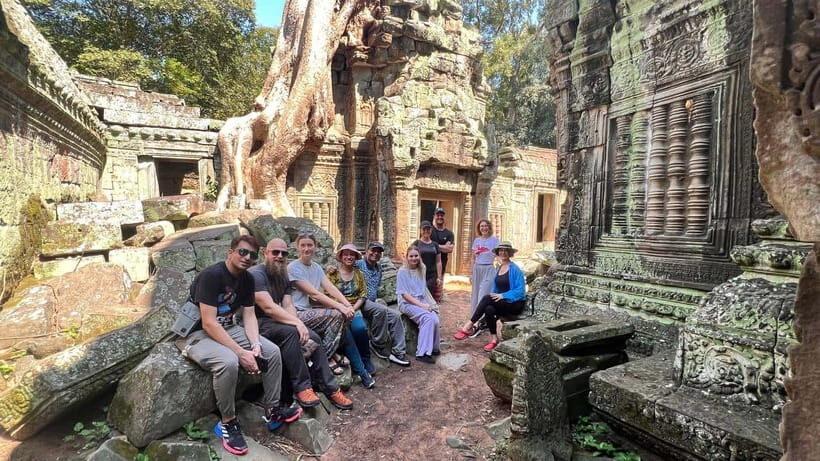
Explore Angkor’s great temples over two days, with a sunrise entry, a licensed guide, cool van transfers, and a sunset finish.
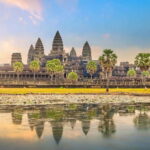
Angkor’s temples are more than a set of famous photo stops. This two-day outing pairs the sunrise at Angkor Wat with quieter-feeling sites such as Preah Khan and Ta Nei, giving you both the grand scale and the tangled stonework that make the complex so compelling.
I like two things in particular: a guide can explain the Hindu and Buddhist stories behind what you see, and the air-conditioned van, cold water, and cool towels offer real relief between walks. One thing to plan for: the temple pass costs extra, and the pre-dawn start plus long days on foot can be tiring.
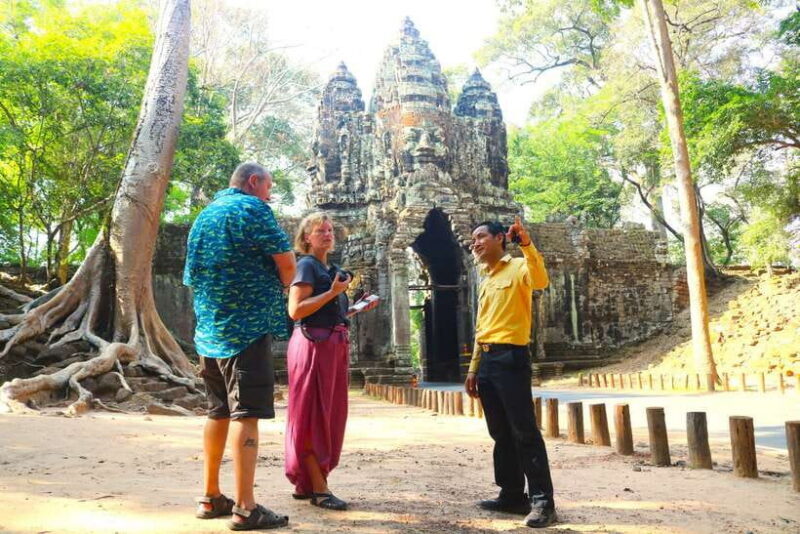
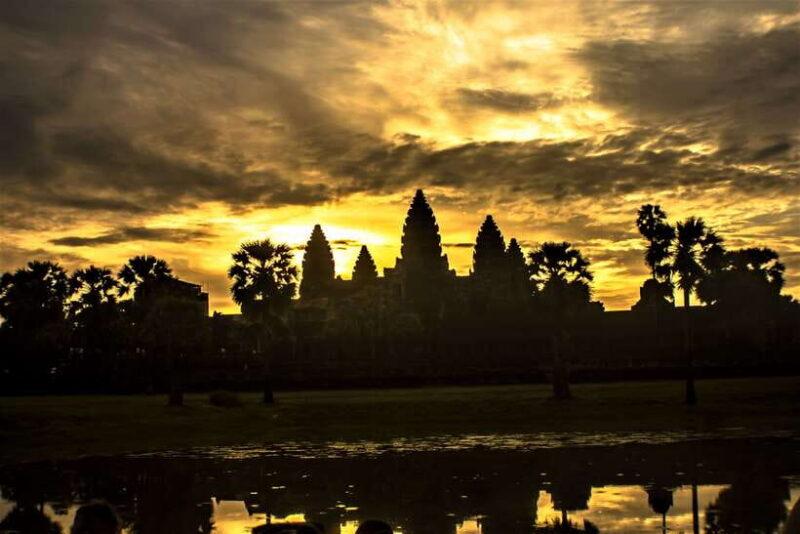
The route covers a lot of ground, and that is the point. You get the iconic view of Angkor Wat at sunrise, but the schedule also makes room for smaller sites and a guide’s explanations, rather than leaving you to piece together the place from carvings and guidebook captions.
The order gives each day a different feel. Day one ranges across temples outside Angkor Thom, including the finely carved Banteay Srei. Day two starts in darkness at Angkor Wat, then moves through Ta Prohm and the fortified city of Angkor Thom. Expect plenty of walking, uneven stone surfaces, and heat once the sun is up.
Evening activities in Siem Reap include these interesting options
The first day begins at Pre Rup, a Hindu temple built as a state temple for King Rajendravarman and dedicated around 961 or 962. Its brick, laterite, and sandstone construction gives it a different look from the larger sandstone monuments. It is a useful introduction to the range of styles you will see over the two days.
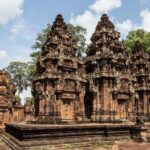
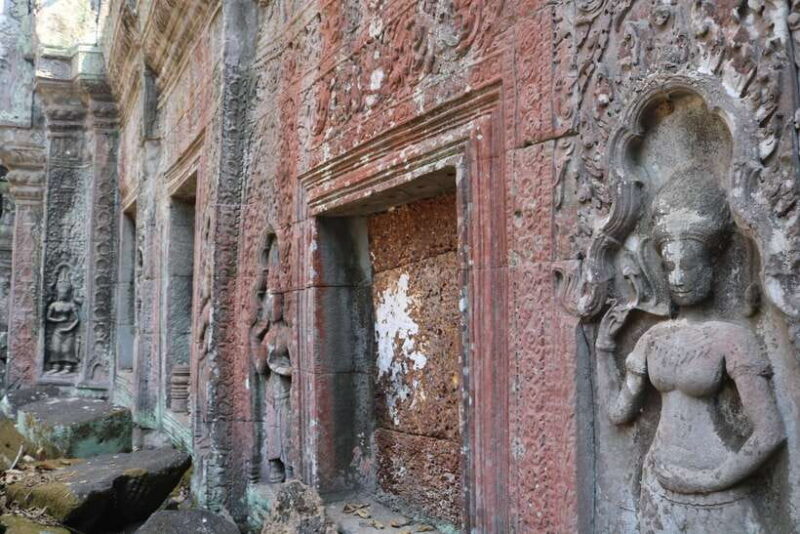
Next comes Banteay Srei, the route’s outlying highlight. This smaller sandstone temple is known for its exceptionally detailed relief carvings. Give yourself time to look closely: the appeal here is not size, but the precision of the decoration. It is also a longer drive from central Siem Reap than the main Angkor sites, so this stop adds variety as well as travel time.
The return journey brings you to Neak Pean, a Buddhist temple on a circular island in the Jayatataka Baray. The setting is quite unlike a temple mountain or a sprawling stone complex. You then continue to Preah Khan, commissioned by Jayavarman VII in honor of his father. Its crumbling structures and tree roots make it atmospheric, while restoration work has helped preserve parts of the site. Compared with Angkor Wat, Preah Khan feels less monumental and more like a place to wander through layers of stone and shade.
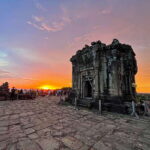
The sunset finish depends on which version you book. The private option includes a drink among Siem Reap’s rice fields, while the small-group option lists sunset at Bakheng Temple. The tour information also includes Bakheng in the day-one temple itinerary, so check the exact sunset plan when choosing. These are different settings, and you should not assume the booking includes both.
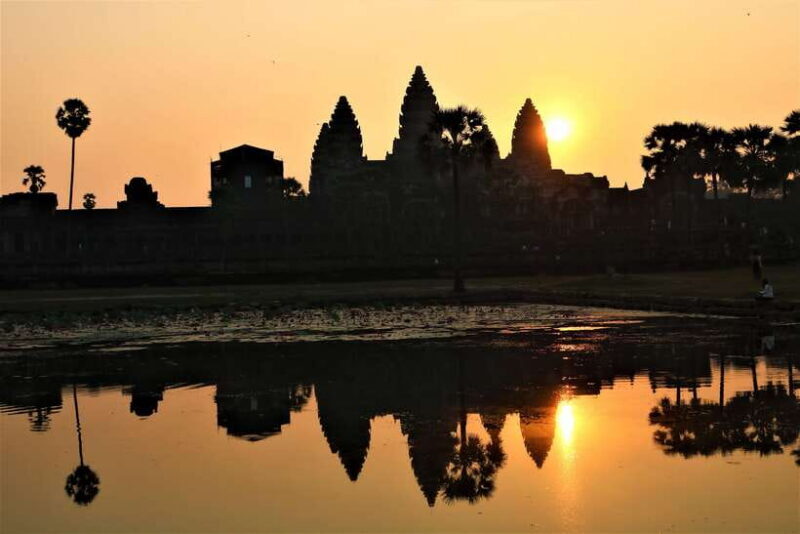
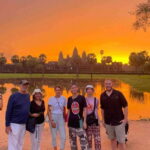
The second day starts before dawn. You enter Angkor Wat from its eastern side in darkness, so bring a torch as requested. Walking through the cloistered corridors before daylight gives you time to notice the temple’s scale and carved walls before the day warms up and crowds build.
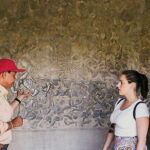
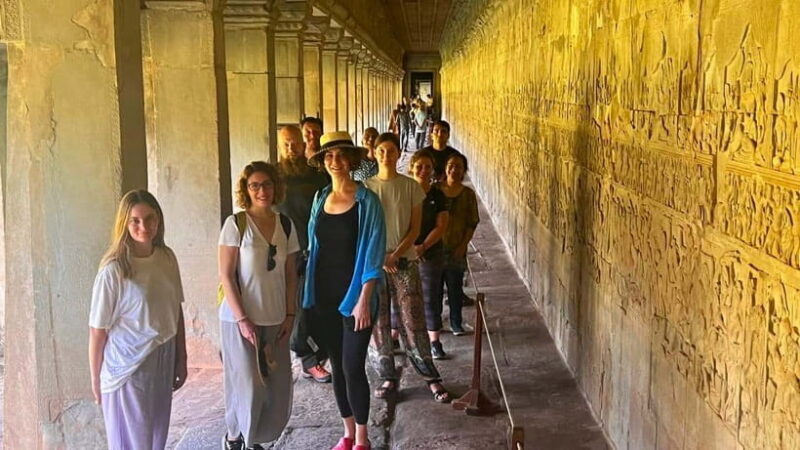
The temple’s extensive bas-reliefs are a major part of the visit. A guide can help you read the scenes and connect the carvings with Khmer beliefs and history. After exploring, the group stops for breakfast outside the temple. Meals are not included, so treat breakfast as a separate expense.
Sunrise is an early alarm, not a gentle start, and the best view depends on conditions and crowding. Several guides named in recent accounts, including Pi, Sak, and Chhay, have been praised for organizing the timing and helping groups find a good viewing spot. Your assigned guide may be different, but it is worth following their instructions closely if you want to make the most of the brief dawn light.
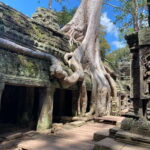
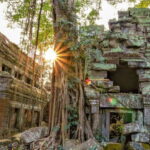
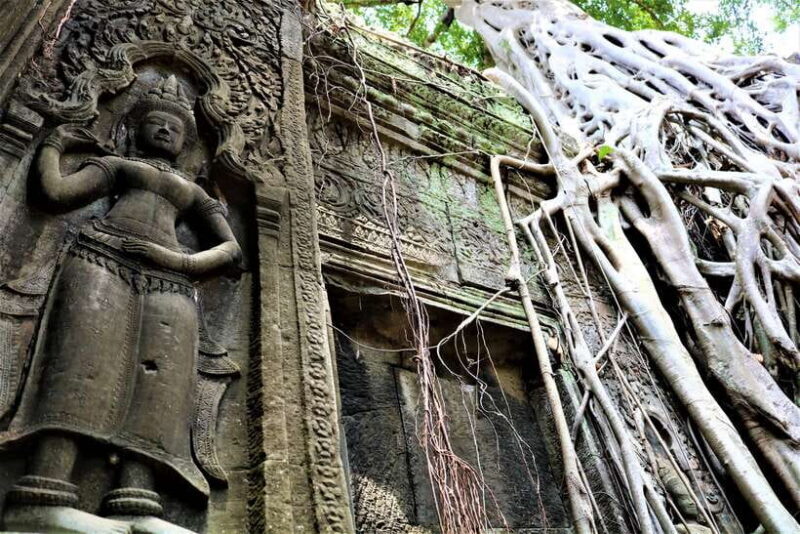
After Angkor Wat, the route continues to Ta Prohm, one of the most atmospheric stops on the circuit. Once home to 2,740 monks, it is known for its trees and roots pressing against old stonework. The site is often associated with the explorer Henri Mouhot, who described it after reaching the area in the 1850s.
Ta Prohm is popular, and its best-known corners can feel busy. A guide can help you find details beyond the familiar root-covered views, but you should still expect other people at this famous stop. Wear shoes with a steady grip, since temple paths and old stone surfaces can be uneven.
Ta Nei, a late 12th-century temple, offers a smaller-scale contrast. It does not have the same fame as Ta Prohm or Angkor Wat, which is part of its appeal on a packed temple circuit. The two sites together help you see how varied the Angkor area can be, even within a single morning.
More Great Tours Nearby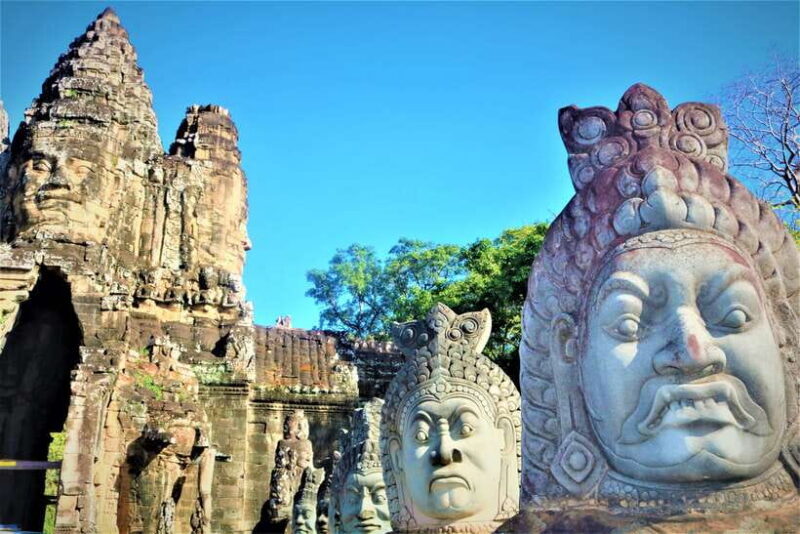
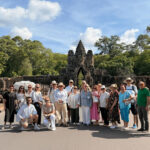
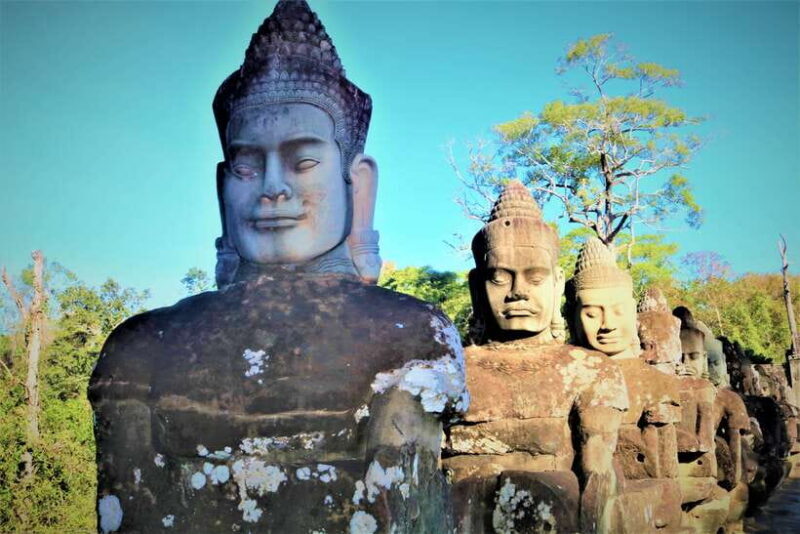
The visit to Angkor Thom begins at its southern gate, flanked by rows of 54 stone figures on each side: gods on the left and demons on the right. It is a striking entrance to the fortified city and a good place to pause while your guide explains the imagery.
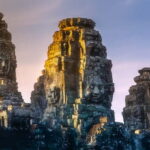
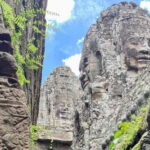
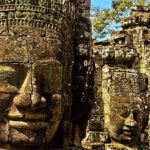
Inside, Bayon is the main event. Its central towers carry more than 200 enormous faces, a feature that gives the temple a very different character from Angkor Wat’s long galleries and carved narrative scenes. Take time to look up and around rather than focusing only on the best-known angles.
The route also includes the Terrace of the Elephants and the Terrace of the Leper King. These are strong final stops for seeing how royal spaces and carved stonework fit into the wider city. The day contains several major sites, so you may be ready for a sit-down by the time you finish. The guide can help pace the stops, but you should tell them if the heat or walking is getting to you.
You might also be interested in these Siem Reap experiences
At Angkor, a guide is more than a way to move from one temple to the next. The carvings and structures carry religious and political meaning that is hard to read on your own. The tour’s licensed English-speaking guides explain Khmer history and religion, and recent guides have also shared stories about Cambodian culture and everyday life.
Names appearing in recent accounts include Pi, Pal, Chhay, Bun, and Sak. Their styles differ, but practical strengths described include answering questions, giving historical context during drives, helping with photographs, and adapting the pace. Some have used maps or visual material to prepare the group before reaching a site. You cannot count on a particular guide unless the operator confirms it, but the guide’s role is a major part of the tour’s value.
The driver matters just as much during hot weather. The vehicle is air-conditioned, with hotel pickup and drop-off around Siem Reap City. Bottled water and cool towels are provided, and accounts repeatedly describe drivers such as Vichet, Keal, Mao, and Naroo as attentive and punctual. Those comforts do not remove the need for sun protection and water, but they make the breaks between temples much easier.
Small-group availability is useful if you prefer to ask questions and move as a group without a large coach crowd. Group size can vary, though, and it is not guaranteed to be the same on both days. If you want a private outing, book the private option and confirm the sunset arrangement.
At $46 per person, the tour includes two days of transport, hotel pickup and drop-off, an English-speaking licensed guide, bottled water, and cool towels. That is a reasonable package for someone who wants to cover many temples without arranging separate rides or navigating the route alone.
The main extra cost is substantial: the listed two- or three-day temple pass is $62 per person, and meals are not included. That makes the basic outing at least $108 per person before food, assuming you need to buy the pass. Check whether you already have a valid pass before booking, and remember that breakfast and lunch stops do not mean the meals are covered.
The value comes from combining transport, site planning, and interpretation, not from a low all-in price. If you only want a quick look at Angkor Wat, a two-day route may be more than you need. If you want the major temples plus Banteay Srei and smaller stops, the spread of sites makes the extra day worthwhile.
Wear comfortable walking shoes and bring insect repellent. Dress with shoulders and knees covered; shorts are listed as not allowed. Light, breathable clothing that still meets the dress rules is the sensible choice for long outdoor visits.
This tour is not wheelchair accessible and is not suitable for people with mobility impairments or children under eight. One person with a knee problem praised the guide and driver for being patient and helpful, but that does not make the route easy for anyone with limited mobility. Expect repeated walks around temple grounds and steps or uneven surfaces.
You can cancel up to 24 hours ahead for a full refund, and the reserve-now, pay-later option keeps payment flexible. Check availability for starting times, especially since the sunrise day means a pre-dawn pickup. Pickup is available from hotels throughout Siem Reap City.
I would choose this tour if you want two full days of temples, a guide to explain the religious and historical details, and air-conditioned transport between sites. The combination of Angkor Wat at sunrise, Banteay Srei, Ta Prohm, Preah Khan, and Bayon is a strong introduction to the area, with enough variety to keep the second day from feeling like a repeat of the first.
Think twice if you need a relaxed pace, cannot manage long walks, or are trying to keep costs to the $46 headline price. The temple pass and meals add up, and the early start is real. Before booking, confirm whether your option ends at Bakheng or in the rice fields, then plan for the $62 pass and bring a torch for Angkor Wat.
“The Guide and the driver were very patient and understanding. I have a knee problem and my mother is aged,but they always took extra care of both o…”
The route includes Pre Rup, Banteay Srei, Neak Pean, Preah Khan, Angkor Wat, Ta Prohm, Ta Nei, and sites in Angkor Thom, including Bayon and the two terraces.
Yes. Day two begins with a pre-dawn departure and entry to Angkor Wat in darkness from the eastern side.
The private option includes a drink in the rice fields. The small-group option lists sunset at Bakheng Temple. Confirm which option you are booking.
No. The listed two- or three-day pass costs $62 per person and is paid separately.
No. Meals are not included. The itinerary includes breakfast outside Angkor Wat, but you should budget for it separately.
Yes. Pickup and drop-off are included for hotels in Siem Reap City.
Bring comfortable walking shoes and insect repellent. A torch is also requested for entering Angkor Wat before sunrise.
Dress respectfully with your shoulders and knees covered. Shorts are listed among the items not allowed.
No. It is not wheelchair accessible and is not suitable for wheelchair users or people with mobility impairments.
You can check availability for your dates here: