Physical Address
304 North Cardinal St.
Dorchester Center, MA 02124
Physical Address
304 North Cardinal St.
Dorchester Center, MA 02124

See Angkor Wat at sunrise, then visit Ta Prohm and Bayon with an English-speaking guide, air-conditioned transport, water, and cool towels.
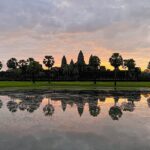
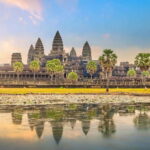
Angkor Wat at first light is the main event: the temple’s towers emerge against a changing sky, reflected in the pools near its library. This eight-hour outing pairs that early start with visits to Ta Prohm and Bayon, giving you a useful first look at several very different parts of the Angkor complex.
Two things I particularly like are the guide-led context, which helps make sense of the carvings and temples, and the practical comforts: air-conditioned transport, bottled water and cool towels between stops. Guides such as Bun, Pal Saruon and Sok have been praised for clear explanations and for helping with photos, though your assigned guide may be different.
The trade-off is the alarm clock. Pickup is between 4:15 and 4:35 a.m., and the sunrise depends on the weather. You’ll also pay US$37 for the Angkor Pass on top of the US$19 tour price, and the temple walking can feel tiring as the day warms up.
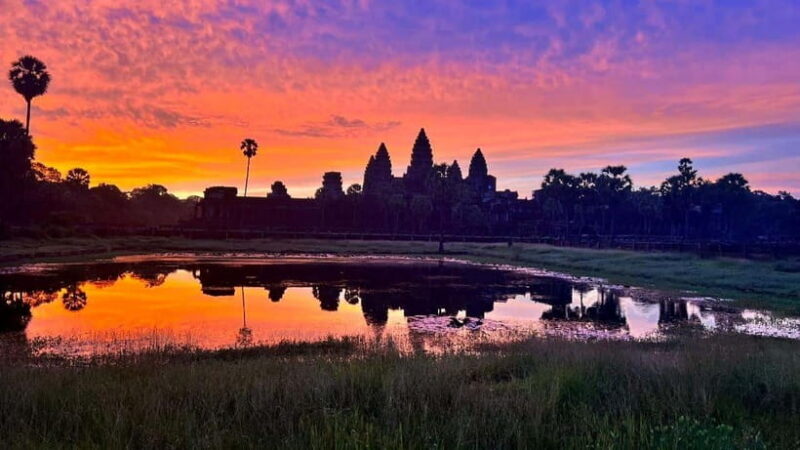
Angkor Wat is vast, and the first view of it is especially striking when the sky is still dark. You enter before sunrise and walk through the temple’s corridors with a flashlight. In the quiet, the stone passageways feel different from the open, sunlit scenes later in the morning.
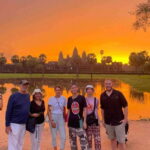
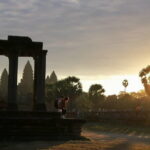
The sunrise viewing spot is near the reflection pools by the library. From there, the temple’s five towers rise into view as the sky shifts toward red and gold. The scene can be crowded, so a guide who knows where to stand is useful. Several guides, including Sok and Zak, have been praised for helping their groups find a good viewing position. Your guide can also offer photography tips and help take pictures.
Keep expectations flexible. A clear sunrise is never guaranteed, and rain or cloud can obscure the view. One tour group waited out heavy rain before continuing, and still found the shared time and temple visit worthwhile. Bring a patient attitude, not just a camera.
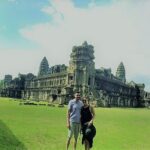
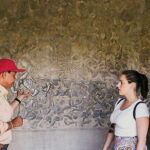
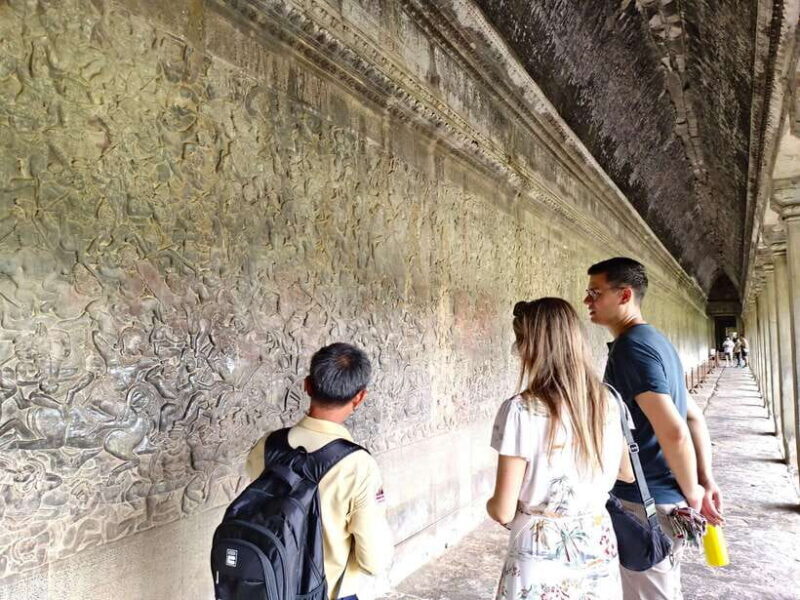
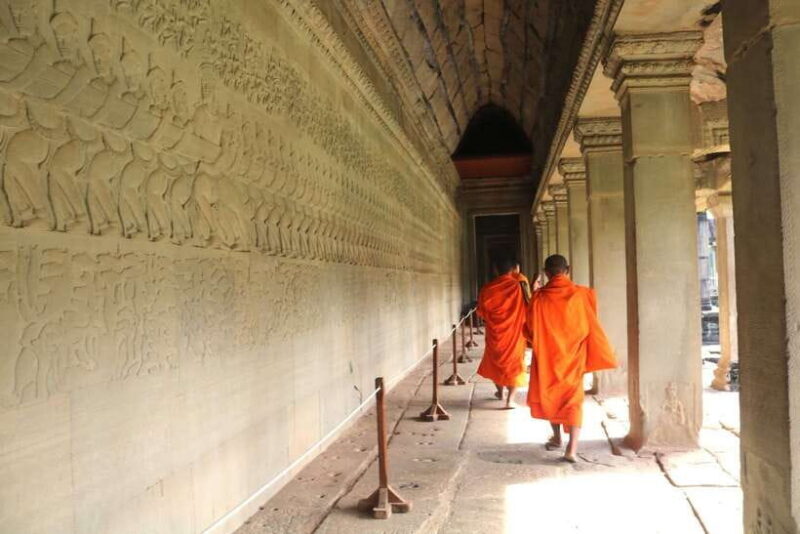
Once the light improves, the guide leads you through Angkor Wat for about two hours. You’ll see galleries, intricate bas-reliefs and less obvious corners while hearing stories about the gods and rulers depicted in the stone. This context matters: the carvings are not simply decoration, and a guide can help you notice what you might otherwise walk past.
You can check availability for your dates here: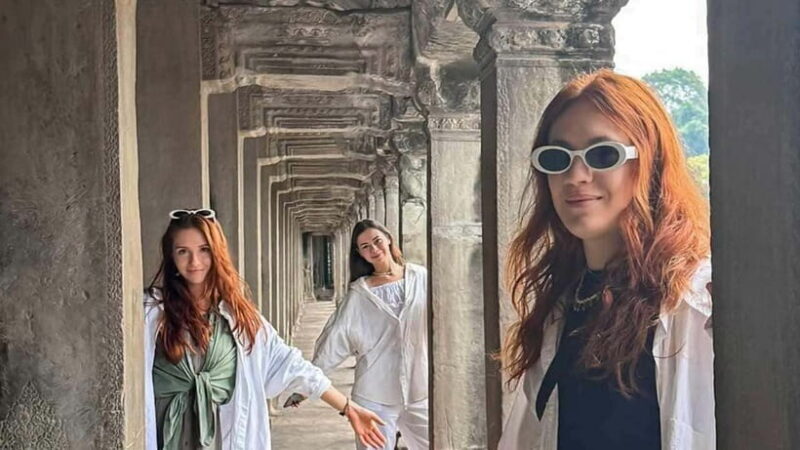
The day starts between 4:15 and 4:35 a.m., with pickup at your hotel. The exact time depends on where you’re staying and is provided the day before. From the listed meeting address, the vehicle ride to Angkor Wat takes about 30 minutes. Transport is in an air-conditioned vehicle, a welcome place to rest between outdoor walks.
The tour enters through Angkor Wat’s eastern entrance, described as the quieter way in. You’ll need a flashlight for the predawn walk. Wear comfortable clothes and shoes that work for temple paths, and carry insect repellent, sunglasses and a hat for later. You must cover your shoulders and knees at temples, so plan your outfit accordingly. Short skirts are not allowed.
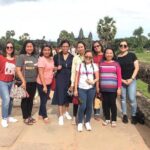
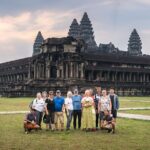
The tour is presented as a group experience, but the size can vary. Some past outings were described as relatively small, while other bookings were private. If you have a particular group-size preference, check with the operator rather than assuming every departure is private or small.
If you prefer having a local expert, these guided Siem Reap experiences could work well
The sunrise may be the photograph you came for, but the guided walk is where the temple begins to make sense. Angkor Wat’s galleries hold detailed bas-reliefs and scenes tied to Hindu mythology, kingship and the Khmer Empire. With an English-speaking guide, you can ask questions and connect the carvings to the wider story of the site.
Guides named in past trips include Bun, Pal Saruon, Sok, Samnang and Monirom. Their styles differ, but the qualities most often praised are clear English, warmth, historical explanation and patience. Several have also been good at finding photo angles or taking pictures for the group. You can’t choose a particular guide based on the information here, so treat those names as examples rather than a promise.
There is a practical balance to the guided format. You gain a framework for understanding the site, but the schedule means you won’t have unlimited time to wander. If you prefer to spend hours studying one gallery or moving at your own pace, a private guide or a longer visit may suit you better.
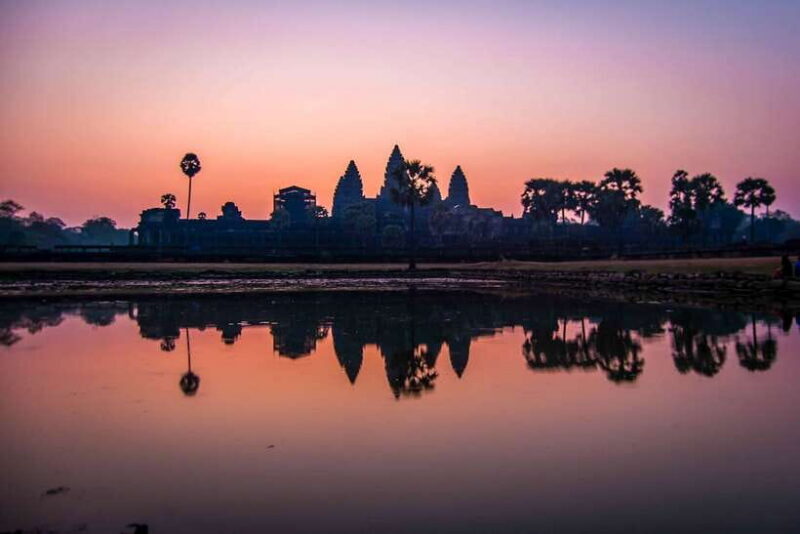
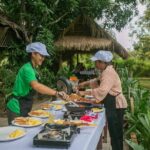
After the Angkor Wat visit, the route includes a stop at Srah Srang for about an hour. Breakfast is optional and at your own expense. Local restaurants near the temples offer food and drinks, and the stop gives you a chance to rest before the next walks. You can also bring your own breakfast.
This is a useful pause, not a meal included in the tour price. Keep a little cash for food or coffee if you plan to buy something, and don’t count on a long sit-down meal unless you confirm what is available. The itinerary also lists tea, coffee, beer and other refreshments at this stop, but none are included in the tour price.
The driver’s help becomes especially noticeable as the morning heats up. Bottled water and cool towels are supplied, and the driver is ready when the group returns to the vehicle. The small comforts are not a substitute for bringing water or dressing for the heat, but they make a long morning more manageable.
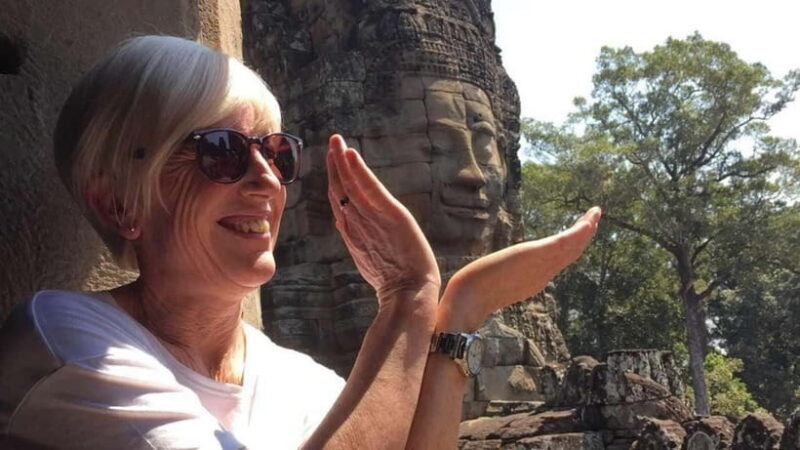
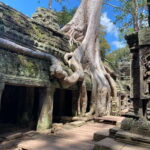
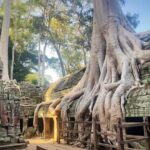
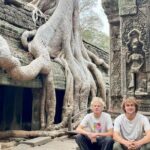
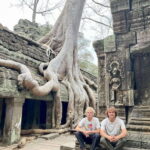
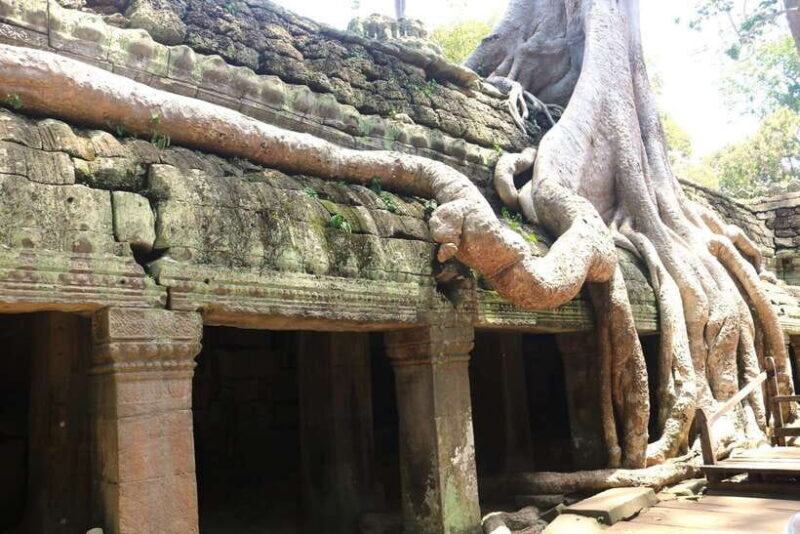
Ta Prohm offers a very different mood from Angkor Wat. Here, trees and roots press against the temple’s stonework, and the ruins seem to be in conversation with the jungle around them. You’ll have about an hour to walk through the site with your guide.
The contrast is part of the appeal. Angkor Wat feels ordered and monumental; Ta Prohm feels more enclosed and irregular. It is also a popular stop, so expect other people in the temple grounds. Your guide can help you understand the site and point out places for photos, but the paths and stone surfaces call for care. Watch your footing, especially if it has rained.
More Great Tours Nearby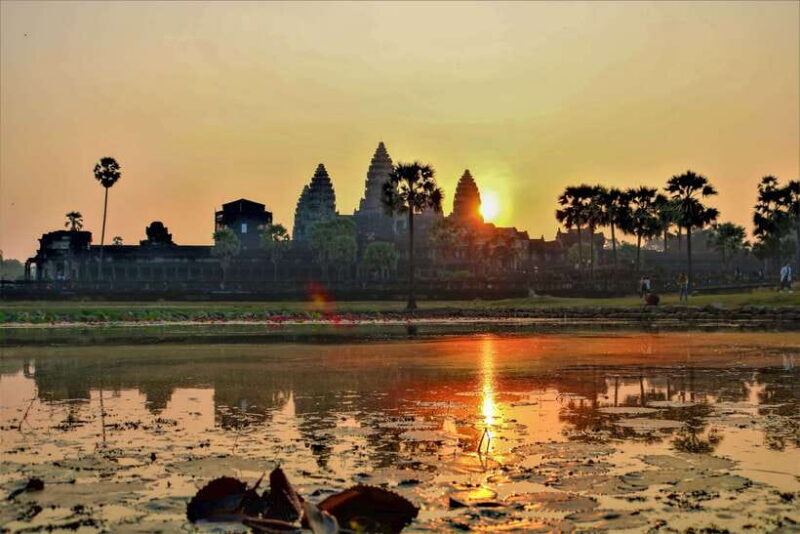
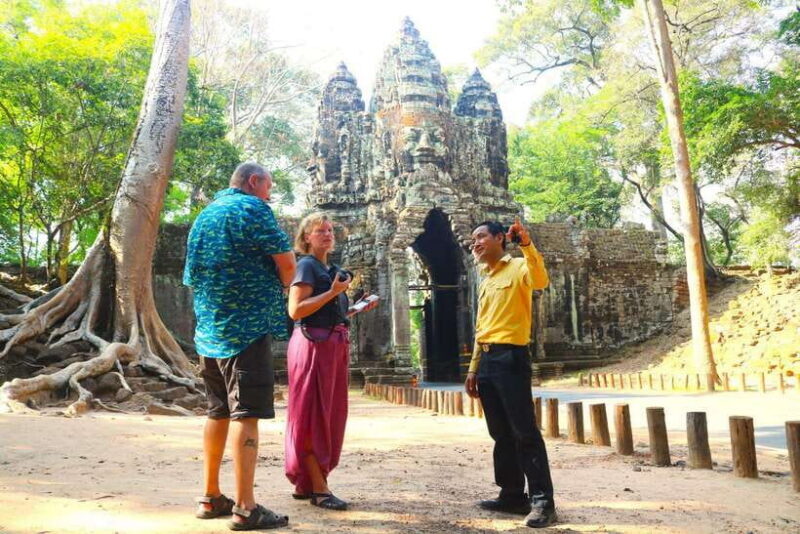
The itinerary continues to Angkor Thom, the former heart of the Khmer Empire, with a stop at Victory Gate. The gate is a strong reminder of the scale of the old city, and the group has about 20 minutes here for a visit and photos. This is a shorter stop than the temple visits, so think of it as a glimpse of the city’s defenses and monumental entrances rather than an extensive tour of Angkor Thom.
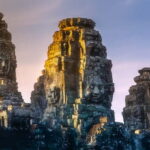
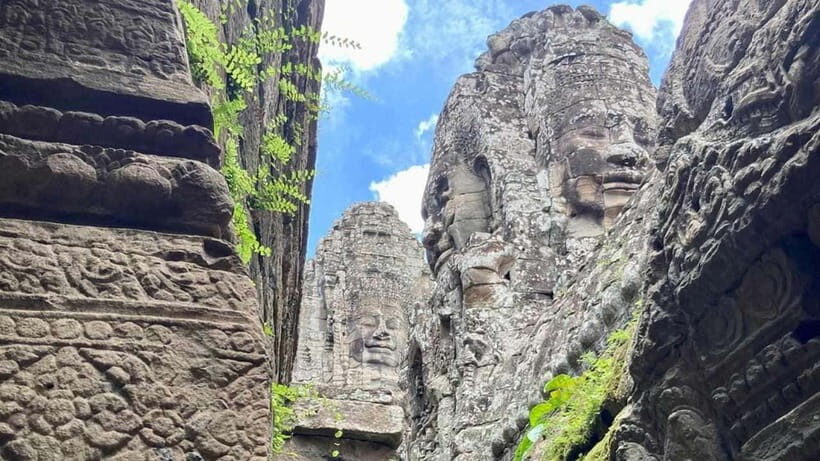
Bayon is the next major temple, with about an hour for a guided visit and walk. Its stone faces are the feature most likely to stay with you: expressive and repeated across the temple’s towers. The setting differs from Ta Prohm’s tangled roots and Angkor Wat’s long galleries, giving the morning a satisfying variety.
The guide’s role here is more than pointing out the faces. You’ll hear about the temple’s place in the Angkor complex and learn how it fits into the larger story of Cambodian history and religion. The exact depth of the explanation depends on the guide and the group’s pace, but the tour is designed to give you more context than a quick photo stop.
You might also be interested in these Siem Reap experiences
At $19 per person, the tour price covers hotel pickup and drop-off, air-conditioned transport, an experienced English-speaking guide, bottled water and cool towels. The required one-day Angkor Pass is extra at US$37 per person, bringing the basic cost to about US$56 before breakfast. Make that total the basis of your budget, not the headline tour price alone.
That total buys a structured route through three of the area’s best-known temples and the convenience of not arranging transport between them yourself. The guide is a major part of the value: without one, it can be harder to understand the carvings, compare the sites and make the most of limited time. The early pickup also lets you see Angkor Wat before the day grows hotter.
This is not the cheapest way to visit if you already have transport and prefer to explore independently. It can be good value if you want a guide, a planned route and practical support through a long morning. The tour has a 4.9 rating from 1,586 reviews, and transport has received particularly strong marks. That is encouraging, but the actual day still depends on weather, group pace and your guide assignment.
Although the tour is sometimes described as a half-day, plan for a full eight-hour outing. Pickup is before dawn, and you return to your hotel between 12:30 and 1:30 p.m. The combination of walking, temple steps and an early wake-up can be tiring. The morning timing helps you see the temples before the strongest heat, but it does not remove the need to pace yourself.
Children under eight and wheelchair users are not suited to this tour. The route includes walking through temple grounds, and no wheelchair access is offered. The day also involves changing light and weather, so pack for both the cool predawn start and the warmer hours that follow.
Bring sunglasses, a hat and insect repellent, along with clothes that cover your knees and shoulders. Comfortable footwear is sensible for the walking. You do not need to bring a passport, according to the tour information. Breakfast is not included, and the Angkor Pass is an extra cost.
The tour offers free cancellation up to 24 hours before departure, and you can reserve now and pay later. General last-minute date changes are allowed up to seven hours before the start at no extra cost. If you are not going to arrive within the stated reconfirmation period, contact the operator before travelling or as soon as you arrive in Cambodia.
I’d choose this outing if you have one morning for Angkor’s main sights and want the help of a guide without arranging transport yourself. It suits first-time visitors who want to see Angkor Wat at sunrise, then compare it with Ta Prohm and Bayon in one organized route. It is also a good fit if you like learning as you walk and appreciate having water and a cool towel waiting after each stop.
It is less suitable if you dislike early starts, want long stretches of unstructured time, or prefer to focus on just one temple. The sunrise is weather-dependent, and the day’s tight schedule gives each site a set amount of time. If those limits sound acceptable, the combination of a guided Angkor Wat visit, three contrasting temple experiences and practical transport makes this a sensible way to spend a morning in Siem Reap.
“Great half day with an experienced guide and very good driver. A relatively small group and we all had fun! Learned a lot too. And our guide Mr Han…”
Hotel pickup is between 4:15 and 4:35 a.m. The exact time depends on your hotel location and is provided one day before the tour.
The tour is expected to end between 12:30 and 1:30 p.m. The full outing lasts about eight hours.
No. The required one-day Angkor Pass costs US$37 per person and is payable on the day of the tour.
No. Breakfast is optional and at your own expense. You can buy it at local restaurants near the temples or bring your own.
The route includes Angkor Wat, Ta Prohm and Bayon, as well as a stop at Victory Gate in Angkor Thom.
Hotel pickup and drop-off, air-conditioned transport, an English-speaking guide, bottled water and cool towels are included.
Wear clothes that cover your shoulders and knees, as required at temples, and bring comfortable clothes, sunglasses, insect repellent and a hat. Short skirts are not allowed.
No. The tour is listed as unsuitable for children under eight and wheelchair users.
You can check availability for your dates here: