Physical Address
304 North Cardinal St.
Dorchester Center, MA 02124
Physical Address
304 North Cardinal St.
Dorchester Center, MA 02124

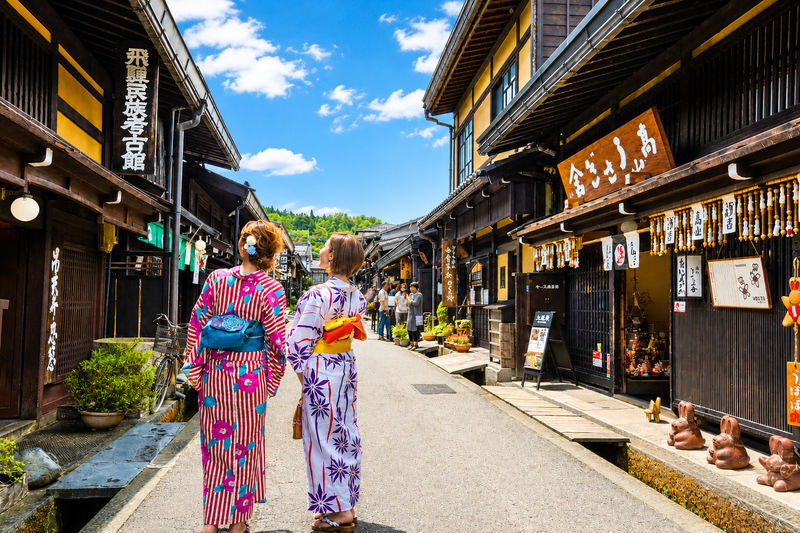
Visit Takayama’s Edo-era streets and Shirakawa-go’s thatched farmhouses on a guided Nagoya day trip, with optional local lunch.
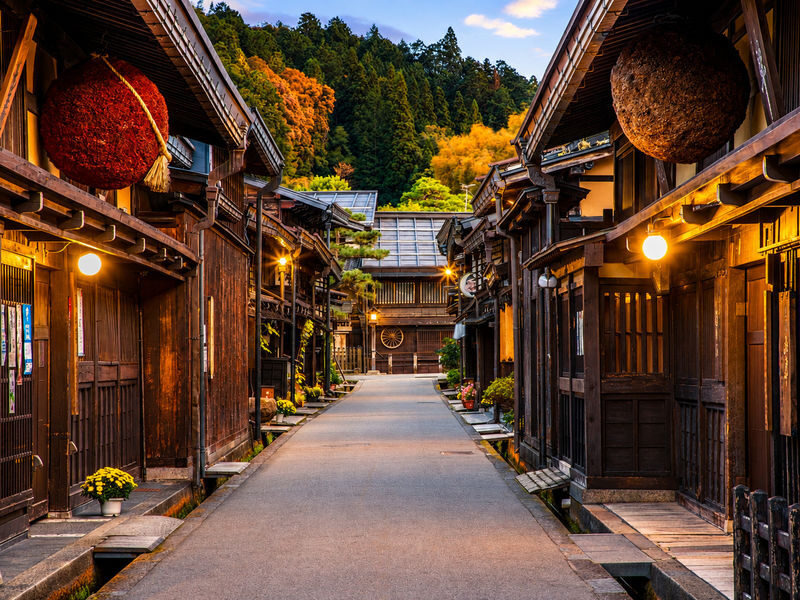
Shirakawa-go’s steep thatched roofs are made for heavy snow, but they look almost storybook-pretty in any season. This Nagoya day trip pairs the village with Takayama’s old streets, taking the stress out of reaching two places that are far apart by public transport. I like the Ogimachi Observatory view and the chance to wander Takayama’s Sanmachi district at your own pace.
A second plus is the range of lunch choices, from Hida beef to vegetarian oden, with or without a meal included in your booking. Guides such as Bara-san, Ms. Yu, and Xiao Liu have earned particular praise for clear directions, maps, and helpful tips. The trade-off is time: Takayama gets only about 90 minutes, so this is a sampler, not a slow visit.
The bus meets near Nagoya Station at the Nagoya Station VIP LINER Bus stop, at 20 Tsubakicho, Nakamura Ward. The stated meeting time is 7:50 a.m., with departure at 8:00. The location is about a minute’s walk from the Nagoya VIP Lounge and five minutes from Nagoya Station’s Taikotori south exit. Look for the guide holding a blue flag, and arrive ten minutes early.
That early start matters. Takayama is roughly a two-hour drive away, and Shirakawa-go is farther still. Getting between them by public transport takes planning; this trip bundles the transport into one booking and lets you rest on the bus instead of managing connections. Tolls, parking, and fuel are covered, while personal spending is not.
The tour is listed as a ten-hour outing, with a return to Nagoya Station around 6:00 p.m. Actual timing can shift with traffic or weather. Several reported smooth returns, but a delay is possible, particularly if the group has to wait for someone who has not returned to the bus on time. Keep the evening after the tour flexible.
The group size can range from one to 49 people. The guide may give explanations in more than one language, and some departures combine people who booked different language options. If language is important to you, check the package details before booking rather than assuming the bus will contain only one language group.
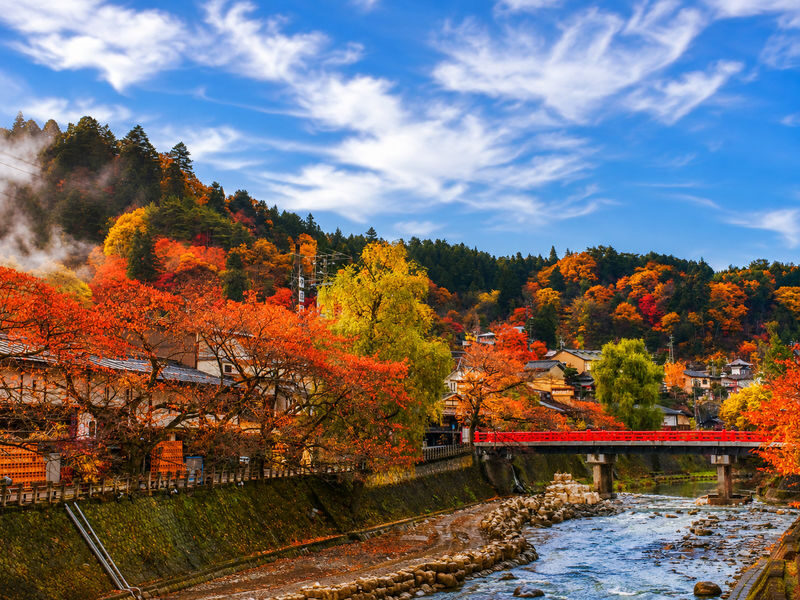
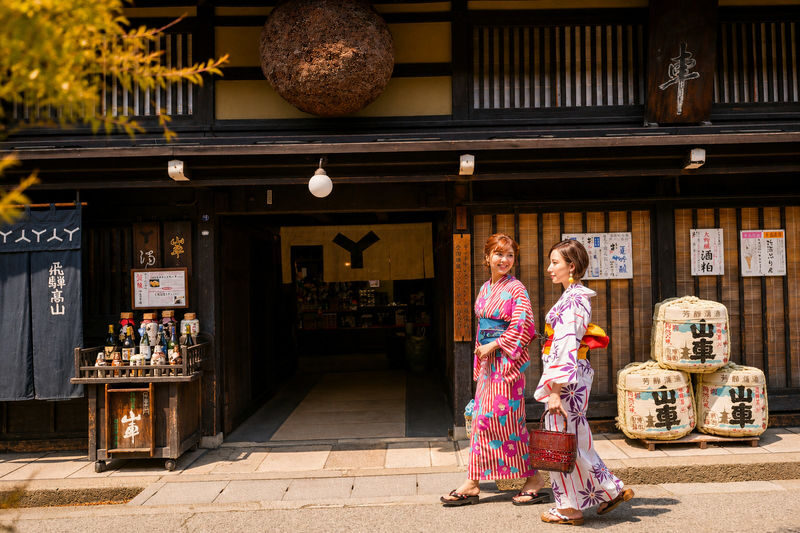
The first stop is Takayama, often called the Little Kyoto of Hida. The old Sanmachi district retains the feel of an Edo-period street plan, with traditional buildings, craft shops, sake breweries, and cafés. The schedule allows about 90 minutes of self-guided time, starting around 10:30 a.m.
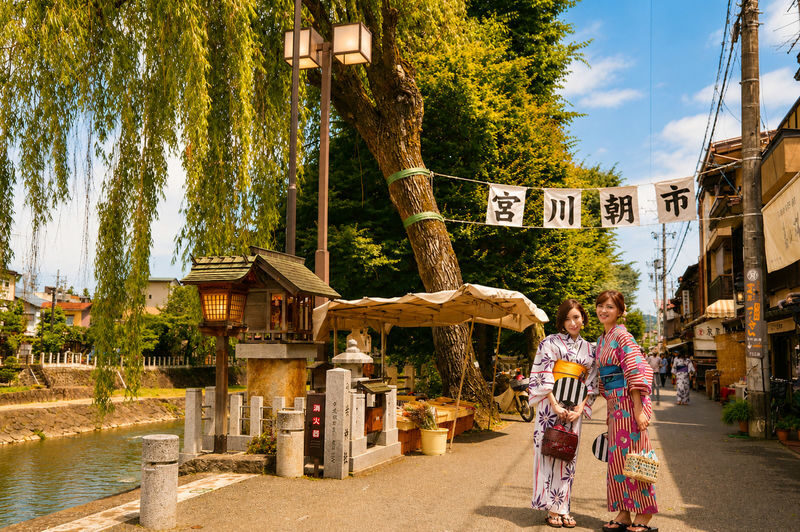
That sounds generous until you count the walk from the parking area, time to get oriented, and the return to the meeting point. In practice, you may have closer to an hour for browsing. Pick a priority before you arrive: stroll Sanmachi, stop at the Miyagawa Morning Market, visit Takayama Jinya, or sample local food. Trying to do all four is likely to turn a pleasant walk into a race.
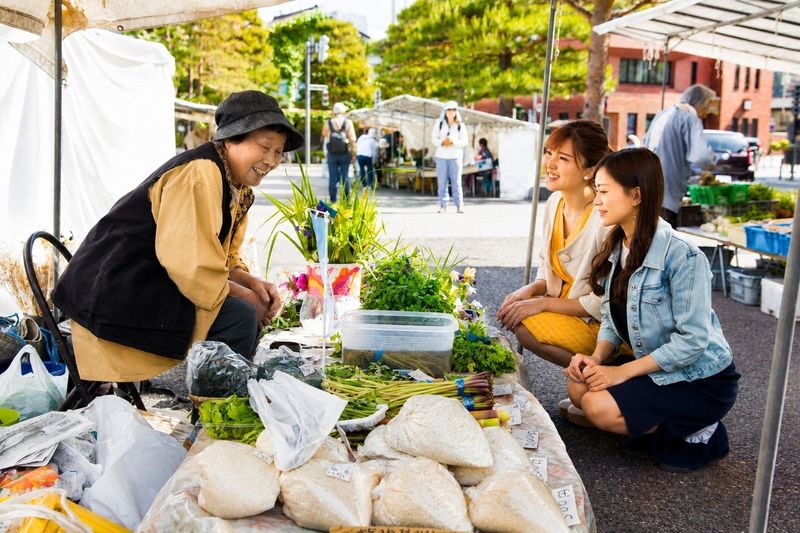
The market is a good place to see local produce and snack as you go. Takayama is also a fine spot to try Hida beef in a quick format, such as a skewer or sushi, if you have not chosen a set lunch. Some people make time for sake tasting or a pudding stop. These small tastes are fun, but queues and extra walking eat into a short visit.
Takayama Jinya is the only surviving Edo-period government office of its kind, with wooden architecture and gardens. It is a worthwhile choice if you are more interested in history than shopping, but allow for the walk and entry time. The tour does not include admission to attractions, and a stop inside the Jinya may mean skipping another part of town.
The celebrated Takayama Festival takes place in spring and autumn and is known for ornate floats. The day trip does not guarantee festival dates, so treat it as a seasonal bonus only if your visit happens to coincide with it. Even without the festival, the old streets and market give you a useful first taste of Hida’s town life.
Lunch is optional, and the package choices include Hida beef, Kobe wagyu, Hida pork, and vegetarian oden with Gokayama tofu. The meal is served in a traditional wooden house. If you choose a lunch package, the operator can coordinate the meal stop with the route, which can save the effort of finding somewhere to eat during a packed day.
The value depends on your priorities. A set meal gives you a planned stop and a chance to try regional food, but it may take time away from exploring. The lunch quality is not the main reason to book the tour: some diners found the beef sets satisfying, while others considered them ordinary. Hida beef can be rich and oily, and one account found the texture a little chewy. If food is central to your day, set expectations accordingly.
Going without lunch leaves you free to choose snacks in Takayama or Shirakawa-go. There are snack shops in the village, but queues and limited free time still matter. Bring water and a small snack for the bus, where eating is permitted. The guide may provide a trash bag, but rubbish should be kept until you find a designated bin.
There is one important weather caveat. If road closures force a change from Shirakawa-go to Gujo-Hachiman, ordered lunches are canceled and refunded. You then need to arrange lunch at your own expense in Takayama. The revised schedule allows about two and a half hours in Takayama and two hours in Gujo-Hachiman. Entry to Gujo-Hachiman Castle or its Expo is extra.
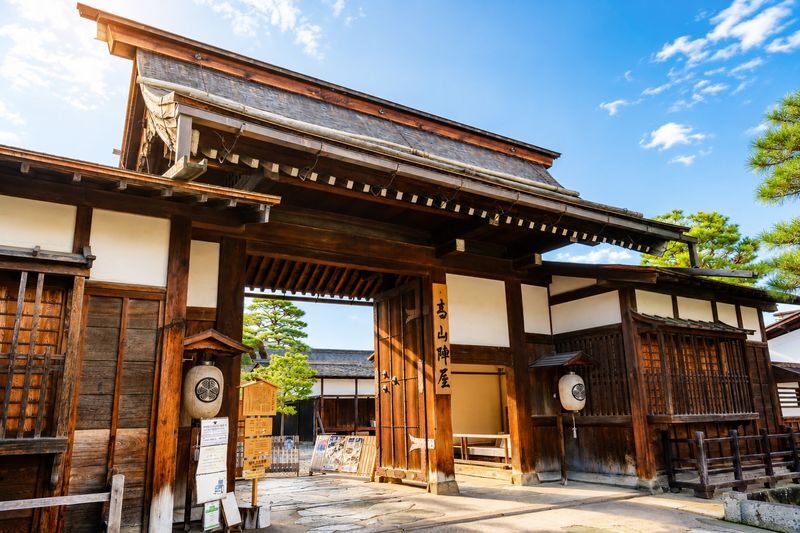
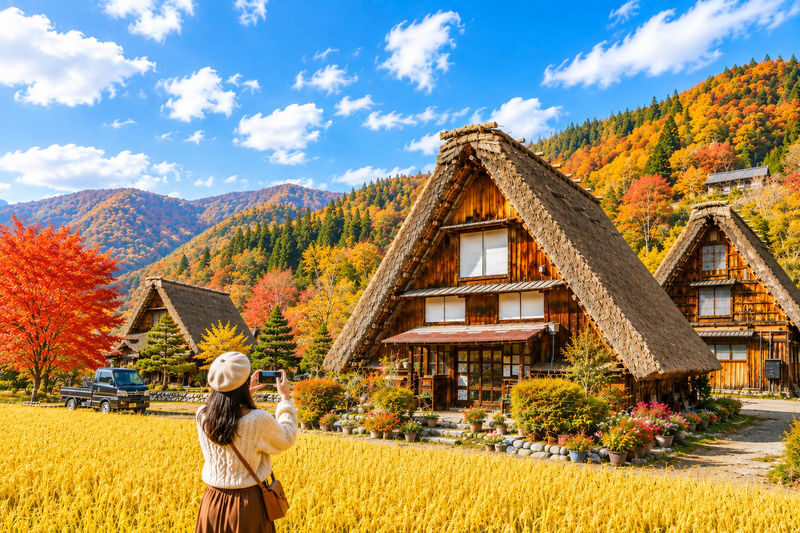
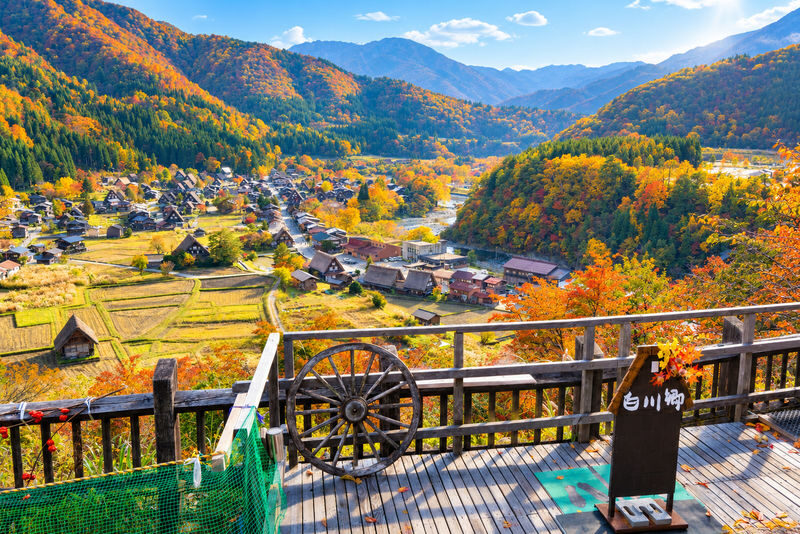
The second main stop is Shirakawa-go, with about two and a half hours for independent exploring. Its Ogimachi district is a UNESCO World Heritage site, known for gassho-zukuri farmhouses. The steep thatched roofs are built to cope with heavy snowfall, and their distinctive shape gives the village its instantly recognizable profile.
Start by deciding whether you want to see the village from above or spend more time among the houses. The Ogimachi Observatory offers the classic panoramic view. It involves a walk uphill, so factor that into your time; the tour does not promise a lift or a specific way of reaching the viewpoint. Some visitors choose the observatory and a coffee, while others spend their time visiting a farmhouse or browsing village shops.
Wada House is a well-preserved residence around 400 years old. Inside, a farmhouse visit gives you a closer look at the architecture and domestic life behind the famous roofline. Other houses, such as Kanda House, may also be open for a fee. Admission is not included, so check the price at the door and decide whether seeing an interior is worth the time to you.
The village is not simply a row of photogenic buildings. It is also a place where people live and work. Keep to paths and public areas, and remember that a quiet residential lane is not just a photo backdrop. The appeal is the combination of working village, mountain setting, and old farmhouses, not a staged historic park.
Winter can bring the snow-covered scene many people imagine, but it also raises the chance of weather-related road problems. The tour can change its route if roads close. In any season, the village is beautiful, though the exact views depend on weather and visibility. Leave time to walk at an unhurried pace, but keep an eye on the meeting time: the bus cannot wait indefinitely.
You are not on a fully guided walking tour at each stop, but a good guide can make a self-guided visit much easier. Guides including Bara-san, Ms. Yu, Xiao Liu, and Yukino have been praised for explaining what to look for before arrival, handing out maps, pointing out meeting spots, and sending reminders about return times. That practical help is especially useful when you have only 90 minutes in Takayama and two and a half hours in Shirakawa-go.
Some guides have explained details in English, Chinese, and Japanese, depending on the group. That can be helpful for a mixed-language departure, though it may mean that announcements take longer. Guides may also share recommendations for food and shops, but treat those as suggestions rather than a promise that every stop will fit into your schedule.
Your main job is to listen carefully to the return instructions. Maps and clear meeting points reduce the chance of getting lost, but independent time means you still need to watch the clock. Use the guide’s map to mark the bus location before setting off, and allow a buffer for walking back.
Prices start from $49.29, with the final cost depending on the date, promotion, guide language, and meal selection. At the starting price, the strongest value is transport: the bus, tolls, parking, and fuel are included, and you avoid arranging the long route from Nagoya yourself. The tour also makes it realistic to see both destinations in one day.
The price does not cover personal expenses, farmhouse or attraction admission, or food unless you select a meal package. Think of the tour as a transport-and-time-saving purchase, not an all-inclusive day. If you want to linger in Takayama, visit several interiors, or take a slow lunch, a one-day group schedule may feel tight even if the price is appealing.
This is a practical fit for solo visitors, first-time visitors to the region, and anyone who would rather not plan transfers. It is less suitable if you want long, unstructured time at both places. Seniors and families with young children should consider the amount of walking and the tight stop schedule. Children aged 0 to 3 travel free only if they do not need a separate seat.
Book at least 24 hours ahead if you want the stated free-cancellation window or need to change the booking. The voucher is valid only on the date booked and is shown on your phone. For severe weather or other unforeseen events, the operator may cancel and offer a new date or full refund.
Book it if you want to see Takayama and Shirakawa-go from Nagoya without sorting out the transport, and you are content with a brisk introduction rather than a deep visit. I would prioritize the Sanmachi streets in Takayama and the observatory or one farmhouse in Shirakawa-go, not try to tick every sight.
Choose the no-meal option if you prefer to control your own food stops and are happy to snack. Choose a lunch package if a planned meal and a taste of local beef or vegetarian oden are worth more to you than extra flexibility. Either way, bring water, wear shoes suited to walking, and keep your return time in view. If a slow visit is your goal, plan separate days for Takayama and Shirakawa-go.
“Tour guide Yu was extremely dedicated. Because there were travelers from different countries, every explanation was given in Chinese, English, and …”
It meets at the Nagoya Station VIP LINER Bus stop, at 20 Tsubakicho, Nakamura Ward, Nagoya. The meeting time is 7:50 a.m. and the bus departs at 8:00 a.m. Look for the guide with a blue flag and arrive ten minutes early.
The tour runs from around 7:50 a.m. until a planned return to Nagoya Station at 6:00 p.m. Traffic and weather can change the schedule.
The schedule allows about 90 minutes in Takayama and two and a half hours in Shirakawa-go. Both stops are self-guided.
Only if you choose a package that includes a meal. Options include Hida beef, Kobe wagyu, Hida pork, and vegetarian oden. A no-meal package is also available.
The itinerary changes to Gujo-Hachiman City. The schedule then allows about two and a half hours in Takayama and two hours in Gujo-Hachiman. Ordered lunches are canceled and refunded, and you arrange lunch at your own expense.
The tour includes an English- or Chinese-speaking guide, round-trip transfers from the meeting point, tolls, parking, fuel, and tax. Personal expenses are not included.
Children aged 0 to 3 can join for free as long as they do not occupy a separate seat.