Physical Address
304 North Cardinal St.
Dorchester Center, MA 02124
Physical Address
304 North Cardinal St.
Dorchester Center, MA 02124

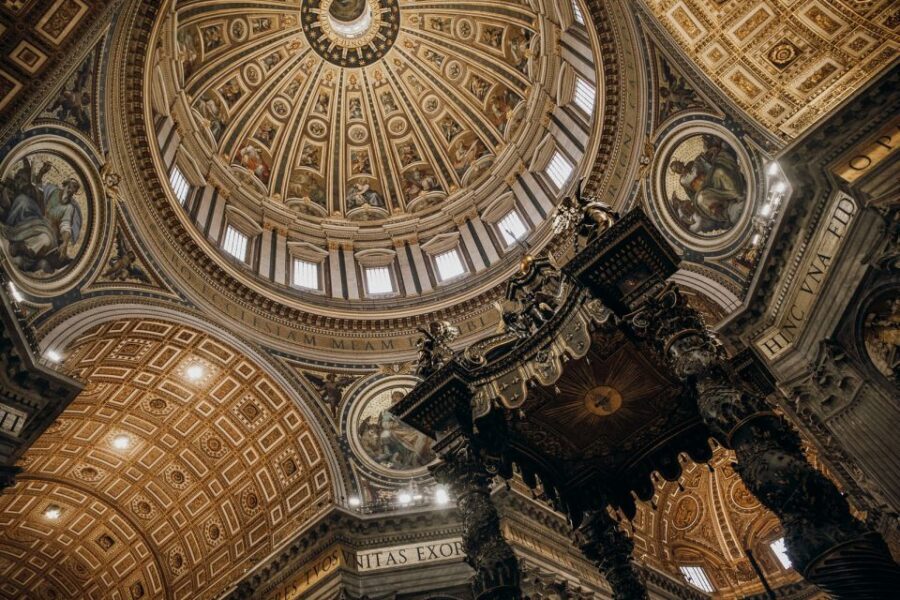
See the Vatican Museums, Sistine Chapel and St. Peter’s with an early-start guide, skip-the-line entry and a quieter start to the day.
The best reason to book this tour is the early start. You enter the Vatican Museums before the day’s crowds build, then follow a guide through rooms that are easy to rush past or misunderstand on your own. Raphael’s Rooms and Michelangelo’s Sistine Chapel are the headline stops, but the route also gives you context for the art around them.
I like two things in particular: the guide points out details you might miss, including the faces Raphael worked into his frescoes, and the morning route can connect the Sistine Chapel to St. Peter’s Basilica through a special passage. That shortcut can save a long walk and another queue.
The trade-off is that this is a long, busy-footed visit, not a slow wander through every gallery. The museums are vast, the schedule is guided, and the basilica passage can close, including on Wednesdays. Go in ready to keep moving, and check the details for your date.
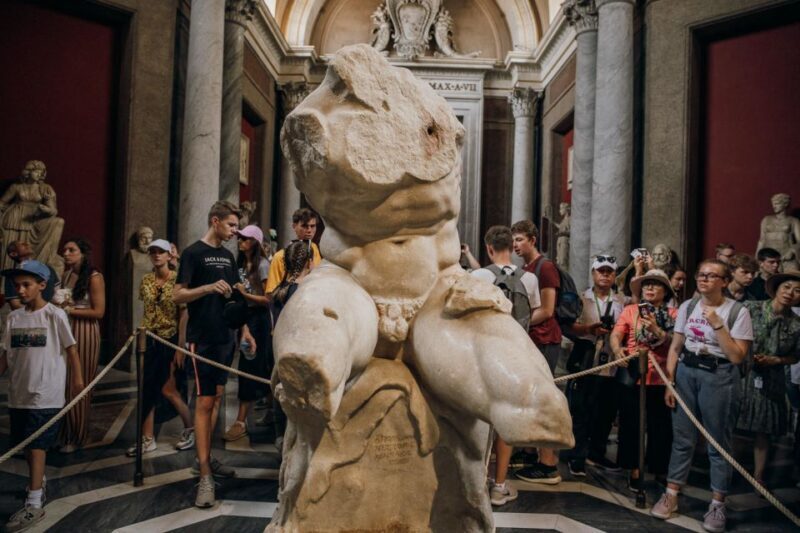
The Vatican Museums are among Rome’s great art collections, but sheer size can make a visit feel like a march from one famous room to the next. An early guided tour helps you meet the day with a plan. You get inside with a skip-the-line ticket, and your guide chooses a route through major rooms rather than leaving you to sort out the highlights alone.
Early does not mean empty. The museums can be busy even in the morning, and the crowds build as the day progresses. Still, starting near opening time gives you a better chance to see the art before the busiest stretch. One early departure mentioned by a participant began at 7:15, with entry to the museums at 8. Exact start times vary, so check availability for your date.
At $93 per person, this is not a bargain-basement ticket. You are paying for more than admission: a guide, a headset, priority entry to the Vatican Museums, and, on morning tours when the passage is open, skip-the-line access to St. Peter’s Basilica. For a first visit, that combination can be worth the price. The guide helps you make sense of what you are seeing, while the basilica connection can spare you a separate walk around the Vatican walls and another wait.
Culture seekers can explore more Rome museums and galleries
The meeting location depends on when you go. Until February 28, the stated meeting point is Antico Caffè Candia, at Via Candia 153. From March 1, it changes to Touristation Cappella Sistina, at Viale Vaticano 95. Check your booking details carefully rather than assuming the older location still applies.
The café meeting point has the practical benefit of being easy to spot, and it gives you a chance to get a coffee before the tour. Be on time: an early departure is part of the point. The guide or check-in staff will direct you to the group, and the supplied headset helps you hear explanations in crowded rooms without having to stay shoulder to shoulder with the guide.
Bring a passport or ID card. At booking, every participant must provide their full name, birth date and passport or nationality details, and that information must match their identification. Name changes are not allowed, and missing or incorrect details can lead to cancellation.
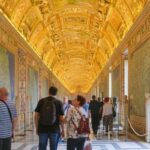
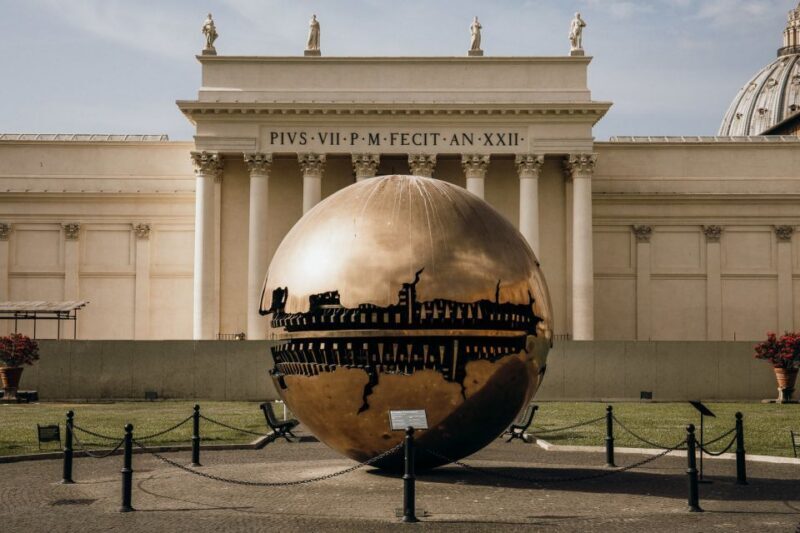
The museum portion takes about two hours, with the Raphael Rooms listed as a separate half-hour stop. Your guide leads you through a huge collection of art and historic spaces, including the Belvedere Courtyard and Gallery of Maps. That structure matters: without a route, it is easy to spend too long in one place or reach the famous rooms already tired.
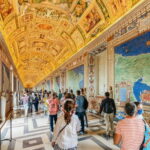
The Gallery of Maps offers a striking change of pace from sculpture and painted rooms. Its long, detailed maps are a reminder that the Vatican Museums are not just a sequence of masterpieces by a few famous artists. A good guide gives you a way to look at the details and the setting, rather than simply pointing out that a room is beautiful.
The route is selective, not exhaustive. A few hours cannot cover the whole museum, and some departures move briskly through the galleries. That is a sensible compromise in a collection of this scale, but it may frustrate you if your ideal museum visit means lingering wherever you please. One participant noted that even self-guided visits can feel hurried in the crowds; a group tour gives you useful context but still follows a schedule.
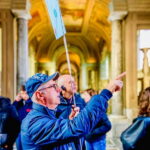
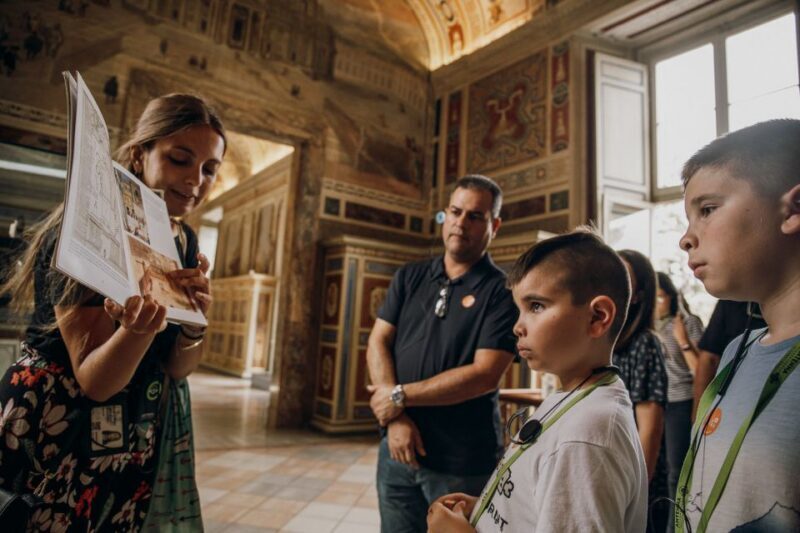
Guides are the strongest part of the experience. You are not guaranteed a particular person, but past departures have included guides named Christina, Sev, Marco C., Julia, Yanira and others. Their styles differ, yet the qualities that matter most are clear explanations, good pacing and a feel for what will interest the group. Families have found the stories engaging for children as well as adults, and some guides have made room for a short rest when someone needed it.
The headset is more than a small convenience. In busy galleries, it lets you listen while standing back to see a work or taking a moment to catch up. It also helps the group keep moving without requiring everyone to crowd around the guide.
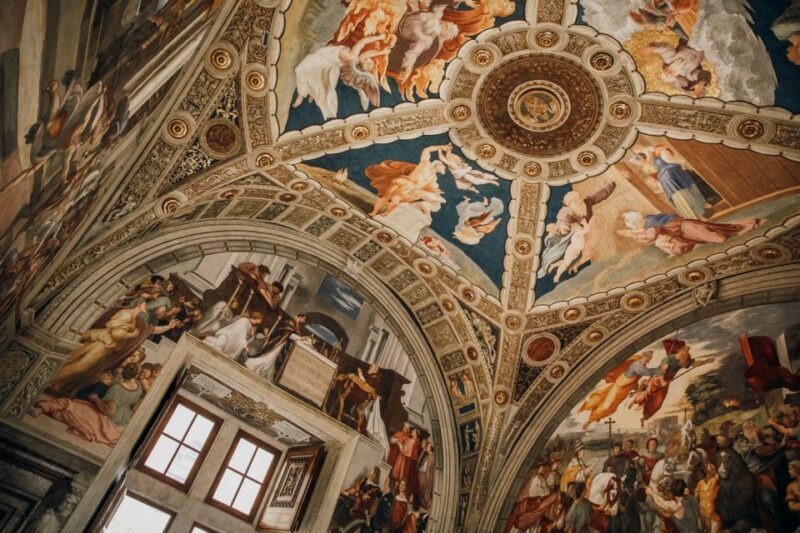
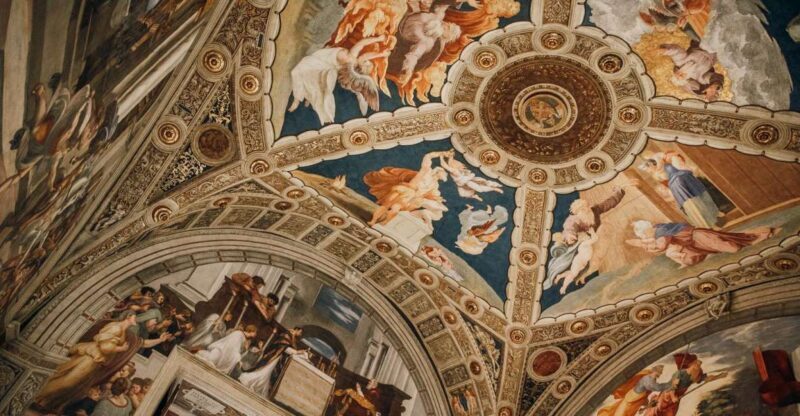
The four Raphael Rooms are among the visit’s most memorable stops, and morning tours include them. Raphael and his workshop covered these rooms with large frescoes, full of figures, gestures and references that can be hard to read at a glance. Your guide helps you see how the scenes fit together and where to focus.
One especially good detail is the story of Raphael placing the faces of Leonardo da Vinci and Michelangelo into his frescoes. It is a small piece of artistic rivalry made visible on the wall, and the sort of detail that can turn a grand room from an impressive backdrop into a scene with human personalities behind it.
You will have time to look, but not unlimited time. If you have a favorite painting or want to study every figure, note it as you go and return to it if the route allows. The tour gives you an informed overview; it cannot replace the freedom of a long, independent visit.
More Great Tours Nearby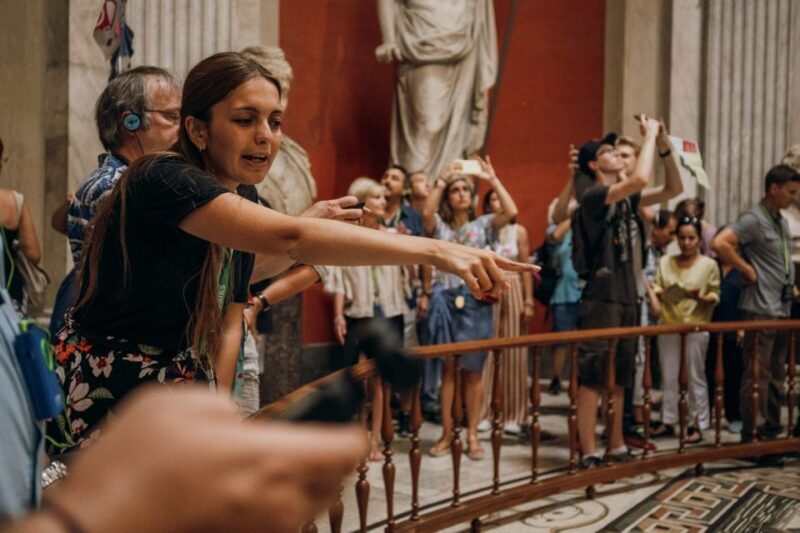
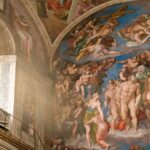
The guide prepares you for the Sistine Chapel before you enter. Expect an explanation of Michelangelo’s frescoes and a handout to help you identify key scenes. This preparation is especially useful because your guide cannot continue speaking to the group inside the chapel.
Once in the chapel, take a moment to look up and let your eyes adjust to the scale of the ceiling. Michelangelo’s work is the main event, but the chapel is more than one famous image. The handout helps you connect what you see with the guide’s earlier explanation, rather than trying to remember a long talk while people move around you.
The visit is usually around 30 minutes, including guided preparation and time inside. The chapel’s quiet rules and the volume of people can limit how long you can stand in one spot. The early hour improves your odds of a more comfortable look, but it does not guarantee solitude.
There is also an important temporary change to know about. From January 12 to March 31, 2026, a preservation project focused on Michelangelo’s Last Judgment is scheduled to cover the fresco with scaffolding. The Sistine Chapel remains open, but you should not expect an unobstructed view of that work during those dates.
You might also be interested in these Rome experiences
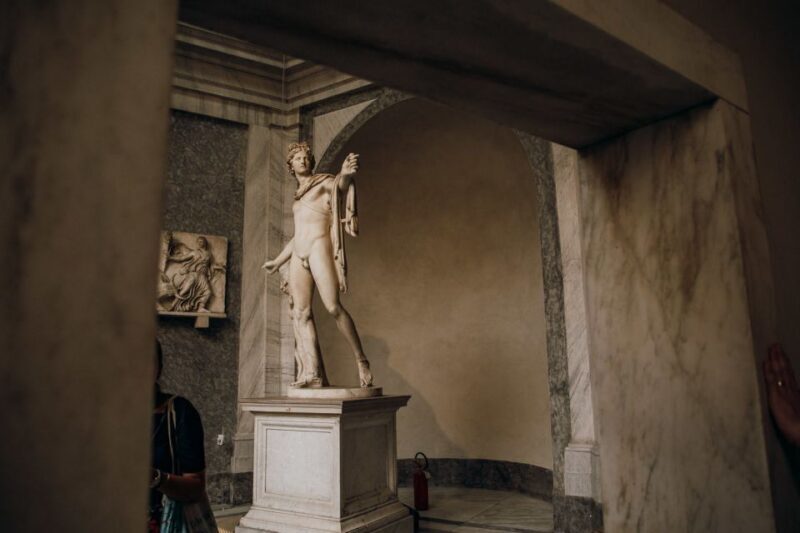
For morning tours, the route may continue from the Sistine Chapel to St. Peter’s Basilica through a special access passage. When it is open, you avoid leaving the museum complex and joining the public entrance line around the outside. That can be a major practical advantage, especially when queues are long.
The passage is not guaranteed. It is closed on Wednesdays and can close at other times. When that happens, the tour offers a more in-depth visit to the museums instead, with no refund or discount. If reaching the basilica is central to your plans, treat the shortcut as a useful possibility, not a promise.
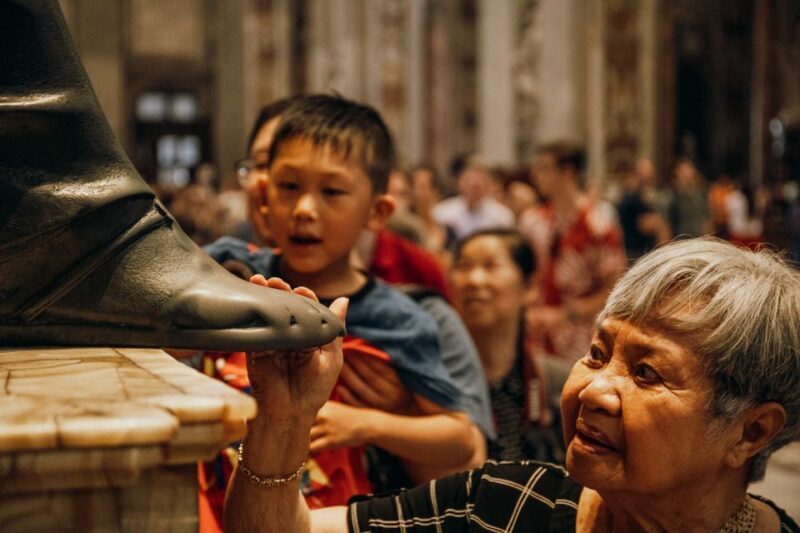
Inside St. Peter’s, look for Michelangelo’s Pietà and Bernini’s monumental altarpiece. The basilica is an extraordinary setting, and the guide gives you stories and context for its art. The scheduled stop is about an hour, though access and the day’s conditions can shape exactly how the visit unfolds. Some parts may be guided, with time to look around on your own as well.
A basilica visit can also be affected by religious services and other activity inside. That is part of the nature of visiting an active sacred place, not a museum room arranged solely for sightseeing. Dress respectfully, keep shoulders and knees covered, and be prepared for the route to change if access is restricted.
Plan for three to four hours on your feet. Comfortable shoes are essential, and this tour is not suitable for wheelchair users or people with mobility impairments; strollers are also not suitable. The route includes a lot of walking through large buildings, and you should not count on being able to stop whenever you like.
The dress code applies to everyone: cover your shoulders and knees. Shorts, short skirts and sleeveless shirts are not allowed. It is worth choosing an outfit that meets the rule before you leave your hotel, rather than hoping to sort it out at the entrance.
This tour works especially well for a first Vatican visit, for anyone who wants help separating major works from the sheer volume of art, and for people who value an early start and a guided route. It can also suit families: guides have made the history accessible to children, and the headset helps keep explanations clear. If you prefer to linger for an hour over one gallery or move at your own pace, a self-guided visit may fit you better.
The group format keeps the cost below what you might pay for a private tour, and private or small-group options are available. The experience remains physically demanding and timetable-driven either way, so consider your energy as carefully as your interest in the art.
I would book it if you want to see the Vatican’s major works with context, have limited time, and can manage several hours of walking. The strongest reasons are the early entry, the guide’s focused route through the museums, the Raphael Rooms, and the chance to reach St. Peter’s by the special passage on morning departures.
I would think twice if you need a slow, flexible visit, have mobility limitations, or are booking mainly for guaranteed access to the basilica through the shortcut. Check the meeting point, dress requirements and any temporary changes before you go. If those details work for you, $93 buys a well-organized introduction to an enormous collection, not just a ticket through the door.
“The guide was knowledgeable, funny and clearly knew what he was talking about. He was also very accomodating.”
Plan for three to four hours. The schedule includes about two hours in the Vatican Museums, 30 minutes in the Raphael Rooms, 30 minutes for the Sistine Chapel, and about an hour at St. Peter’s Basilica.
Yes. The live tour guide speaks English, and headsets are included.
It includes a skip-the-line ticket for the Vatican Museums. Morning tours also include a skip-the-line ticket for St. Peter’s Basilica.
Morning tours can use the special passage when it is open. It is closed on Wednesdays and may close on other days. If it is unavailable, the tour provides a more in-depth museum visit instead, with no refund or discount.
The guide explains Michelangelo’s frescoes before you enter and provides a handout. The guide does not speak to the group inside the chapel.
Cover your shoulders and knees. Shorts, short skirts and sleeveless shirts are not allowed. Comfortable shoes are recommended.
No. It is not suitable for wheelchair users, people with mobility impairments or strollers.
Until February 28, meet at Antico Caffè Candia, Via Candia 153. From March 1, the meeting point is Touristation Cappella Sistina, Viale Vaticano 95. Check your booking details to confirm the correct location for your tour.
You can check availability for your dates here: