Physical Address
304 North Cardinal St.
Dorchester Center, MA 02124
Physical Address
304 North Cardinal St.
Dorchester Center, MA 02124

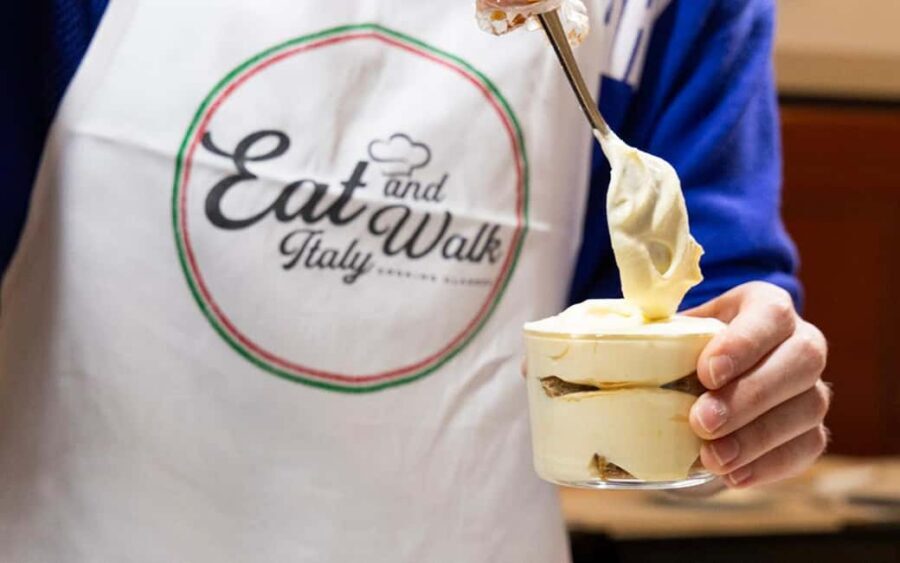
Make fettuccine, ravioli, and tiramisu from scratch in central Rome, then sit down to eat with wine or a non-alcoholic drink.
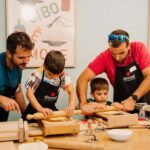
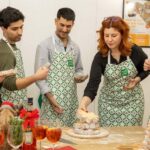
This is a hands-on Rome cooking class with a satisfying plan: make tiramisu, fettuccine, and ravioli from scratch, then eat what you have made. You work in an English-language class at Restaurant Gusto, a central location that makes the three-hour session easy to pair with other city plans.
I like two things in particular: you learn practical dough and filling techniques, not just how to follow a recipe, and the meal includes your pasta, dessert, a drink, and water. The class also has a social side, with participants sharing a table and a glass of wine or a non-alcoholic drink.
One consideration: the advertised duration is three hours, though some sessions have reportedly taken closer to two. The class covers three dishes in one sitting, so the pace may feel brisk if you want a slow, highly detailed lesson.
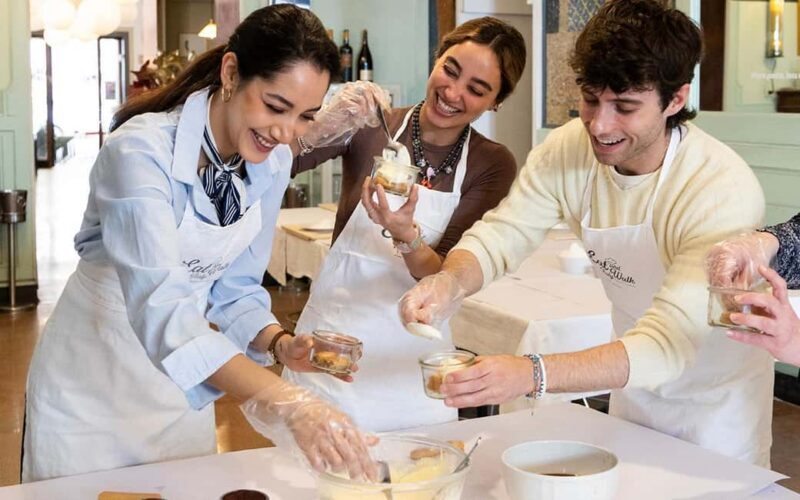
This class is built around the pleasure of making familiar Italian dishes with your own hands. Rather than just watching a chef cook, you take part in preparing the food, from dessert to fresh pasta. The result is both a meal and a set of techniques you can try again at home.
The location is Restaurant Gusto, at Via Giuseppe Zanardelli 14 in central Rome. The setting is described as cozy, and the class is held in a restaurant rather than a separate cooking school. That gives the session a natural finish: when the work is done, you sit down to eat in the same place.
The experience is listed as three hours, with English instruction. That is a useful block of time to reserve, especially if you are planning sightseeing around it. Some sessions have finished in about two hours, so the actual duration can vary. Check the start time when you choose a date, and avoid scheduling a tight appointment immediately afterward.
You can check availability for your dates here: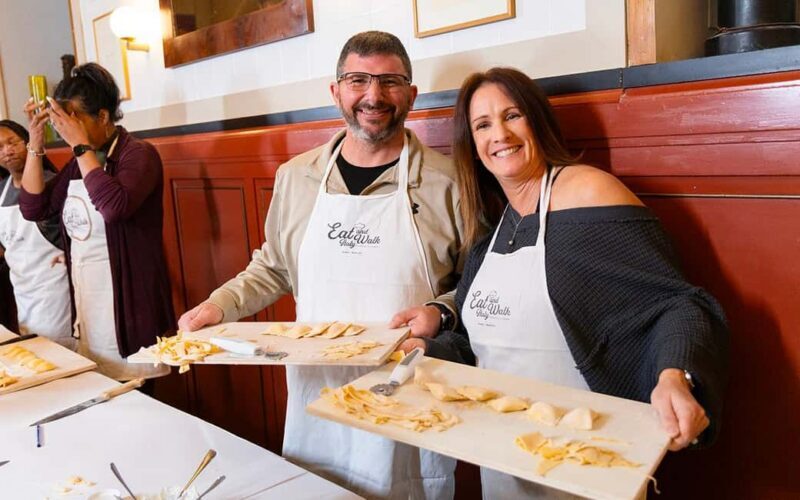
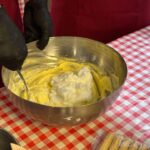
The class begins with tiramisu, before moving on to the two pasta shapes. That order means you prepare dessert first, then give your attention to the dough and pasta work. Tiramisu is part of the hands-on session, not just a sweet brought out at the end.
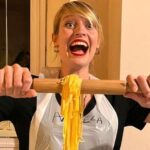
Next comes pasta dough. You learn how to prepare it and work toward making both fettuccine and ravioli. This is the most useful part for anyone hoping to repeat the meal at home: the class focuses on the fundamentals of dough, while the instructor can help as you work.
The pasta lesson also covers fillings for ravioli, including advice on which choices suit different seasons. That is a welcome step beyond simply filling a pasta shape with whatever is nearby. Seasonal ingredients change through the year, and the principle can help you adapt the dish once you are back in your own kitchen.
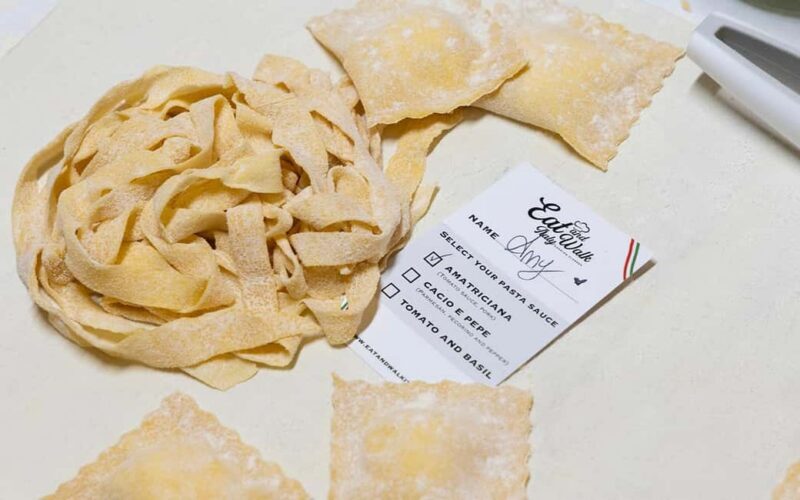
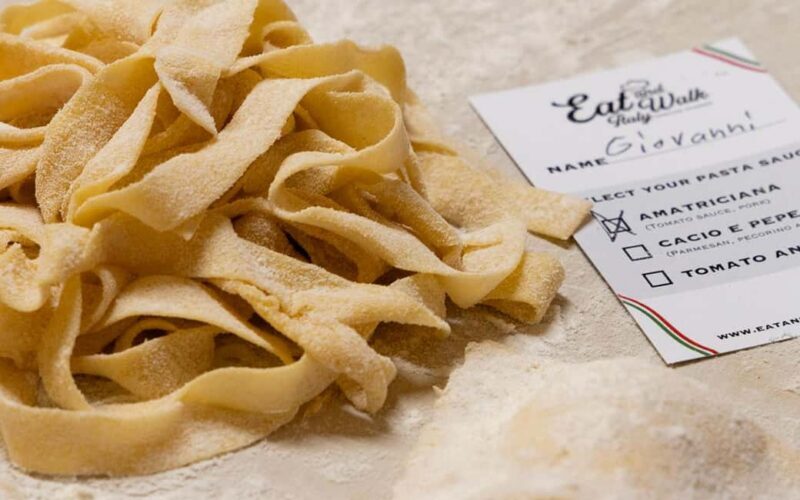
You then make fettuccine and choose a sauce from three listed options: tomato and basil, cacio e pepe, or amatriciana. Each gives the pasta a different character, from a straightforward tomato sauce to two Roman-style choices. The selection makes the meal feel personal without requiring you to plan a separate menu.
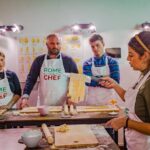
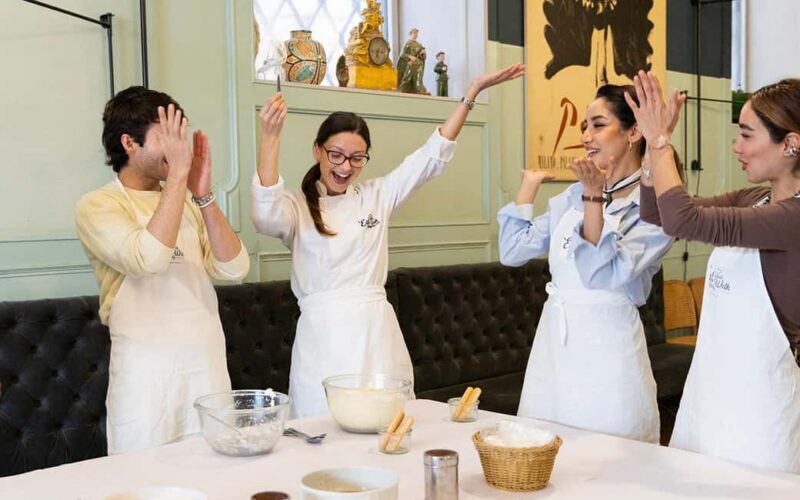
The class is designed to keep everyone involved, though the exact experience depends in part on the instructor and group. Past instructors named include Carlotta, Lori, Mimi, Leo, Mattia, Tommy, Maria, and others. Their teaching styles are described as clear, patient, lively, and helpful, with several people noting that instructors checked on individuals as well as guiding the class as a whole.
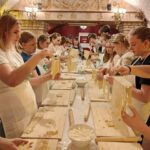
Some sessions have had around 19 or 20 people. That size can make the lesson sociable and give you a chance to meet people from different places, but it is not the same as a private cooking lesson. If you need extra help, the instructor’s attention matters. The class has been praised for individual support, though a larger group may mean you sometimes need to wait your turn.
Want to bring Rome flavors home? These cooking classes could be just right
After the cooking comes the best practical reward: you sit down to eat your own pasta and tiramisu. Fettuccine comes with your chosen sauce, while the ravioli is served with butter and sage. The meal gives you a chance to taste the difference between the two pasta shapes and see how a simple sauce can complement them.
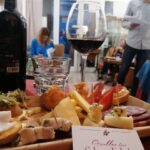
The included drinks add to the value. You receive a glass of Italian wine or a non-alcoholic beverage, plus a glass of limoncello or coffee and water. The offer is specific, so budget separately if you want more food or drinks. Tips are not included either.
This shared meal is more than a convenient ending. It turns the class into a complete activity rather than a demonstration that leaves you to find lunch afterward. It also gives the group time to enjoy the result together. One possible preference to keep in mind: the chef may not sit and eat with the group. If you hope for a long, informal meal alongside the instructor, do not count on that.
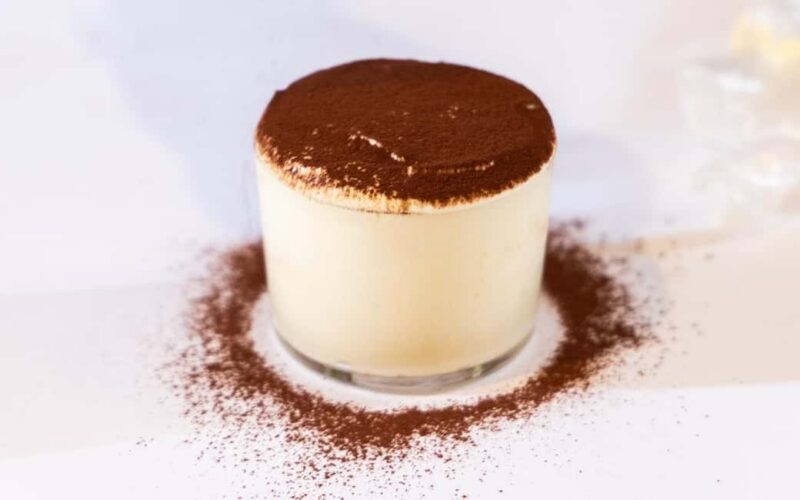
At $81 per person, the class is a good value if you want instruction, a meal, and a social activity in one booking. You are not paying only for a plate of pasta. The price includes making three dishes, guidance from an English-speaking chef, the meal, a drink, and either limoncello or coffee.
It is also a better fit for someone curious about cooking than for someone looking only for a quick dinner. The central location and three-hour slot use a meaningful part of your day, but you leave with techniques you can put to use again. That learning component is what makes the price easier to justify.
The value depends on your expectations. If you want an intimate lesson with extensive time for questions, a group class may not be ideal. And although the dishes are prepared from scratch, the pace can feel rushed to some people. You are covering dessert and two kinds of pasta in one session, so there is a trade-off between variety and depth.
Recipes are another point to check. One person came away with recipes, while another would have liked a take-home recipe. The details provided do not promise a printed recipe for every participant. If you want to recreate the dishes, take notes where permitted and ask the instructor for key measurements and steps during class.
I would consider this class if you want an activity that brings together food, learning, and a shared table. It suits couples, friends, families with older children, and solo participants who like meeting people while doing something practical. One family brought teenagers who were initially unsure but ended up enjoying the session.
The minimum age is four, and children under four are not suited to the activity. A family group with a wide age range can work: one family described participants from 15 to 83 following along at a comfortable pace. Still, the hands-on work means younger children should be ready to participate and follow the chef’s instructions.
This is also a strong choice if you want to learn a few repeatable cooking skills without committing to a multi-day course. You will not master every branch of Italian pasta making in one session. You will, however, work with dough, make two shapes, hear about seasonal fillings, and prepare a familiar dessert.
If you are mainly interested in Roman food, the sauce choices add a local touch. Cacio e pepe and amatriciana are included options for the fettuccine, while ravioli is served with butter and sage. The class is not described as a broad survey of regional cooking, so think of it as a focused pasta-and-tiramisu workshop.
More Great Tours Nearby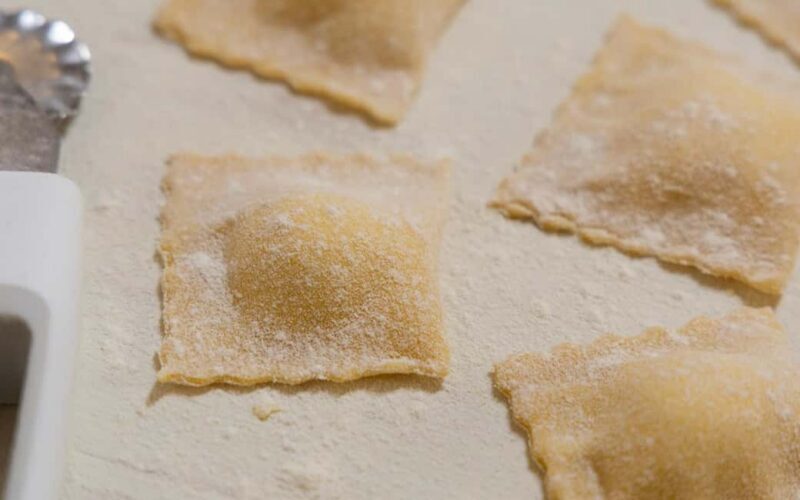
The meeting point is Restaurant Gusto, Via Giuseppe Zanardelli 14. Check your chosen start time and arrive with enough time to find the restaurant. The activity is wheelchair accessible, and pets are not allowed.
The instructor teaches in English. Chefs vary from class to class, so do not book expecting a particular person unless the provider confirms the instructor for your date. The named chefs include Carlotta, Lori, Mimi, Leo, Mattia, and Tommy, among others. Their reported strengths include clear demonstrations, patience, humor, and keeping the group engaged.
The listed duration is three hours, but some sessions have taken around two. Treat three hours as the planning figure and allow flexibility afterward. You can cancel up to 24 hours in advance for a full refund, and the reserve-now, pay-later option can help if your plans are still taking shape.
You might also be interested in these Rome experiences
Book it if you want to make fresh pasta, learn a few useful techniques, and eat a complete meal in a friendly group setting. The combination of fettuccine, ravioli, and tiramisu gives you plenty to do, while the included drink and dessert make the price more than a pasta lesson alone.
Think twice if you want a quiet, highly individualized course or an unhurried meal with the chef. This is a group activity with a full menu to prepare, so the pace may be lively. For most food-minded visitors who want a practical break from sightseeing, it offers a memorable way to spend part of a day in Rome.
“Overall the workshop was great and interactive. The chef was supported us all way the end. It’s just would be nice if the chef will sit down with…”
It meets at Restaurant Gusto, Via Giuseppe Zanardelli 14, in central Rome.
The listed duration is three hours. Some sessions have taken about two hours, so allow for variation.
You will prepare tiramisu, fettuccine, and ravioli from scratch.
You can choose tomato and basil, cacio e pepe, or amatriciana.
The ravioli is served with butter and sage.
Yes. The instructor teaches in English.
You receive a glass of wine or a non-alcoholic beverage, plus limoncello or coffee and water.
Yes, the activity is listed as wheelchair accessible.
No. Pets are not allowed.
The class is not suitable for children under four.
You can check availability for your dates here: