Physical Address
304 North Cardinal St.
Dorchester Center, MA 02124
Physical Address
304 North Cardinal St.
Dorchester Center, MA 02124

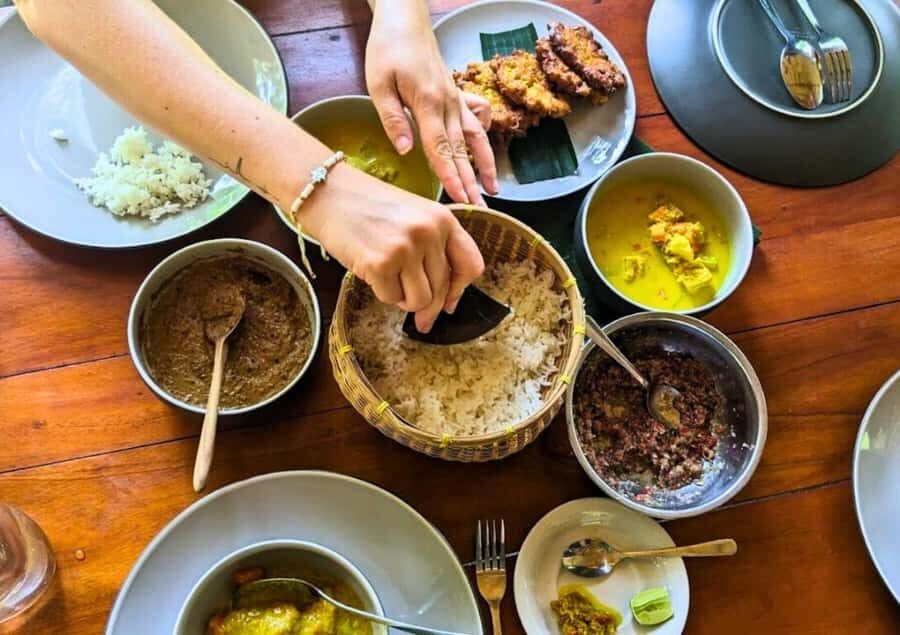
Cook Balinese dishes at an organic farm near Ubud, with a market visit, fresh-picked ingredients, friendly instruction, and a meal you make yourself.
The best part of this Ubud cooking class is that the food begins long before you reach the stove. You’ll see a local market, walk an organic farm, pick ingredients, then cook Balinese dishes in an open-air kitchen. It’s a practical way to connect the names of spices and vegetables to the meal on your plate.
I like two things in particular: you get to handle the ingredients yourself, and the class teaches useful recipes rather than offering a quick demonstration. Guides such as Buda, Depi, and Wayan have led sessions, with clear instruction and room for questions. One consideration: the outing takes about 5.5 to 8 hours, and the farm can mean a long drive from Ubud.
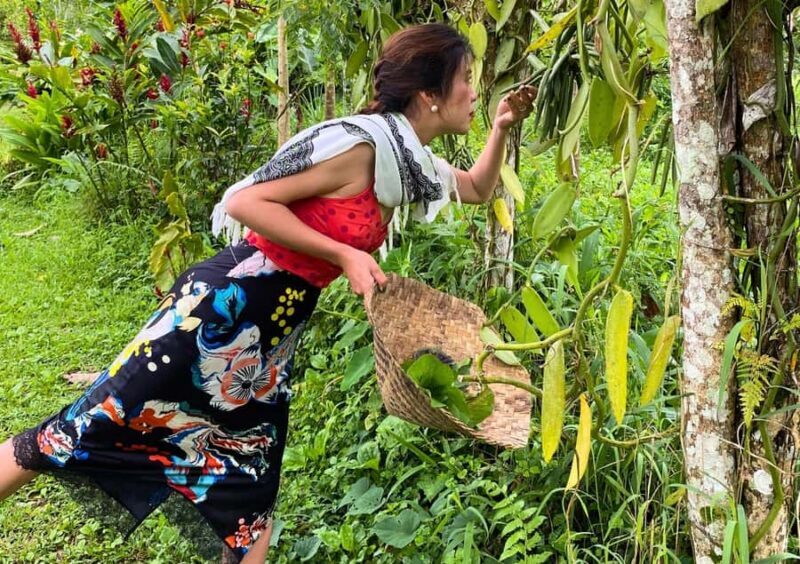
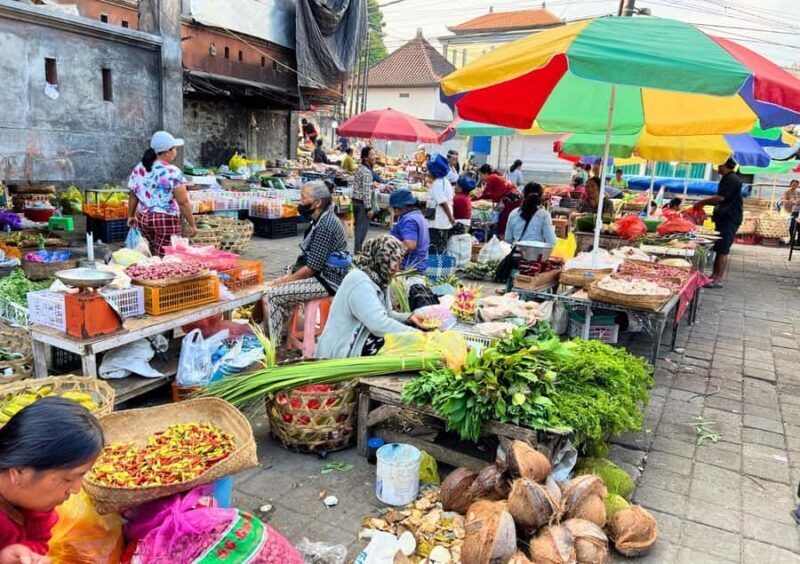
The morning session begins with a local market visit. You’ll meet early, see the day’s ingredients being bought and sold, and get explanations about local fruit, vegetables, and spices. The market is not just a shopping stop: it gives you a useful first look at the foods and routines that shape Balinese cooking.
You may get to taste unfamiliar fruit as you walk around. That small detail matters. It turns the market from a row of produce stalls into a chance to notice how different ingredients look, smell, and taste before you use them in a dish.
The market visit is for the morning class only. If seeing local food culture is high on your list, choose that session when you book. The trade-off is an early start, so plan for it rather than expecting a leisurely morning.
Want to bring Bali flavors home? These cooking classes could be just right
After the market, you travel to the cooking school’s organic farm. A shuttle from an Ubud meeting point is included, though the meeting point can vary by booking option. One participant described the drive as about an hour from the meeting point, and the journey may take longer if traffic builds.
That travel time is worth factoring into your day. This is not a short activity squeezed between two other appointments. The duration is listed as 330 minutes to 8 hours, so leave room before and after, especially if you have a fixed dinner reservation or another tour.
The setting is a clear change from central Ubud. The farm is described as peaceful and surrounded by trees, with some participants noting views of rice terraces and small villages along the way. You’re heading out for more than a cooking lesson: the journey and farm visit are part of the experience.
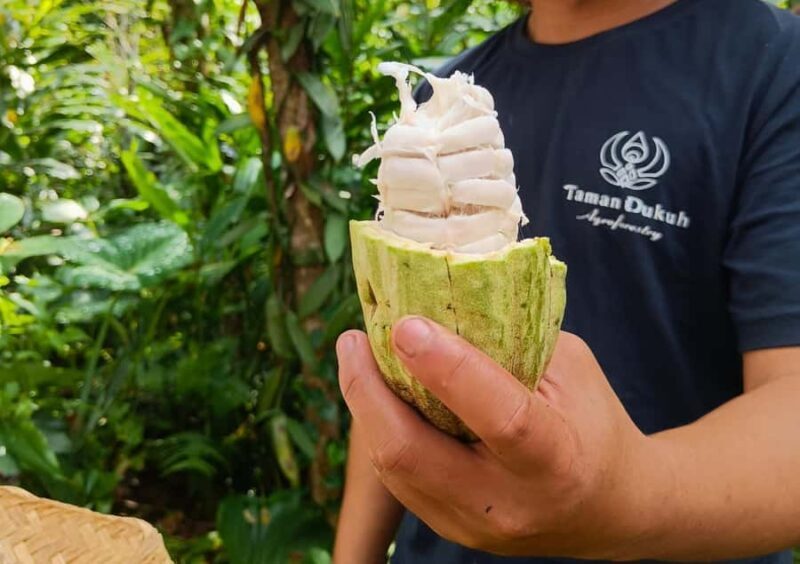
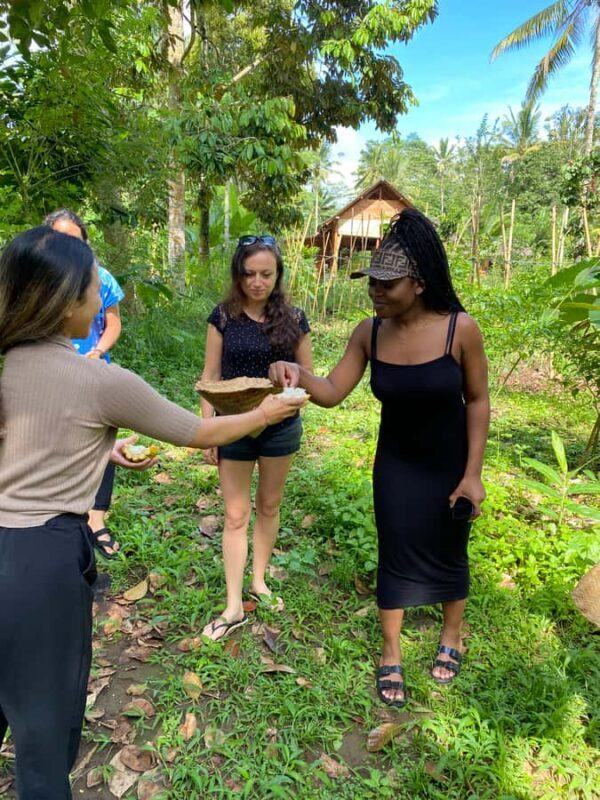
On arrival, you’re welcomed with coffee or tea and a light breakfast. Fresh fruit and small bites have been served, giving you a chance to try local produce before the tour begins. Then you’ll walk around the grounds and learn how the family makes use of the plants and other natural resources around them.
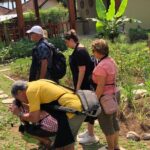
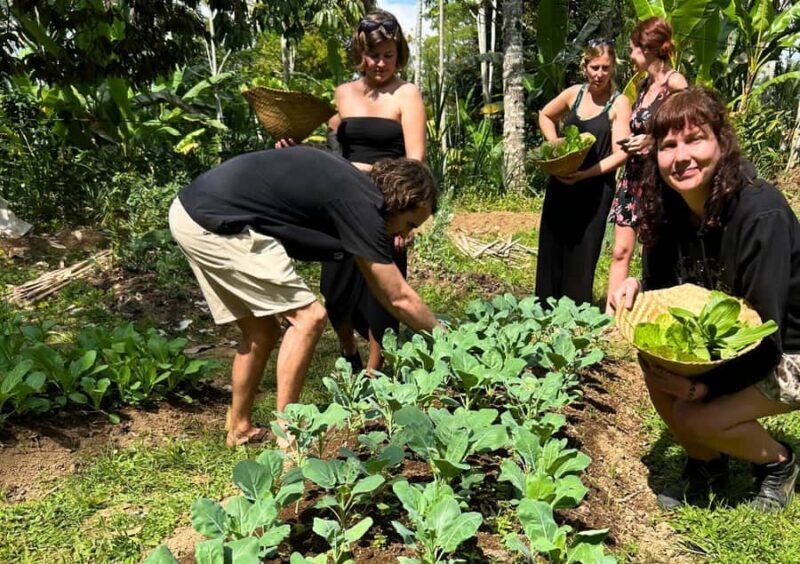
The farm tour is one of the most useful parts of the day. You’re not simply handed a bowl of vegetables and told to chop. You see where some of the ingredients grow, hear what they’re used for, and pick produce that will go into your meal. The school grows as much as it can on site, while sourcing other ingredients from the local market.
Bring an open mind and a little patience. A farm walk is a slower activity than the cooking itself, and the emphasis is on seeing and learning rather than rushing through a checklist. If you’re especially interested in plants and ingredients, this can be a highlight in its own right.
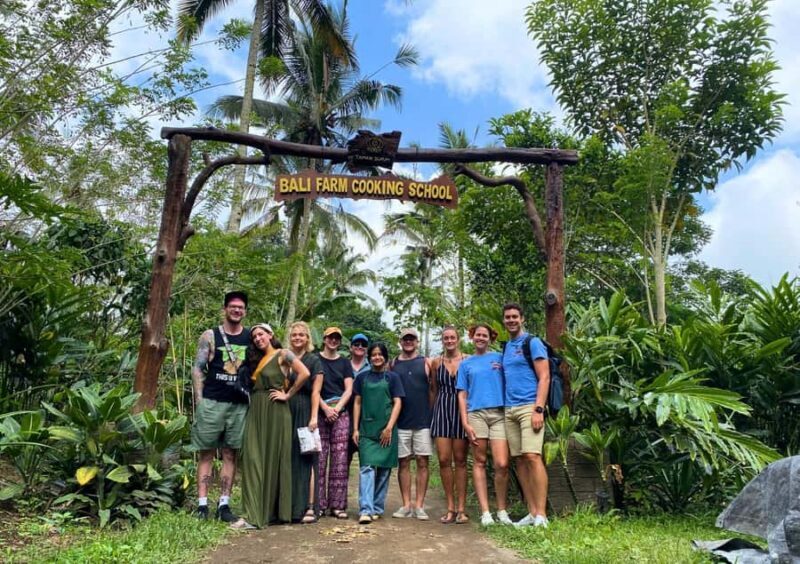
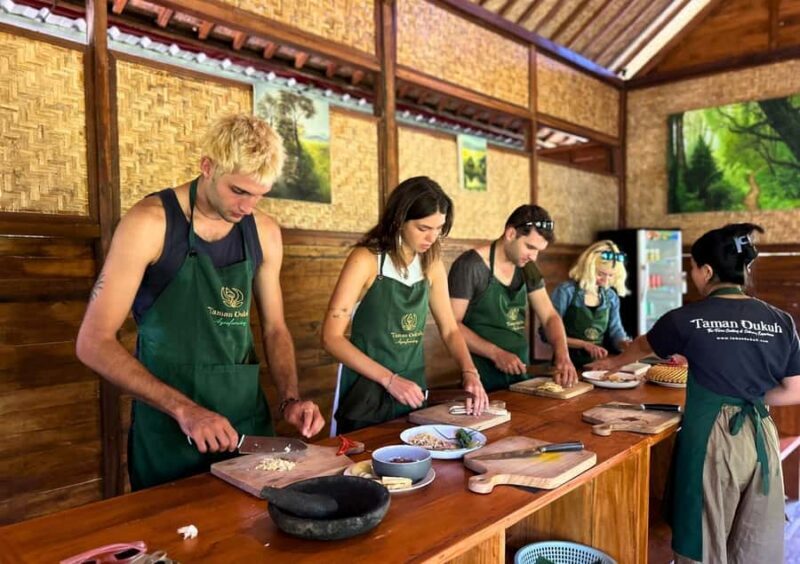
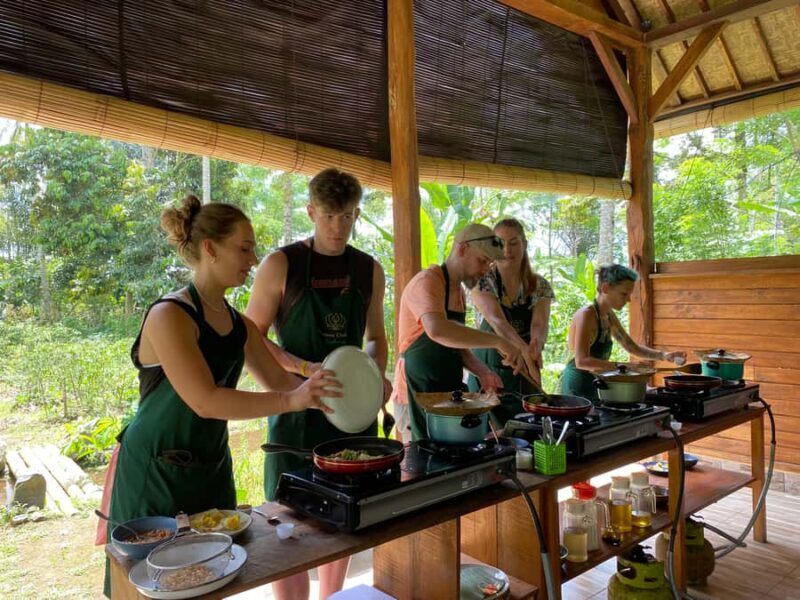
Once the farm visit is over, you meet your instructor and move into the open-air kitchen. The class is hands-on, but it’s guided step by step, so you don’t need to arrive with much cooking experience. Instructors named Buda, Depi, and Wayan have led classes; the specific guide depends on the session.
Expect explanations as you work, not just a recipe read aloud. The class introduces ingredients and techniques as you prepare them, including Base Gede, a traditional Balinese spice paste used as a foundation for many dishes. That’s a useful lesson to take home: understanding the paste helps you see how a dish gets its depth, rather than treating every recipe as a separate mystery.
The advertised group limit is 14 people, though there may be two or three groups at the farm during a session. Each cooking station is shared by two people. That arrangement makes the class social and gives you a partner to work with, but it also means you won’t have a station entirely to yourself.
Some of the fiddly preparation may be handled for you, while you still get to do enough of the cooking to understand the process. You’ll have time to ask questions, follow the instructions, and taste the results. Guides have also taken photos and videos during some sessions, though that should be treated as a possible extra rather than a promised feature.
More Great Tours Nearby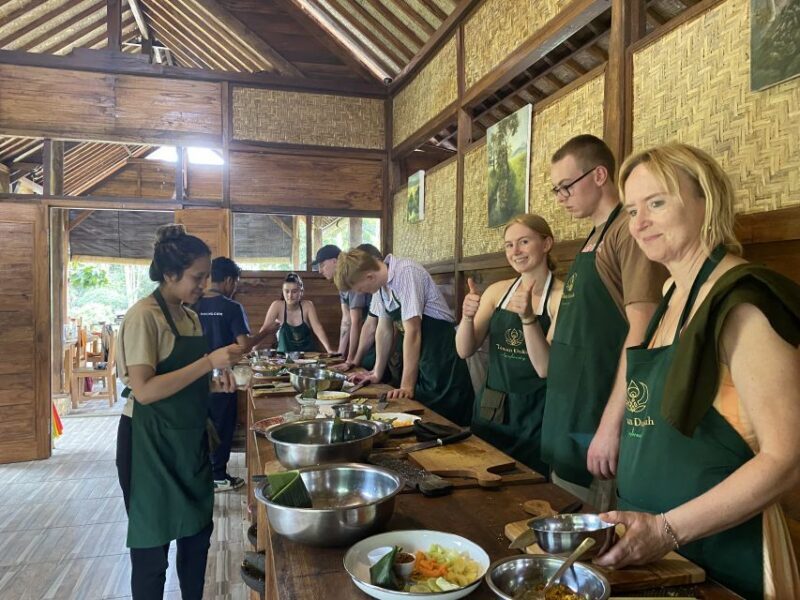
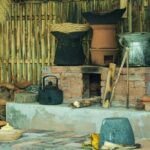
You can choose a regular or vegetarian menu. The regular class starts with Base Gede and may include Sayur Urab, a mixed green salad with coconut and spices; Opor Ayam, a Balinese chicken curry; and sate lilit, a traditional kebab made with meat, coconut, and spice paste. You’ll also prepare fish with tomato sauce, sweet-and-sour tempe, and a choice of banana fritters or black rice pudding for dessert.
The vegetarian menu has its own set of dishes, not simply the regular meal with the meat removed. It includes gado gado, blanched vegetables with peanut sauce; Opor Tempe, a Balinese tempe curry; and bergedel, fried corn with Balinese spices. You’ll also make sweet-and-sour tempe, vegan sate lilit with jackfruit and spice paste, and choose between the same two desserts.
The menu information describes the class as cooking six meals, while the individual menus include several components and a dessert choice. In practice, expect a substantial session with multiple dishes rather than one main course. The meal is included, and you eat what you cook, sometimes tasting dishes as you go rather than waiting until the very end.
If you’re vegetarian or vegan, choose the vegetarian menu when booking and tell the school about your needs. The listed vegetarian recipes include vegan sate lilit, and the class can prepare non-vegetarian food separately. Don’t assume every dietary request is covered unless it is confirmed with the provider.
The meal is not an afterthought. You’ve seen some of the ingredients growing, learned what goes into the recipes, and done the work yourself. Sitting down to eat makes the earlier stops click: the spice paste, vegetables, and cooking steps now have a taste and texture attached to them.
The portions can add up. You’re preparing several dishes, and the food you make is included, so don’t plan on needing a big meal immediately afterward. The experience is as much about learning and sharing the cooking as it is about getting a recipe demonstration.
For me, that makes the class a good fit for a day when you want an activity with a satisfying finish. You leave with a meal, not just notes on what someone else cooked.
At $32 per person, the value comes from the combination of transport, a farm visit, harvesting, instruction, and a full meal. The morning option adds the market stop, and the class includes a recipe book plus a downloadable PDF of the latest recipes. Coffee or tea and mineral water are also included.
That is a lot of activity for the price, especially if you’re interested in food and want to learn something you can use at home. The recipe book is a practical extra: you can revisit the dishes after your trip instead of relying on memory. The school also provides the meal you cook, so you’re not paying separately for lunch.
Soft drinks and beer are not included, though they are available to buy. The main cost to weigh against the price is time. Between the drive and the farm and cooking sessions, this is a substantial outing, not a quick class in town.
This suits you if you like cooking, want context for Balinese ingredients, or prefer a hands-on activity to another day of sightseeing. It works for beginners as well as more confident cooks because the chef guides the process. Families have also taken part, and the shared stations make it easy to work with someone else.
The vegetarian option gives plant-based eaters a dedicated menu, while the regular option includes chicken and fish. If you’re traveling with people who eat differently, ask about how the menus are handled before booking. The class language is English or Indonesian.
It may be less suitable if you have limited mobility: the activity is not suitable for wheelchair users. It is also not a great choice if you need a short, tightly timed activity or want to cook alone at your own station. Pets are not allowed.
Check the available start times and select the morning class if the market visit matters to you. Meeting points can vary depending on the option booked, so confirm yours before setting out. The experience includes a shuttle from an Ubud meeting point, but the farm is outside central Ubud and the drive can take time.
Wear something comfortable for walking around the farm and working in an open-air kitchen. The grounds can be wet in the rain; umbrellas have been provided during rainy sessions, but bringing light rain protection is sensible. You’ll share your station with one other person, so expect a cooperative class rather than a private lesson.
The class has a maximum of 14 people, but there may be more than one group on the farm at a time. If a quieter setting is essential, keep that in mind. You can cancel up to 24 hours in advance for a full refund, and the reserve-now, pay-later option lets you book without paying immediately.
Book this class if you want to learn how Balinese dishes are built, not just eat them. The strongest reasons are the combination of market and farm visits, the chance to harvest ingredients, and the substantial meal you prepare with a chef. The recipe book adds lasting value, and $32 is a reasonable price for the amount included.
Skip it if you’re short on time, need wheelchair access, or would rather stay close to central Ubud. If you can spare most of a day and enjoy food, the morning class is the best choice for the market visit. Go ready to share a station, ask questions, and eat well.
“Amazing experience! Excellent staff, amazing farm tour, delicious food! Overall a must do in Ubud!”
The listed duration is 330 minutes to 8 hours. The exact length depends on the option and start time you choose.
No. The local market tour is included with the morning class only.
Yes. You can choose a vegetarian menu that includes dishes such as gado gado, tempe curry, and vegan sate lilit.
Yes. A shuttle from an Ubud meeting point is included. The meeting point may vary depending on the option booked.
The experience has a maximum of 14 people per group. There may be two or three groups at the farm during a session, and each cooking station is shared by two people.
The price is $32 per person. It includes the shuttle from an Ubud meeting point, the farm tour, harvesting ingredients, the hands-on class, a recipe book, mineral water, coffee or tea, and the meal you cook. Soft drinks and beer cost extra.
You can check availability for your dates here: