Physical Address
304 North Cardinal St.
Dorchester Center, MA 02124
Physical Address
304 North Cardinal St.
Dorchester Center, MA 02124

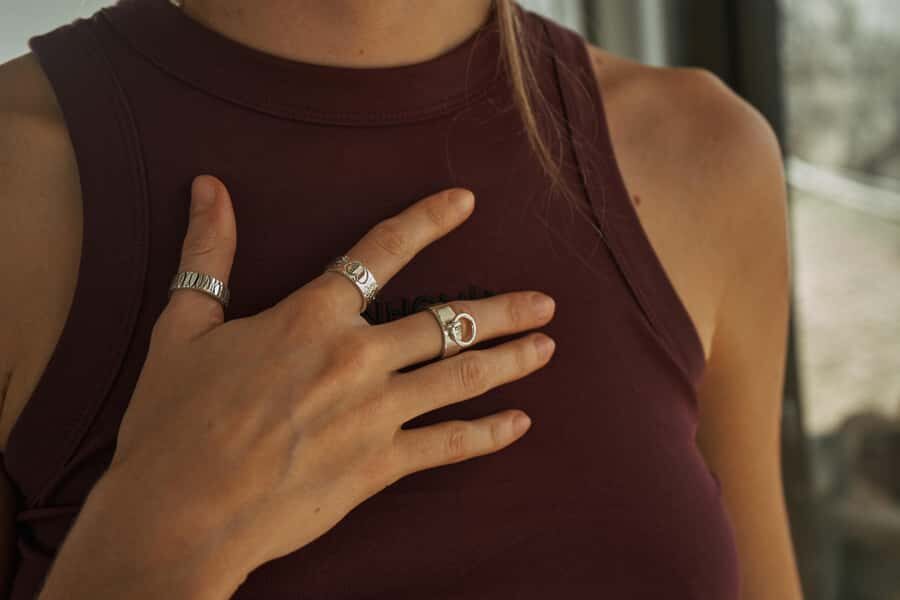
Make a personal silver ring, pendant, or earrings in Ubud with an experienced silversmith, hands-on guidance, and up to 5 grams of silver.
A ring you shape yourself is a better Bali souvenir than another trinket picked up between temples. At this Ubud silver jewelry-making class, you work with an experienced silversmith to turn silver into one personal piece, with help at each stage.
I like that you can choose a catalog design or bring an idea of your own, and that the instructors aim to let you do as much of the work as you can. I also like the small, practical scale: you leave with something wearable, not just a memory of watching someone else craft.
One point to plan for: this is a guided workshop, not a full silversmithing course. Your piece includes up to 5 grams of silver, and extra silver or stones cost more, so settle on a design and budget before the tools come out.
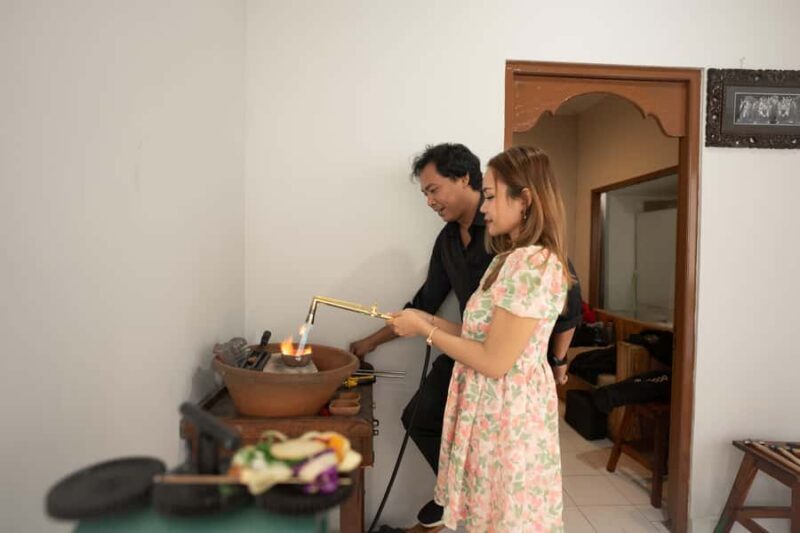
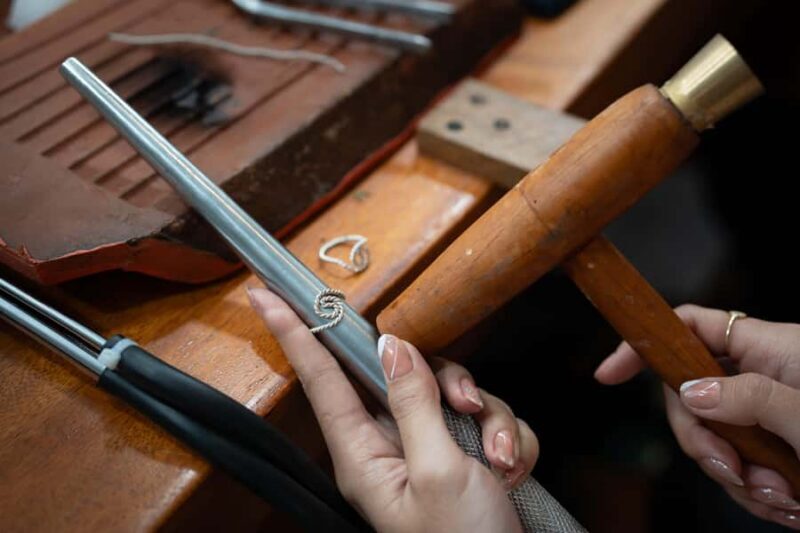
The appeal here is straightforward: you make a piece of silver jewelry with help from someone who works with the material every day. You are not simply selecting a finished design from a shop case. You discuss what you want, then take part in turning silver into a ring, pendant, earrings, bracelet, or safety pin.
That difference matters. A simple ring becomes a keepsake tied to a particular afternoon in Ubud, and a custom design can carry a more personal meaning. The finished object is also useful: you can wear it at home, rather than leaving it on a shelf with your holiday souvenirs.
Bali Silver Class offers instruction in English, Indonesian, and Malay. The group can be small, and the class is wheelchair accessible. The meeting point depends on the option you book, so check its exact location before setting out. The name places the activity near Ubud’s Monkey Forest, but do not assume the meeting point is identical for every booking.
You might also be interested in these Ubud experiences
The session begins with an introduction to the materials and tools. You can look through a catalog of example designs, then choose a piece that fits your taste and the time available. Rings are a common choice, but the options also include earrings, pendants, bracelets, and safety pins.
A catalog is useful if you have never designed jewelry before. It gives you a starting point, and the silversmith can help you make a basic model more personal. You might ask about changing a shape, adding a simple detail, or engraving a short design. If you already have an idea, bring it up early so the instructor can tell you what may be possible within the session.
Some participants have arrived with their own designs, including unusual requests such as Arabic lettering or a necklace based on an existing piece. That does not guarantee every complex idea can be made in three hours, but it suggests the team is willing to discuss adaptations. I would bring a clear reference image or a simple sketch if you have something specific in mind.
Be realistic about complexity. The activity gives you room to make a design personal, but the time limit matters. A straightforward ring may take about an hour in some sessions, while a more involved piece can use the full three hours. The stated duration is 90 minutes to 3 hours, so leave space in your day rather than booking something immediately afterward.
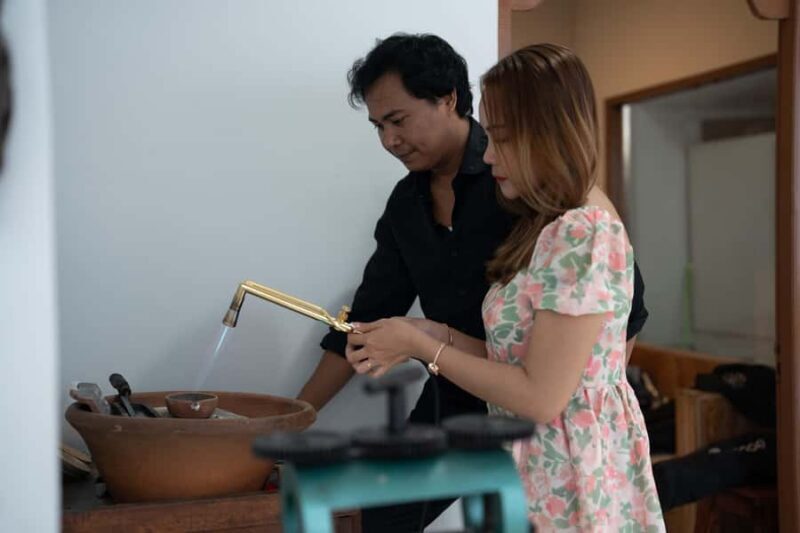
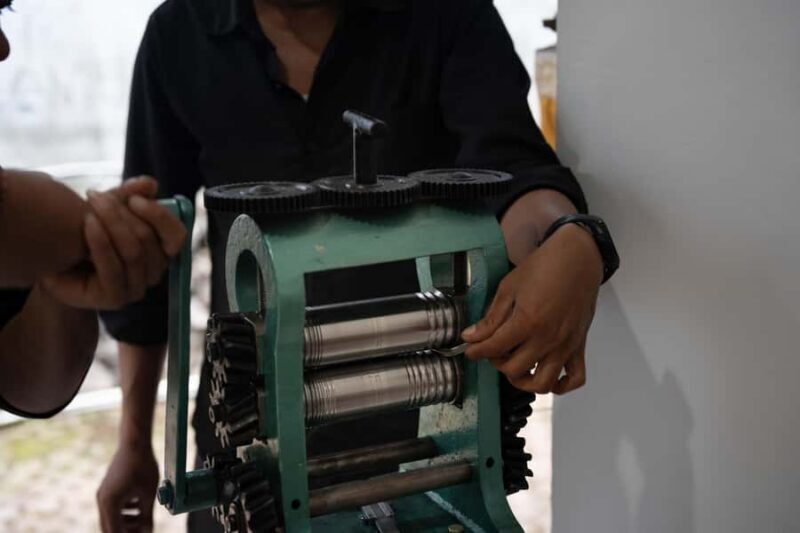
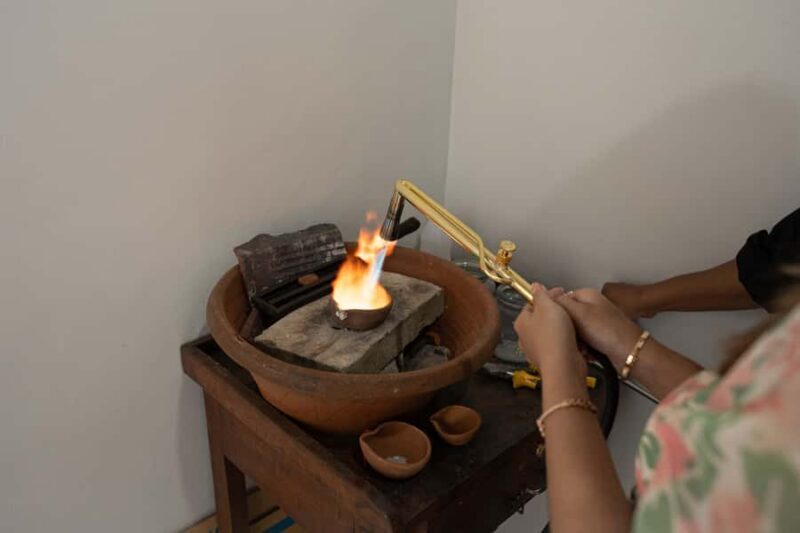
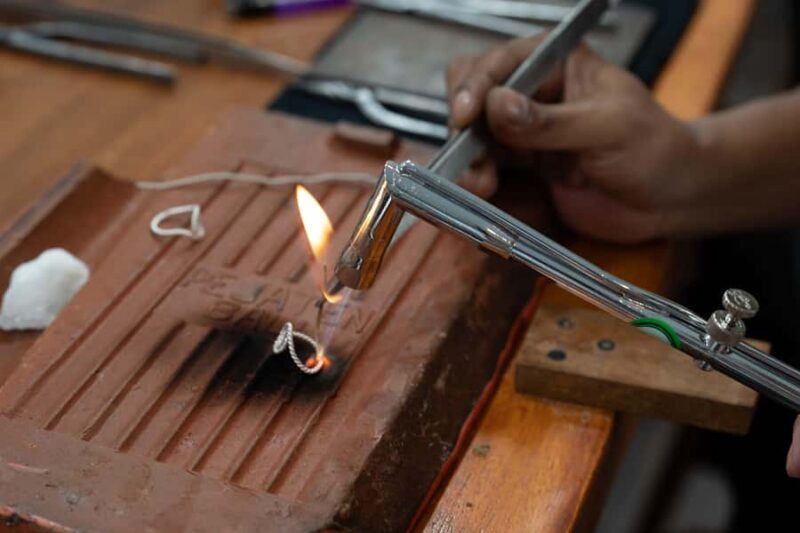
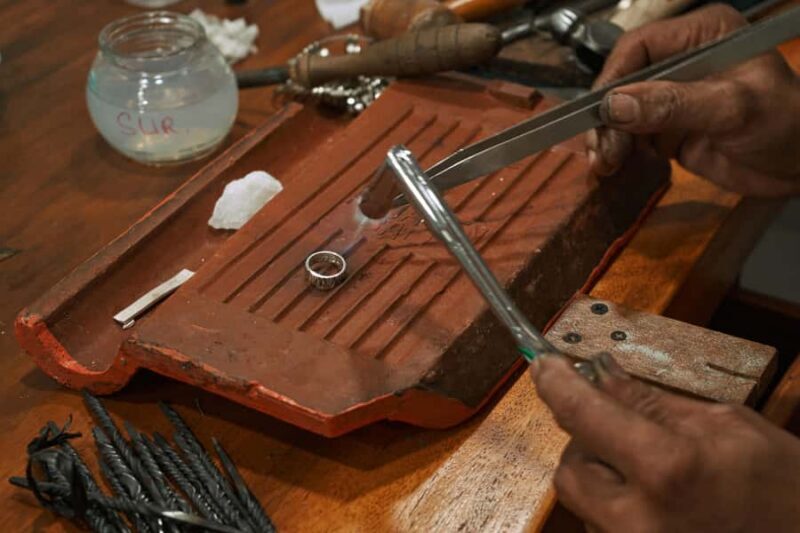
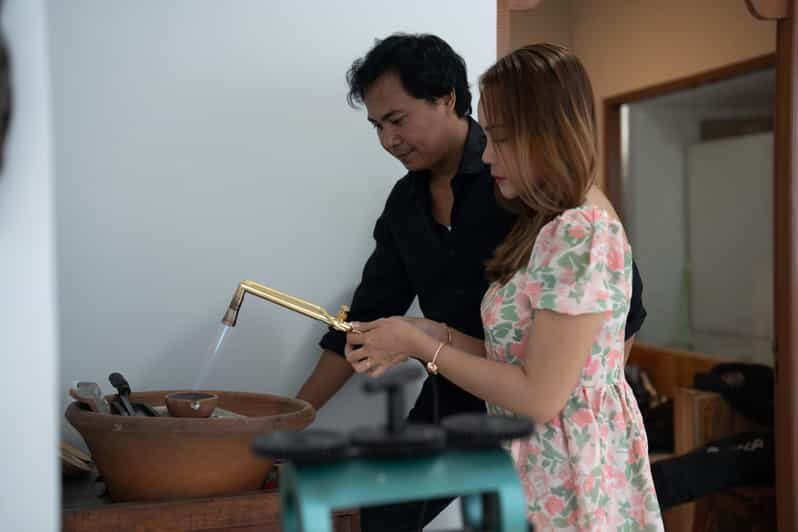
Once you have settled on a design, the silversmith introduces the tools and walks you through the work. The listed techniques include melting, forging, grinding, brazing, and filing. You may also have the option to add a gem or stone, for an additional charge.
The best way to think about the hands-on element is participation with expert support. You can shape, work, and finish parts of the piece yourself, while the silversmith steps in for tasks that require precision or are difficult to do safely. This balance makes the class accessible if you have never handled jewelry tools, but it also means you should not expect to master every technique in one visit.
That distinction is important if you are booking because you want serious craft training. This is a short, guided activity focused on making one piece, not an extended course in jewelry design or silversmithing theory. You should come away with a better sense of the process and a finished object, but not with professional-level skills.
The instructor’s attention to detail is part of the value. The aim is not merely to let you operate tools; it is to help the piece come out wearable and close to what you wanted. That means the silversmith may correct a detail or take over a tricky step. If you want to do as much as possible yourself, say so at the start. If you would rather have more help, make that clear too.
Instructors named by past participants include Nano, Pasta, Dek Edi, and Wayan ino. You cannot count on a particular person being available for your session, but the names are useful if you are coordinating with someone who has recommended the class.
The advertised price is $28 per person. It includes instruction, tools and materials, a finished piece, a snack, mineral water, and Wi-Fi. Each participant can make one piece, and the included silver allowance is up to 5 grams, depending on the design.
Check the silver terms carefully before you begin. Silver weighing more than 5 grams costs an additional 85,000 IDR per gram. The activity information also says that if your piece uses less than 5 grams, the usage is still accounted for as 5 grams. In other words, do not assume you can transfer unused silver to another person or use a smaller design to reduce the allowance. Participants cannot share silver.
Stones and gems also cost extra. If you are considering one, ask what it will add to the price before committing. The base price may be good value if you want a guided activity and a piece you can take home, but your final cost can rise if you choose a heavier design or add a stone.
There is a practical budgeting lesson here: decide what matters most before you start. If you want a simple silver ring, the included allowance may be enough. If you have your heart set on a larger piece or a stone, bring cash for any extra silver charge and confirm the additional cost for gems.
More Great Tours Nearby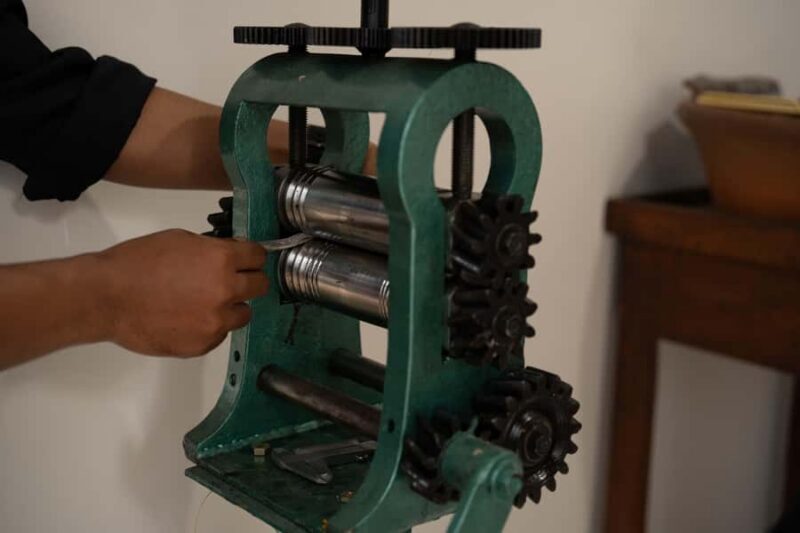
Making something from metal can feel intimidating at first. The silversmith’s role is to break the work into manageable steps, demonstrate what to do, and help when you get stuck. That patient, friendly instruction is a major part of why this works for beginners.
The pace can be social, too. Couples and friends can make pieces for each other, and solo participants can join without needing a partner. You might find the conversation as memorable as the craft: the activity is a chance to meet local makers and learn how a traditional material is worked, rather than simply buying a ready-made souvenir.
The class also suits people who prefer a clear result. You are not signing up for an open-ended art session. You choose one design, work through the process with guidance, and take home the finished piece. If the result matters more to you than learning every technical detail, that is a sensible fit.
A small bonus sometimes comes with the visit: staff may polish or clean other silver jewelry you bring along. Treat that as a possible extra, not a promised service. It is still worth wearing or carrying a piece you would like to ask about, but do not make it the reason for booking.
I would recommend this class to couples looking for an activity they can do together, solo visitors who enjoy making things, and anyone who wants a personal keepsake instead of a standard shop purchase. It also makes sense on a rainy day, when an indoor, hands-on activity can be a welcome change from sightseeing.
You do not need prior experience. The class is intended for all skill levels, and the instructor provides help throughout. Children under 6 are not suitable, so families with younger children should look for another activity. The format may work well for older children who enjoy detailed craft work, but the supplied age guidance only rules out children under 6.
The workshop is less suitable if your main goal is a formal class with lots of theory, or if you want to make several pieces in one sitting. The included experience covers one jewelry piece per participant. It is also worth reconsidering if you dislike guided craft activities or would be frustrated by an instructor stepping in to finish delicate parts.
Plan for a session lasting between 90 minutes and 3 hours. The design determines the timing, so check the available starting times and leave a buffer in your schedule. Wear comfortable clothes suitable for craft work, and bring cash in case you choose more than 5 grams of silver.
The activity allows you to reserve now and pay later, and you can cancel up to 24 hours in advance for a full refund. Those terms are helpful if your Ubud plans are still moving around, but check the exact meeting point for your selected option before heading out.
Book this Ubud silver jewelry-making class if you want a beginner-friendly craft session and a piece with a story attached. The strongest reason to go is the combination of personal design, skilled guidance, and a finished souvenir you helped make.
Skip it if you want a long technical course, several pieces for one price, or a guaranteed no-extra-cost design with stones. If you are comfortable with a guided, collaborative process and check the silver allowance before you start, the $28 starting price can buy a memorable few hours and something you will actually wear.
“My partner and I made matching rings with moonstone. Very happy with them. Please note this is not a comprehensive class teaching theory and skills…”
The class lasts from 90 minutes to 3 hours. The design you choose affects the session length.
You can choose one piece: a ring, pendant, earrings, bracelet, or safety pin.
The class includes up to 5 grams of silver, depending on the design. Silver use under 5 grams is still accounted for as 5 grams.
Silver above 5 grams costs 85,000 IDR per gram. Bring cash in case you need to pay an extra silver charge.
Yes, but adding gems or stones costs extra. Ask about the additional charge before choosing one.
No. Silver cannot be shared, and each participant can make one piece.
No. The class is suitable for beginners and participants of all skill levels, with instruction from a silversmith.
Instruction is available in English, Indonesian, and Malay. The activity is listed as wheelchair accessible.
You can check availability for your dates here: