Physical Address
304 North Cardinal St.
Dorchester Center, MA 02124
Physical Address
304 North Cardinal St.
Dorchester Center, MA 02124

Make sushi at an eight-seat Shinsaibashi counter, learn about 400 years of sushi culture, then enjoy a full meal and a selected drink.
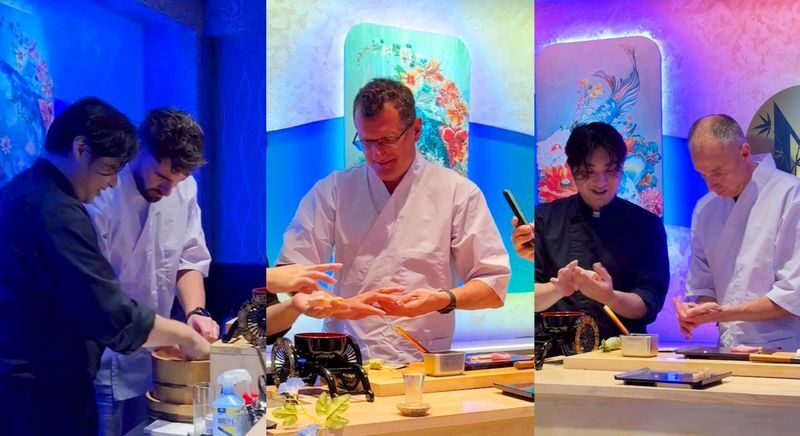
In the heart of Shinsaibashi, this two-hour course pairs a small sushi-making lesson with a full Japanese meal. You sit at a counter with just eight seats, hear about 400 years of sushi history, watch a chef make four pieces of sushi and a roll, then prepare four pieces yourself.
I like two things about the format: you get hands-on practice without giving up a proper dinner, and the intimate counter setting keeps the chef’s work close at hand. The course also includes three appetizers, a fried dish, dessert, and a selected drink, so the sushi lesson is part of a complete meal.
The main consideration is the price, from $145.09, which makes this a special-occasion meal rather than a budget cooking class. You also have only two seating times, at 18:00 and 20:30, and the menu can change with the season and ingredient supply.
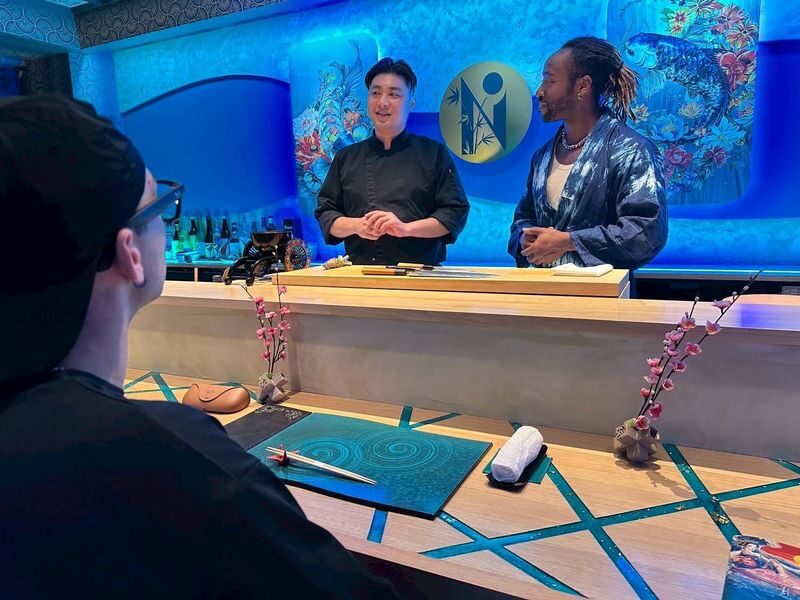
SHIN NIPPON sits on the fourth floor of OPUS1 at 2-1-18 Nishishinsaibashi, in Osaka’s Chuo Ward. Its address puts the restaurant in the Shinsaibashi area, so the meal can fit into an evening in this central part of Osaka. The course itself is the destination: there is no city tour or transport included.
The restaurant describes its cooking as traditional and innovative, bringing distinct flavors into sushi kaiseki courses. That blend is part of the appeal if you want something beyond a straightforward sushi lesson. At the same time, the available details don’t specify which ingredients or dishes you’ll get on a particular date, so treat the menu as seasonal rather than fixed.
The room has just eight counter seats. That small scale helps make the experience feel focused: you can watch the chef work at close range rather than viewing a demonstration from across a large room. It also means the evening is built around a limited number of reservations, not the feel of a busy, open dining hall.
Looking for more options in Osaka? Here are some other experiences worth considering.
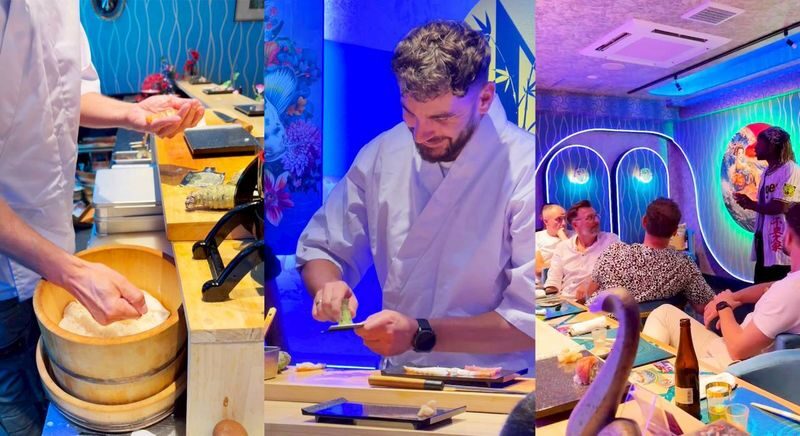
The course opens with an introduction to sushi culture. You’ll hear about its 400-year history and get an explanation of how sushi restaurants operate. This gives the hands-on part some context: you’re not simply copying a shape, but learning a little about the food and the restaurant craft behind it.
Next comes the chef’s demonstration. The chef prepares four sushi pieces and one roll, showing you the process before you try making sushi yourself. The description doesn’t say which fish or other ingredients are used, or whether you’ll make the same pieces as the chef. If particular ingredients matter to you, ask the restaurant before booking rather than assuming they’re part of the course.
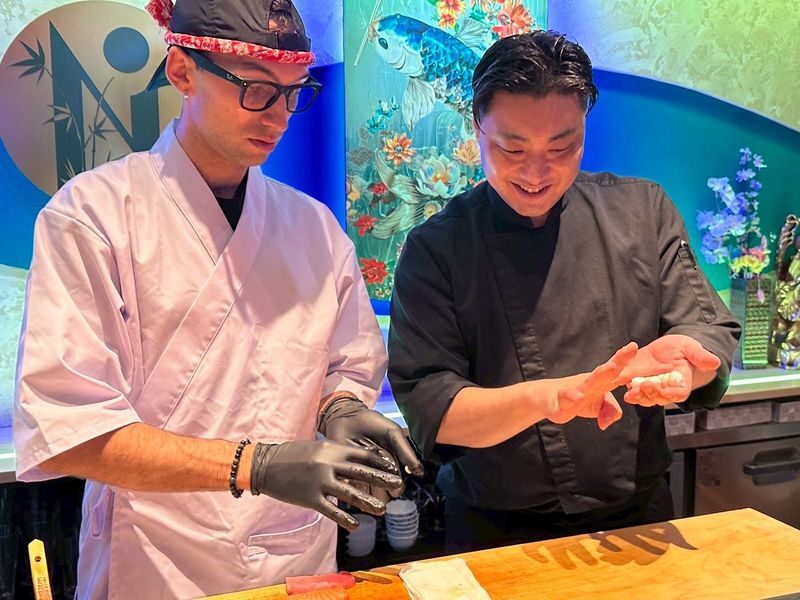
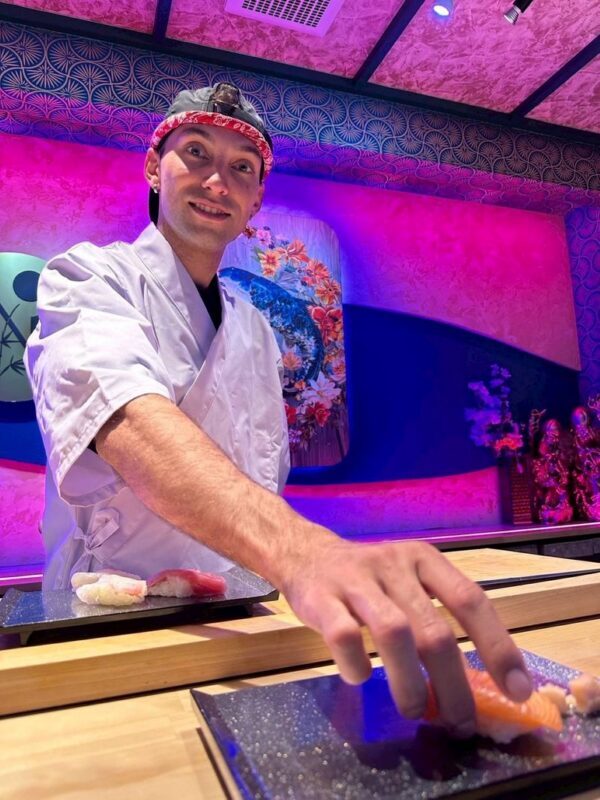
Then it’s your turn to make four pieces of sushi. Four is enough to get a feel for the task without turning dinner into a long workshop. You can watch the chef closely, follow the example, and enjoy the small satisfaction of making part of your own meal.
The course continues with a full dinner. Three appetizers, a deep-fried dish, and dessert round out the sushi-making session, with one selected drink included as well. The sequence makes this a good choice if you want a meal with an activity built in, rather than a class that ends as soon as the lesson is over.
The exact dishes can vary with the season and ingredient availability. That flexibility can bring fresh variety to the menu, but it does mean you shouldn’t book expecting a particular fish or appetizer unless the restaurant confirms it.
The class is described as an experience for making four pieces yourself, not as an advanced course. That’s useful if you’re curious about sushi preparation but don’t want a long technical lesson. You’ll see a chef demonstrate first, then have a chance to try the process under guidance.
The portion of the meal you prepare is limited, and the rest of the course is served as part of the dining experience. That balance matters. You can learn something and take part, but you don’t have to make every item on the menu or spend the whole evening concentrating on technique.
The chef also explains sushi culture and restaurant practices, which gives you more than a recipe demonstration. You may come away with a better sense of what goes on behind the counter, even if the course is not designed as an exhaustive culinary class. Specific topics beyond the historical introduction and restaurant insights aren’t listed, so keep expectations grounded.
This format is especially well suited to first-time sushi makers, couples looking for an evening activity, or anyone who wants a meal that feels more interactive than sitting down at a restaurant table. If your priority is a long, skills-focused workshop, check the lesson details with the provider before you reserve.
The course’s strongest appeal is that it treats the food as the main event, not as an afterthought to the class. The meal includes several parts beyond the sushi you make: three appetizers, a fried dish, and dessert. That structure gives you a broader dinner than a tasting limited to the pieces you prepare.
The most positive account of the experience singled out the food and the staff’s kindness and ease in conversation. Those are useful things to value in a small counter setting. The size of the room puts you near the people preparing and serving the food, so a welcoming atmosphere can make the evening feel more personal. But one account is only one account, and your own meal will depend on the day’s menu and service.
SHIN NIPPON presents its food as a meeting of traditional and innovative styles. That’s an inviting idea, but it doesn’t tell you exactly what a particular course will taste like. If you prefer a familiar, set sushi menu, ask about the dishes before booking. If you’re happy to let the kitchen choose based on the season, the changing menu may be part of the pleasure.
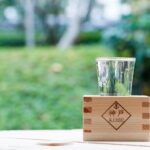
One selected drink is included through the Klook offer. If you drink alcohol, you can choose a three-sake tasting set, with one small cup of each type, or a drink selected by the restaurant. If you don’t drink alcohol, the options include a 250 ml bottle of Wasanbon soda or another soft drink, such as oolong tea.
This is a thoughtful inclusion because it gives you a choice rather than tying the course to alcohol. The sake set is a small tasting, not a full set of drinks, so plan on paying separately if you want anything beyond the included selection. Other personal expenses are not included.
The drink offer makes the course feel more complete, but it shouldn’t be the deciding factor at this price. The value rests more on the chef’s demonstration, your chance to make sushi, the meal that follows, and the intimacy of the eight-seat counter.
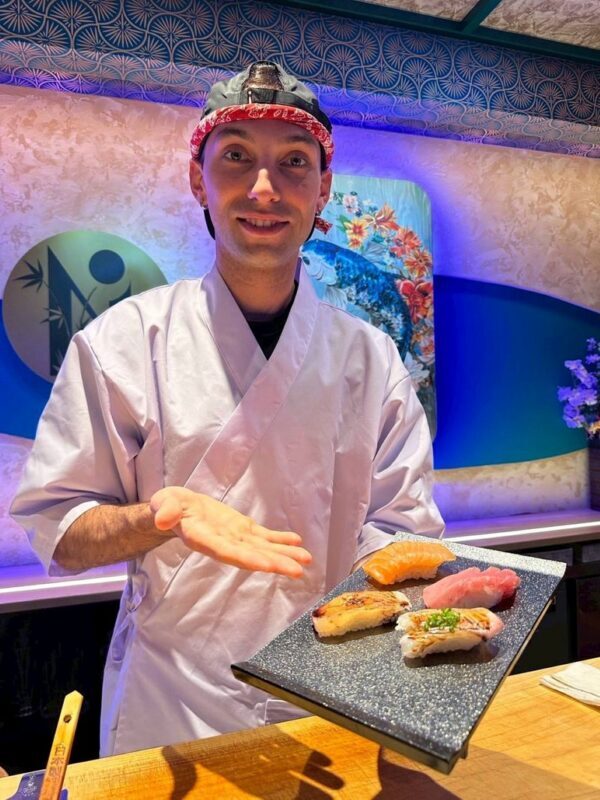
At $145.09 and up, this is a substantial spend for a two-hour activity. It makes the most sense if you value both the meal and the experience: a sushi-culture introduction, a chef demonstration, your own chance to make four pieces, several courses, and a drink. If you’re comparing it with a short cooking class alone, the price may feel high. If you’re comparing it with a special dinner that also gives you a hands-on activity, the package has more to offer.
The small counter helps explain why the experience is different from a large group class, though the available details don’t say how many participants will attend each session. You know there are eight seats in the restaurant, but you shouldn’t assume that every seat will be part of the activity or that the session is private.
You’re also paying for a fixed two-hour evening format, with two start times: 18:00 and 20:30. The first session is scheduled to end at 20:00, and the later one at 22:30. Pick the time that suits your dinner plans, and arrive for the session you booked. The schedule leaves little room to treat the activity as an open-ended meal.
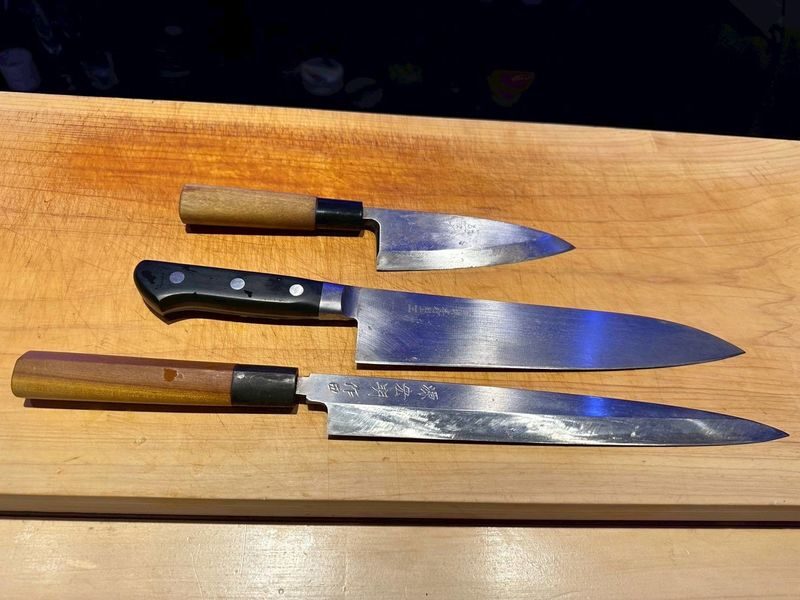
I’d consider SHIN NIPPON if you want a dinner that gives you something to do and something to learn, but still leaves plenty of time to eat. It suits curious beginners, sushi fans who want to see a chef’s work up close, and couples or small groups looking for a special evening in Shinsaibashi.
It may not be the right fit if you’re mainly after the least expensive sushi meal in Osaka, want to choose every dish in advance, or hope to spend several hours learning detailed techniques. The course is short, the menu is seasonal, and the price reflects a full dining experience in a small counter restaurant.
There is no age limit, but the activity is a sit-down meal and lesson rather than a children’s program. Outside food and drinks are not allowed. If you have questions about ingredients, dietary needs, or the menu, ask before booking because those details aren’t specified here.
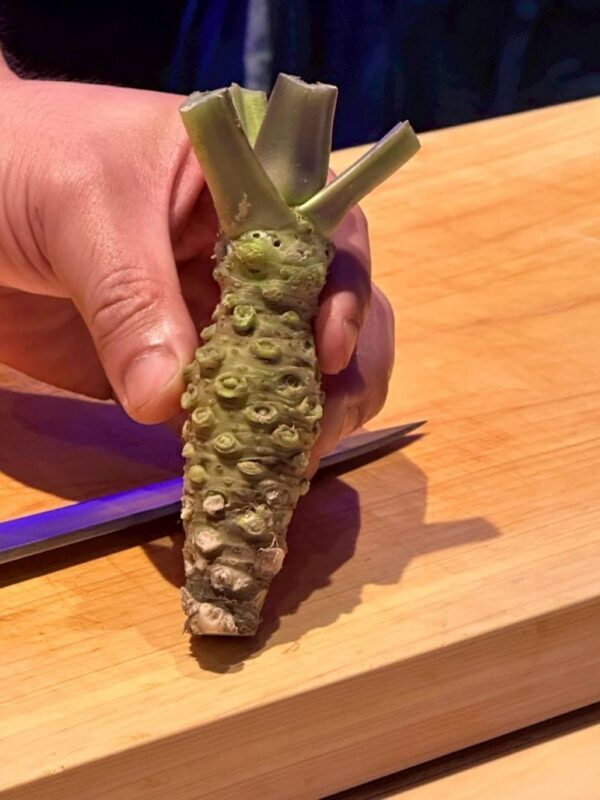
Book it if the combination of a close-up chef demonstration, four pieces of sushi to make yourself, and a multi-course dinner sounds worth a special-occasion price. The eight-seat counter and sushi-history introduction add substance, while the included drink helps round out the evening.
Skip it if you’re shopping primarily for a low-cost class, need a guaranteed menu, or want a longer lesson with more practice. For the right person, this is less a cooking class with dinner attached than a compact sushi dinner where you get to take part. That’s the distinction to keep in mind when deciding if it fits your Osaka plans.
“This experience is the highlight of my trip! The food was phenomenal, the staff were amazing to talk to and so kind! Whenever I come back to Japan …”
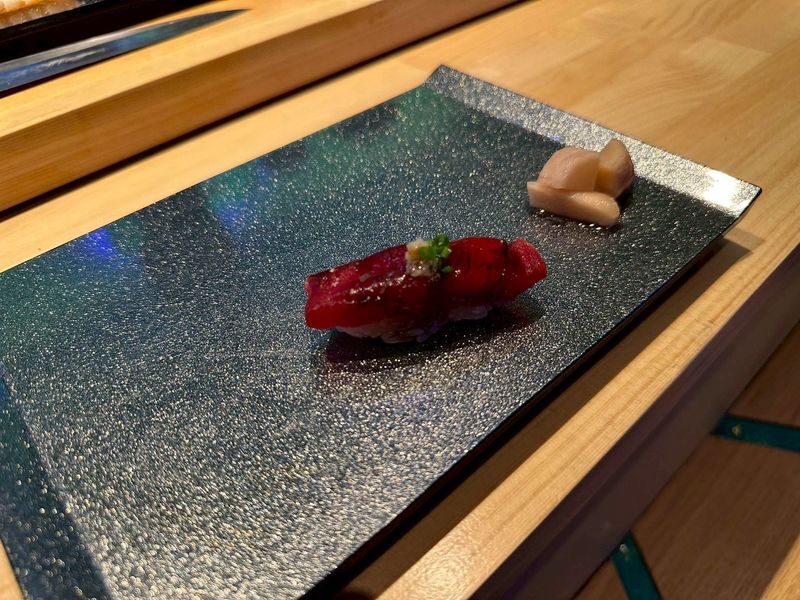
The course lasts two hours.
The two seating times are 18:00 and 20:30. The listed return times are 20:00 and 22:30, depending on the session you book.
It is at OPUS1, fourth floor, 2-1-18 Nishishinsaibashi, Chuo Ward, Osaka, Japan.
A chef demonstrates four pieces of sushi and one roll. You then make four pieces of sushi yourself.
The course includes three appetizers, sushi-making, a deep-fried dish, and dessert. The menu may change with the season and ingredient availability.
You can choose a three-sake tasting set or a drink selected by the restaurant if you drink alcohol. Non-alcohol options include a 250 ml bottle of Wasanbon soda or another soft drink, such as oolong tea.
No. The activity has no age limit.
No. Outside food and drinks are not allowed.