Physical Address
304 North Cardinal St.
Dorchester Center, MA 02124
Physical Address
304 North Cardinal St.
Dorchester Center, MA 02124

Review this Nagoya day trip to Takayama and Shirakawa-go, with route details, guide-language caveats, timing, costs, and practical advice.
Takayama’s old merchant streets and Shirakawa-go’s steep-roofed farmhouses make a memorable pair, and this bus trip links them in one day without asking you to piece together rural train and bus connections. I like that you get free time in both places, and that the route gives you a taste of Hida beef, sake, and village scenery rather than keeping you on a bus all day.
I also like the practical value: transport from Nagoya and lunch are included in a tour that starts at $49.29. But the day is tightly timed, and the guide’s English ability can vary. If detailed commentary matters to you, request English when booking and confirm what service is actually available.
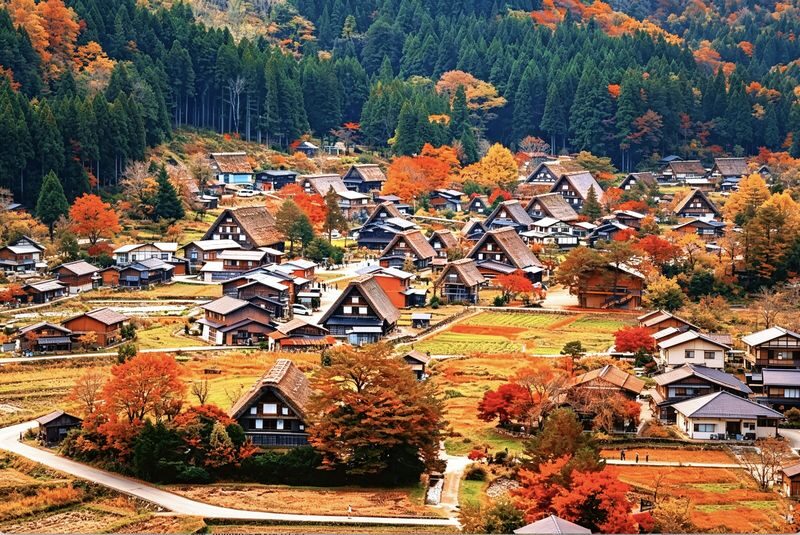
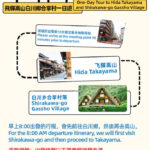
Takayama and Shirakawa-go sit inland in Gifu Prefecture, and reaching both from Nagoya independently takes planning. This group tour trades flexibility for simplicity: you meet at Nagoya Station, ride directly toward the Hida region, and leave the connections and driving to someone else.
That matters most if your time in Japan is short, or if you do not want to work out a combination of trains and local buses. The journey itself is part of the day, with roughly two hours on the road to the first destination and more driving between stops. You can look out at rural scenery, but this is still a long coach outing, not a quick hop between nearby attractions.
The advertised schedule runs from 8:30 a.m. to 6:30 p.m. The return time is an estimate, not a promise: traffic and weather can change the schedule, and the operator advises against planning evening activities that depend on arriving promptly. I would not book a tight onward train, flight, or dinner reservation for that evening.
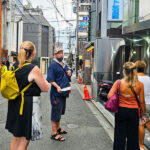
The tour meets at Nagoya Station. From December 1, the specified point is the Shinkansen North Exit of the Taiko-dori side. Meeting details can change, so check the message sent the evening before and arrive at least 10 minutes early. Several tours may use similar flags, so ask staff to confirm the correct bus rather than joining the first group you see.
If you prefer having a local expert, these guided Ono District experiences could work well
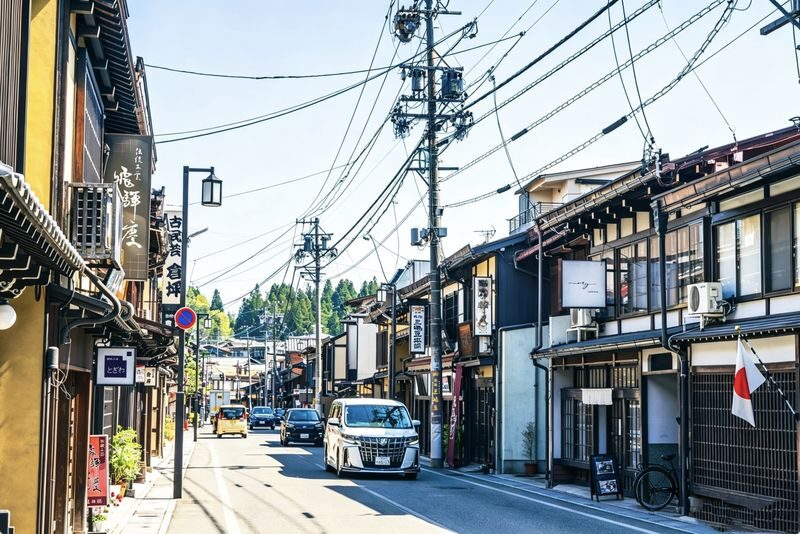
The first major stop is Takayama Old Town, scheduled for about 11 a.m. You have roughly two hours to explore on your own. The area is known for traditional machiya townhouses from the Edo period, giving its streets a preserved, small-town feel that contrasts with Nagoya’s modern scale.
The town’s appeal is not just its old buildings. Hida beef and local sake are among the foods and drinks associated with the area, and the historic center is a good place to browse for a snack or a relaxed lunch if the schedule allows. The tour includes a separate 30-minute Japanese lunch, listed at ¥1,400, so check what is provided and budget extra if you want to try other dishes.
Takayama Jinya, Miyagawa Morning Market, and Hie Shrine are among the named points of interest. The market’s name can be misleading on a midday visit: your scheduled arrival is around 11, and the free-time window is short. You may need to choose between a market stroll, a shrine, a museum, and simply enjoying the old streets instead of trying to fit everything in.
This stop is self-guided, so a useful guide can make a real difference before you get off the bus. Some guides have shared restaurant and shop suggestions, route tips, or background on the area; names praised by visitors include Wang Jie, Sirius, and Ms. Gong. Those are examples from particular departures, not a guarantee of who will lead your trip.
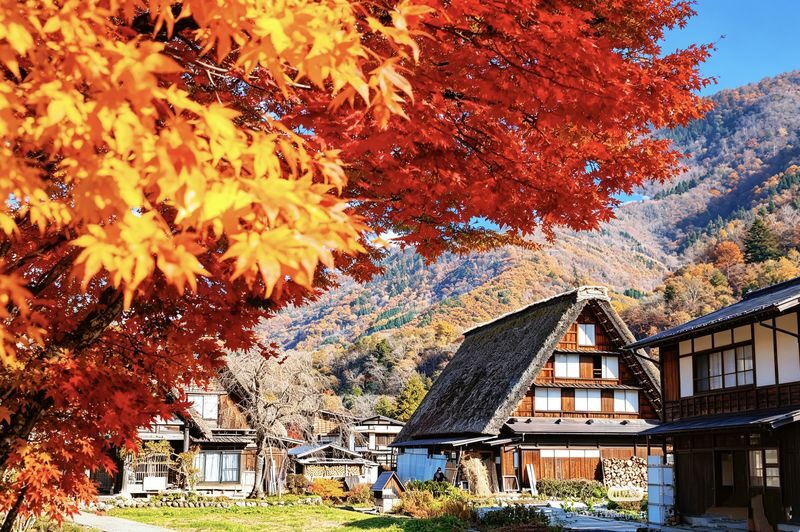
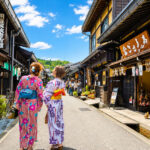
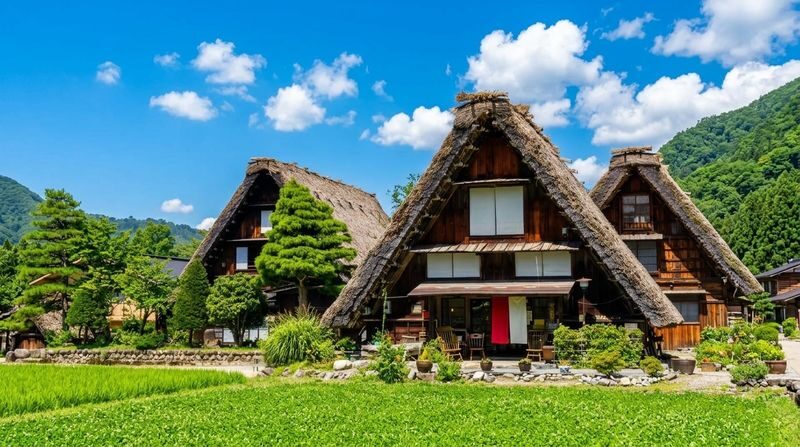
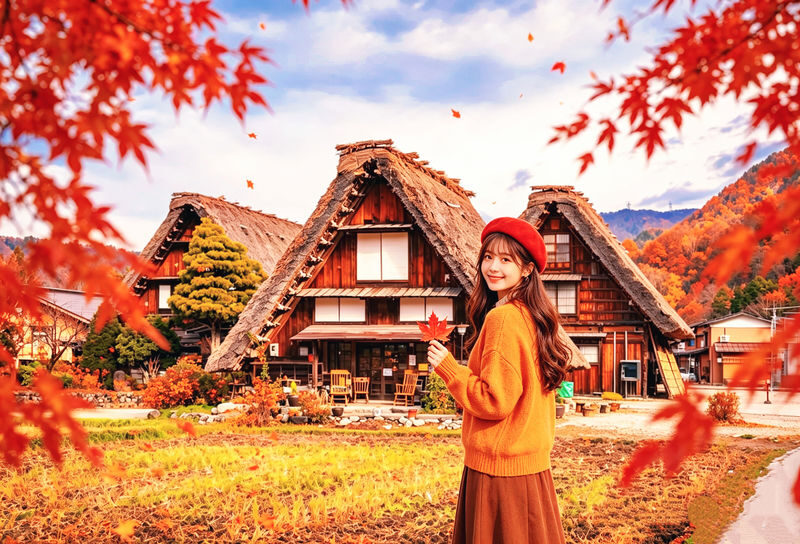
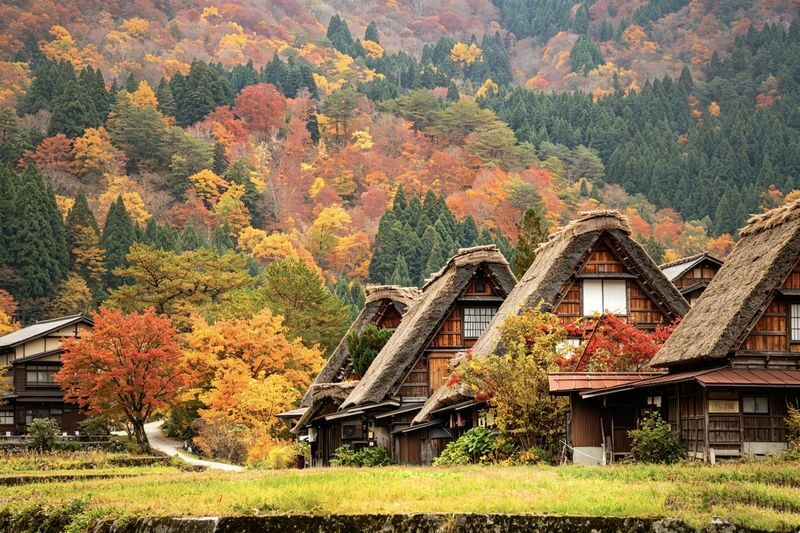
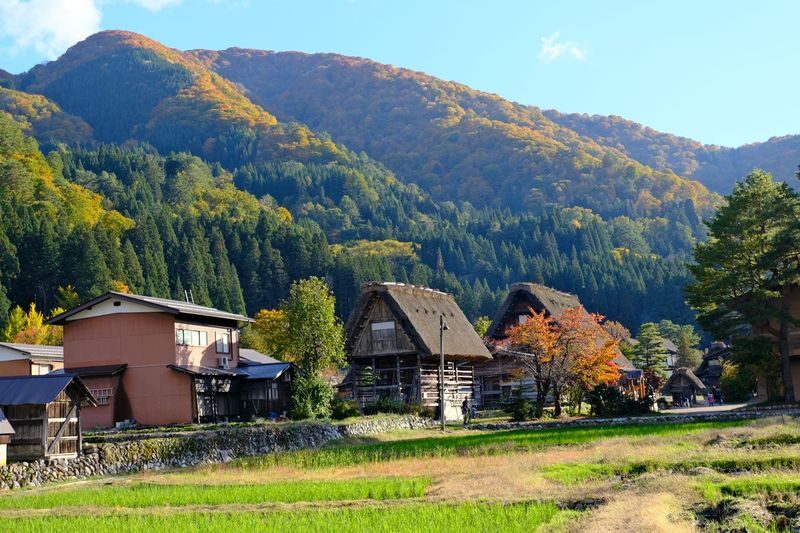
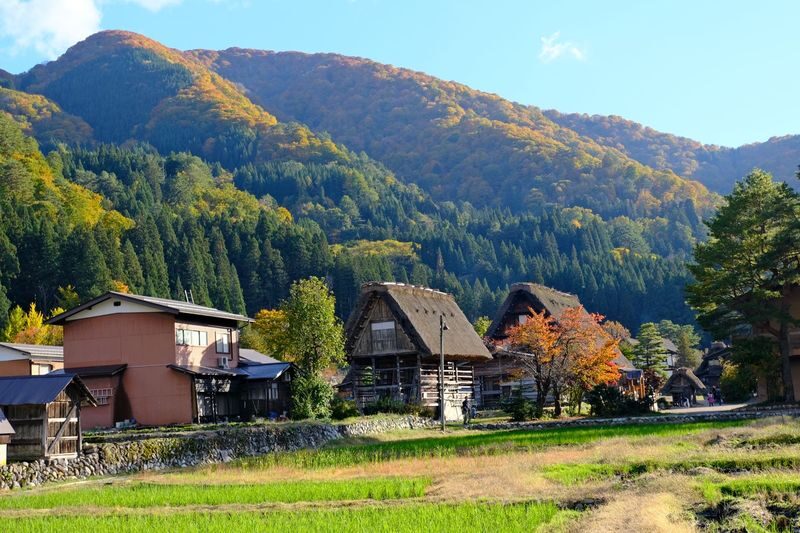
After Takayama and lunch, the bus continues to Shirakawa-go, a UNESCO-listed village known for its gassho-style farmhouses. The steep roofs were built to shed heavy snow, and the houses give the village a distinct profile in every season. Snow can make the setting especially striking, but winter conditions are unpredictable. A February visit may bring deep snow, light snow, fog, or little snow at all.
The planned visit is about two hours, again on your own. That is enough time to walk through part of the village and take in the houses, but it can feel hurried if you want to visit interiors, stop for food, browse shops, and walk to the observation deck. The deck is on foot, so set aside time and wear shoes that can handle uneven or slippery ground, especially in winter.
Pay attention to the return time and route back to the parking area. The village bridge can get crowded, and reaching the bus late can hold up the group. You are responsible for being back when instructed, so do not leave the viewpoint or central lanes until the last few minutes.
The tour’s order has a practical advantage: Takayama comes first, where there are more places to find food before the later village visit. Its trade-off is that Shirakawa-go may feel rushed, particularly if you want to see the observation deck and explore at a leisurely pace. Use your time deliberately. If the viewpoint is your priority, ask your guide how long the walk is and decide early whether to go there first.
Guides can add welcome context to a day built around self-guided stops. A strong one may introduce local customs on the bus, explain what to look for, and point you toward food or shops. People have praised guides including Wang Jie, Sirius, Liu, Hao, Naka, and Ms. Gong for helpful advice, clear timing, and thoughtful assistance.
But do not assume every departure will have the same style of commentary. Some passengers have found that the guide spoke mostly Chinese, with little English, or gave minimal explanation once the group reached each stop. The information about languages is not fully consistent: the package is described as Chinese and English service, while the conditions say Chinese or Japanese guidance is standard and English must be requested, with no guarantee.
If English commentary is important, make the request when you book and check the confirmation or pre-departure message. Even when an English-speaking guide is arranged, this is a shared bus trip, not a private guided walk. Expect practical instructions and, depending on the guide, some background, but plan to explore the towns independently.
At a starting price of $49.29, the main value is transport to two places that can be awkward to link in a single day. The listed package includes the bus, an English or Chinese-speaking guide, and lunch. You also avoid the work of coordinating separate regional connections, which is worth something if you have limited holiday time.
Treat the starting price as a floor rather than a final quote. The package cost may vary by date or availability, and the included lunch does not cover every personal expense. Extra snacks, drinks, souvenirs, or a more substantial meal are on you. The product information lists lunch at ¥1,400; if you are vegetarian, note it in your order details in advance.
There are also costs in comfort and choice. You follow the group’s departure and return times, and the two-hour visits limit how much you can see. If you want a long meal, a museum visit, a slow walk through the village, and the observation deck, arranging your own overnight stay or separate transport may suit you better, though it requires more planning.
Insurance is not included. The tour also does not provide luggage storage or delivery, and child seats are unavailable. Children under three need a ticket if they require a seat, and infants and children must be counted when booking.
The day depends on mountain roads, so weather and traffic are more than small inconveniences. Heavy snow, a highway closure, or other force majeure may cause itinerary changes. If the expressway to Shirakawa-go is closed, the destination may change to Gujo Hachiman. In severe conditions, the day may be shortened or attractions may be dropped.
In one extreme snow event, road closures meant the group could not reach either Takayama or Shirakawa-go and the route changed to Gujo Hachiman after a long drive. That is not the usual plan, but it shows why a winter tour cannot promise a particular snowy scene or even the planned stops when roads become unsafe. The operator says changes caused by force majeure do not qualify for a refund or rescheduling.
Before departure, check your email and other contact channels. The operator says it usually sends a message between 5 and 9 p.m. the day before; check spam if it does not appear. If no message arrives, go to the meeting point on time and look for the tour flag. Bad weather may lead to a cancellation decision by 6 p.m. the day before, while a minimum-group-size issue may also cancel the trip.
Pack for a full day out: comfortable walking shoes, warm layers when needed, water, and a small snack. Portable chargers are sensible, especially if you use your phone for maps or photos. Keep some flexibility in your plans for the evening, since traffic can delay the return.
I would choose this tour if you are staying in Nagoya, want to see both Takayama and Shirakawa-go, and value simple transport over having complete control of your schedule. It is a practical first visit, particularly for families or anyone who prefers not to navigate rural connections. The bus also means less time managing tickets and transfers, and more time looking around once you arrive.
It is less suited to visitors who want an unhurried visit, detailed English commentary, or a guarantee of winter snow. Two hours at each stop gives you a useful introduction, not a deep exploration. If Shirakawa-go is your main reason for going, consider whether you would rather spend a full day there or stay overnight instead of dividing the day between two destinations.
Book this trip if you want a straightforward, relatively low-cost way to see two Hida highlights from Nagoya in one day. Its strengths are the direct bus, included lunch, and time to walk around both towns. Before paying, confirm the meeting point, request English guidance if needed, and accept that traffic or weather can shorten or change the plan.
If you want the freedom to linger, or the guide’s commentary is central to your experience, look for a slower or private option. If your aim is simply to see Takayama and Shirakawa-go without arranging the transport yourself, this is a sensible value, provided you treat the timetable as a plan rather than a guarantee.
“itinerary is good. i think it was a good idea we went to takayama first as there are more placed to eat lunch at then shirakawa go in the afternoon…”
The scheduled day runs from 8:30 a.m. to 6:30 p.m. Actual return time depends on road conditions.
It departs from Nagoya Station. From December 1, the meeting point is the Shinkansen North Exit on the Taiko-dori side. Check your pre-departure message for the current instructions.
The schedule allows about two hours at each destination. Timing may change because of traffic, weather, or other operating conditions.
Yes. Lunch is included, and the listed meal value is ¥1,400. Note vegetarian requirements in your order details.
No. English service should be requested when booking, but it is not guaranteed. Chinese guidance may be provided by default.
Yes. You can walk to the observation deck. Wear comfortable shoes and allow time for the walk within your free-time period.
The destination may be changed to Gujo Hachiman. Severe weather or other force majeure can also lead to itinerary changes or cancellations.
No. Luggage storage and delivery are not provided, and child seats are unavailable. Children and infants must be included in the passenger headcount.