Physical Address
304 North Cardinal St.
Dorchester Center, MA 02124
Physical Address
304 North Cardinal St.
Dorchester Center, MA 02124

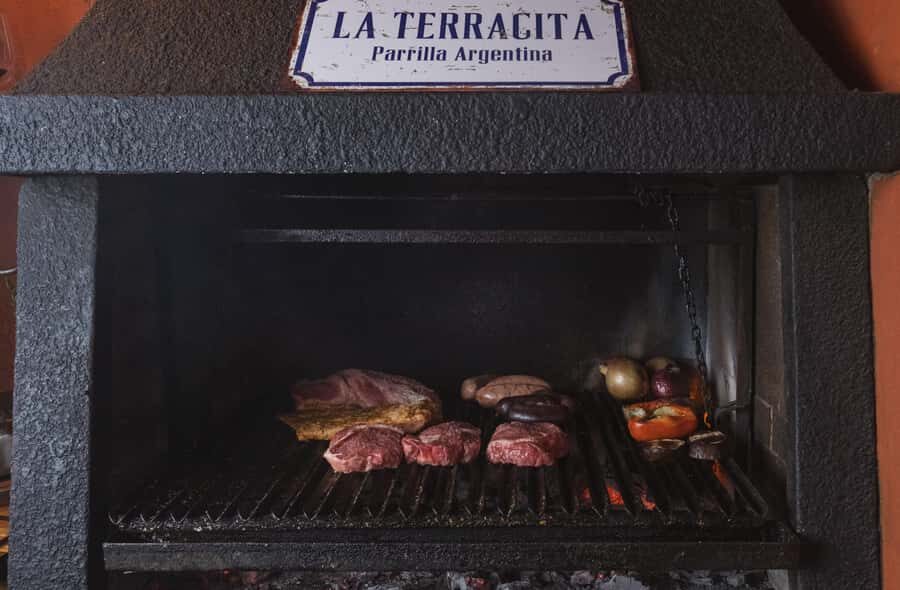
Share a Palermo rooftop asado with local hosts, Argentine wines, classic barbecue cuts, empanadas and dulce de leche cake for $79.
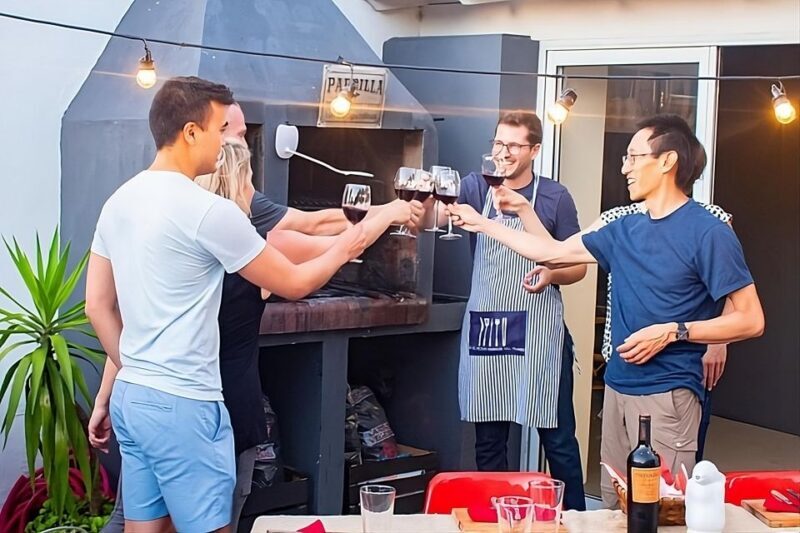
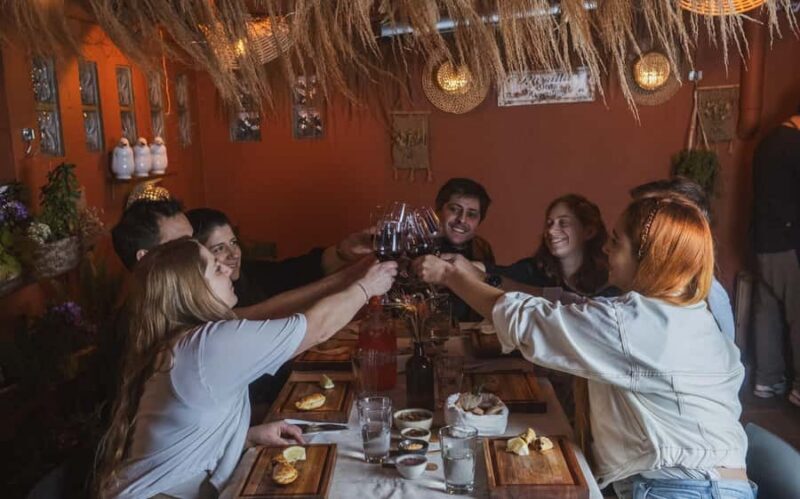
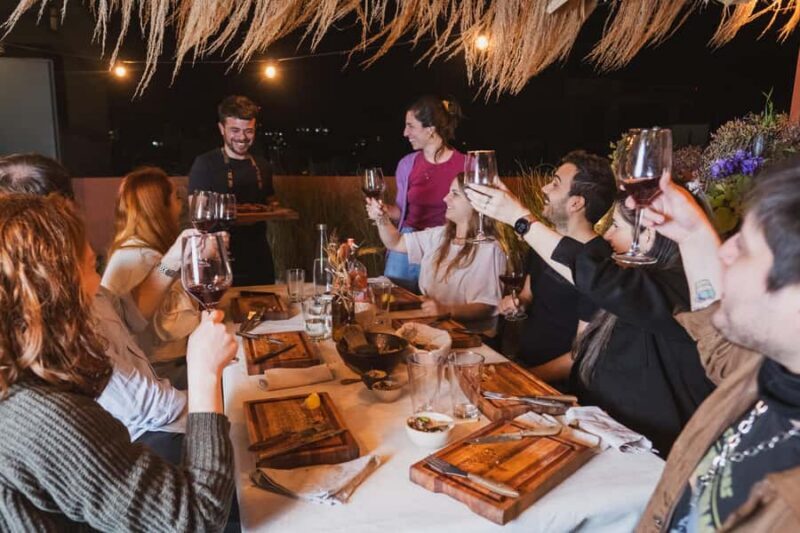
At José A. Cabrera 4304, the dinner unfolds around an Argentine asado, not just a plate of steak. On a Palermo rooftop, your host explains the food and traditions while the asador works through sausages, pork and beef, with wine poured along the way. I like that you get both the meal and the story behind it, and that the shared table makes it easy to meet people over a long dinner.
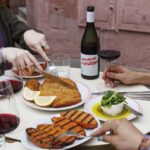
The menu ranges from homemade Tucuman-style empanadas to rib eye finished with Malbec salt, followed by dulce de leche cake and Fernet with Coca. Three wines and water are included, so the $79 price covers more than a single restaurant meal.
One practical catch: the terrace is on the third floor, reached by stairs, and the experience is not suitable for wheelchair users. Rain moves dinner indoors rather than canceling it, but you should book this for the food and company, not a guaranteed rooftop view.
Key points to know
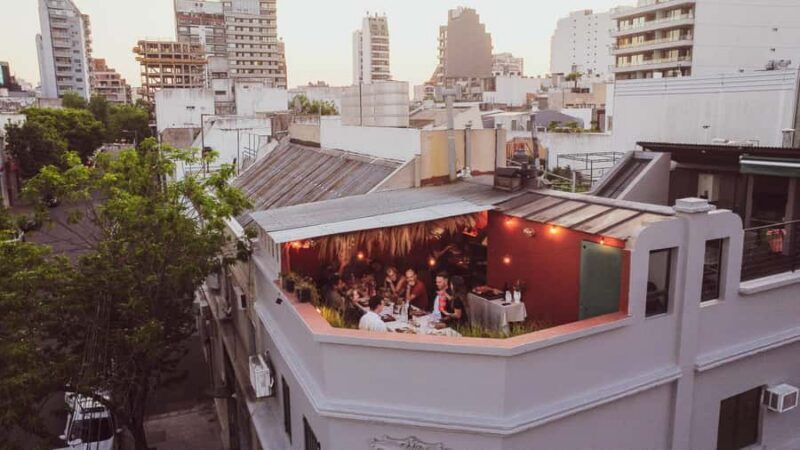
The meeting point is José A. Cabrera 4304, in Palermo Soho, a popular neighborhood for food and nightlife. This is a home-based meal, not a restaurant crawl: you arrive at one address, stay for dinner and finish where you started.
The rooftop gives the meal its informal, neighborhood feel. It is a terrace on the third floor, so plan for stairs. The host can help with directions if you need them, but the supplied meeting point is also easy to enter in a map app.
Weather is worth considering in Buenos Aires, where a rainy evening can change outdoor plans. Here, rain does not cancel the dinner. The hosts move the meal into the apartment’s living room, which keeps the food and conversation going, though you should not count on eating outdoors.
The setting is intimate by design, but group size can vary. Past dinners have included groups of about six to thirteen people. That is enough company to make conversation lively, without turning the meal into a large bus-tour gathering. If you are traveling alone, this shared format can be a simple way to meet people; if you come as a couple or with friends, you still get a communal dinner rather than a private table.
You can check availability for your dates here: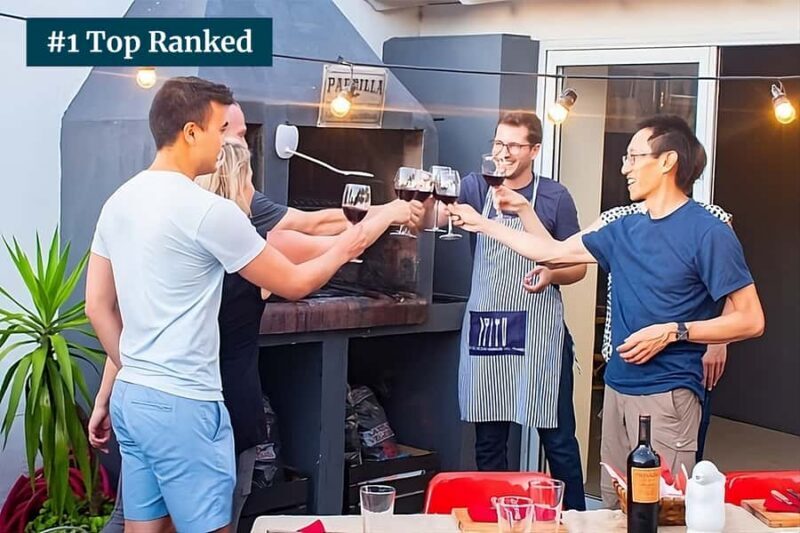
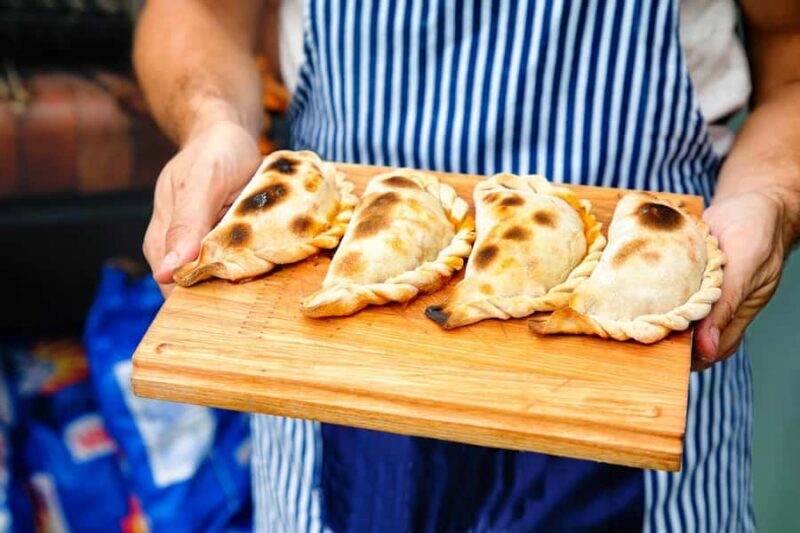
The meal begins with homemade Tucuman-style empanadas, a familiar Argentine starter with a regional identity. They are a useful first taste before the grill takes over. Expect the evening to build in stages, rather than arrive as one oversized platter.
Next come morcilla, or blood sausage, and chorizo. The chorizo becomes the basis for choripán, the classic sausage sandwich. This is hearty, straightforward food, and it gives the host a chance to explain how everyday Argentine barbecue differs from the more familiar image of a steak-only feast.
The menu then moves to matambre pork belly, marinated with lemon, mustard and local herbs. The contrast matters: after the rich sausage, the citrus and herbs give the pork a different profile. A vegetarian or pork-free meal can be prepared, but you need to request it at least one day in advance. Do not wait until you arrive to raise a dietary requirement.
Be ready for plenty of food. The advertised menu is seven courses, with an appetizer, four varieties of premium meat and dessert. The listed dishes include several separate sausage and meat servings, salads and sauces, so the course count may feel more like a sequence of small servings than seven formal restaurant plates.
Looking for more options in Buenos Aires? Here are some other experiences worth considering.
The steak and rib eye are the main event for many diners. The Argentine steak is served alongside rib eye finished with Malbec salt. The emphasis is on the meat itself: this is a chance to taste different cuts and compare them, rather than a meal built around elaborate marinades.
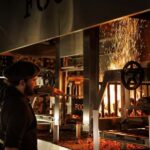
The asador cooks the food while the host talks through the preparation and traditions. Names vary among the people who host different evenings. Maya, Camila and Kiki are among the hosts named by diners, while Marco, Pablo and Carlos have been mentioned as grill cooks. What matters for planning is that the format combines a host who guides the evening with an asador who handles the barbecue.
The meat earns particularly strong praise, with the rib eye often singled out as a highlight. Still, this is a meat-centered meal. If you are not keen on beef, pork or sausage, the experience may not be a good fit unless you arrange a special menu in advance. Vegetarians have been accommodated, but the standard dinner is firmly built around the grill.
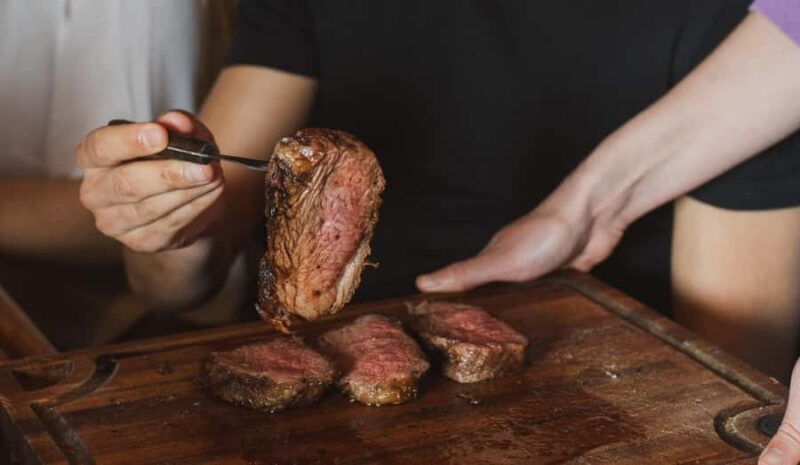
The meat comes with roasted vegetable salad, criolla salad and smoked chimichurri. These sides do more than fill the table: they offer fresh, sharp and smoky contrasts to the richness of the grill. Chimichurri is a staple alongside Argentine barbecue, and the smoked version adds another layer to the meal.
Three wines are included, along with water or sparkling water. Malbec is the traditional centerpiece, and the selection can include other Argentine wines. Some dinners have featured Chardonnay as well as two Malbecs. The pours are part of the meal, rather than a separate tasting with technical notes, so expect an informal introduction and the chance to enjoy the wine with each course.
The dinner also ends with a glass of Fernet with Coca, a popular Argentine combination of bitter herbal liqueur and cola. If you have not tried it, this is a low-pressure way to sample a local favorite. You can raise a glass without needing to become a convert.
Dulce de leche cake, made from a family recipe described as a grandmother’s, rounds out the food. After several savory courses, the sweet, creamy flavor makes a fitting finish. The meal then shifts to Fernet with Coca and lingering conversation.
Conversation is part of the appeal, not an extra activity. You may find yourself sharing a table with people from several countries, and the hosts help keep the evening moving with explanations and stories. Solo diners in particular can appreciate the easy social structure: you have a shared meal and a natural subject to talk about from the start.
The atmosphere is friendly rather than formal. You are not expected to know the rules of Argentine barbecue before you arrive. Ask questions about the cuts, cooking or customs as they come up. The host’s explanations are offered in English or Spanish, which makes the evening accessible to a wide range of visitors.
More Great Tours Nearby
At $79 per person, this is more expensive than ordering a casual meal at a neighborhood restaurant. But the price includes 150 minutes of hosting, a multi-course dinner, four varieties of meat, three wines, water or sparkling water, dessert and Fernet with Coca. You are also paying for the home setting and the explanations that make the food more meaningful.
The value is strongest if you want a full introduction to asado in one sitting. You taste different cuts and sausages, learn how they fit into the meal, and do not need to plan separate stops for wine or dessert. If your main goal is simply to eat steak as cheaply as possible, a restaurant may suit you better.
This is also a social evening, so the experience is most rewarding if you are comfortable sharing a table. The group can include solo diners, couples and people traveling together. That mix can make for lively conversation, though the pace and company are not entirely in your control.
Set aside two and a half hours. The dinner itself is described as lasting about two hours, within a 150-minute experience. It takes place at the same address from arrival to finish, with no additional stops or transport included.
The terrace is on the third floor and accessible by stairs. The activity is not suitable for wheelchair users, and children under four are not suitable for the experience. If either point affects your plans, contact the host before booking.
English and Spanish are spoken. For a vegetarian or pork-free menu, send a message at least one day ahead. Rain shifts the meal indoors to the apartment’s living room. You can cancel up to 24 hours in advance for a full refund, and a reserve-now, pay-later option is available.
Book it if you want a generous Argentine meal with context, enjoy trying several kinds of meat and like the idea of sharing dinner with people you have just met. The best reasons to go are the grill, the chance to learn the local customs as you eat, and the relaxed home setting.
Think twice if you want a quiet, private dinner, need step-free access or do not eat meat and have not arranged an alternative. For a first visit to Buenos Aires, this is a practical way to meet asado through its food, its rituals and the people who cook it. Just arrive hungry, and leave room for cake.
“The food was cooked brilliantly and the wines we had were delicious and paired very well with the meats. Marco was an expert and had a plenty of in…”
It takes place at José A. Cabrera 4304 in Palermo Soho, Buenos Aires. The experience starts and ends at that address.
Allow 150 minutes, or two and a half hours. The dinner portion is described as about two hours.
The menu includes Tucuman-style empanadas, morcilla, chorizo and choripán, marinated pork belly, Argentine steak, rib eye, salads, smoked chimichurri and dulce de leche cake.
Yes. Three wines, water or sparkling water, and a glass of Fernet with Coca are included.
The experience still goes ahead, but dinner moves indoors to the apartment’s living room.
Yes. Contact the host at least one day in advance to request a special menu.
No. The terrace is on the third floor and reached by stairs, and the activity is not suitable for wheelchair users. Children under four are also not suitable.
You can check availability for your dates here: