Physical Address
304 North Cardinal St.
Dorchester Center, MA 02124
Physical Address
304 North Cardinal St.
Dorchester Center, MA 02124

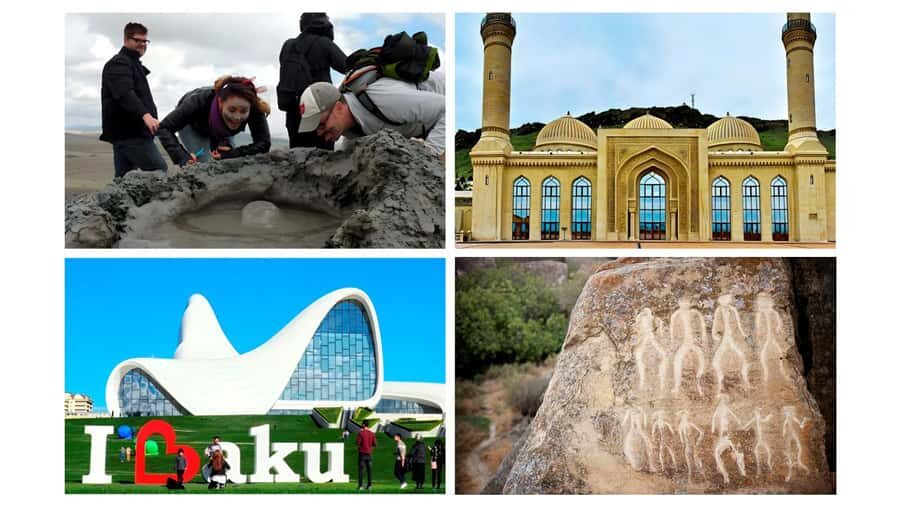
Visit Gobustan, mud volcanoes, Baku’s fire sites and more on a full-day tour, with hotel pickup, lunch and ticket options to check before booking.
Gobustan’s ancient carvings and the mud volcanoes make an unusual pair: one looks back thousands of years, the other seems to bubble up from another planet. This full-day trip packs them, Baku’s fire-worshipping past and a striking modern building into one long circuit.
I like two things here: the range of stops gives you a brisk introduction to the Absheron Peninsula, and the guide can connect the sights to Azerbaijan’s history rather than leaving you to puzzle them out alone. Guides named Raza, Murad and Adil have been praised for clear English, patience and humor.
The catch is that the $14 starting price does not necessarily cover every extra. Lunch, admission tickets and the special vehicle for the mud volcanoes depend on the option you select, so check the package details before paying.
This is a seven- to eight-hour outing, not a quick hop to one landmark. You start with pickup at one of several Baku locations, then travel by coach between sites, with a separate jeep or SUV ride to reach the mud volcanoes. Expect a full day and a varied mix of history, geology, religion and architecture.
The route is busy. Stops range from about 20 to 60 minutes, with one-hour at Gobustan and shorter visits at the mosque, Yanardag and the Heydar Aliyev Center. That pace helps you see a lot in one day, but it does not leave time for a slow, self-guided visit at every stop.
Pickup points include Nizami Street, Sahil and Nizami metro stations, Icherisheher’s tourism information center, several hotels and other Baku addresses. The operator says the guide will contact you around 8 p.m. the evening before with pickup details. Share a WhatsApp number if you have one, or expect the details by email.
You can check availability for your dates here: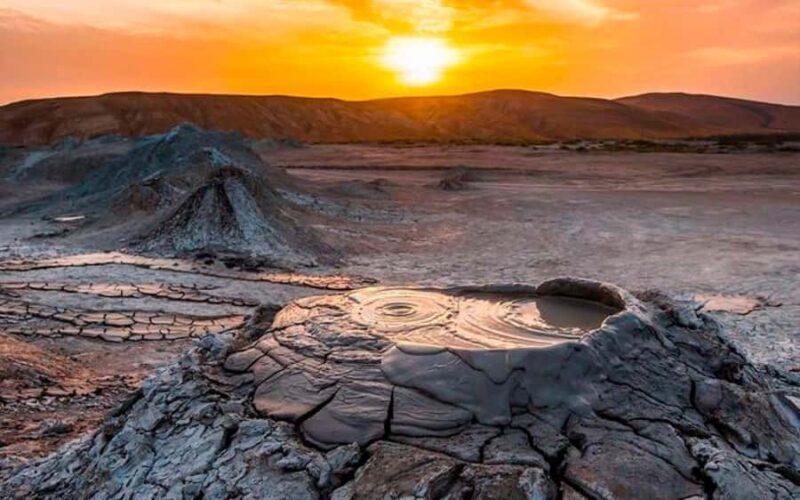
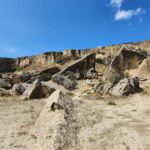
Gobustan Rock Art Cultural Landscape is the day’s most tangible link to prehistoric life. The reserve is known for carvings cut into stone, along with caves and traces of early people who lived in this part of the Caspian region. A guide helps put the figures and marks into context, which makes the visit more rewarding than simply taking photos of weathered rock.
You have about an hour here for a guided visit, walking and pictures. That is a useful amount of time for an introduction, though anyone keen on archaeology may wish for longer. The tour also includes a museum visit in its description, but opening hours can affect the plan. A national holiday closure has led to a change in the day’s schedule, so don’t count on every indoor stop being available on every date.
Bring shoes you are comfortable walking in. The site is outdoors, and weather can make a difference to how long you want to linger. The guide’s explanations are especially useful here: the carvings are old, but their meaning is not always obvious at a glance.
Looking for more options in Baku? Here are some other experiences worth considering.
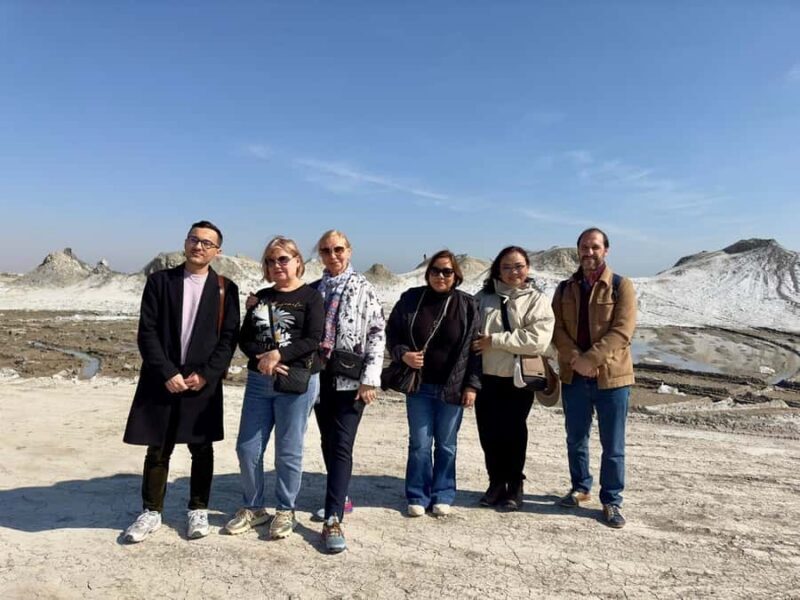
From Gobustan, a short transfer takes you to a special vehicle for the mud volcanoes. The road conditions require an off-road car, and the landscape around the craters has a stark, almost lunar look. The mud bubbles and shifts in the vents, making this one of the day’s most unusual natural sights.
Azerbaijan is home to nearly half of the world’s mud volcanoes, according to the tour information. You get around 30 minutes at the site, including a guided visit, time to walk and photos. It is a short stop, but the ride and the strange terrain give it more character than an ordinary roadside viewpoint.
Be clear about the package you book. The special vehicle is not automatically included in every option, even though the tour title mentions entry tickets. Some visitors have described riding in an old Lada-style car to reach the volcanoes. The assigned vehicle can vary, but expect a bumpy trip rather than a polished luxury transfer.
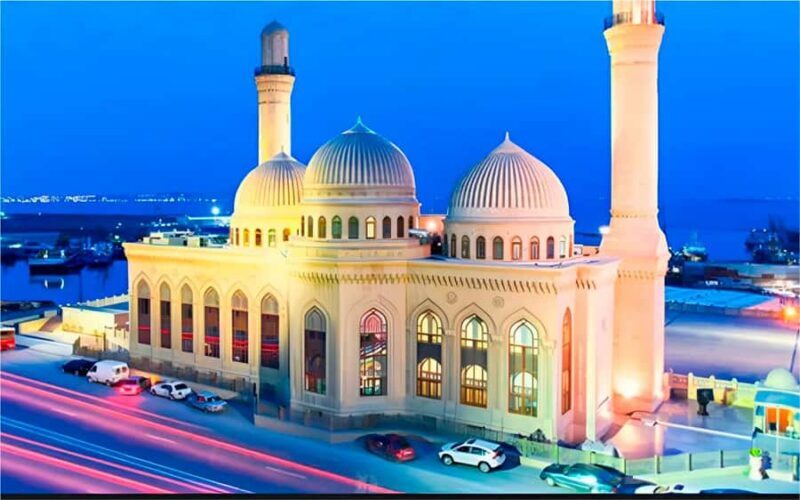
After the volcanoes, the route returns toward Baku and stops at Bibi-Heybat Mosque. The mosque is a place of worship and a landmark in the region’s Islamic heritage. It was rebuilt, and its present form gives the site a graceful presence while recalling a history of faith and resilience.
You have about 25 minutes here for a visit, photos and a short break. Dress and behave respectfully at a religious site, and follow the guide’s instructions about where visitors may go. The stop is brief, so treat it as an introduction rather than a long architectural visit.
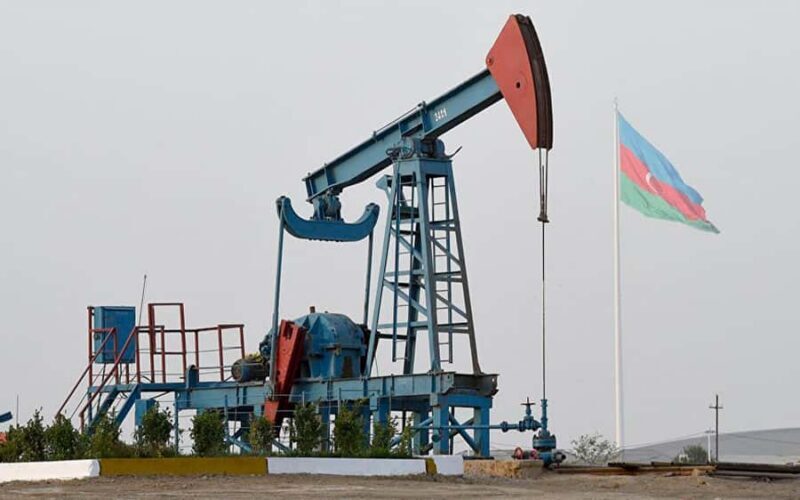
The tour also includes the site of the first oil well, described as the birthplace of the modern oil industry. That history matters: oil shaped Azerbaijan’s economy and helped fuel industrial growth far beyond the country. The published timing does not give this site a separate stop duration, and the route’s detailed schedule does not clearly spell out how long you will spend there. If this landmark is a priority, ask the operator what to expect on your chosen date.
Lunch is scheduled after Bibi-Heybat, with about 30 minutes for a meal and local snacks. The tour describes Azerbaijani national cuisine, and several package descriptions include lunch as an option. Some visitors have particularly enjoyed the traditional meal, but you should confirm that lunch is included in your selected fare before booking.
The timing may feel late if you are travelling with children or simply get hungry early. Pack water and a small snack, especially if you prefer not to wait between breakfast and the meal. A short lunch stop also means this is more of a practical refuel than a leisurely restaurant outing.
More Great Tours Nearby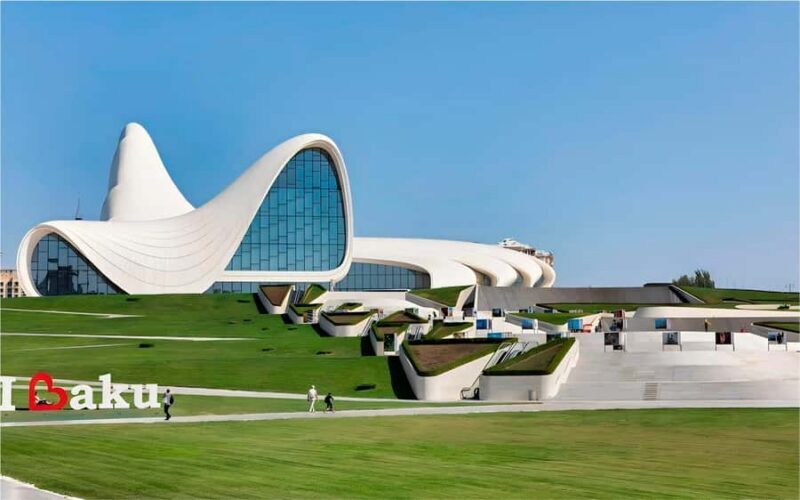
Yanardag, or Burning Mountain, is a hillside where natural gas feeds flames at the surface. The fire has attracted visitors for centuries, and seeing flames emerge from the ground gives the region’s fire traditions a striking natural counterpart. It is a simple stop in terms of activity: you have about 30 minutes for the visit, a guided explanation and photographs.
The flame is the point, so don’t expect a long walk or a large complex to explore. The effect depends on the conditions and your angle, but this is one of the easiest places on the route to understand at a glance. It also gives you a useful contrast with Ateshgah: one is a natural fire, the other a temple associated with religious practice.
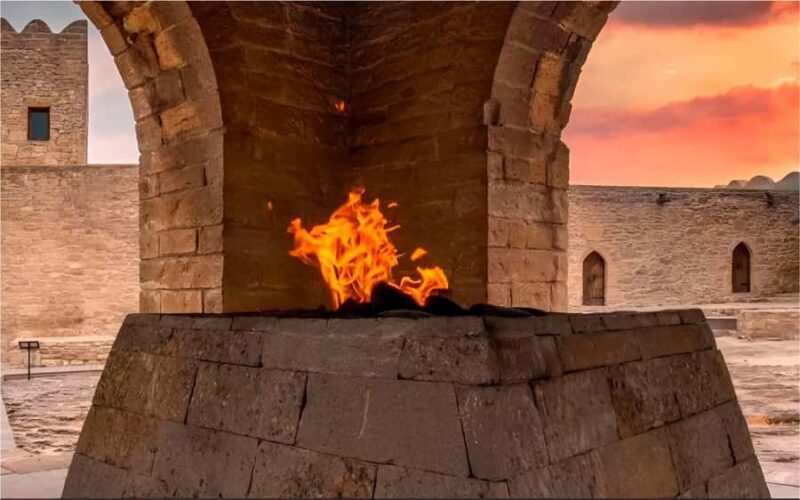
Ateshgah of Baku is the tour’s main stop for the history of fire worship. The temple is associated with Zoroastrian traditions and natural gas flames, and its enclosed courtyards and rooms help you picture the role fire played in religious life. The guide can explain the background and connect it to the wider story of Azerbaijan.
You get about 45 minutes here, longer than at Yanardag or the mosque. That gives you time to look around rather than just step out for a photo. Still, admission depends on the package you choose. The description calls the temple a 17th-century site, but the important point for your visit is the setting and the connection between the temple and the region’s natural gas fires.
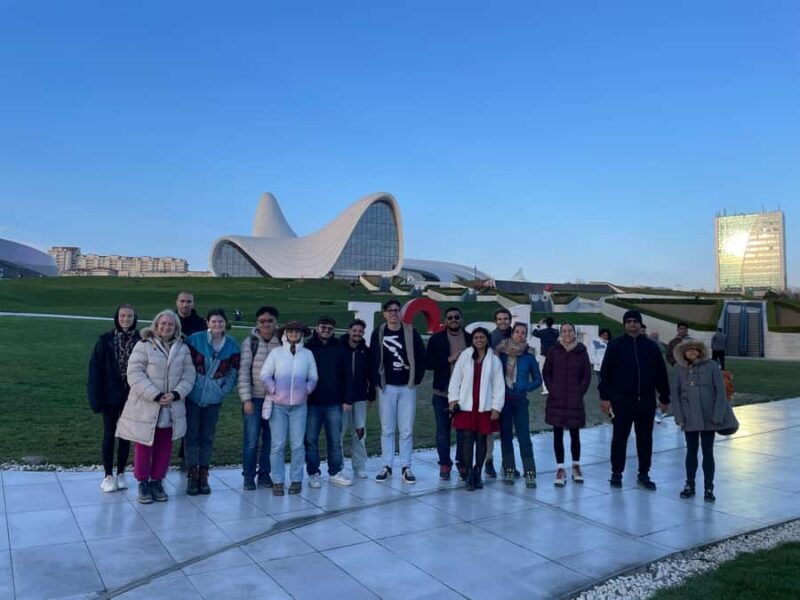
The final major stop is the Heydar Aliyev Center, designed by Zaha Hadid. Its smooth, flowing exterior is a sharp change from Gobustan’s rough stone and the old fire sites. The tour allows about 20 minutes for a guided photo stop, including time near the I LOVE BAKU sign.
This is not a full visit to the cultural center or its exhibitions. Think of it as a chance to admire the building from outside and take pictures. If you want to see what is inside, you will need to plan a separate visit rather than assume this short stop covers it.
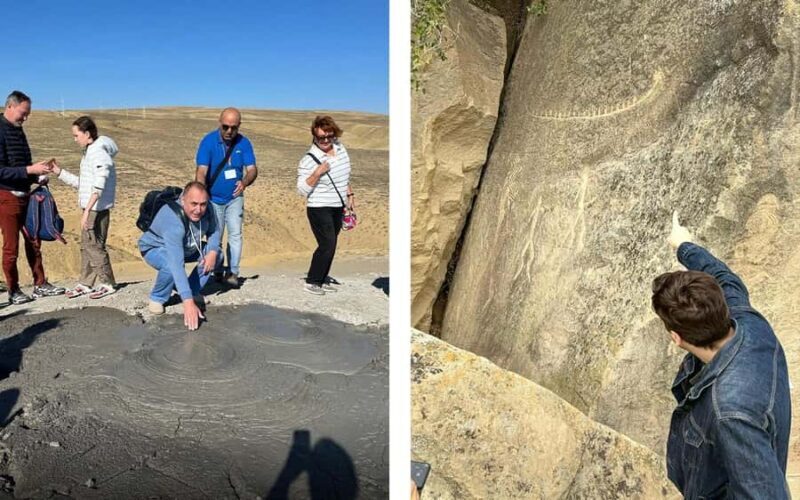
The tour works best when the guide makes the transitions count. Names praised by visitors include Raza, Murad, Adil and Sahil. They have been described as clear in English, helpful with questions and good at balancing historical detail with humor. That matters on a day with many transfers: a lively explanation can turn a string of stops into a story about Azerbaijan’s ancient beliefs, oil wealth and modern identity.
The tour is offered in English, Russian and Turkish. Transportation includes a coach or bus between sites and a separate special vehicle for the mud volcano section if your option includes it. The exact group size is not stated, and the experience may feel more like a shared group outing than a private tour. A microphone could help when it is windy or when people are spread out, so stay near the guide during outdoor explanations.
At $14 per person, the starting price looks unusually low for a full day with hotel pickup, a guide and transport. But the value depends on what your selected option includes. Lunch, tickets and the off-road ride may be add-ons, so compare the final package price rather than judging by the headline figure.
If you want to cover a wide area without arranging several separate rides, the tour can be a strong value even when you choose a more inclusive option. It combines remote sites that are awkward to reach independently with a guide who can explain what you are seeing. The trade-off is time: the day gives you breadth, not an unhurried visit at each place.
Free cancellation up to 24 hours in advance and a reserve-now, pay-later option are available. Alcohol and drugs are not allowed on the tour. Those are useful practical points, but the key booking decision is still the package selection. Confirm the mud-volcano vehicle, entry tickets and lunch rather than assuming they are all covered.
I would choose this tour if you have limited time in Baku and want a broad introduction to the peninsula’s ancient sites, fire traditions and geology. It suits first-time visitors who value a guide and prefer transport arranged for them, and it can work well for solo visitors who would rather join a group than organize the route alone.
Families can also make it work, though the long day and later lunch timing are worth planning around. Take water and snacks for children, and prepare for wind or cold in winter. The outdoor stops are a big part of the day, so suitable clothing will help you enjoy them instead of rushing back to the vehicle.
Skip it if you prefer long visits, quiet independent exploration or a carefully paced day with plenty of time at museums. And if your main interest is one specific site, such as the Heydar Aliyev Center, a short photo stop may not be enough.
My call: book if you want to see a lot of Absheron in one day and are comfortable with a brisk schedule. Before you do, check exactly which inclusions your option covers. That small step can prevent the low starting price from turning into a surprise at the sites.
“Raza was such an amazing tour guide – really informative and funny too. He gave us a great tour and made sure our experience was memorable. Thank y…”
The tour lasts about 7 to 8 hours. The timing includes pickup, travel between stops and the return to a Baku drop-off point.
The live guide is available in English, Russian and Turkish.
Pickup options include Nizami Street, Sahil and Nizami metro stations, Icherisheher Tourism Information Center, several hotels and other listed Baku locations. The guide sends the specific pickup details the evening before.
Lunch is included only if you choose an option that includes it. The meal is described as Azerbaijani national cuisine, with about 30 minutes set aside.
Entry tickets depend on the option selected. Check the package details before booking, especially for the Fire Temple and other ticketed stops.
The off-road vehicle is included only with the applicable option. A special vehicle is needed because of the road conditions.
The route includes Gobustan Rock Art Cultural Landscape, the mud volcanoes, Bibi-Heybat Mosque, the first oil well site, Yanardag, Ateshgah Fire Temple and the Heydar Aliyev Center.
You can cancel up to 24 hours before the tour for a full refund.
The guide is expected to contact you around 8 p.m. the day before with full pickup details. Provide a WhatsApp number if available; otherwise, details are sent by email.
You can check availability for your dates here: