Physical Address
304 North Cardinal St.
Dorchester Center, MA 02124
Physical Address
304 North Cardinal St.
Dorchester Center, MA 02124

Review Mitai Māori Village in Rotorua: waka welcome, cultural performance, glowworm walk and hāngī buffet, with practical tips on timing and value.
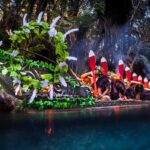
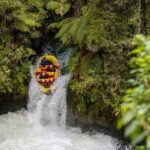
At Mitai Māori Village, the evening begins with a striking sight: warriors paddling a traditional waka down the Wai-o-Whiro stream as songs and stories introduce Māori heritage. It is a cultural evening built around live performance, shared food and a walk through the surrounding bush, rather than a museum visit.
I like that the program connects its parts: the waka welcome, the songs and dance, and the hāngī all help explain Māori traditions in a social setting. I also like that the forest walk adds a quieter change of pace, with a fortified pā and the chance to see glowworms.
One thing to weigh is the cost, from $101.25, especially if you are mainly coming for dinner or expect a large choice of dishes. The event runs for about 2 to 3 hours, and parts of it take place outside at night, so warm clothes and comfortable shoes matter.
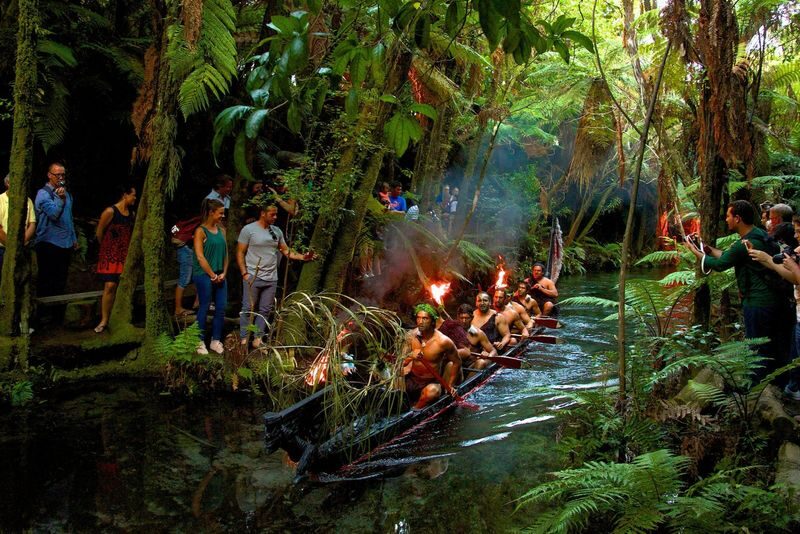
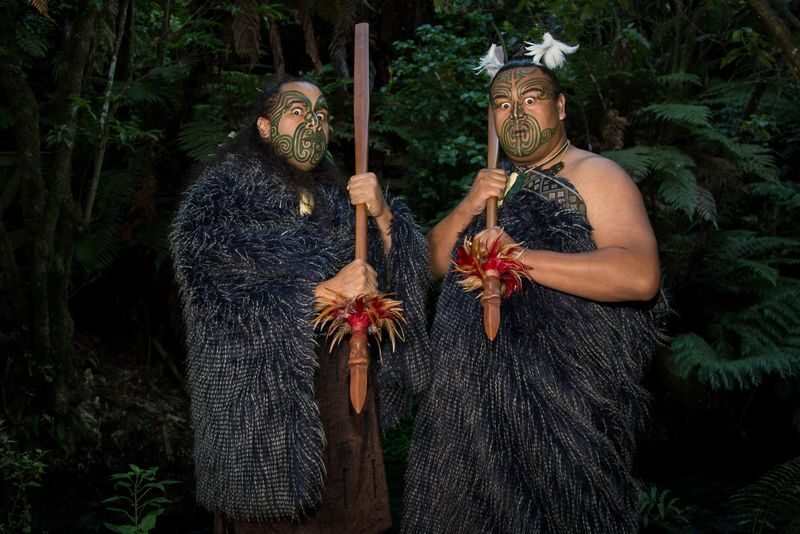
The most theatrical part of the evening is the arrival of warriors in a waka, or traditional canoe, on the Wai-o-Whiro stream. The dark water and forest setting give the scene a strong sense of place, while the songs and narration connect the display to the area’s heritage.
This is not simply a boat ride. The welcome gives you a first look at Māori traditions and prepares you for the performance that follows. If you want to see the waka clearly, one visitor tip is to sit near the front for the show. Seating arrangements can be a little less comfortable than ideal, so arriving promptly and following staff directions to your table may help you settle in.
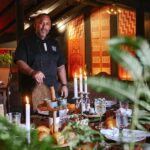
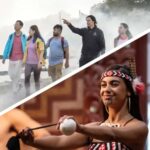
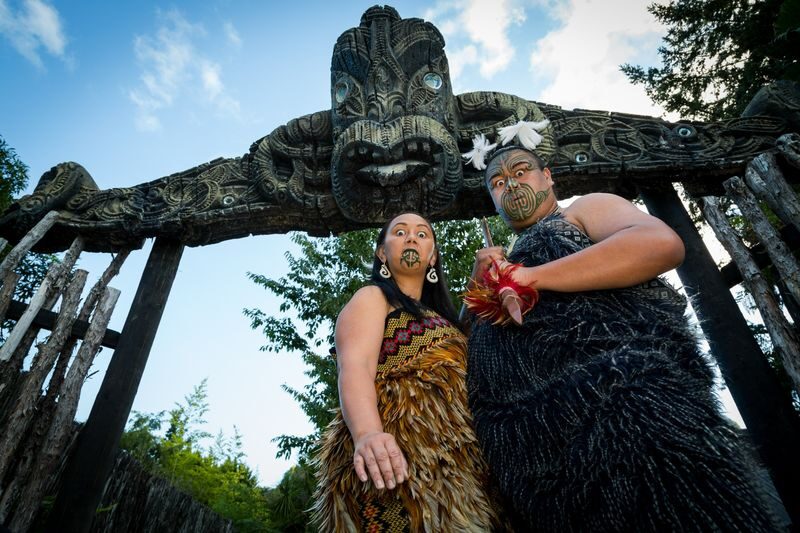
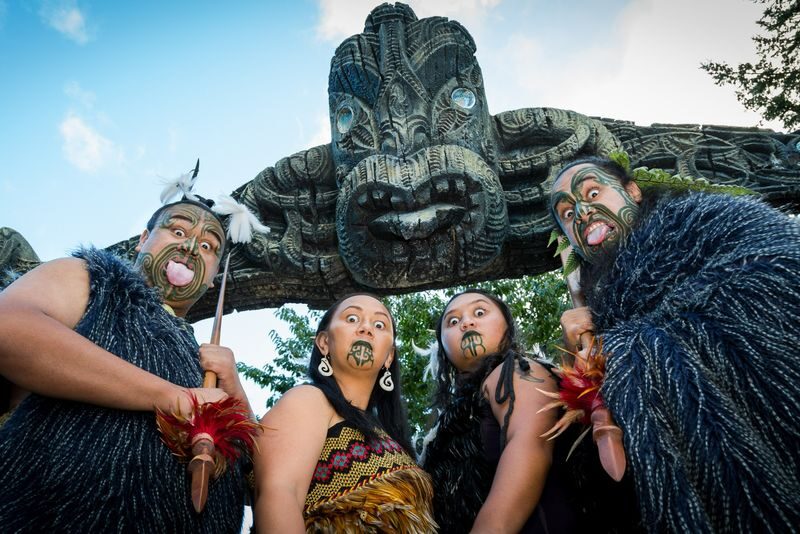
The evening is hosted by the Mitai whānau, and the family-run character is part of the appeal. The introductions and explanations give the performances context, so you are not left trying to guess what a gesture, song or tradition means. The program includes a welcoming ceremony and a cultural performance, with songs, dance and demonstrations of traditional fighting arts.
The tone aims to be welcoming and educational, not just a succession of stage acts. If you are interested in Māori culture, listen closely to the explanations and save a question for the Q&A. The session can add useful context, but it also takes time. If you prefer a fast-moving show with little talking, the explanatory parts may feel long.
Looking for more options in Rotorua? Here are some other experiences worth considering.
The cultural presentation is one of the main reasons to book. The waka scene, haka, song and dance offer a lively introduction to traditions, while the host’s explanations help connect what you see with Māori history and daily life. Families with children may find this mix easier to follow than a talk alone; the activity is suitable for children, and those aged 0 to 4 can attend free, though they must still be included in the passenger headcount.
The performance is designed for a group, so expect a shared event rather than a private lesson. The venue has to manage a room of people moving between the show, dinner and other activities. That scale can make the program efficient, but it can also mean that seating and meal service do not feel equally personal at every moment.
English-language explanations are part of the evening. If you follow English comfortably, the Q&A is a worthwhile part of the visit: you can ask directly about what you have seen, or learn from other people’s questions. If you are less confident in English, you can still take in the visual parts, but you may get less from the spoken context.
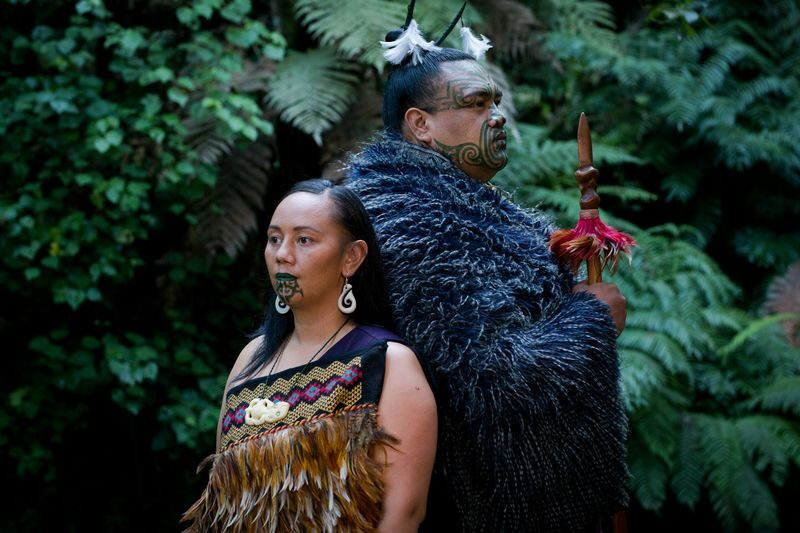
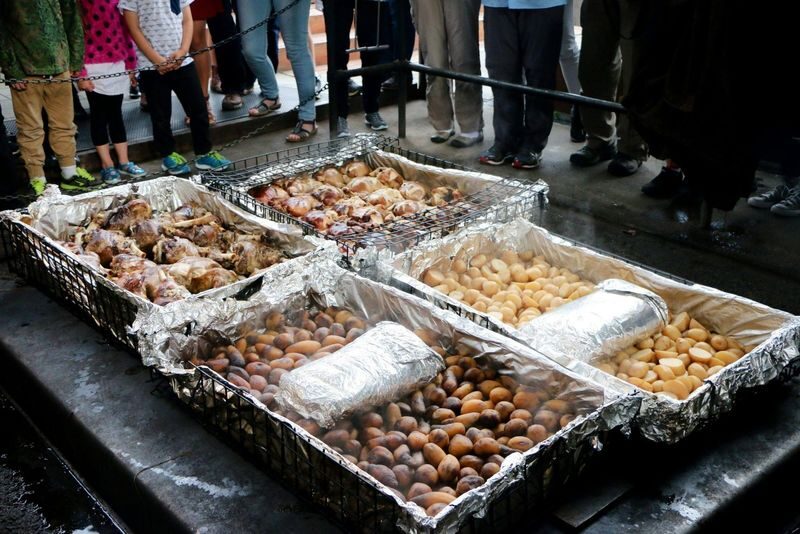
The hāngī is more than a buffet dinner. Food is placed on hot stones in an earth oven dug roughly 1 to 2 metres deep, then covered and slow-cooked for 3 to 4 hours. That cooking method gives the meal its earthy character and makes the unveiling of the hāngī an important part of the evening.
Expect a buffet that centers on meat and chicken, with kumara and other dishes. Some people find the meal delicious and generous; others feel the selection is limited or that it does not suit them if they are not keen on meat. It is sensible to book for the cultural program as a whole, with dinner as a substantial part of it, rather than treating the price as a restaurant bill for a wide-ranging menu.
The venue says it can cater for vegetarian, vegan and gluten-free needs, and all meats are halal. If you have a dietary requirement, make sure it is noted when you book rather than assuming the buffet will have a particular dish. Drinks are not included in the dinner, though a bar is available on site. You cannot bring alcoholic drinks onto the premises or take them away.
A practical wrinkle is the buffet call-up. Dinner is served to seated groups, and you may not all go up at once. If you have young children or someone in your party needs extra time, ask staff how the serving order works. The food may not be replenished in the way you expect, so it is worth taking a sensible portion when your turn comes.
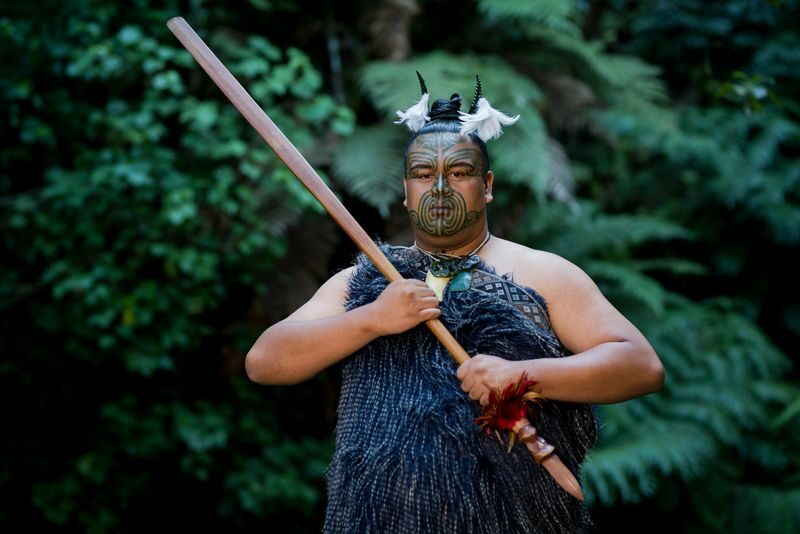
After the indoor program and meal, the evening includes a walk through the bush. You visit a traditional fortified pā by the stream and hear about older ways of living and surviving. This gives the cultural evening a physical setting: the forest and water are not just scenery, but part of the place being explained.
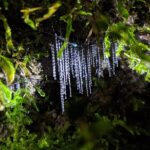
The walk also includes Te Puna Tapu o Tuhoe, a natural spring, and a chance to see glowworms lighting the forest. The glowworms can be a lovely finish, but do not make them the sole reason for booking. Sightings are not guaranteed, and one visitor left without seeing them. Even without a strong glowworm display, the walk and the pā add another dimension to the evening.
Wear shoes that are comfortable on a bush walk, and dress for the season. Winter evenings call for warm layers; in summer, bring a hat for the earlier part of the day, and take a jacket if rain is possible. Umbrellas are provided when it rains, but the walk is still outdoors. Wheelchair access has limitations on the forest section, so check the venue’s official accessibility information if this matters for your party.
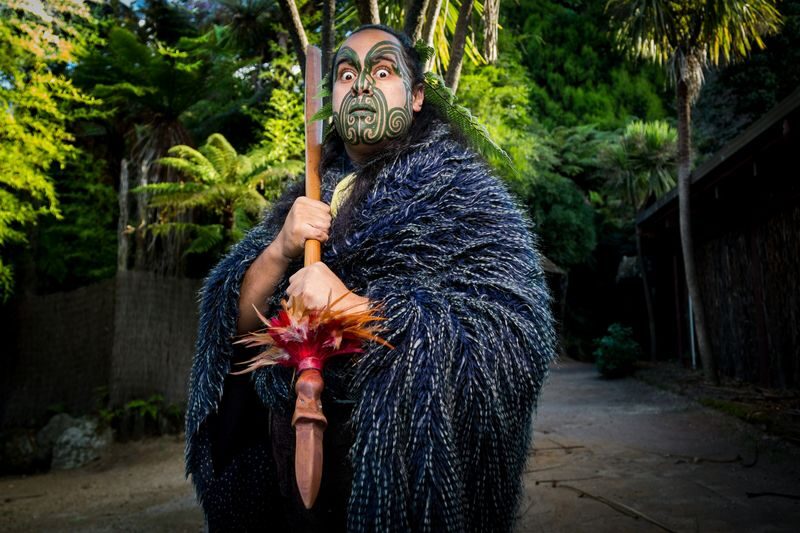
The stated duration is 2 to 3 hours. The winter schedule runs from 6 pm to 9 pm, though start times can vary by season and booking. Treat this as an evening commitment, not a quick dinner stop. The program moves through welcome, performance, dinner, questions and the outdoor walk, and the explanations can add time.
The listed price starts at $101.25. That buys a hosted cultural program, the hāngī buffet and the walk, not just a meal or show ticket. For someone who wants an introduction to Māori culture in a single Rotorua evening, the combined format can be good value. If you only want dinner, or have little interest in the cultural explanations and performances, the price may feel steep.
The self-drive package meets at 196 Fairy Springs Road, Fairy Springs, Rotorua. If driving, arrive 20 minutes before the show begins. Transport is not included in this package, but a separate option with pickup is offered. If you choose pickup, double-check the exact time and location in your booking details, since transport arrangements can differ from the self-drive plan.
You enter directly with a mobile voucher, and it is valid only for the selected date and time. Children aged 0 to 4 can join at no charge, while those aged 16 and over pay the adult rate. Highchairs are available in limited numbers, so request one ahead of time if you need it.
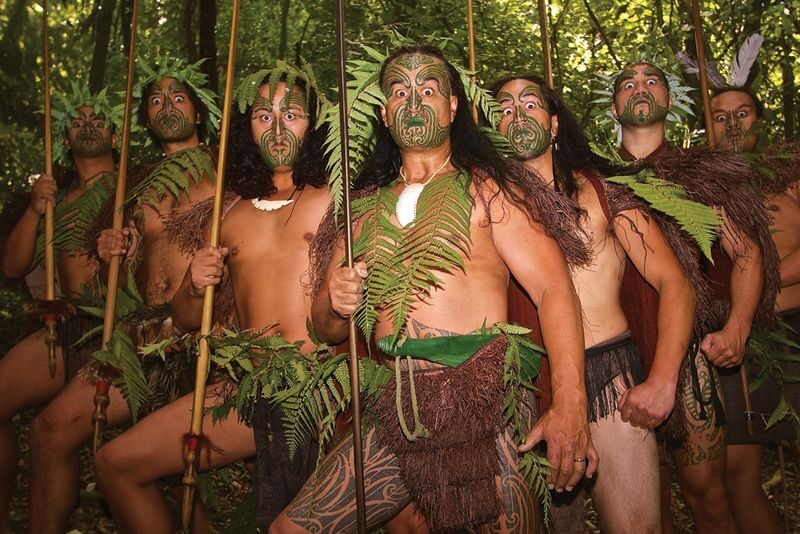
I would put Mitai high on the list if you want a cultural evening that combines performance, food and a sense of place. It suits first-time visitors to Rotorua, families with school-age children, and anyone curious about Māori traditions who appreciates explanations along with the show.
It may be less satisfying if you want a small-group encounter, a short performance with no pauses, or a dinner with an expansive menu. The evening has several components, and the Q&A and walk take time. The buffet is a central part of the package, but it is not a fine-dining meal, and the menu is not designed around broad variety.
For a family, the mix is a plus: the waka arrival and performance give children something visual to follow, while the dinner provides a break before the walk. For older visitors or anyone with mobility needs, plan carefully around the forest path and check access details before booking. The walk is one of the more distinctive parts, but not everyone will be able to take part in it fully.
Book it if you want a guided introduction to Māori culture in Rotorua, with a traditional waka welcome, performance, hāngī meal and bush walk all in one evening. The strongest reason to go is the combination: the food and show are tied to explanations and a specific local setting, rather than presented as unrelated attractions.
Pause before booking if the price is your main concern, if a broad dinner menu is essential, or if you need step-free access throughout. Go with warm clothes, comfortable walking shoes and an interest in listening as well as watching. That is the best way to make the most of the evening.
“If you want to learn about Maori culture, you should attend. The food is good, and the performances and explanations are wonderful.”
The experience lasts about 2 to 3 hours. The winter schedule is listed as 6 pm to 9 pm.
The meeting point is 196 Fairy Springs Road, Fairy Springs, Rotorua 3015, New Zealand.
Transport is not included in the self-drive package. A separate package option with pickup is available.
The buffet includes food such as meat, chicken and kumara, cooked in an earth oven. Vegetarian, vegan and gluten-free options are available, and all meats are halal.
Yes. Children aged 0 to 4 can attend free, but infants and children must be included in the passenger headcount. Children aged 16 and over pay the adult rate.
The walk includes a chance to see glowworms, but a sighting is not guaranteed.
Wear comfortable shoes for the bush walk and dress for the weather. Warm clothing is advised in winter, and take a jacket if rain is possible. Umbrellas are provided when it rains.