Physical Address
304 North Cardinal St.
Dorchester Center, MA 02124
Physical Address
304 North Cardinal St.
Dorchester Center, MA 02124

Compare Te Puia’s geyser, Māori arts, kiwi centre and cultural experiences, with practical advice on tours, timing, transport and value in Rotorua.
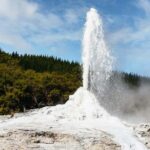
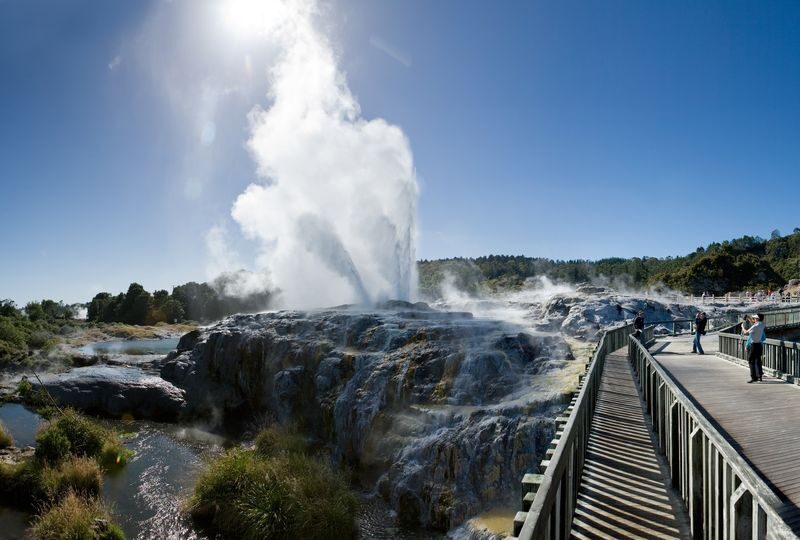
Pohutu Geyser can send a column of hot water skyward, while steam drifts over mud pools and paths. Te Puia brings this geothermal spectacle together with a Māori carving and weaving school and a chance to see a kiwi in a protected nocturnal enclosure.
I like the guide-led route, which gives the valley and its cultural sites useful context, and the chance to see students practising traditional arts at the Māori Arts and Crafts Institute. The haka performance is a worthwhile add-on if you want more than a scenic walk.
The main consideration is that the basic guided tour does not include the performance or a meal, and kiwi sightings are not guaranteed. Choose your package carefully, since the options differ in length and what they include.
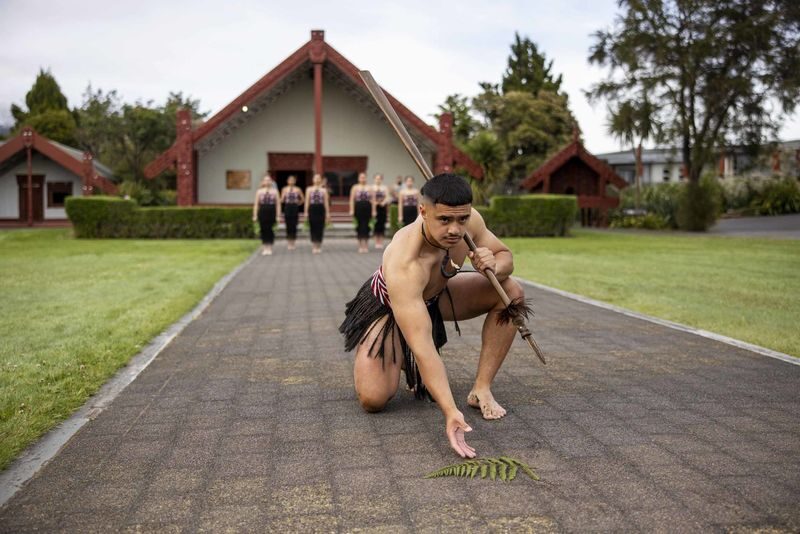
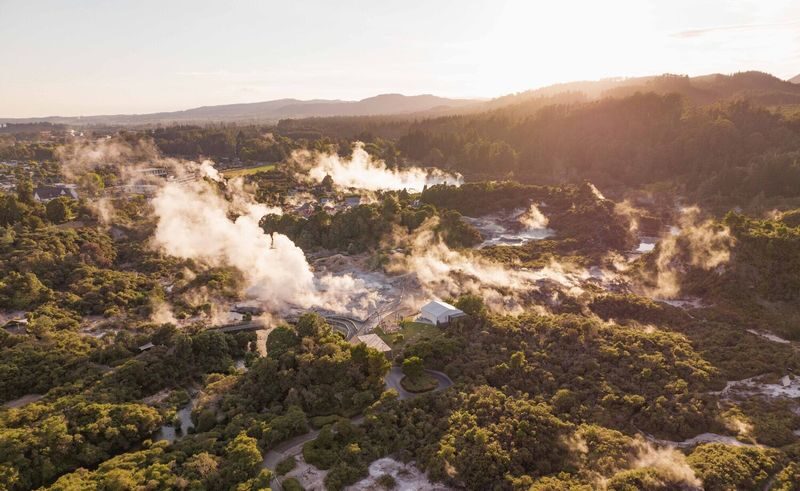
Te Puia sits in Te Whakarewarewa Geothermal Valley, a place where the ground is active and Māori culture is not presented as a separate, distant exhibit. The visit joins geothermal features with a working arts institute and a conservation centre. That mix is its strength: you can see the steam and geyser, then learn about traditions and work that remain part of life here.
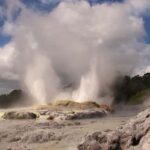
The star natural feature is Pohutu Geyser, described as the largest active geyser in the Southern Hemisphere. The valley also has bubbling mud pools and clouds of steam. An eruption is an impressive sight, but it is not something to schedule to the minute. One account describes seeing three eruptions during a tour; others did not catch an eruption during their visit. Treat a spout as a possible highlight, not a timed guarantee.
Te Puia works well as a half-day outing. The standard Te Ra tour lasts 90 minutes, though you may want extra time to revisit exhibits or walk around on your own afterward. The longer choices add a cultural performance, food or a night-time experience, so check the package details before booking.
You might also be interested in these Rotorua experiences
The standard Te Ra Guided Experience is a guided walk through the geothermal valley, the Kiwi Conservation Centre and the New Zealand Māori Arts and Crafts Institute. Admission also covers Ahua Gallery and Rotowhio Pa. An English-speaking guide leads the 90-minute tour, connecting the sites with explanations of Māori culture and geothermal activity.
The guide is a real asset here. The route packs several very different places into a short visit, and good commentary helps make the transitions meaningful rather than rushed. The tour has been praised for lively, detailed explanations, with one guide remembered for witty commentary. Specific guide names are not supplied, so you cannot request a particular person.
Expect a steady flow of information. Some people may want to pause longer at the displays than the guided schedule allows. If you have time, use the chance to explore independently after the tour and read what you missed. One visitor found there was more exhibit text than they could get through during the guided portion, then appreciated being able to look around afterward.
The walk’s appeal is its range: natural activity, Māori arts, conservation and, depending on your package, performance. If your main interest is only geothermal scenery, the explanations and cultural stops may feel like a lot. If you want context alongside the views, the guide-led format earns its place.
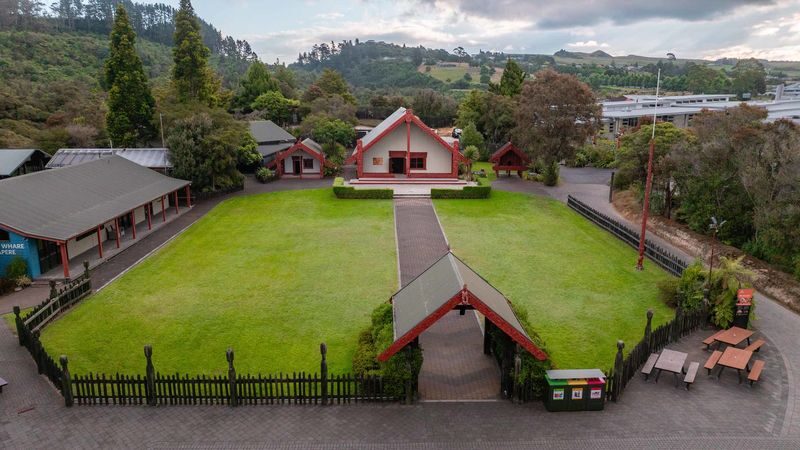
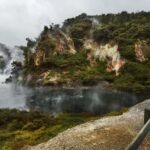
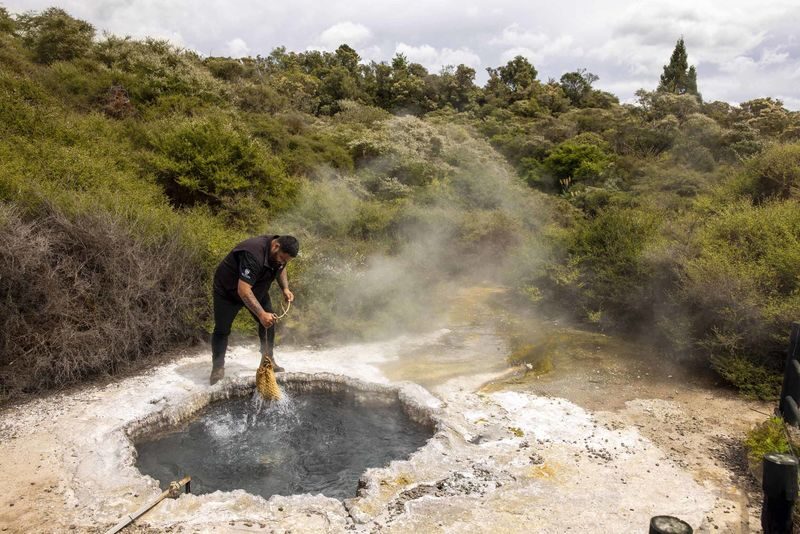
The geothermal section is the visual centrepiece. Pohutu is the biggest draw, but the bubbling mud pools and steam-filled valley make the walk worthwhile even when the geyser is quiet. The setting is active and changeable, so the experience depends partly on what the ground is doing during your visit.
Bring a rain layer if the forecast calls for wet weather. The paths and open geothermal areas are exposed to the elements, and rain can make the outing less comfortable, though it does not remove the valley’s features. Take your time around the viewing areas, follow the guide’s instructions and avoid treating the geyser as a guaranteed show at a fixed hour.
Compared with Wai-O-Tapu, one visitor felt Te Puia was smaller and less natural in feel. That is a useful distinction, not a reason to skip it: Te Puia’s draw is the combination of the geyser, cultural centre and kiwi facility. If you are choosing just one geothermal stop, consider whether you want a broader cultural visit or a more scenery-focused outing.
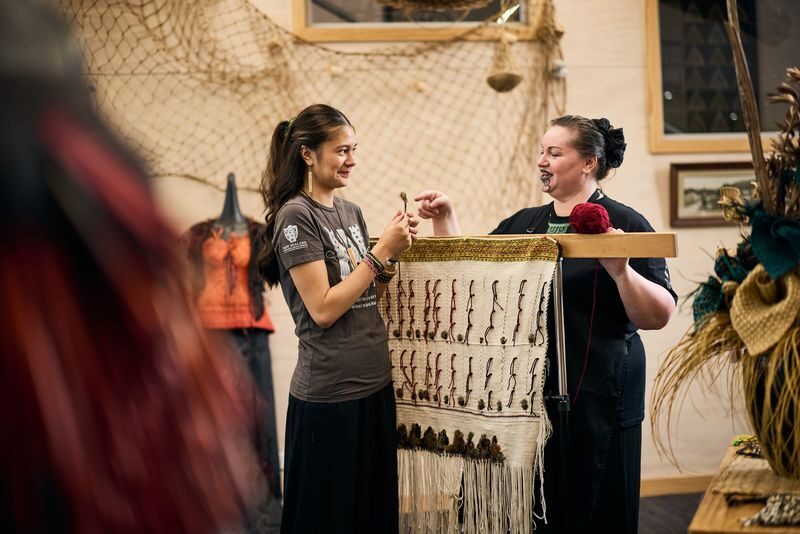
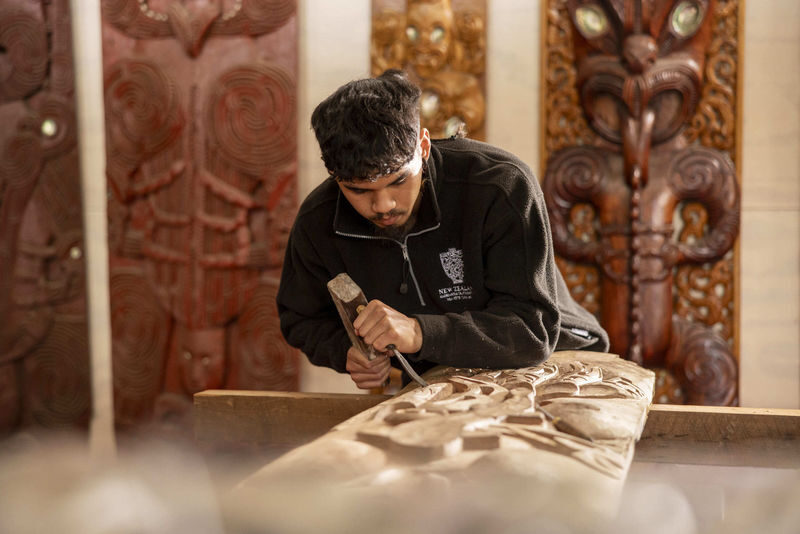
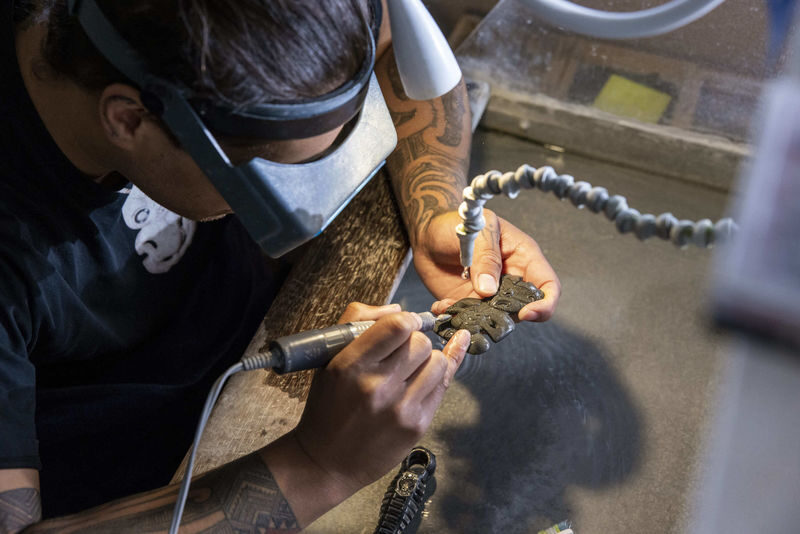
The New Zealand Māori Arts and Crafts Institute gives the visit a human focus. You can watch students learning weaving and carving in wood, stone and bone. Rather than seeing finished objects alone, you get a glimpse of the teaching and practice behind them.
This is one of the parts I would not hurry through. The institute is a cultural centre of excellence dedicated to encouraging and promoting Māori arts, crafts and culture. The work makes more sense when you can see the skills being learned, and the guide’s explanations help place the craft in context.
The visit may be less compelling if you have little interest in Māori life or craft traditions. That is worth being honest about: Te Puia is not simply a geyser lookout with a quick cultural add-on. Its appeal depends on being open to both sides of the experience.
The Kiwi Conservation Centre offers a chance to see New Zealand’s national bird in a purpose-built nocturnal enclosure. The setting is designed around kiwi protection, so it is dark. That is sensible for the animal, though it can make the viewing challenging for people.
Some visitors have seen several kiwis, including young birds, and found them larger than expected. Others have struggled to see one clearly. Your view depends on the bird’s activity and where it is in the enclosure, so go in with patience and modest expectations rather than treating a close sighting as certain.
The kiwi stop adds a different kind of value to the tour. It brings conservation into a visit otherwise centred on geothermal activity and cultural practice. If you do spot a kiwi, take your time and follow the enclosure’s rules; if you do not, the guided tour still has plenty to offer.
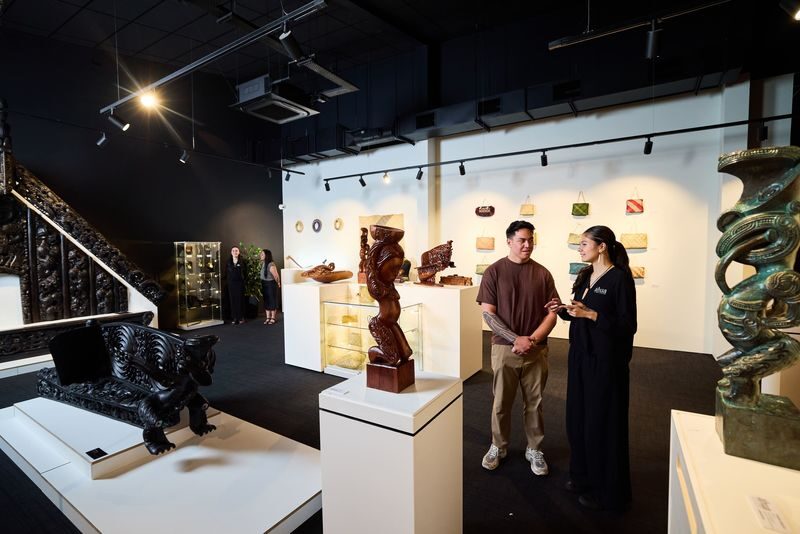
The simplest option is Te Ra, the 90-minute guided experience. Te Ra with Haka adds a 30-minute cultural performance in a carved meeting house. If the performance matters to you, confirm that it is part of the option you select. The standard Te Ra package does not include it.
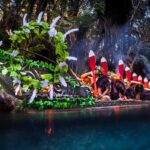
The performance is often a highlight for people who choose it. Song and dance take place in an intricately carved meeting house, offering a closer look at Māori performance traditions than the daytime walk alone. It adds about half an hour, and the package information describes the show as a separate experience after the guided tour.
For a longer daytime option, Tuku Iho Trail is a premium 2-hour-15-minute guided experience. It includes the geothermal valley, a hot-pool stop with a sweetcorn tasting, the kiwi centre, the arts institute and a 30-minute cultural performance. It is a fuller choice if you want more time and a tasting as part of the route.
Te Po is the evening experience, centred on a hangi buffet dinner and cultural performance, with valley views. The combo adds a 90-minute guided tour before dinner and the show. Reports describe a generous buffet with a range of hot food, salads and desserts; some specifically praise seafood dishes. The evening combo can last several hours, so allow a substantial part of your day for it.
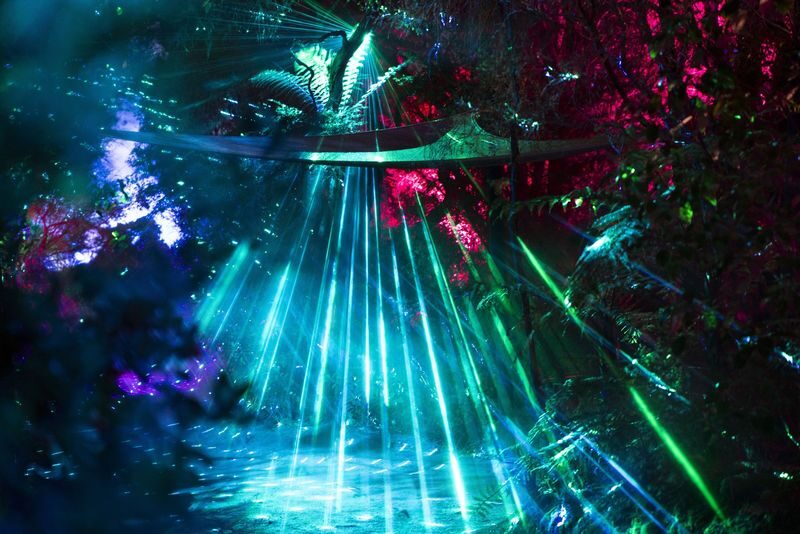
Marama: Geyser Light Trail is a hosted night-time walk that uses coloured light to bring paths, geysers and the valley into view. It offers a different way to see Te Puia, but its value depends on how much you want a night-time light experience. It is a separate option, not a substitute for assuming the standard daytime tour includes the trail.
The advertised starting price is US$30.65, while the Te Ra Guided Experience is separately listed from US$53.75. Prices vary by package, so compare what is included rather than judging by the lowest starting figure. A guided walk, performance, dinner and light trail are different products, and a lower price may not cover the add-ons you want.
At the higher end, the guided tour with haka is easier to justify if you want both the valley and a cultural performance. Te Po costs more in time as well as money, but combines the tour, dinner and show into a single evening plan. If you only want to see geothermal features, the basic guided experience may be enough.
Te Puia is at Hemo Road, Tihiotonga, about 2.5 kilometres from central Rotorua. Rotorua City Ride’s Route 2 runs from the CBD to Te Puia. Transport is not included in the ticket. The site is open daily from 8:45 a.m. to 5 p.m., with last entry at 4 p.m.; arrive 15 minutes before your scheduled activity time.
The voucher is for the selected date and, where applicable, time. Present the mobile voucher and exchange it for a physical ticket. Children aged four and under can enter free, while those aged 16 and over pay the adult rate. The site is listed as stroller- and wheelchair-accessible. Free cancellation is available with at least 24 hours’ notice, subject to the stated conditions.
Te Puia suits you if you want a guided introduction to Rotorua’s geothermal features and Māori culture in one visit. It works well for families, couples and first-time visitors who value explanation as much as scenery. The 90-minute tour also fits neatly into a half-day plan, particularly if you have other Rotorua stops on your schedule.
Choose the haka option if performance is important to you, or the Te Po combo if you want dinner and an evening show as well as the guided route. If your priority is a kiwi sighting, remember that the enclosure is dark and sightings are not assured. If you are chiefly seeking a long, open-ended geothermal walk, compare other Rotorua attractions before deciding.
I would book Te Puia if you want more than a geyser photograph. Its best value lies in the combination of Pohutu, Māori arts and a guide who links the places together. Pick the package by its actual contents: Te Ra for a focused visit, Te Ra with Haka for the performance, or Te Po if dinner and an evening outing appeal. If you are unsure about the extra cost, start with the basic tour and keep your expectations flexible around geyser activity and kiwi sightings.
“Those who love indigenous culture should definitely visit, especially in the spring weather-it is very warm and awe-inspiring.”
The Te Ra Guided Experience lasts 90 minutes. Tuku Iho Trail takes 2 hours and 15 minutes, while the haka and evening options add further time. The Te Po combo includes a 90-minute guided tour, dinner and a performance.
It includes admission to the Kiwi Conservation Centre, New Zealand Māori Arts and Crafts Institute, Ahua Gallery, Rotowhio Pa and Te Whakarewarewa Geothermal Valley, plus a 90-minute guided tour in English.
No. The Te Ra Guided Experience with Haka is a separate option and adds a 30-minute cultural performance.
You can see Pohutu Geyser, but an eruption during your visit is not guaranteed. The supplied information does not promise a set eruption time.
No. The kiwi enclosure is purpose-built and nocturnal, and the birds may be difficult to see in the dark.
Te Puia is about 2.5 kilometres from central Rotorua. Rotorua City Ride’s Route 2 runs from the CBD to the site. Transport is not included in the ticket.
It is open daily from 8:45 a.m. to 5 p.m., with last entry at 4 p.m. The activity information advises arriving 15 minutes before your scheduled time.