Physical Address
304 North Cardinal St.
Dorchester Center, MA 02124
Physical Address
304 North Cardinal St.
Dorchester Center, MA 02124

Compare Yufuin’s retro train, Beppu’s steaming hot springs, and a frog-filled temple on a guided Kyushu day trip from Fukuoka.
Yufuin’s green, wood-trimmed Yufuin no Mori train and Beppu’s steaming hot springs make an unusually varied day out from Fukuoka. One minute you’re wandering a small resort town; later, you’re watching geothermal water steam in the open air.
I like two things in particular: the choice of distinct routes, which lets you choose between a scenic train and Dazaifu or a temple and extra Beppu sights, and the long free-exploration stop in Yufuin. Guides including Eiichi, Li Jing, Daisy, and Carson have also been praised for practical food tips and attentive help.
The trade-off is a packed day with a long drive and limited time at each stop. The train, temple, and Dazaifu are not all part of the same route, so check the package details carefully before booking.
The title can make this sound like one itinerary that includes everything. It doesn’t. Route A is the railway and Dazaifu option, while Route B is the temple and Beppu sights option. Both visit Yufuin and Umi Jigoku, but the extra stops differ.
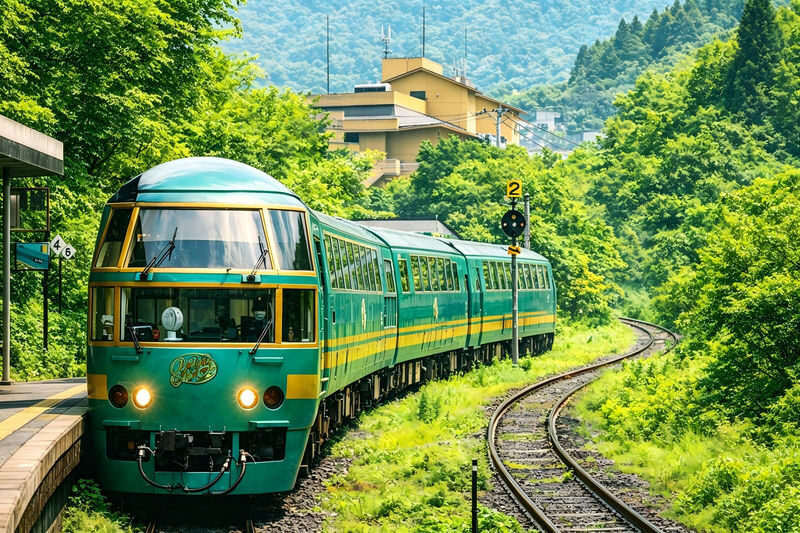
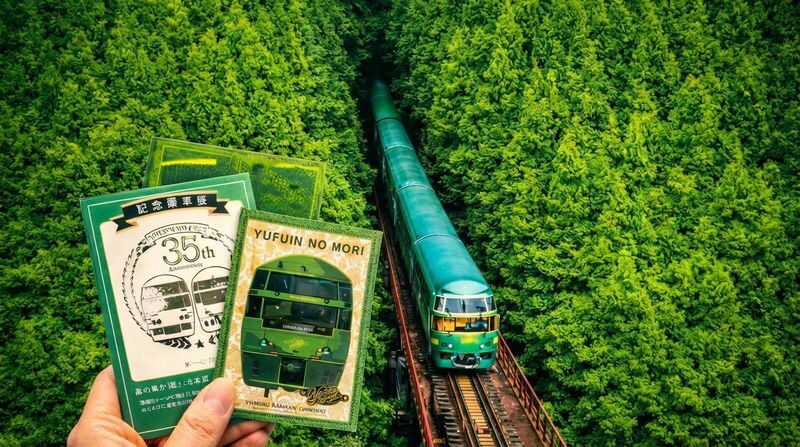
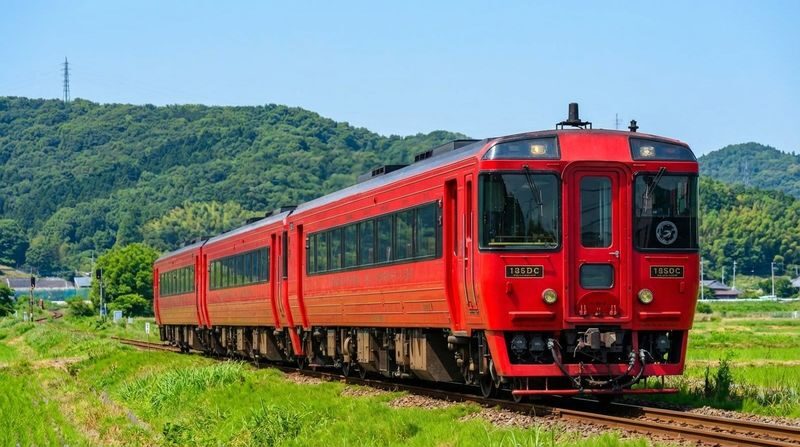
Choose Route A if the train ride is the main reason you’re considering the trip. Yufuin no Mori is a sightseeing train, with a dark green exterior and a warm, wood-lined interior. The included stretch from Yufuin to Oita gives you a window-seat view of the countryside without the work of arranging a separate rail booking.
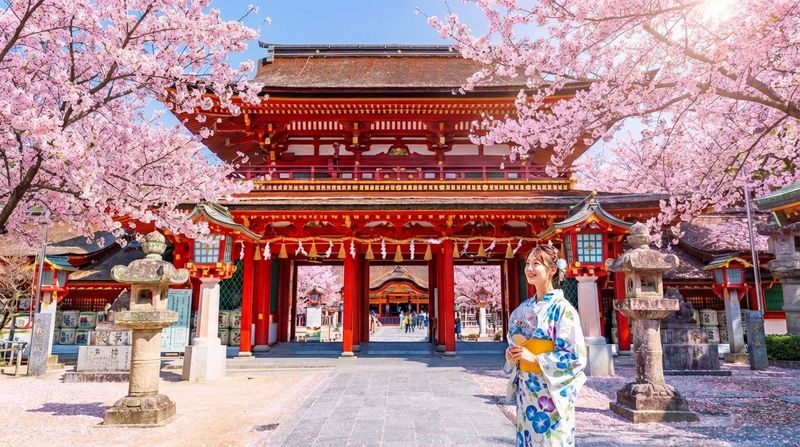
Route A also includes Dazaifu, the head shrine associated with Japan’s god of learning. You’ll have about an hour there to see its traditional architecture, make a prayer, or try the local Umegae Mochi. It is a good fit if you want a cultural stop as well as scenery, though an hour is brief for exploring the shrine area at a leisurely pace.
Choose Route B if the frog-covered temple and Beppu’s volcanic sights sound more appealing. The listed stops include Nyoirin-ji Temple, Mount Yufu’s trailhead, Yufuin, Kinrin Lake, Umi Jigoku, and Kamado Jigoku. It does not include the Yufuin no Mori train or Dazaifu.
There is also a Cantonese-guide package, but check its precise route before paying. The available package names and route descriptions are not perfectly consistent, so use the selected package’s stop list as your guide, not just the tour title.
The tour runs roughly from 8:30 a.m. to 6:30 p.m., with round-trip transport from the Fukuoka meeting point. For a day that covers Yufuin and Beppu, riding with a driver and guide is a practical alternative to arranging several connections yourself. You can leave the driving and navigation to the operator and save your attention for the stops.
This is a shared tour, and the vehicle depends on group size. Seats are allocated on a first-come basis, and a smaller group may have a driver who also serves as the attendant, with briefer commentary. Specific vehicles and seating requests are not guaranteed.
The guide can make the bus time more useful. Past guides named Eiichi, Li Jing, Daisy, and Carson have been singled out for clear explanations, local food suggestions, and help with practical details such as routes around the stops. Those individuals are not guaranteed on your departure, but a guide who gives good orientation can help you use short visits well.
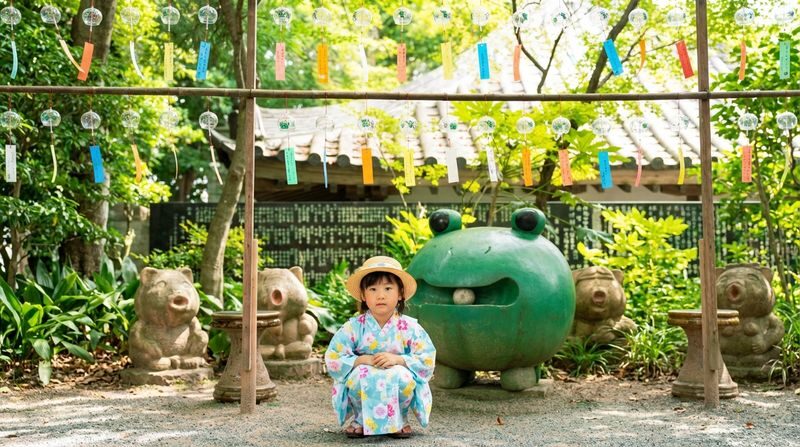
On Route B, Nyoirin-ji Temple, often called Frog Temple, offers a different mood from the hot spring sites. Its grounds are decorated with thousands of frog figures, each with its own expression. Frogs carry the idea of a safe return, giving the displays a local symbolic meaning as well as a whimsical look.
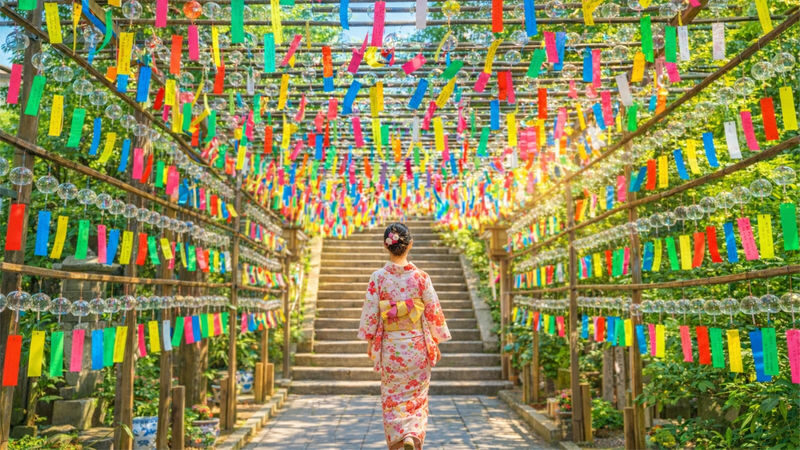
The scheduled visit is about 40 minutes, and you explore independently. From April 1 through September 30, the temple is also decorated with wish-bearing wind chimes. Their colorful paper strips move in the breeze, adding a seasonal touch to the grounds.
This is a compact stop, not a long temple visit. If you like browsing details and taking photos, the frogs give you plenty to notice, but keep an eye on the time and meeting point. The tour’s short window means this is more of a focused visit than a chance to linger.
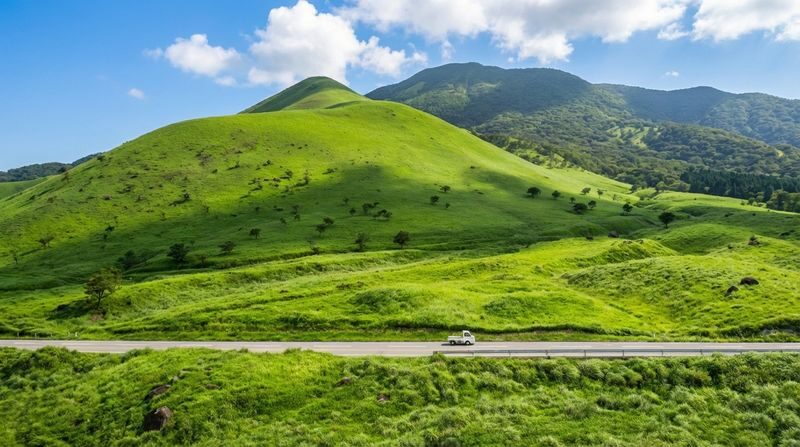
Mount Yufu rises to about 1,583 meters and is known for its near-conical form and the nickname Bungo Fuji. The tour’s stop at the trailhead is brief, listed at five minutes, so think of it as a photo or viewpoint pause rather than a hike.
The trail is described as gentle for beginners, with views toward the Kuju mountain range and Beppu Bay. But that does not mean the tour includes a climb. From June 1, traffic controls at the trailhead can require the group to view the area from the vehicle without getting out.
If walking the mountain path is important to you, confirm the day’s arrangements rather than assuming you’ll have time to hike. The route is built around several stops, and the Mount Yufu visit is one of the shortest.
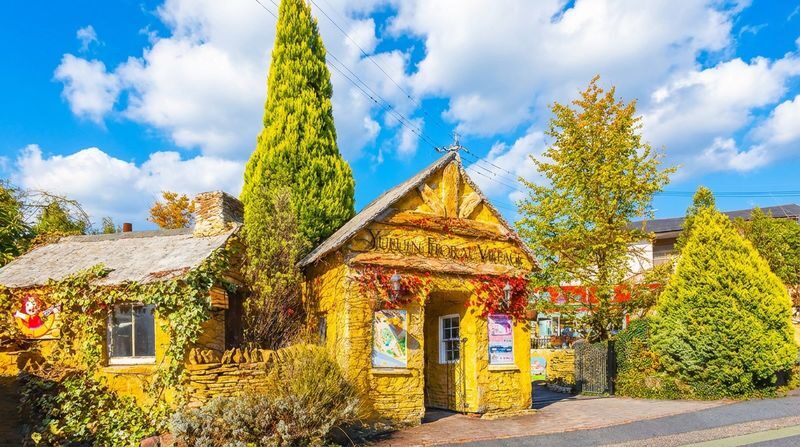
Yufuin is a hot spring town with a quieter, countryside feel than Fukuoka. Its main walking streets mix small shops, handmade goods, snacks, and sweets. You may want to try a B-speak Swiss roll or a milk dessert, both mentioned as local treats, but leave time to browse rather than turning the stop into a frantic shopping list.
Route B allows about two hours and 20 minutes in town, a generous stretch for a group day tour. You can wander Yunotsubo Street, visit shops, and make your way toward Kinrin Lake. The guide may provide maps, suggested routes, and food tips, which is useful when you need to choose what matters most to you.
Yufuin is also known for hot springs, but do not mistake free time in town for an included bath visit. The tour information does not promise an onsen session. If soaking is central to your plans, consider staying overnight or arranging a separate visit rather than expecting to fit a relaxed bath into this schedule.
On Route A, the train experience is part of the day’s plan, and Yufuin remains a central stop. The package descriptions give a 150-minute town visit for that route, though the actual sequence and timing can change. Either way, use your time for a walk, a snack, and a little unplanned browsing. That is more rewarding than trying to see every shop.
Kinrin Lake is a small, atmospheric stop near Yufuin, with local stories of dragons adding a touch of folklore. Its distinctive mist can form where warm spring water meets cooler water, making the lake especially striking in suitable conditions.
The stop is listed as 20 minutes, so keep expectations modest. You’ll have time for a short walk and a few photos, not a long lakeside visit. The mist depends on conditions, and the tour proceeds even if the view is less dramatic than you hoped.
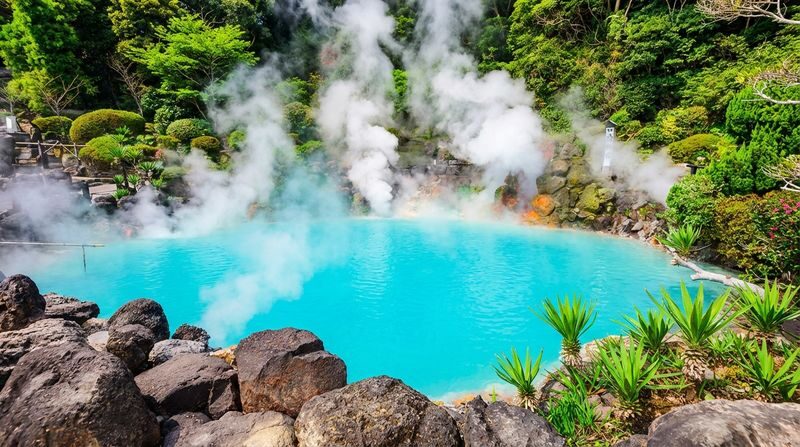
Umi Jigoku, or Sea Hell, is known for its deep cobalt-blue pool and rising steam. Mineral content gives the water its color, and the effect is most vivid in good light. At roughly 98°C, it is far too hot for bathing, but there is a free foot bath for a gentler taste of Beppu’s hot spring culture.
The visit is about 30 minutes. You can see the pool, watch the steam, and, if time allows, try a hot spring-steamed egg. Admission to Umi Jigoku, priced at 500 yen in the tour details, is included in the listed packages.
Route B also includes Kamado Jigoku, another 30-minute visit. It gathers six hot spring pools in one garden, with changing colors and sights such as bubbling mud and steam escaping from rocks. Its variety makes it a useful companion to Umi Jigoku: rather than seeing one famous pool and moving on, you get a compact survey of several geothermal displays.
The stops are visually memorable, but they are organized visitor sites rather than remote natural springs. If you expect a long soak or a quiet wilderness experience, this is not that. The value lies in seeing Beppu’s unusual hot spring geology without planning a separate local transport route.
The advertised price starts at $44.25, but the final value depends on the route and what is included in the fare you choose. Round-trip transport and a Chinese- or English-speaking guide are included. The Route B package described here includes admission to Umi Jigoku and Kamado Jigoku, listed at 500 yen each.
Meals, drinks, personal purchases, and insurance are not included. Budget separately for lunch and snacks, especially since Yufuin’s free time is a natural opportunity to try local sweets or browse for food. Bring a little flexibility: traffic or weather can change stop lengths and the order of visits.
For the train option, the included Yufuin-to-Oita ride is a particular draw. It saves you from having to coordinate that rail segment yourself and adds a transport experience that is part of the sightseeing, not merely a way to get from one stop to another. Check the Route A fare and inclusions carefully, since the package details vary.
Arrive at the meeting point 10 minutes early and look for the JRT tour guide flag. Departure information is sent between 5 p.m. and 9 p.m. the evening before; check your email and spam folder. The stated return point is Lawson Fukuoka Oriental Hotel, but the arrival time can shift with road conditions.
Wear comfortable walking shoes and bring clothing suited to the season. Warm layers are sensible in winter or for the mountain area. The vehicle does not allow eating and drinking, and you must arrange luggage in advance; unannounced luggage may be refused.
The tour may change or reduce stops because of traffic, weather, facility closures, or other conditions. Weekend and holiday traffic can be heavy, so avoid booking a tight onward connection or dinner reservation for the same evening. Carry a light snack and a power bank, as advised for peak travel periods.
Children aged three and up pay the adult rate. Children under two can join free if they do not need a seat, but you must add a note at booking. The tour does not include personal travel or accident insurance.
Book it if you want a convenient overview of Yufuin and Beppu without arranging transport between the towns yourself. Route A is the better choice for the Yufuin no Mori train and Dazaifu; Route B suits you if you prefer the frog temple, Mount Yufu, Kinrin Lake, and two Beppu hot spring sites.
Skip it if you want a slow day, a proper mountain hike, or a long onsen visit. The schedule covers a lot, but the short stops and road time are the price of seeing several places in one outing. Before booking, match the route name to its exact stop list and confirm which admissions are included. That one check will make the choice much easier.
“thank you for a comfortable trip to beppu.”
The tour runs for about 10 hours, with a listed schedule from 8:30 a.m. to 6:30 p.m. Traffic and weather can affect the return time.
It departs from a meeting point in Fukuoka. The exact meeting information is sent between 5 p.m. and 9 p.m. the day before departure.
No. Route A is the package that includes the Yufuin no Mori train experience. Route B lists temple, mountain, town, lake, and Beppu hot spring stops instead.
No. Dazaifu is listed on Route A. It is not included among Route B’s stated stops.
Route B includes Nyoirin-ji Temple, also called Frog Temple. Route A is described as the train and Dazaifu route.
The Route B package described includes admission to Umi Jigoku and Kamado Jigoku, listed at 500 yen each. Check the selected package for its exact inclusions.
Yes. The schedule gives Route B about two hours and 20 minutes in Yufuin, plus a separate 20-minute stop at Kinrin Lake. Route A describes about 150 minutes in Yufuin.
The tour information does not include an onsen bathing session. Umi Jigoku has a free foot bath, and the hot spring pools themselves are sightseeing stops.
Route A offers Chinese and English guides. Route B offers Cantonese, Chinese, and English guide options, depending on the package selected.
A full refund is available if you cancel at least 24 hours before the activity date. Changes are allowed until 24 hours before the start, subject to the stated booking restrictions.