Physical Address
304 North Cardinal St.
Dorchester Center, MA 02124
Physical Address
304 North Cardinal St.
Dorchester Center, MA 02124

Trek Sa Pa’s rice terraces with a local Hmong guide, sleep in Ta Van village, and travel from Hanoi by limousine bus.
The best part of this two-day Sa Pa trip is that you leave town on foot and follow mountain paths through working villages, rice terraces, and the Muong Hoa valley. I like the local Hmong guide, who can explain daily life along the route, and the overnight stay in Ta Van, which gives the trek a human side beyond the views.
I also like that the trip bundles Hanoi transport, village entry, meals, a guide, and a bed into a short break from the city. The trade-off is a long journey for only one night in the mountains, and wet trails can be slippery, so bring proper hiking shoes and be ready to walk at a steady pace.
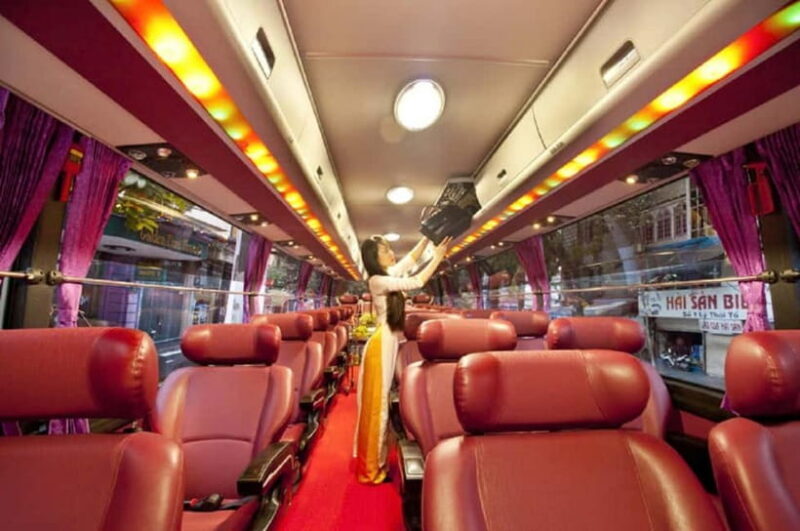
The trip begins with a morning bus from Hanoi, travelling toward Sa Pa via Lao Cai on the new highway. The road journey is a large part of the day, but it saves you from arranging separate transport and gives you a chance to rest before the trek. The precise meeting point depends on the option you book, so check the provider’s messages before departure.
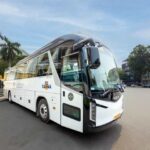
The transport is described as a limousine bus, but the exact setup can vary by package. Some people have chosen an upgraded sleeper bus with individual cabins. If a more comfortable ride matters to you, confirm which bus option you have before setting off rather than assuming every ticket includes the same arrangement.
On arrival in Sa Pa, a local representative meets the group at the bus stop and takes you to a hotel for a break and lunch. You’ll eat local dishes in town, then leave your main luggage there before starting the trek. Your bags can stay on the bus during the ride and then at the hotel while you walk. Pack a small day bag with what you need overnight, since you won’t have your full luggage in the village.
That arrangement is practical, but it calls for a little thought. Bring toiletries, a change of clothes, any medication, and a light layer for the evening. You can collect your stored luggage after the second day’s walk, before the return journey.
Outdoor enthusiasts can explore more Hanoi trails with these hiking options
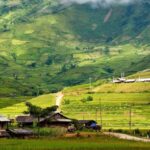
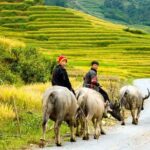
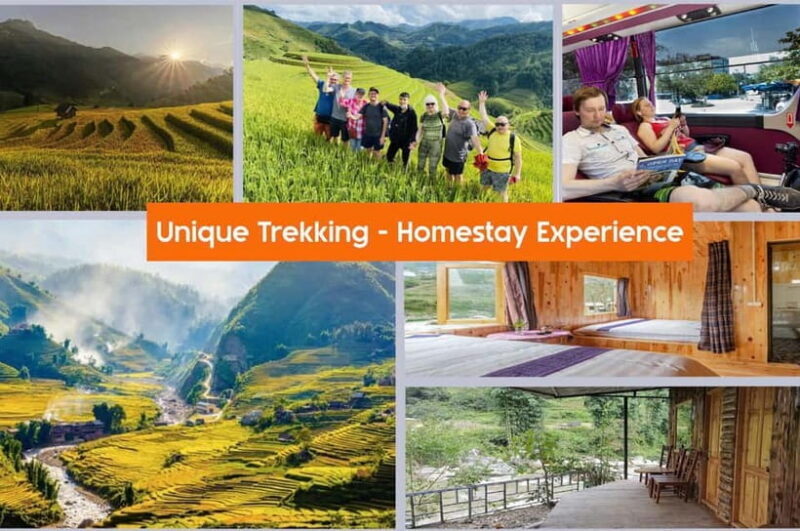
After lunch, the walking route leads through rice paddies and along Muong Hoa Stream toward Lao Chai, a Black Hmong village beneath the Hoang Lien Son range. The appeal is not just the mountain scenery. You pass cultivated slopes and village paths where farming and daily life are part of the view, not staged displays for a passing group.
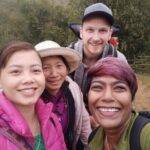
The guide can help you read what you’re seeing and answer questions about the Hmong, Dzao, and Tay communities in the area. Traditional clothing is a visible part of village life, and the guide offers a point of contact beyond simply taking photos and moving on. Names that have come up on this route include Sua, Soso, Soa, and Tung. The guide you meet will depend on the day.
The first day’s walk has been described as roughly 8 km and mostly downhill. That sounds easy on paper, but downhill paths can be hard on your knees, and the distance does not capture the footing. In dry weather, the route may feel like a moderate walk. After rain, it can become slippery and muddy. Expect occasional steep sections and take your time rather than trying to keep up with the fastest person in the group.
As you continue to Ta Van, the pace gives you a chance to notice the changes in the valley and the villages. The walk is a good fit if you want more than a roadside viewpoint, but it is not a casual stroll in town. People who rarely hike should take the terrain seriously, especially if the weather is wet.
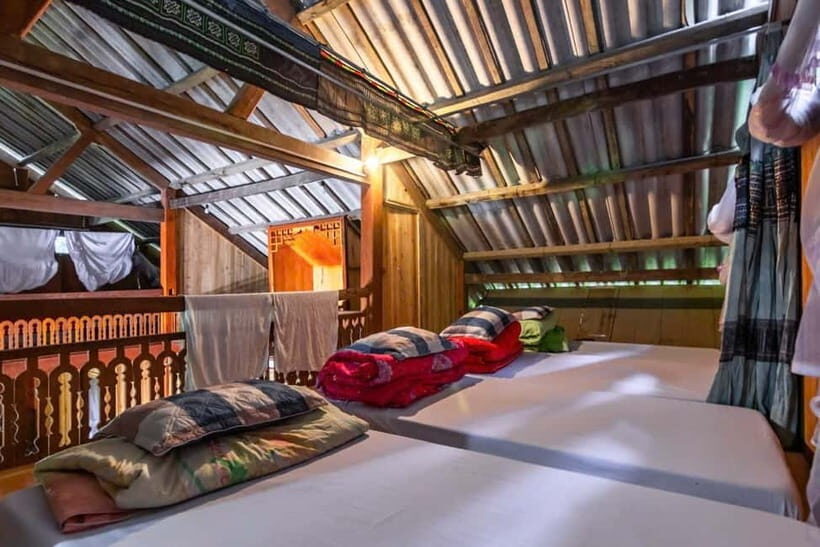
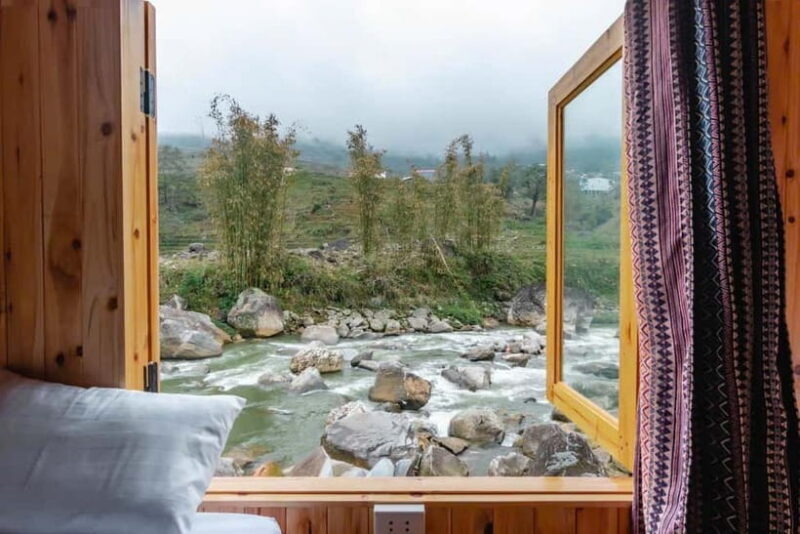
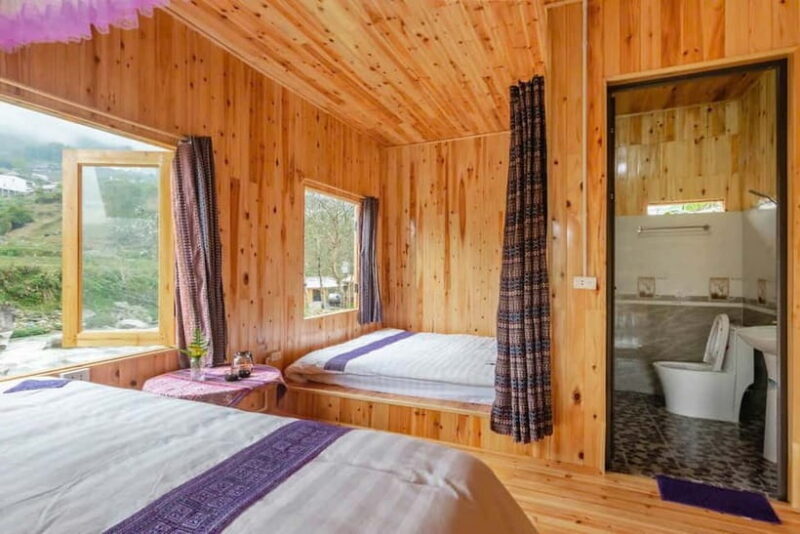
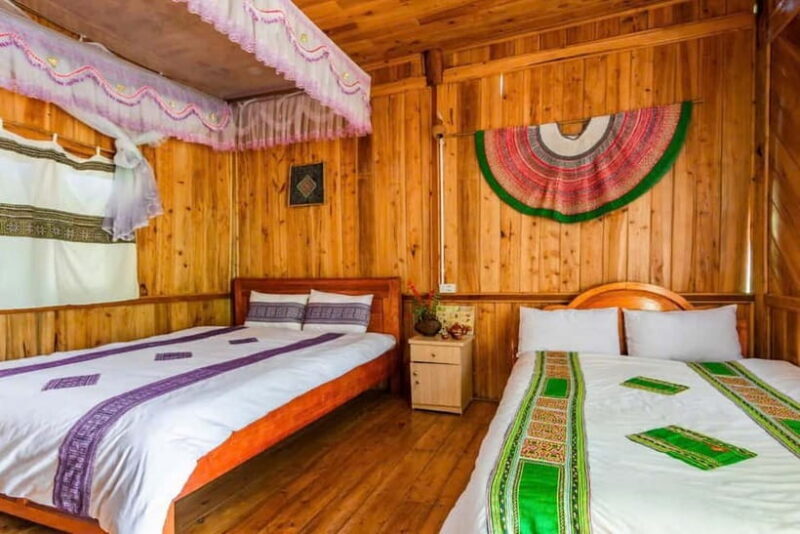
The overnight stay is in Ta Van village. The word homestay can suggest a spare room in a family home, but the setup may be closer to a simple visitorhouse, and the exact arrangement varies. The standard accommodation is basic, with a single mattress; a private room may be available if you request an upgrade when booking. The place is described as clean, with fresh food and clean water, but don’t expect a luxury hotel.
Dinner and breakfast are included, along with the two lunches across the tour. Meals are a real part of the experience: you eat local food in the village rather than returning to Sa Pa town for the night. Some stays offer a chance to dine with the host family, while the level of time spent with hosts can vary. If you’re choosing this trip for cultural contact, think of the guide and the walk as the main ways you’ll learn about local life, not a guaranteed long conversation with the family.
Village nights may be noisy, and mornings can start early. Light sleepers may want earplugs. A private room can offer more privacy, but it won’t change the basic nature of a rural homestay.
Breakfast is prepared at the homestay before the second walk. The route crosses rice fields and a bamboo forest, with a panoramic view toward Giang Ta Chai village. You then cross Giang Ta Chai Bridge, where a vehicle takes you back to Sa Pa.
The second trek has been described as about 4 km, with some rolling terrain. It is shorter than the first day, but still a walk on village tracks rather than a paved path. The bamboo forest is a highlight for many people, and the changing terrain keeps the morning from feeling like a repeat of day one. As ever, wet weather can make the route more demanding.
Back in Sa Pa, the tour includes lunch and time for a shower before the bus trip to Hanoi. That pause is useful after two days outdoors, though the schedule is compact. You return to the meeting point in Hanoi, then make your own way to your hotel. If you’re arranging onward plans, leave some flexibility around the return rather than counting on a door-to-door hotel drop-off.
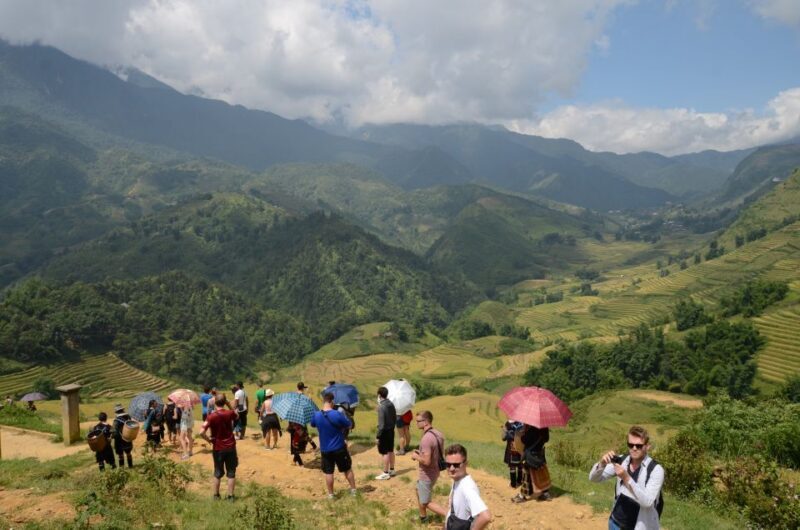
A good local guide can turn a scenic walk into a more meaningful visit. Guides on this trip have been praised for friendly conversation, clear English, and explanations of village life, customs, nature, and personal experience. Sua and Soso are among the names associated with the route, but you cannot assume you’ll be assigned a particular person.
There is also a practical side to local interaction. Women from nearby communities may walk with the group and offer handmade jewellery, scarves, or other crafts for sale. Some people appreciate the chance to buy directly from makers; others find repeated offers uncomfortable. You are not required to buy anything. A brief, clear no is usually easier than a long explanation, and it helps to decide in advance whether you want to budget for a purchase.
This is worth knowing because the offers can begin during the trek, when you may be focused on the path. Carry cash if you want to buy something. The tour information advises bringing Vietnamese dong, and notes that US dollars, euros, and Australian dollars may also be accepted. Still, dong is the sensible choice, especially for small purchases. Banking in Sa Pa can be unreliable.
More Great Tours Nearby
The package includes a local English-speaking guide, village entry fees for Lao Chai and Ta Van, accommodation in Ta Van, two lunches, one dinner, one breakfast, and transport from Giang Ta Chai back to the hotel on day two. Round-trip Hanoi to Sa Pa limousine transport is included in some options, so check your selected package carefully.
No tour price is provided here, so value depends on the amount you pay and what transport option you choose. The practical advantage is having the major moving parts arranged together: the long-distance bus, local transfers, village guide, meals, and overnight stay. For a short visit, that saves you from building the route and connections yourself. It is especially useful if you have only two days and want both walking time and a night outside Sa Pa town.
The cost does not cover drinks, an 8% government tax, or tips for the guide and driver. A holiday surcharge of 700,000 VND per person is payable onsite on April 30, May 1, September 1, 2, and 3, December 24 and 31, January 1, and during Lunar New Year. Ask about a private-room upgrade when booking if that matters to you.
You might also be interested in these Hanoi experiences
This tour suits you if you want mountain walking, village visits, and a night in the valley without spending several days arranging transport. It also works well if you’re comfortable with a simple room and can adapt to weather, muddy paths, and a group walking pace. The short schedule makes it a useful introduction to Sa Pa, though it may leave you wishing for another day in the region.
It is not suitable for children under six, people with mobility impairments, or wheelchair users. The route involves uneven ground and steep or slippery sections, so it is not a good choice if you need level paths. Bring hiking shoes with solid grip, sunglasses, sunscreen, insect repellent, and cash. Spare clothes are wise if you expect rain or mud.
The provider asks you to leave a phone number for WhatsApp, Line, Viber, or KakaoTalk so the team can contact you about confirmation. Pets are not allowed.
Book it if you want a guided trek through rice terraces, time in villages, and a straightforward overnight stay, all within a tight schedule from Hanoi. Its strongest value is the combination of local guidance and walking routes, with meals and transport taking much of the planning off your hands.
Choose a longer Sa Pa stay if you want more time between bus rides, or if you’d rather set your own pace. And if you book this two-day version, choose grippy shoes, pack light for the village, and keep your expectations flexible: fog may cover the views, but the paths, guide, and village life still make the trip worthwhile.
“We loved visiting SaPa with Sha as our guide, she was so fun and knowledgeable and we loved exploring the villages and hiking trails with her! We p…”
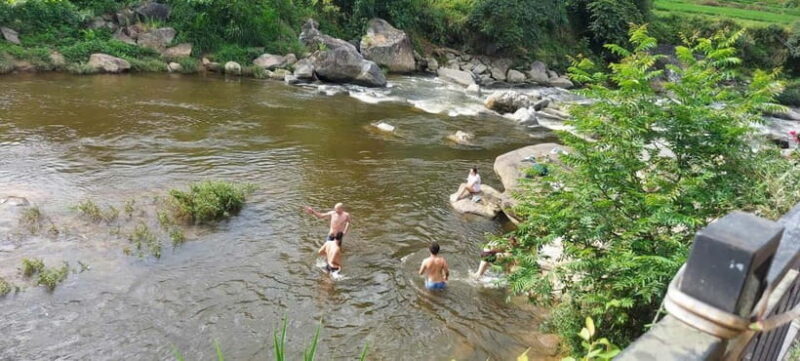
The trek is described as moderate, with steep and slippery sections possible. One account of the route put day one at about 8 km, mostly downhill, and day two at about 4 km with some ups and downs. Rain can make the paths muddy, so hiking shoes with good grip are important.
The tour includes one night in a basic homestay in Ta Van village, with a single mattress. A private room may be available as an upgrade if you contact the provider when booking.
Yes. The tour includes two lunches, one dinner, and one breakfast. Drinks are not included.
Round-trip Hanoi to Sa Pa limousine bus transport is included with some options. The meeting point may vary depending on the option you book, so check your booking details.
Bring hiking shoes, sunglasses, sunscreen, insect repellent, and cash. A small bag with overnight necessities is also useful because your main luggage stays at the hotel in Sa Pa during the trek.
No. The tour is not suitable for children under six, people with mobility impairments, or wheelchair users.
You can check availability for your dates here: