Physical Address
304 North Cardinal St.
Dorchester Center, MA 02124
Physical Address
304 North Cardinal St.
Dorchester Center, MA 02124

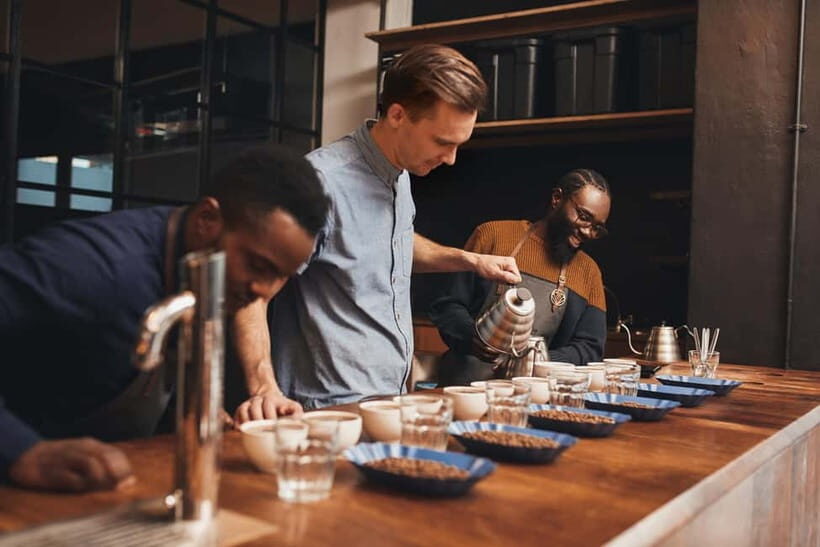
Make six Vietnamese coffee drinks in a three-hour Hanoi workshop, with hands-on brewing, local history, expert instruction and coffee cocktails.
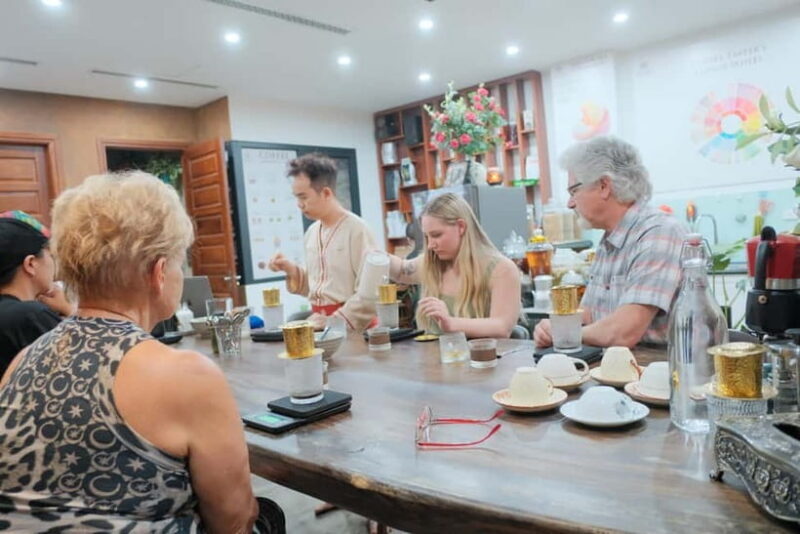
Hanoi’s coffee traditions make more sense when you do more than order a cup. In this three-hour workshop, you learn the stories and techniques behind familiar local drinks, then make and taste them yourself. I like the hands-on use of traditional tools and the chance to compare recipes side by side, from salt coffee to egg coffee.
I also like that the class puts coffee in a cultural context, with time for questions and a guide rather than just a sequence of tastings. One consideration: six drinks, including sweet coffee and a cocktail, add up. If caffeine, sugar or alcohol affect you, pace yourself and ask about the menu before you start.
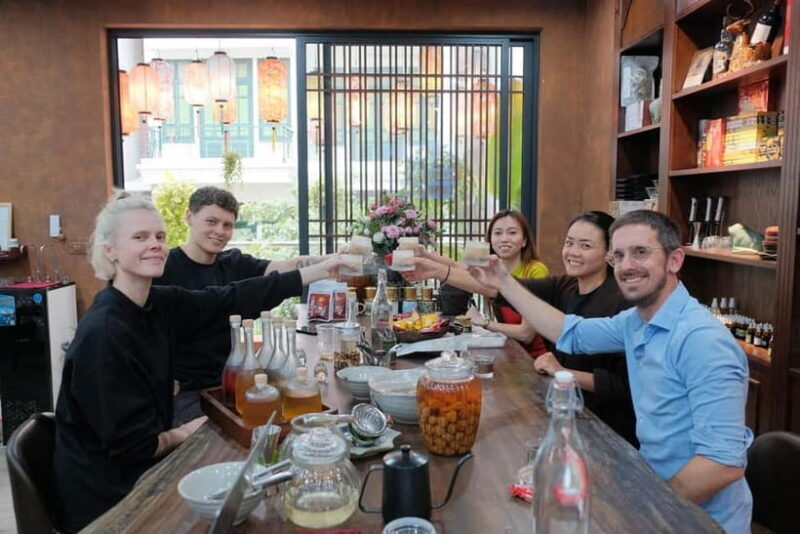
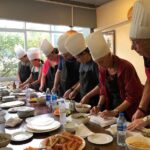
This is part tasting, part practical class, and part introduction to a major piece of everyday Vietnamese life. You don’t simply sample a tray of finished drinks. Under an English-speaking instructor, you learn how the ingredients and brewing choices shape each cup, then take part in making several of them.
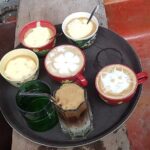
The advertised lineup includes salt coffee, egg coffee, original Vietnamese brown coffee, coconut coffee and pour-over coffee. A signature coffee cocktail brings the total to six. The exact menu can change on request for special dietary needs, so check in advance if you have a restriction or would rather avoid a particular ingredient.
That variety is useful. Vietnamese coffee is often associated with strong, dark coffee and sweetened condensed milk, but the workshop shows a broader range: creamy, salty, coconut-rich, carefully filtered and even cocktail-style. Tasting several versions in one sitting gives you a better sense of how technique and additions can alter the same basic ingredient.
The stated price is $23 per person for three hours. With instruction, coffee and wine tastings, equipment, snacks, a recipe book and digital reading material included, it offers more than a café stop for a similar stretch of your day. The value is strongest if you want to learn how to make these drinks again, not just try them once.
You can check availability for your dates here: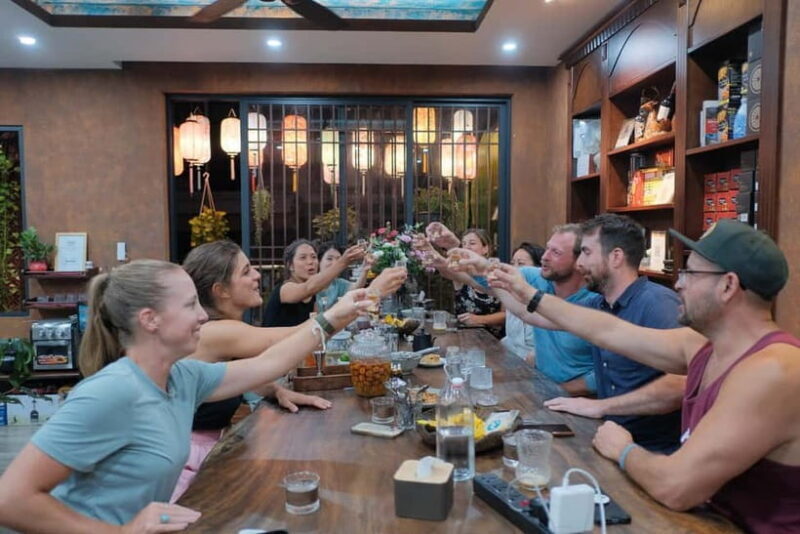
The first part of the workshop sets the scene. Your instructor gives an overview of coffee’s history and explains how it became popular in Vietnam and elsewhere. You’ll see different beans and coffee-making equipment, and hear about how coffee trees are grown and beans are roasted.
The subject is more than a warm-up for the recipes. A cup of coffee can tell you something about the ingredients and methods behind it, and the class connects those details to the country’s coffee traditions. If you’re curious about how Vietnamese coffee differs from the styles you drink at home, this background gives you useful points to watch for during the tasting.
The session also introduces green coffee beans and the roasting process. The supplied details do not spell out how much time is spent on each topic, so expect a guided overview rather than a technical roasting course. The focus is on building enough context to understand the drinks you’ll make.
You might also be interested in these Hanoi experiences
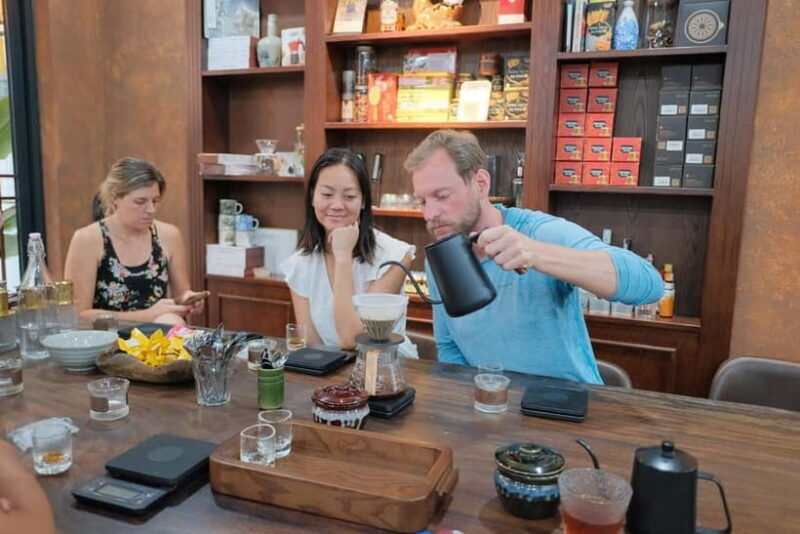
Next comes the practical side: how coffee is prepared, what makes a good cup and how to spot coffee that may be poor quality or counterfeit. The class includes special equipment such as filters and grinders, giving you a chance to handle the tools rather than just watch a demonstration.
That hands-on approach is one of the workshop’s best features. A recipe can tell you what to add, but seeing the brewing steps helps explain why timing, grind and technique matter. The instructors are described as having more than 10 years of experience in the coffee industry, and the class is set up for questions as you work.
You don’t need to arrive with barista skills. The experience is aimed at beginners as well as coffee enthusiasts, and the practical instruction gives you a way into the subject even if you’ve never used a Vietnamese filter before. At the same time, a few experienced baristas have found room to learn about local methods and ingredients, so it isn’t only for first-timers.
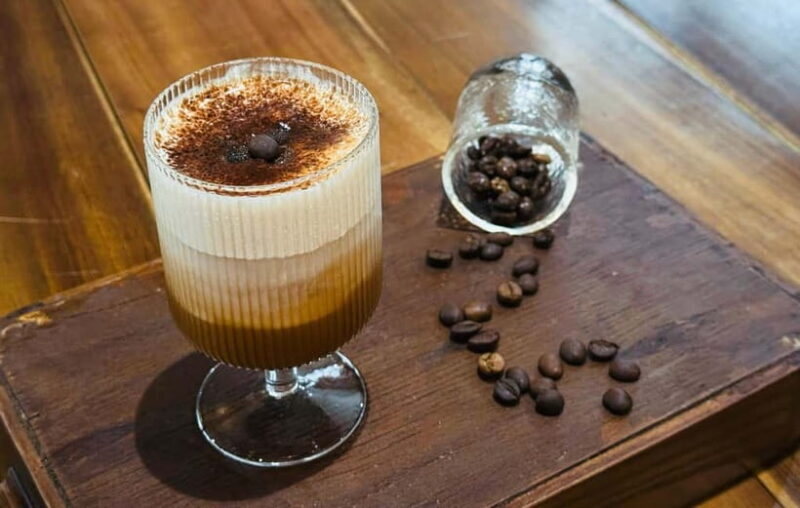
The heart of the workshop is preparing and tasting the signature drinks. Salt coffee combines strong robusta coffee with a smooth salted cream foam. The salt is not there to make the drink taste like soup; it balances the cream and coffee, offering a different kind of richness from a standard sweet coffee.
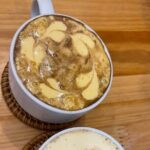
Egg coffee is another defining taste. A light, silky egg-yolk froth sits on top of dark coffee, creating a contrast between airy creaminess and a stronger base. It’s a useful drink to learn about in Hanoi because the recipe feels distinctive, yet the class breaks it into steps you can follow.
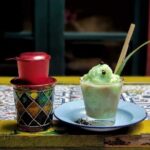
Original Vietnamese brown coffee gives you a more direct taste of dark-roasted Vietnamese beans. Coconut coffee softens strong coffee with coconut milk, making for a cooler, gentler variation. Pour-over is a contrast again: its purpose here is to bring out the beans’ natural sweetness and subtle fruit notes while avoiding excess bitterness.
The class promises hands-on instruction for up to five Vietnamese brews, followed by the signature coffee cocktail. That wording matters: the number of preparations and the exact menu may vary, so don’t assume every session follows an identical sequence. The workshop description also presents six drinks as the overall tasting, and the coffee cocktail is part of that offer.
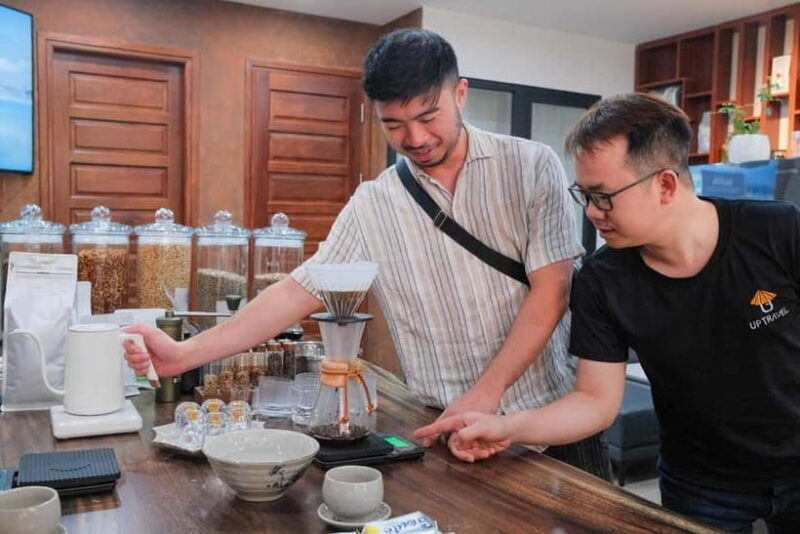
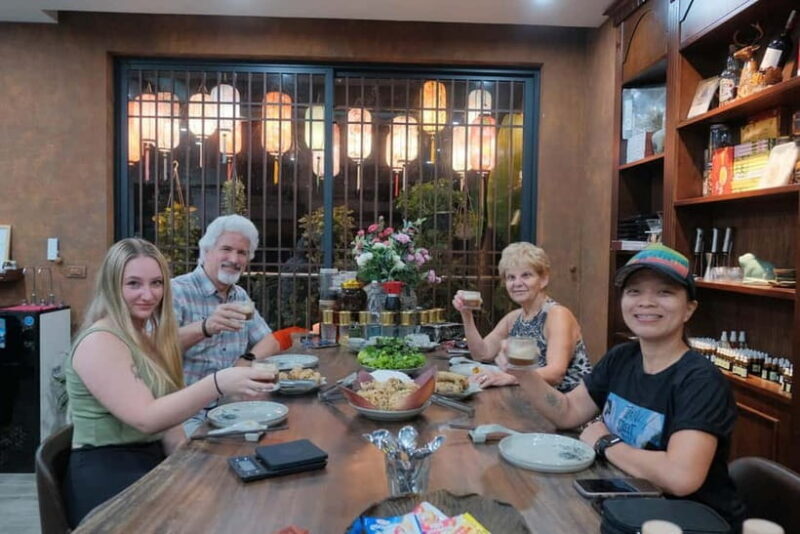
The final drink shifts the mood from traditional coffee to a cocktail. The listed espresso martini combines espresso, coffee liqueur and vodka. The included drinks also feature signature coffee cocktails with jam and local wine, plus a selection of Vietnamese wines. The supplied details don’t say that every session serves the same cocktail recipe, so ask if you need to know exactly what will be poured.
This is a fun ending, but it’s worth considering the total amount you’ll consume. There can be plenty of caffeine, sweet ingredients and alcohol across the tasting. You’re not obliged to treat every cup as a full-sized drink; take your time, and tell the instructor about dietary needs before the class so the menu can be adjusted where possible.
More Great Tours Nearby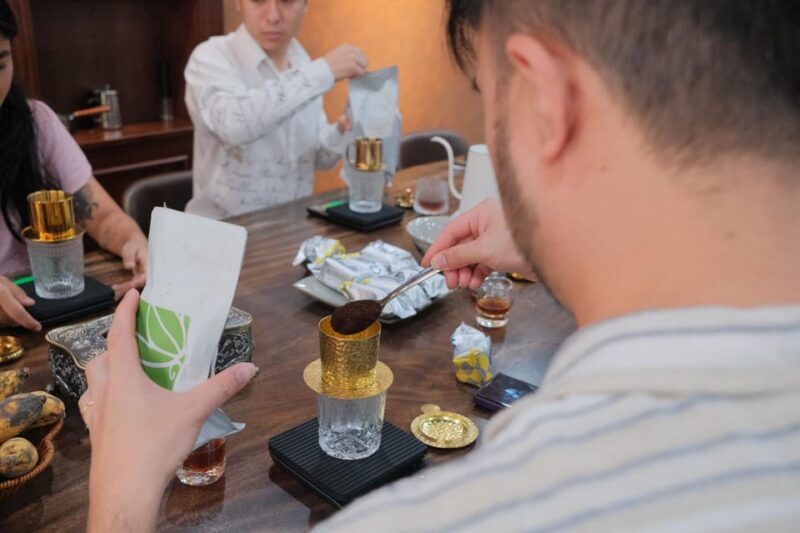
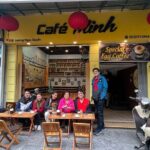
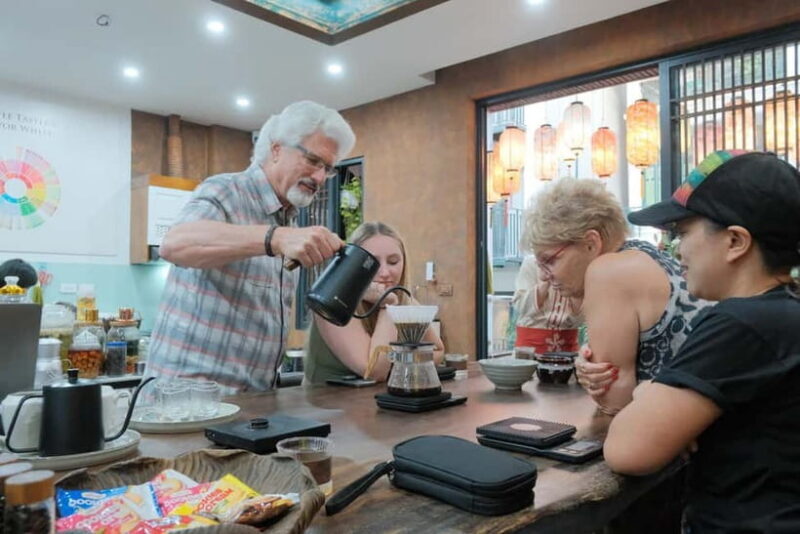
The workshop takes place in a local café, with a short welcome and refreshments before the main session. The total duration is three hours: about 15 minutes for welcome refreshments and roughly two hours and 45 minutes for the workshop itself. That’s long enough to move through several drinks without reducing the experience to a quick tasting, though it does occupy a substantial part of your day.
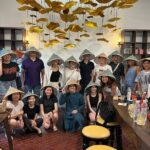
The group format can work well if you’re travelling solo or enjoy learning alongside other people. One solo participant found the shared session easy to join, and the class is described as relaxed and interactive. Private groups are also available, with requests to customize elements such as start and finish time, pickup point and menu.
Instructors named in accounts of past sessions include Lin, Phil, Val, Jessica, Luka, Giang and others. The guide you get will depend on the date, but clear English explanations and an enthusiastic teaching style are recurring strengths. The instructors are also described as taking time to answer questions, which matters if you want a conversation rather than a memorized talk.
You might also be interested in these Hanoi experiences
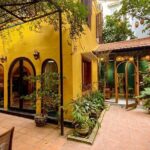
The stated meeting point is at Alley 75, Lane 173, Hoang Hoa Tham Street. Look for the intersection with a large yellow Bia Hoi Mau Dich sign, where someone will meet you and guide you to the venue. It is not simply described as a café in the heart of the Old Quarter, so check the route before setting out.
Hotel pickup and drop-off are available for locations within the Old Quarter. If you’re staying outside the French Old Quarter area, you can request pickup for an additional fee. Private groups have complimentary hotel pickup within 10 kilometres of the Hanoi Post Office, and can request a pickup location outside the Old Quarter within that distance.
Pickup and drop-off times usually fall within a 15-to-20-minute window, but weather and traffic can change the timing. The activity returns to Hoan Kiem. If you are relying on a transfer, leave some flexibility before any onward plans; Hanoi traffic is not the place to schedule a tight connection.
This is a strong choice if you want an activity that combines food culture, practical instruction and conversation. Coffee fans will appreciate comparing the brews and learning the methods; beginners can follow the guided steps without needing specialist knowledge. It also makes sense on a rainy day or when you want a break from walking around the city.
It may be less appealing if you want a quick stop, prefer unsweetened drinks only, or avoid caffeine and alcohol. The coffee-making is the point, and the menu leans into distinctive, often rich preparations. Ask about dietary changes before booking if you have a special requirement.
The class earns its place in a Hanoi itinerary by giving you skills and context to take away, not just a cup to remember. You receive a recipe book, digital copies of coffee books and, if requested, a professional certificate. Those extras are useful if you want to recreate a drink at home, though the recipes may still depend on finding similar beans and ingredients.
At $23, I’d book this if you’re curious about Vietnamese coffee and have three hours to spare. You get a guided introduction, several drinks to prepare and taste, local wine, equipment to work with and recipes to take home. The best reason to go is the mix of culture and practice: you leave knowing more than what egg coffee tastes like.
Think twice if a long tasting of coffee, sugar and alcohol doesn’t suit you, or if you’re looking for an advanced technical course. For most curious visitors, though, it’s a personable way to understand Hanoi through the drinks people make and enjoy. Free cancellation is available up to 24 hours before the activity, and you can reserve now and pay later.
“Val was so amazing! Very knowledgeable and informative. Also brilliant to get sent the instructions to be able to refer back to. Really enjoyable e…”
The activity lasts three hours. The schedule includes about 15 minutes of welcome refreshments and roughly two hours and 45 minutes for the workshop.
The listed price is $23 per person.
The hands-on list includes Vietnamese salt coffee, egg coffee, original Vietnamese brown coffee, coconut coffee and pour-over coffee. A signature coffee cocktail is also included, bringing the overall tasting to six drinks.
Yes. Welcome refreshments and snacks, the coffee drinks, a signature coffee cocktail and a selection of local Vietnamese wines are included.
Meet at Alley 75, Lane 173, Hoang Hoa Tham Street, at the intersection with the large yellow Bia Hoi Mau Dich sign. Someone will meet you there and guide you to the venue.
Pickup and drop-off are available for locations within the Old Quarter. Pickup outside that area can be requested for an additional fee. Private groups have complimentary pickup within 10 kilometres of the Hanoi Post Office.
Yes. English is the listed language of instruction.
The menu can be changed upon request for special dietary requirements. Contact the provider before the workshop to discuss what you need.
You can cancel up to 24 hours in advance for a full refund. The reserve-now, pay-later option lets you book without paying at the time of reservation.
You can check availability for your dates here: