Physical Address
304 North Cardinal St.
Dorchester Center, MA 02124
Physical Address
304 North Cardinal St.
Dorchester Center, MA 02124

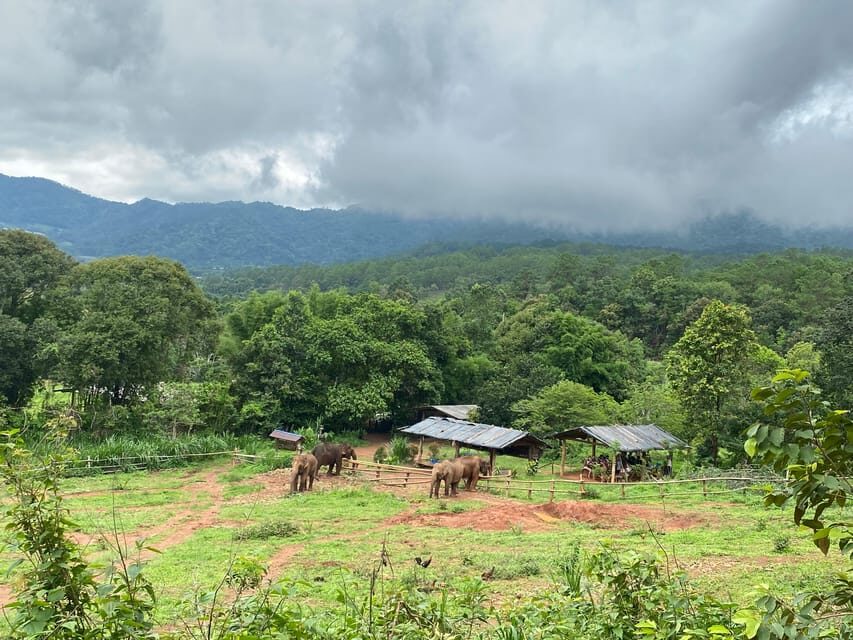
Walk with elephants in Chiang Mai’s jungle, feed them, learn from local guides, and enjoy Thai lunch at this small, welfare-focused sanctuary.
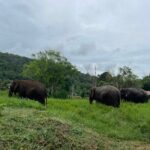
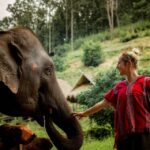
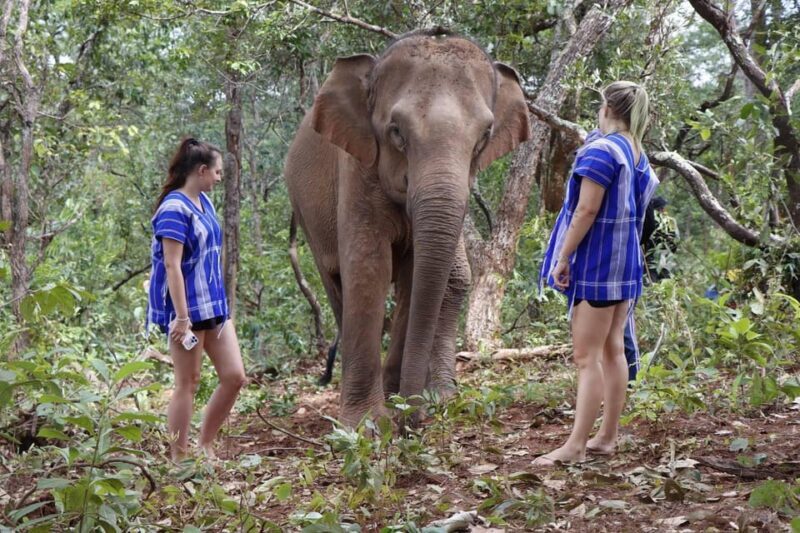
At Elephant Dream Project, the elephants set the pace. You feed them, then walk alongside them through jungle habitat, watching as they choose where to go. The focus is on spending time near the animals without asking them to perform for you.
I like two things here: the chance to see elephants moving through their surroundings rather than doing tricks, and the local guides’ personal connection to their care. Guides including JJ and owner Mr Dee introduce the project and share what they know about the elephants. A Thai lunch is included, too.
One consideration: the name says half-day, but the schedule runs from early morning pickup to midafternoon drop-off. The drive also takes a substantial part of your day, and the posted duration of four hours does not match the pickup and return times. Plan around the longer schedule.
Pickup is offered at hotels in Chiang Mai city, with a request to wait in the lobby five minutes before your scheduled time and look for the Elephant Dream Project vehicle. The pickup window is 7:00 to 7:30 AM, so have breakfast before you go or check whether you can bring something along. No breakfast is listed as included.
The drive is described as about 1 hour and 45 minutes, though the schedule gives a broader 7:00 to 9:30 AM travel window. That difference matters: allow for a long transfer, not a quick hop out of town. You will leave the city behind and head toward the mountain and forest setting where the elephants spend time.
Round-trip transport is included, which makes this easier than arranging your own way to a rural sanctuary. Still, expect a substantial day out. The schedule puts the return drive at 1:00 PM, with hotel drop-off between 2:30 and 3:00 PM.
There is also a timing mismatch in the tour details. The duration is stated as four hours, but the listed pickup and drop-off times add up to roughly seven or eight hours. For planning, trust the fuller schedule and keep the morning and early afternoon free.
You might also be interested in these Chiang Mai experiences
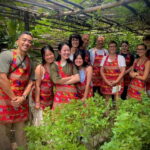
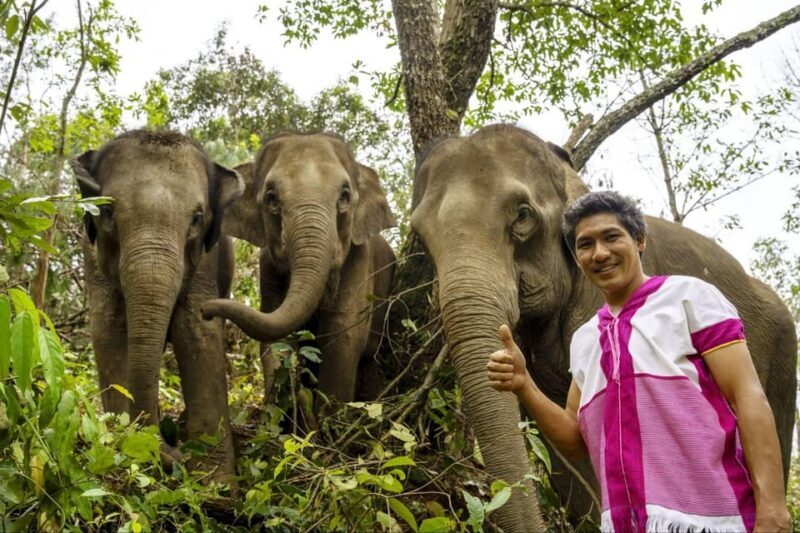
At the sanctuary, a local guide gives an introduction to Asian elephants and the purpose of the Elephant Dream Project. Guides named in accounts of the visit include JJ and owner Mr Dee. The project is described as locally run, with a close family connection between the owner and the elephants.
That personal element can give the visit more meaning than a simple photo stop. You are not only seeing an elephant; you are hearing about the people responsible for its daily care and the challenges of providing food and a suitable place to live. One account describes the owner as caring for elephants connected to his family and hometown, while another notes that he does not own the land. Supporting the project through a visit may help with care costs and future plans, though it does not guarantee a particular outcome.
The sanctuary says it bases activities on the elephants’ natural happiness and does not force them to entertain. In practice, that means your schedule should leave room for the animals to move, pause, or opt out. You may get close while feeding them, but this is not a staged show with a set routine.
It is worth keeping expectations flexible. Elephants are large, powerful animals, and their comfort matters more than a guaranteed interaction or photo. The point of the visit is to observe and accompany them, not to control what they do.
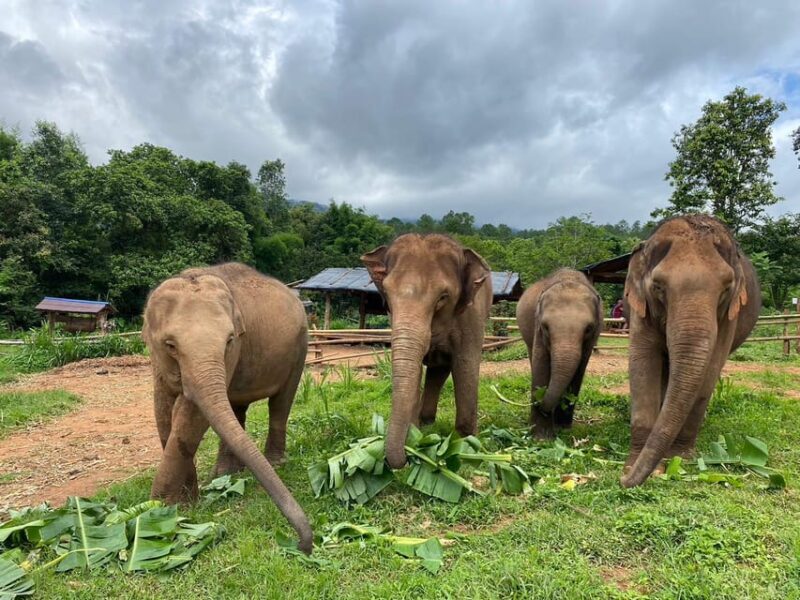
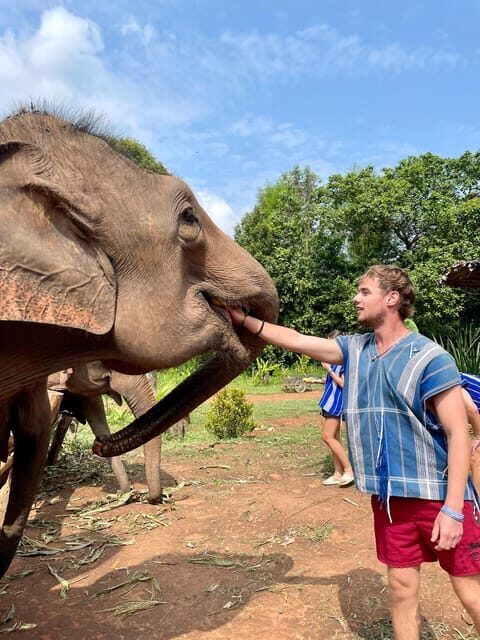
Feeding is the most direct way to spend time near the elephants. Food for this activity is provided, and the guides explain how to approach it. Several visitors describe the elephants as enthusiastic eaters, so do not be surprised if the food goes quickly. Follow the guide’s instructions and keep your attention on the animal rather than your camera.
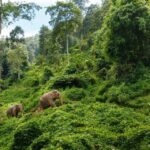
After feeding, the group walks with the elephants in their habitat. The route may take you uphill or along forest paths, and the ground can be slippery. Good shoes with firm traction are more useful here than sandals. You may also appreciate the recommended insect repellent and sunscreen, particularly during a warm, exposed stretch.
The walk is a different kind of elephant encounter from bathing or riding. You are moving alongside the animals and seeing them in a setting where they can wander, rather than asking them to complete a tourist activity. The project’s stated approach is to avoid forcing participation. That is a meaningful distinction, even though you should remember that any close contact with people is part of the elephants’ managed care, not a view of wild elephants untouched by human life.
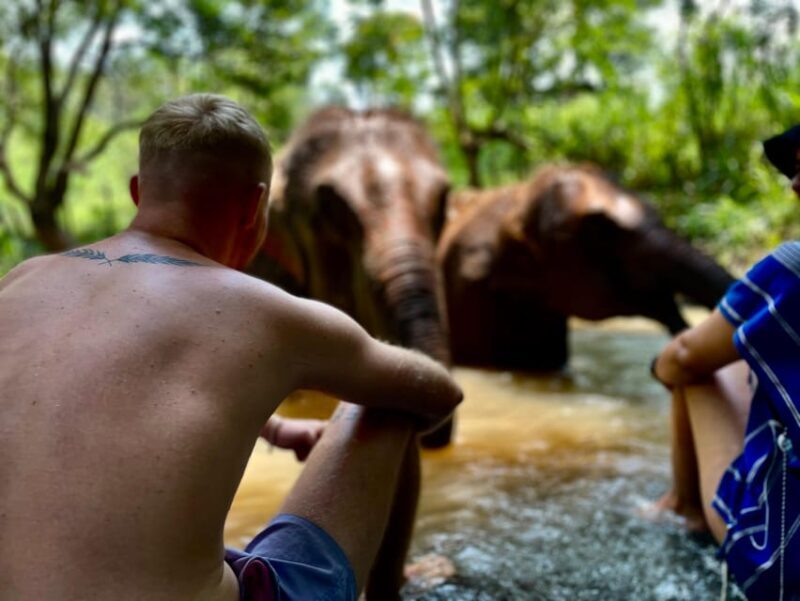
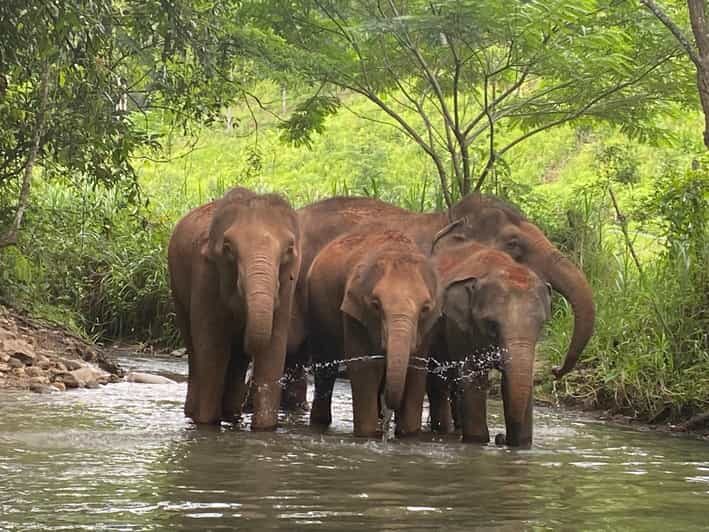
Depending on the day, you may see elephants near water or watch them bathe. That is not listed as a guaranteed activity, and you should not expect to join them in the water. Think of it as a possible observation, not a scheduled bathing session.
The guide’s role is more than leading the walk. You have the chance to ask about Asian elephants, their habitat, and the project’s purpose. Visitors especially value the personal knowledge and care shown by JJ and Mr Dee. A good introduction can help you understand why the elephants are there and what their care requires.
Keep in mind that one visit cannot answer every question about elephant tourism or conservation in Thailand. The word sanctuary alone does not tell you how animals are treated. Here, the described activities are feeding and walking, with no riding or tricks listed, and the project says it does not force the elephants to participate. Those are useful details to weigh when choosing where to spend your money.
The project is presented as a local effort that needs support to care for its elephants. One visitor described the owner as having to find ways to afford food and secure land. That helps explain why an entrance fee can have value beyond the hours you spend there. At the same time, no tour can promise that your payment will solve broader welfare or land issues, so treat support as a contribution to this particular operation.
More Great Tours Nearby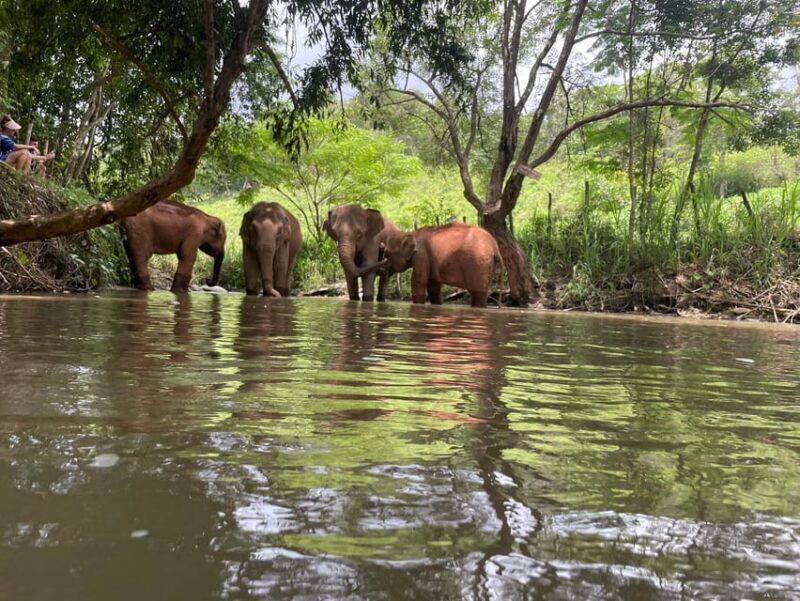
Lunch is served around noon, after the elephant activities. Thai food and seasonal fruit are included, along with water. The meal gives you a welcome pause before the drive back and means you do not need to arrange lunch separately.
Soft drinks are not included, so bring money if you want one. The included meal is described as filling, but there is no menu or information about dietary options. If you have a food allergy or specific dietary need, ask the operator before booking rather than assuming the meal can be adapted.
At about 1:00 PM, you say goodbye to the elephants and begin the return journey. The listed hotel drop-off window is 2:30 to 3:00 PM. Give yourself a little breathing room if you have another activity or a dinner reservation that day.
At $51 per person, the price covers hotel pickup and return transport within Chiang Mai city, entry, food for feeding the elephants, water, and lunch. That is a practical bundle for a rural visit, especially if you do not want to arrange transport yourself.
The strongest value is the combination of close observation, a guided introduction, and time walking with the elephants. You are paying for a small, personal wildlife encounter and for support of a local project, not for a long list of activities. The tour does not promise riding, tricks, or hands-on bathing, and that restraint is part of its appeal for people seeking a more animal-led visit.
The main trade-off is time. The sanctuary portion is scheduled from about 9:30 AM to 1:00 PM, but the transfers stretch the day from early morning into midafternoon. The four-hour duration label is at odds with that timetable, so compare the price with the full day you will need to set aside.
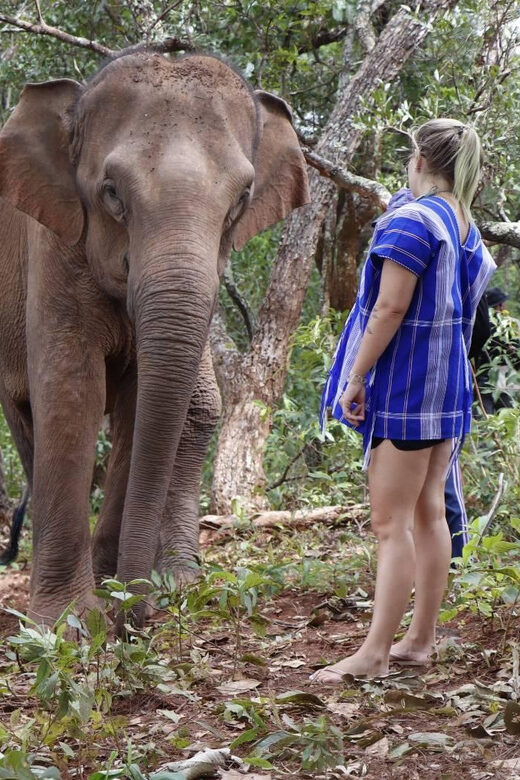
Wear hiking shoes with good grip and clothes you do not mind getting dusty or damp. Pack sunscreen, insect repellent, a towel, and a change of clothes. Some visitors describe receiving a smock-like cover, but it is still sensible to arrive prepared rather than count on spare clothing being supplied.
This outing suits you if you value a calm, guided encounter and are comfortable walking on uneven forest paths. It also works well if you want to learn about elephant care from people closely involved with the animals, rather than watch a performance. Families should consider the walk and the close proximity to large animals when deciding whether the trip fits their group.
The tour is listed as unsuitable for wheelchair users and people over 80. No further mobility details are provided, so if you have a specific access concern, ask the operator before booking.
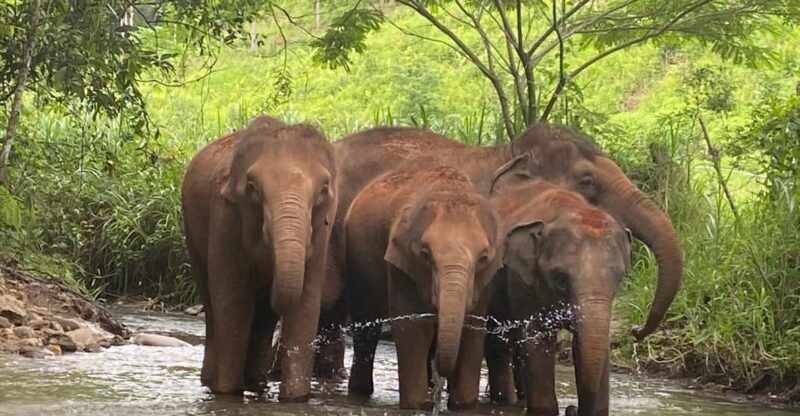
I would consider this tour if your priority is to see elephants being fed and walking in a natural setting, with the animals’ willingness guiding the activities. The local connection, named guides, included lunch, and round-trip transfer make it a straightforward way to spend a day outside Chiang Mai.
Book it with realistic expectations: this is not a guaranteed bathing session or a quick half-day outing. Allow for the longer schedule, wear proper shoes, and be ready to follow the elephants’ lead. If that sounds like the kind of encounter you want, $51 buys a useful mix of access, local insight, and direct support for the project.
“One of the best tours I’ve been on. The whole experience was amazing with a wonderful team of people looking after the elephants. They genuinely …”
The activity is described as four hours, but the schedule lists pickup between 7:00 and 7:30 AM and hotel drop-off between 2:30 and 3:00 PM. Plan for roughly seven to eight hours away from your hotel.
Pickup is scheduled between 7:00 and 7:30 AM from hotels in Chiang Mai city. Wait in the hotel lobby five minutes before your scheduled pickup time and look for the Elephant Dream Project vehicle.
The planned activities include an introduction to Asian elephants, feeding them, and walking with them in the jungle. A local guide explains the elephants and the project.
Yes. Thai food and seasonal fruit are included, along with water. Soft drinks are not included.
No elephant rides are listed among the activities. The visit focuses on feeding and walking with the elephants.
Bring a change of clothes, a towel, hiking shoes, sunscreen, and insect repellent. Shoes with good traction are useful for the forest walk.
Yes. Round-trip transport is included from hotels in Chiang Mai city.
Yes. You can cancel up to 24 hours in advance for a full refund.
You can check availability for your dates here: