Physical Address
304 North Cardinal St.
Dorchester Center, MA 02124
Physical Address
304 North Cardinal St.
Dorchester Center, MA 02124

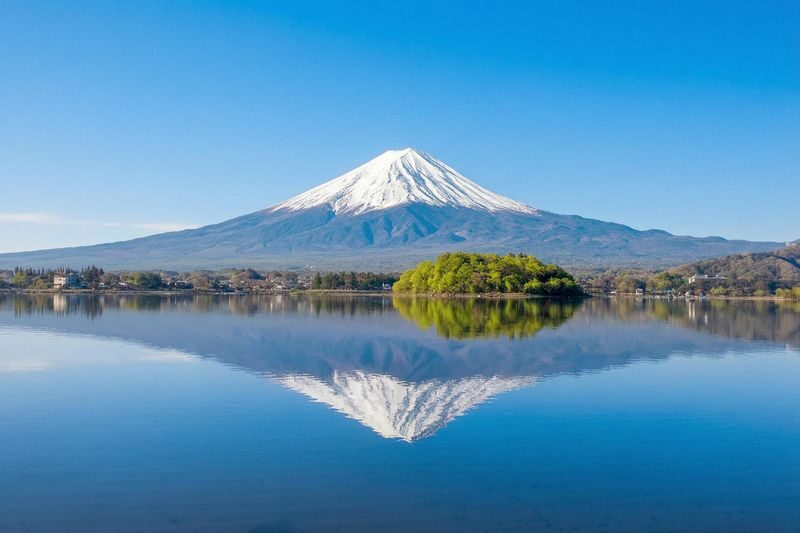
See Fuji from pagoda, lakes and spring-fed ponds on a Tokyo day trip, with bilingual guidance, round-trip transport and plenty of photo stops.
Mount Fuji is the star, but the best part of this day trip is seeing it from several angles: above Fujiyoshida beside Chureito Pagoda, across Kawaguchiko, and near the clear springs of Oshino Hakkai. When the sky cooperates, those changing views make the long ride from Tokyo worthwhile.
I like that transport and tolls are included, so you can visit several places in one day without stitching together local buses. I also like the variety: a shrine, old-town street, lakeside park, spring ponds and plenty of photo stops, with guides such as Johnny, Yuan and Taiyo helping with directions and pictures.
The catch is time. Stops are short, lunch is only 30 minutes, and traffic can stretch the return to Tokyo until 8 p.m. Fuji can also disappear behind cloud, so book for a full day around the mountain, not a guaranteed clear view.
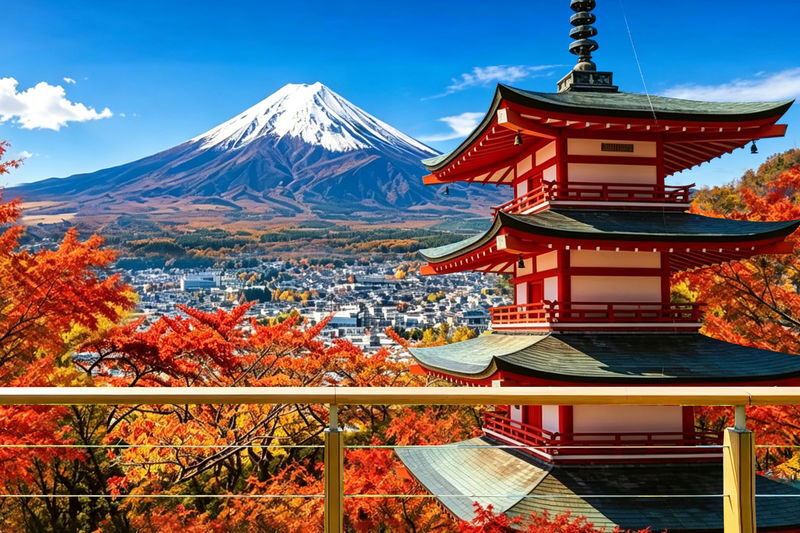
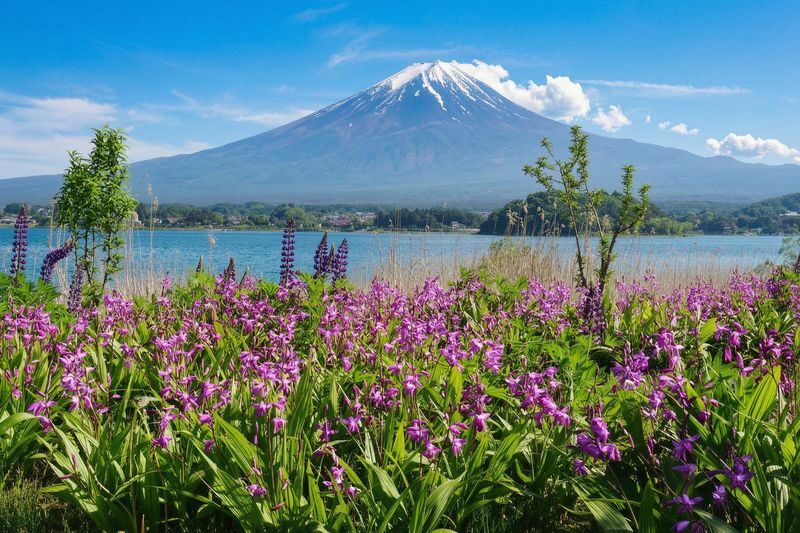
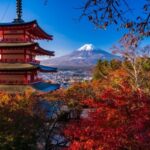
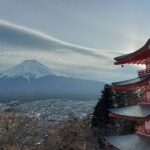
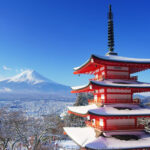
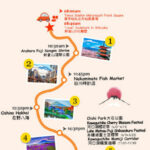
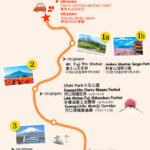
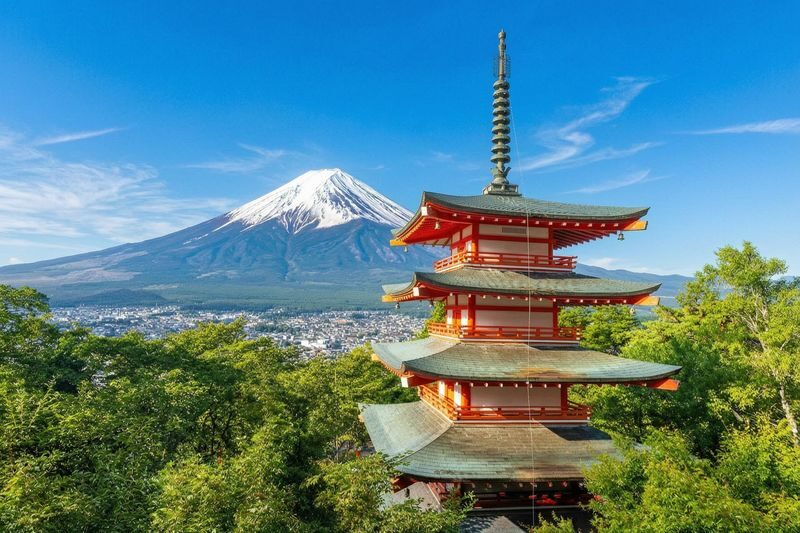
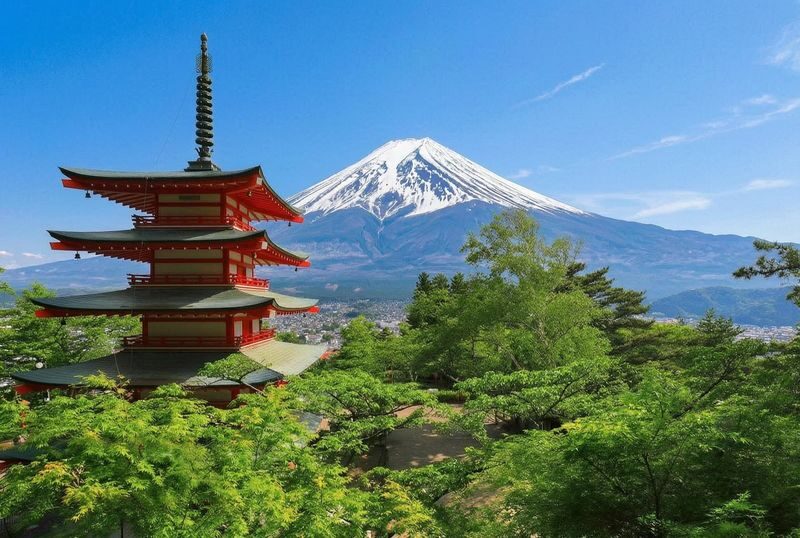
The day begins with a drive from Tokyo to Fujiyoshida, where Arakurayama Sengen Park offers the classic pairing of Mount Fuji and the five-story Chureito Pagoda. You have about an hour here, the longest stop of the morning, and it is well spent if you want time to take photographs and look beyond the familiar postcard view.
This is a self-guided stop, so expect to explore at your own pace within the allotted time. Guides on this tour have helped point out photo angles and share map pins for meeting back at the bus. That kind of practical direction matters when the clock is running, particularly at a place where you may want one more photograph from a slightly different spot.
The famous view depends on visibility. A sunny forecast is no guarantee that Fuji will be clear, and cloud can cover the mountain even when the rest of the day is pleasant. I would treat the pagoda as a beautiful stop in its own right, with the full Fuji view as a bonus rather than a promise.
Looking for more options in Fujiyoshida? Here are some other experiences worth considering.
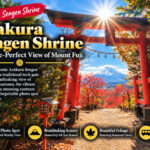
The next stop is Arakura Fuji Sengen Shrine, described as founded in 705. The visit is scheduled for 15 minutes, enough for a brief look and a quiet moment, but not a long exploration of the grounds. If shrines are a central interest for you, this is a taste rather than a deep visit.
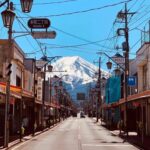
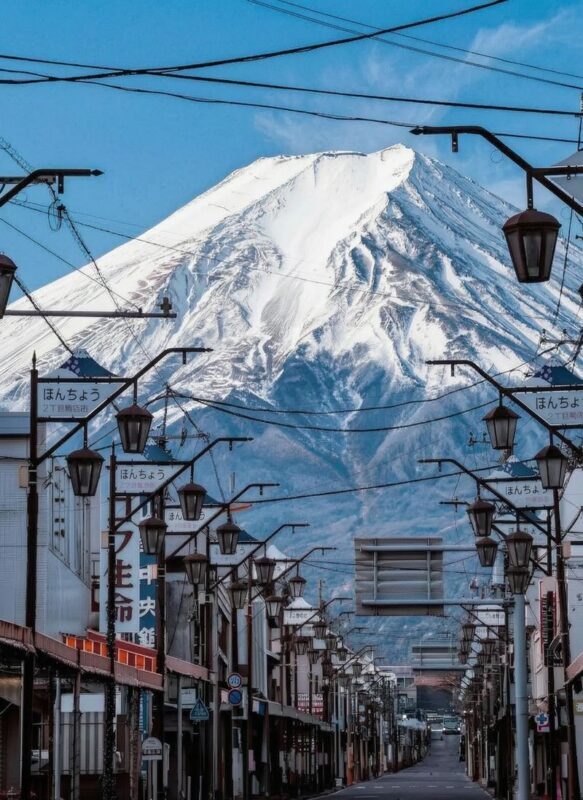
Fujiyoshida Retro Shopping Street offers a different kind of scene. Around the Hikawa Clock Shop, the street’s older storefronts and the distant mountain give the area its nickname, Ladder Town. The stop is also 15 minutes, so think of it as a short walk and a chance to take in the view, not time for browsing shops at leisure.
These early stops make a useful contrast with the lakes that follow. They give the day a local-town and religious dimension, rather than making it one long sequence of water-and-mountain viewpoints.
Lunch is not included, and the scheduled break is just 30 minutes. Restaurants in the Fuji area can be crowded, so a wait to order and eat may cut into the time you have for the next stop.
The simplest way to protect your sightseeing time is to bring lunch. If you prefer a restaurant meal, ask the guide for a recommendation or help booking ahead, as suggested for this trip. Either way, keep the short break in mind: this is not the day for a leisurely lunch.
Food and drinks are also among the expenses you pay separately. At a starting fare of $49.29, that is worth factoring into your day’s budget, along with any personal purchases.
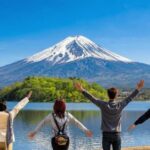
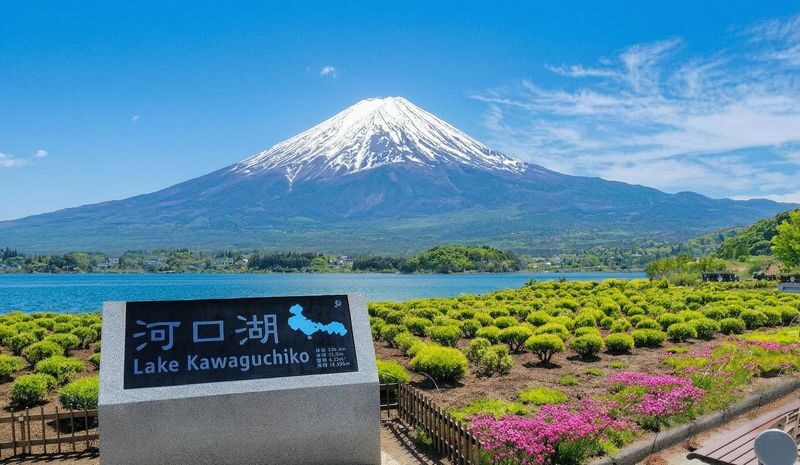
Lake Kawaguchiko is one of the most familiar settings for Fuji views, and the tour allows about 30 minutes there. The lake gives you a lower, more open angle than the elevated view at Arakurayama. If the mountain is reflected in the water, the scene can be striking; if cloud rolls in, the shoreline still offers a change of pace from the town stops.
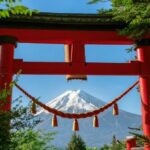
The route also includes the Kawaguchiko Natural Living Center, with about 15 minutes to visit. A viewpoint on its second floor is noted as a place to frame a red torii gate with Fuji. It is a quick photo stop, so you will want to keep an eye on the meeting time rather than settle in for a long lakeside break.
Oishi Park is another named stop on the tour, known for seasonal colour beside the lake. The timing for this stop is not specified, and the guide may adjust the order according to traffic and weather. That flexibility can help the group make the most of the day, but it also means the exact sequence is not fixed.
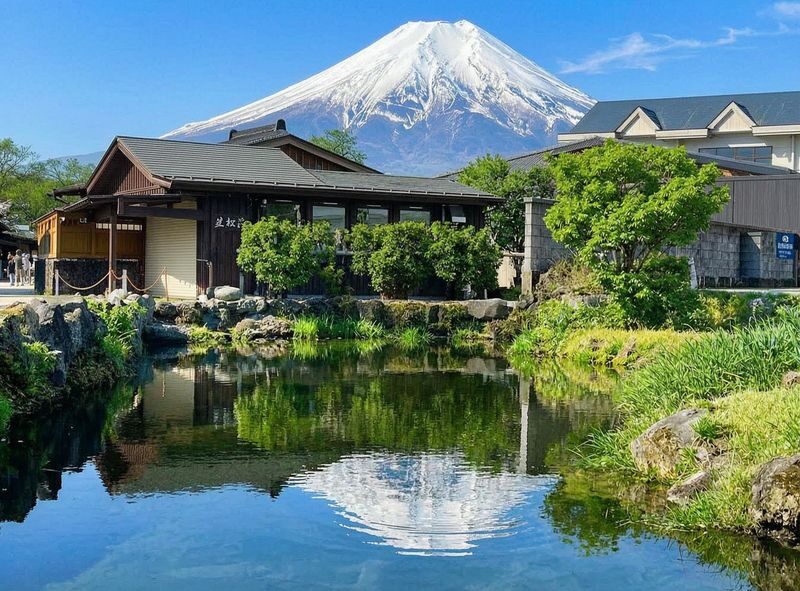
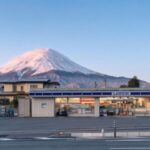
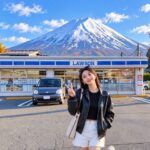
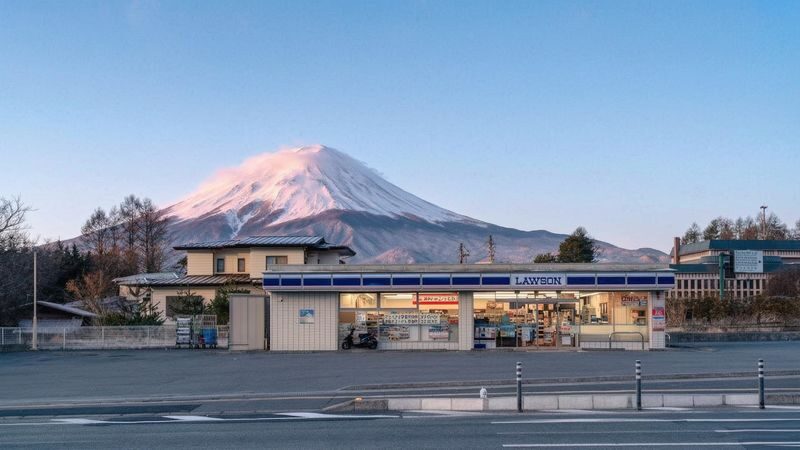
The Lawson Fujikawaguchiko Town Hall branch is included as a 15-minute photo stop. Its convenience-store frontage has become a familiar image with Fuji rising behind it, an amusing mix of everyday Japan and one of the country’s grandest sights.
This is a brief visit, not a shopping break. A few tour participants have noted that repeated Lawson stops can feel excessive, so it is useful to know what you are signing up for: the point is the view and the photograph, not the store itself. If that particular image is not important to you, treat it as a quick pause rather than a highlight.
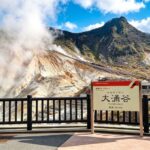
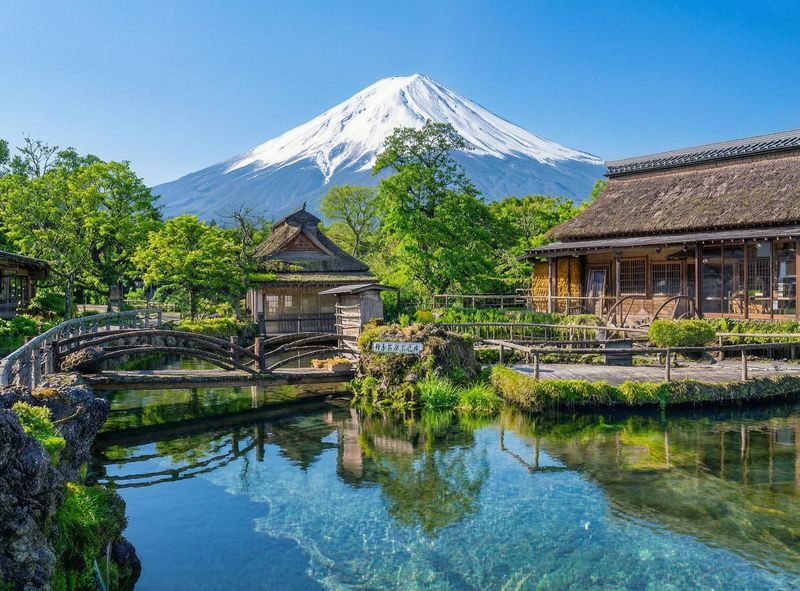
Oshino Hakkai gets a full hour, making it one of the more generous stops. Its spring water comes from snowmelt on Mount Fuji, filtered through the mountain before emerging in clear ponds. The site is known as one of Japan’s 100 Famous Waters, and the water’s clarity gives this stop a more intimate feel than the broad lake views.
You can use the time to walk among the ponds and look closely at the water, rather than simply taking a distant photograph of Fuji. The stop’s spring-water story adds context to the region: the mountain is not just a dramatic backdrop, but part of the source of the area’s water.
The tour’s description mentions a local legend that drinking the water brings long life. Take that as folklore, not a health claim. The practical appeal is the setting and the chance to see clear spring water in a small village stop.
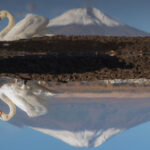
Lake Yamanaka, the final major stop, is scheduled for about 25 minutes. It offers another close view of Fuji, with swans often part of the scene. The lake feels different from Kawaguchiko, and visiting both helps explain why the tour is billed around the twin lakes rather than one single viewpoint.
Twenty-five minutes goes quickly. You will have time for a short walk, a few photographs and a look at the water, but not a long lakeside wander. Guides have helped point out photo spots and take group pictures at stops, a welcome extra if you are travelling solo or want to appear in a shot yourself.
Shinnasho River is also named among the tour’s sites, though no separate stop duration is given. The guide may adjust the order or timing to match conditions, so keep expectations flexible.
This is a meet-up tour with round-trip transfers from Tokyo, not a private car service. The guide speaks Chinese or English, and the bus covers fuel, parking and tolls. The main value is straightforward: you avoid working out multiple connections between Tokyo and scattered stops around Fujiyoshida and the lakes.
Guide names vary by departure. Guides mentioned on this tour include Johnny, Yuan, Taiyo and Penguin, but you should not expect a particular person. The most useful guide qualities for this route are clear timing, easy-to-follow meeting directions and help finding good photo angles. Several guides have also taken group pictures and shared them afterward.
Communication and timing matter on a multi-stop day. Arrive 15 minutes before departure, and check your email the evening before for the guide’s details. If you use LINE, the guide’s group link is sent by email the day before; the guide cannot add you directly by phone number due to regional restrictions.
At from $49.29, this tour can be good value if you want to see several Fuji-area highlights in one day. The price includes the bus, guide, tolls, parking and fuel, while meals, drinks and personal spending are extra. You are paying for transport and a tightly planned route as much as for the sightseeing itself.
The trade-off is that each stop has a clock. The schedule covers a lot of ground, but it does not leave much room to linger, shop or take an unplanned detour. If you want a slow day at one lake or a long shrine visit, a more flexible independent trip may suit you better.
There are two listed departure times, 8 a.m. and 8:30 a.m.; check your selected meeting details carefully. The return is to JR Tokyo Station, with an estimated arrival around 6 p.m. in smooth traffic and a possible delay until 8 p.m. when the expressway is congested. Do not plan a tight evening connection or an important dinner reservation.
A clear view of Fuji is the biggest variable. The mountain may be visible from several stops on a good day, but it can also be hidden by cloud. Some departures have had clear views throughout; others have had little or no Fuji visibility. The tour still has shrines, street scenes, spring ponds and lake views, but the mountain is plainly the central draw.
Traffic is the second uncertainty. The drive back is listed as about two hours, but the actual return window allows for much longer. One departure has faced a particularly slow journey in both directions, so bring patience, water and something to occupy you on the bus.
The order of sightseeing stops may change with weather and traffic. That can be sensible in a region where visibility shifts, but it means you should not build your own rigid schedule around a promised stop order.
I would choose this trip if you have one day available from Tokyo and want an efficient sampler of the Fuji area without planning local transport yourself. It suits first-time visitors, photographers who want multiple backdrops, and anyone happy with short independent visits and a full day on the road.
It is less suited to you if you want a relaxed pace, a long meal, extensive shopping, or a guaranteed view of Mount Fuji. The tour is also not a substitute for a dedicated hike or a long stay in one lakeside town. Its strength is breadth: several well-known places in a single outing.
Infants and children must be counted in the passenger total, and child seats are not available. The luggage allowance is two standard-sized pieces. Free cancellation is available up to 24 hours before the activity date, while changes are subject to restrictions; check your booking terms before confirming.
Book if your priority is seeing a range of Fuji viewpoints in one day and you value a bus, guide and route arranged for you. The blend of Chureito Pagoda, the lakes, Oshino Hakkai and Fujiyoshida gives you more variety than a single-viewpoint outing.
Skip it if you would rather set your own pace or cannot tolerate a late return. For a reasonable starting price, it offers a lot of ground, but the day is brisk and the weather is beyond anyone’s control. Pack a lunch, keep your evening open, and go for the places as well as the mountain.
“The tour guide was very attentive and provided thoughtful service. Thank you.”
The sightseeing day runs roughly from 8 a.m. to 6 p.m., with the return to Tokyo potentially delayed until 8 p.m. by expressway traffic.
The return point is JR Tokyo Station.
No. Meals and beverages are not included, and the scheduled lunch break is 30 minutes.
A Chinese- or English-speaking guide is included.
No. Visibility depends on weather, and cloud may cover the mountain.
Yes. The guide may adjust the order of stops according to weather and traffic conditions.
Arrive at the meeting location 15 minutes before your departure time. Late arrivals and no-shows are not refundable.
No. Infants and children must be included in the passenger headcount, and child seats are not available.