Physical Address
304 North Cardinal St.
Dorchester Center, MA 02124
Physical Address
304 North Cardinal St.
Dorchester Center, MA 02124

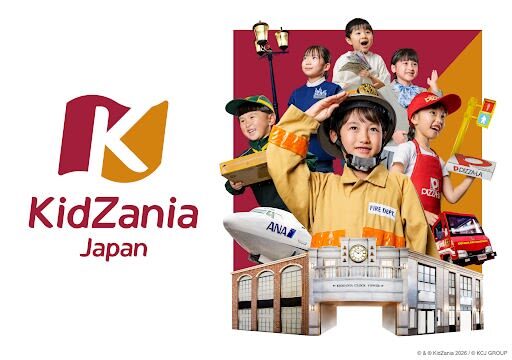
KidZania Tokyo lets children try real-world jobs, earn KidZo and work independently. Get practical tips on timing, language and booking.
The best part of KidZania Tokyo is watching a child take charge: choosing a job, putting on a uniform and getting to work with real equipment. It is play with a purpose, and the children are the workers, not just passengers in a theme park.
I like two things in particular: the broad choice of jobs, which lets children follow their own interests, and the KidZo system, which gives their work a simple connection to earning, spending and saving. Even a short shift can leave a child with a story to tell.
The main caveat is the planning. Popular activities have limited places, sign-ups are managed on site, and children do the activities without parents inside the pavilions. Most sessions are in Japanese, so plan around that, especially if your child is young or new to the language.
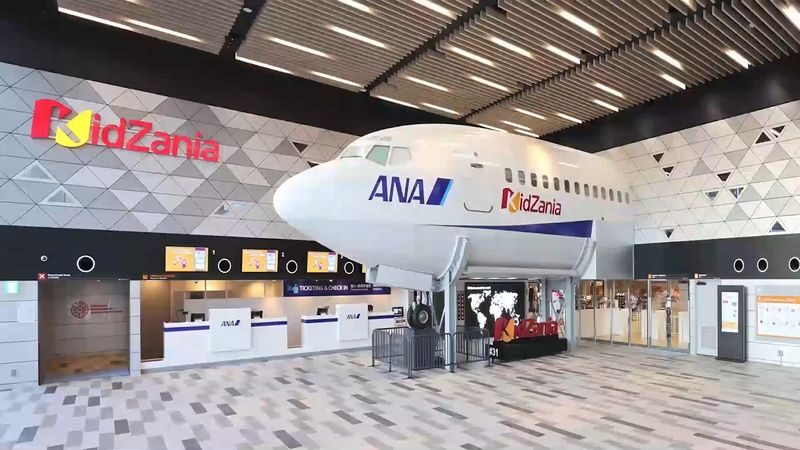
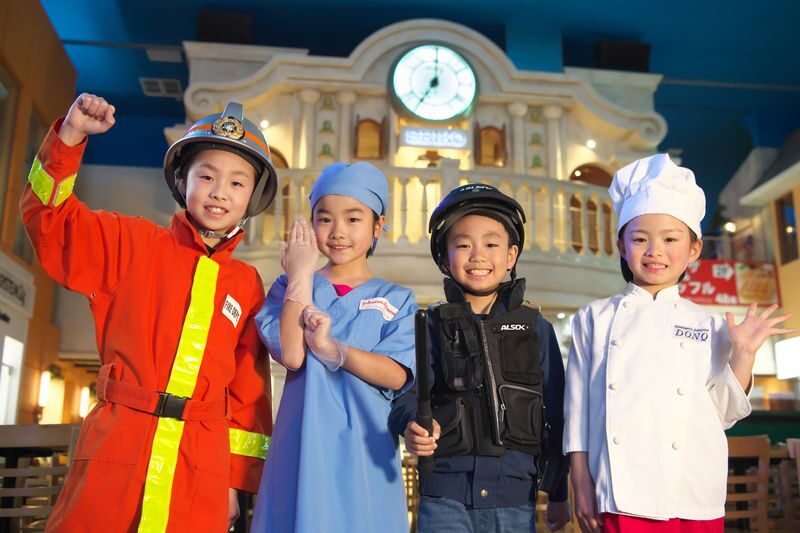
KidZania Tokyo is inside the Urban Dock LaLaport Toyosu shopping complex in Tokyo’s Koto district. Inside, children move through a small city made for role-play: they select jobs, follow activity schedules, wear work uniforms and use equipment connected with each occupation. The aim is not simply to keep children busy. It is to let them try out how work and everyday services fit together.
The experience is designed for ages 3 to 15. That is a wide span, and children may respond differently to the activities: a preschooler may be thrilled by a uniform and a short task, while an older child may want more challenge or independence. There are many job choices, but you cannot assume every activity will suit every age or interest.
This is also a place where children work alongside other children, rather than having a parent guide each step. That independence is part of the appeal. It can be a little daunting for a shy child, particularly if they do not understand Japanese, so consider your child’s comfort level before booking.
You might also be interested in these Tokyo experiences
The morning session runs from 9:00 to 15:00, giving you six hours inside the venue. The afternoon session runs from 16:00 to 21:00, a five-hour block. The ticket covers admission to the attractions, not a guided tour or a set list of jobs.
A longer morning may seem like the obvious choice, but it also asks for an early start. Numbered tickets for the first session are distributed from around 7:40, and admission begins about 30 minutes before activities start. For the second session, numbered tickets are distributed from around 10:15, with entry also beginning about half an hour before the session. Arriving early can help you get an earlier place in line and make a better start on choosing activities.
The morning may suit families who want the full six hours and can manage an early arrival. The afternoon is shorter, but it can work well if a five-hour visit feels like enough for your child. In either case, do not plan on fitting every job into one visit. The number of activities a child completes depends on availability, waiting times and how carefully you choose.
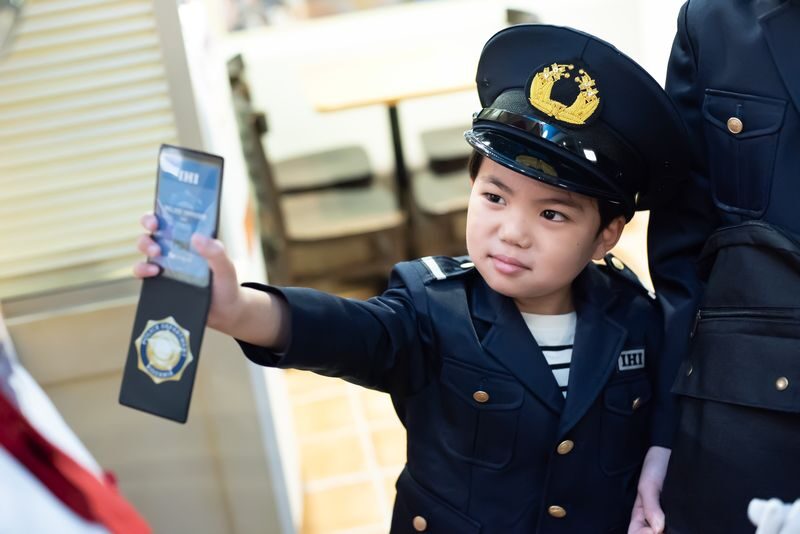
The first minutes matter. Activities are offered on a first-come, first-served basis, and places are limited. Some families report fitting in around four jobs, while others manage five, six or even seven. That range is a useful reminder: the number is not guaranteed, and a packed day does not automatically mean more activities.
Planning is part of the experience, but it can be confusing the first time. Children can sign up for only a limited number of jobs at once. Families should pay close attention to the rules for scheduling: the activity times on a child’s card can affect which later jobs they can book. A future job may leave a gap that is too short for another activity, even if the child is not occupied the entire time.
Before your visit, watch KidZania’s activity-reservation video and review its first-visit guidance. Download the app in advance if you want to check available time slots more easily. Once inside, ask staff for help understanding the sign-up system and deciding which popular activities to prioritize. A little preparation can prevent the day from becoming a string of missed slots and last-minute compromises.
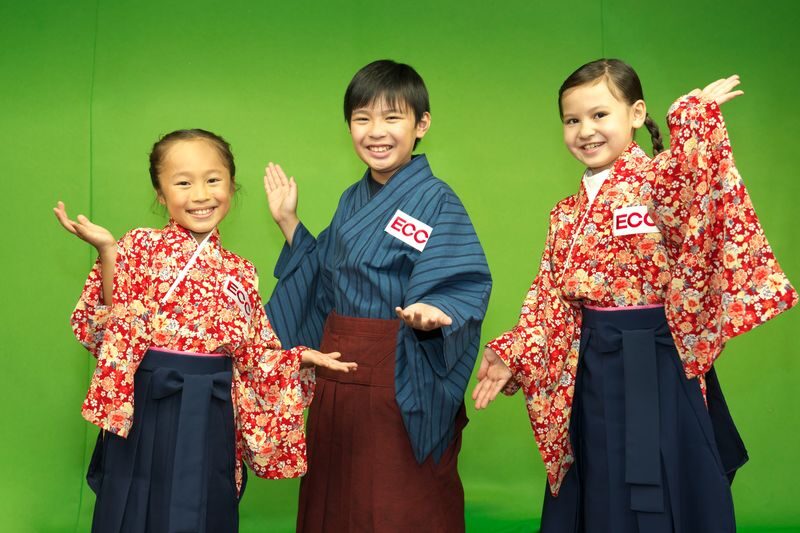
Each activity gives children a taste of a role, rather than a long lesson in a profession. They can wear a uniform, follow instructions and use tools or equipment for the task. The job list spans about 100 kinds of work and services, so a child might gravitate toward food-making, creative work or another interest. Specific activities and their availability can vary, and some have height limits.
Food-related jobs can have a tangible payoff. Children may make items such as pizza or bread, and some activities let them take home what they prepare. That helps the work feel concrete: the child has done a task, made something and can share the result. Not every job includes food, though, and you should not count on a particular activity being available when you arrive.
The experience is also built around teamwork. Children ages 3 to 15 work together, which gives them a chance to follow instructions and take turns with peers. That can be rewarding for a confident child. For a younger child, or one who needs time to warm up, the independence and pace may take some adjusting.
Parents and guardians are not allowed inside the activity pavilions. You can watch some of the work from outside, but you should expect your child to take part without you beside them. That is a key difference from a standard hands-on family attraction. If your child is uneasy about working independently, talk through what to expect before you go.
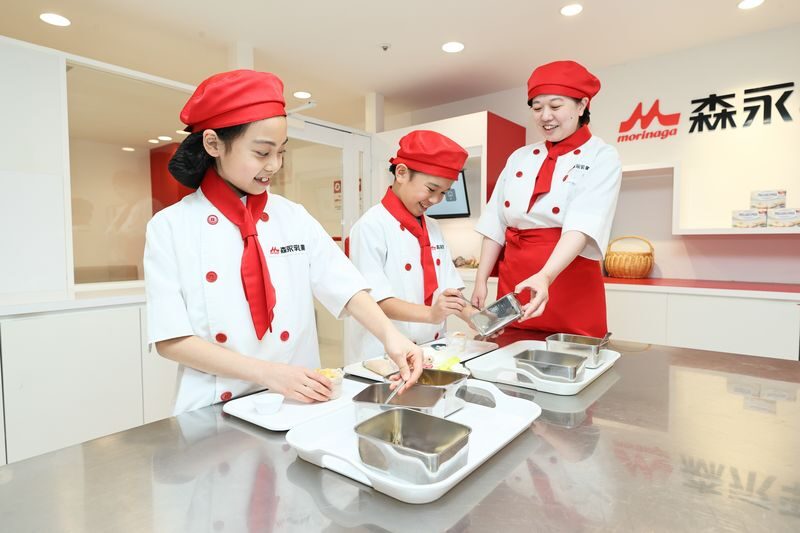
After working, children are paid in KidZo, KidZania’s special currency. They can use it for shopping or save it, adding a simple money-management element to the day. The point is less about earning a large reward and more about making the connection between doing a job and receiving pay.
Set expectations before you arrive. KidZo is part of the play system, not a promise of a major shopping spree or a valuable take-home prize. Children may enjoy the independence of deciding what to do with their earnings, but the available items and how far their money goes can shape that experience.
For parents, this part can prompt a useful conversation about spending and saving without turning the day into a formal lesson. A child who has just completed a job may be more interested in what their earnings can do than in a lecture about money. That is a modest but worthwhile benefit of the format.
Activities are conducted in Japanese except on Wednesdays, when about half are held in English. Wednesday is the clearest choice if your child would benefit from English instructions, but it does not mean every activity will be available in English. Even on an English Day, some jobs may still be in Japanese, and height restrictions can rule out certain activities.
Families who do not speak Japanese can still consider a regular day, but should go in with realistic expectations. Some children may follow demonstrations, gestures and simple instructions without much language. Others, particularly younger children, may find the process harder. Ask staff for help when you arrive, and do not be shy about asking how to use the app or plan your schedule.
Age matters as much as language. The recommended age range is 3 to 15, but a four-year-old and an eight-year-old may not enjoy the same jobs. Some activities can feel too young for older children, while the variety gives repeat visitors plenty of reasons to return and try different occupations.
Tickets start from $13.09, though the final price can depend on the session and booking details. For a child who enjoys role-play, the value comes from several hours of choosing jobs, using equipment, earning KidZo and taking part in a small working society. Compared with an attraction where the main activity is watching or riding, this one gives children a more active role.
The price includes admission to the attractions. It does not mean every job is guaranteed, and limited activity slots make the value depend partly on how early you arrive and how well you plan. Food is not included in the ticket details, and outside food and drinks are not allowed inside the venue, so plan to use the facility’s food options or check the current venue guidance before your visit.
A separate English-speaking premium tour is also offered. It includes four guaranteed work experiences, a private room, meals, souvenirs and a special Japanese cultural experience. That is a different option from the standard admission ticket discussed here, so compare the package details if guaranteed activities or more support in English matter to your family.
Your voucher is valid only for the selected date and time, and you can enter directly with it. All members of your reserved group need to be present at the entrance. An adult aged 16 or older must accompany each group; bookings made for adults only or children only are subject to cancellation.
Children under 2 are listed as free, and they cannot take part in activities. There is also a specific admission note stating that a combination of adults and infants is not allowed. Because those rules can be confusing when read together, confirm how they apply to your family with the venue before booking.
Adults may temporarily leave and re-enter under some restrictions, but children cannot leave and return. Once you leave the venue, re-entry is not allowed. The ticket has conditional cancellation terms, and changes after the cancellation deadline are not accepted, so check the terms for your chosen date before paying.
Book it if your child likes role-play, enjoys trying tasks independently and will be happy choosing a few jobs rather than racing through every option. The best payoff is not a particular occupation. It is seeing a child take responsibility for a small task, earn KidZo and decide what to do next.
Think twice if your child needs you beside them throughout an activity, has little patience for waiting or would be frustrated by Japanese-language instructions. If you do book, choose the session that suits your family, arrive early, review the reservation guidance and let your child pick a short list of must-try jobs. That combination gives KidZania’s playful working city a better chance to feel like an adventure instead of a scheduling exercise.
“My daughter was able to experience jobs she's never done before. She loves the passport book experience. I really wish that you could have 2 jobs o…”
The morning session runs from 9:00 to 15:00, or six hours. The afternoon session runs from 16:00 to 21:00, or five hours.
The activities are for children ages 3 to 15. Children under 2 cannot take part in activities.
No. Parents and guardians are not allowed inside the pavilions where children do the activities.
Most activities are in Japanese. Every Wednesday, about half of the activities are held in English.
There is no fixed number. It depends on activity availability, time slots and how the child plans the day. Some families manage around four jobs, while others fit in more.
KidZo is KidZania’s special currency. Children receive it after working and can use it for shopping or save it.
The ticket includes admission to the attractions. Food is not listed as included, and outside food and drinks are not allowed inside.
No. Children cannot leave temporarily and return, and re-entry is not allowed after leaving the venue. Adults may temporarily leave and re-enter subject to restrictions.