Physical Address
304 North Cardinal St.
Dorchester Center, MA 02124
Physical Address
304 North Cardinal St.
Dorchester Center, MA 02124

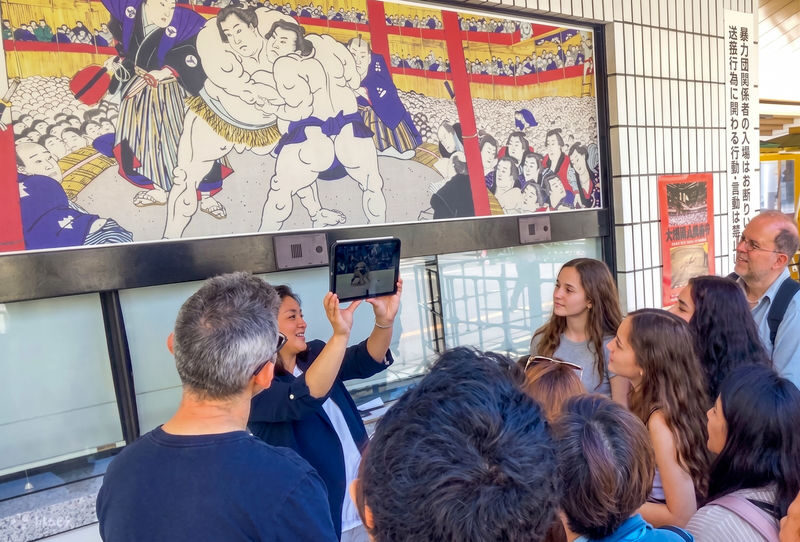
Watch real sumo morning practice in Tokyo with former sumo journalist Shinya Setsu, then explore Ryogoku’s sumo landmarks on a guided walk.
Real sumo practice is not a tidy show staged for visitors. You sit close to professional wrestlers as they warm up and spar, while a guide helps you read the ritual, effort, and force of what is happening. In Ryogoku, sumo’s Tokyo home, the action is genuine and the room’s rules matter.
I like two things especially: former sumo journalist Shinya Setsu can put the practice in context with firsthand stories, and the follow-up walk links the stable to the neighborhood’s sumo landmarks. You can ask questions after training and take a commemorative photo, which turns a fascinating morning into something you can remember clearly.
The trade-off is the early start and the need to watch quietly without disrupting practice. The schedule and viewing position can vary, so check your selected start time: one option begins around 7:25 with a longer, front-row session, while another starts around 8:15 and offers about an hour from the back.
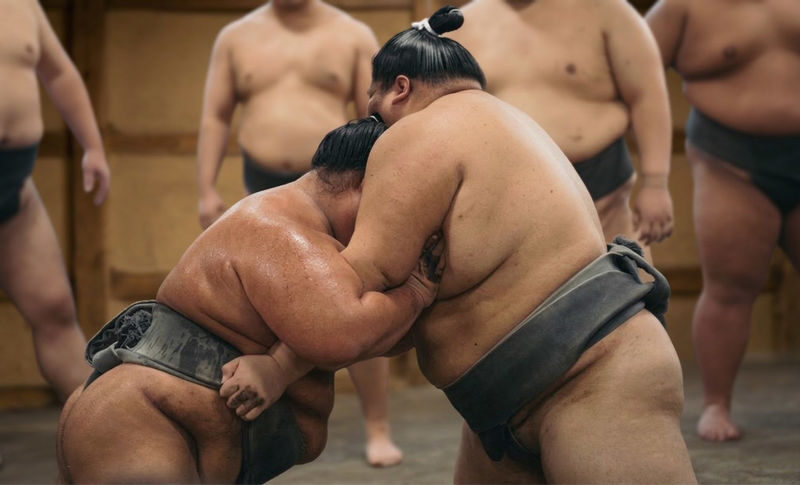
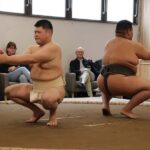
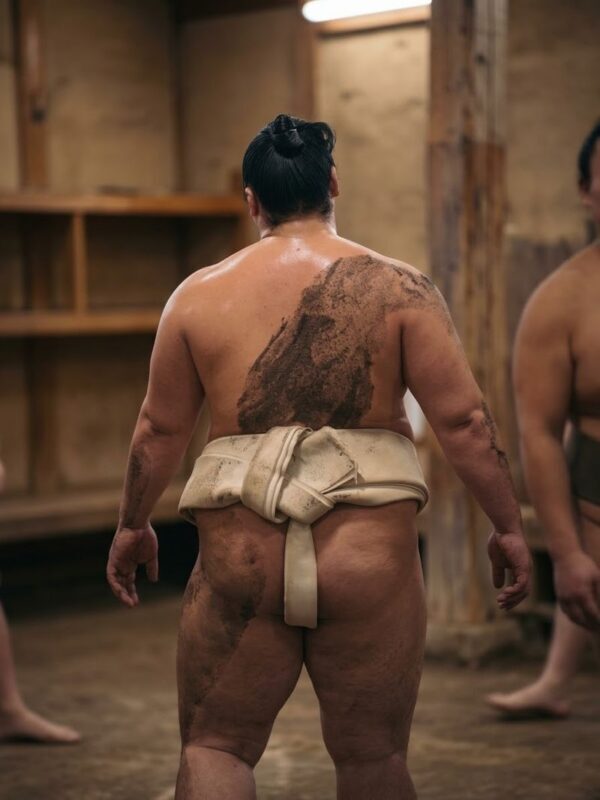
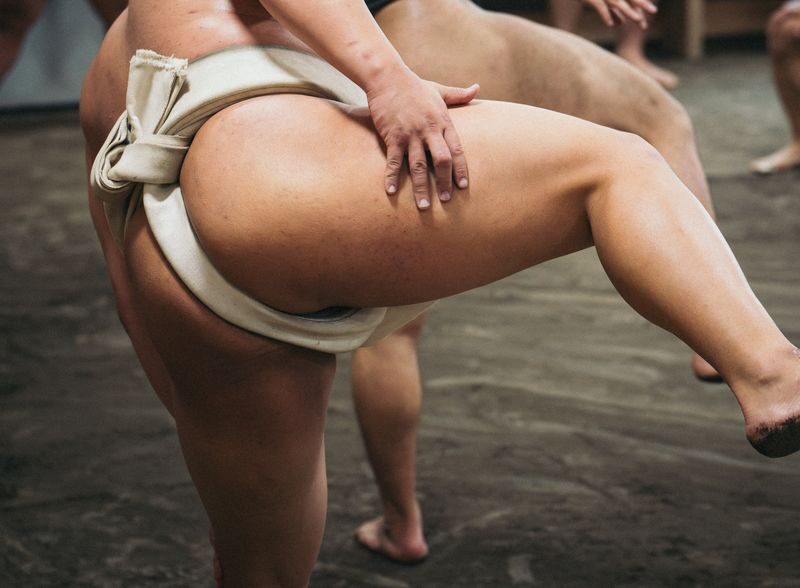
This tour gives you a look at sumo as work, not entertainment. At the stable, wrestlers train for their sport rather than perform a sequence designed for an audience. You may see warmups and practice bouts at close range, with the seriousness of the room as much a part of the experience as the collisions themselves.
That distinction matters if you are comparing this with a sumo-themed show. A show can be a lively introduction, but here the pace and content belong to the wrestlers and their training. Practice can vary by day, and the tour cannot promise a particular matchup, wrestler, or level of intensity. You are there to observe what is happening, not to request a demonstration.
The operator describes this as a specially permitted experience. Treat that access as a privilege. You are entering a working environment, not a visitor attraction, and the rules are not optional. Watch quietly, avoid unnecessary movement, and do not try to enter the stable on your own.
The meeting point is Ryogoku Station, near Exit A2 on the Toei Oedo Line. JR Ryogoku Station’s east exit is about a five-minute walk away. The operator sends meeting details by email before the tour, and you should arrive five minutes before your assigned departure time.
The listed tour window is roughly 7:30 to 10:30, but the viewing options describe an earlier 7:25 start for front-row seating and a later 8:15 start for a shorter session farther back. The observation itself is planned for about 60 to 120 minutes, though practice timing can shift. Check the exact option and instructions on your booking rather than assuming every group follows the same schedule.
This is a morning worth planning around. Eat beforehand, since food and drinks are not included and there is no meal stop listed. You will be sitting for a substantial part of the experience, so wear clothes that let you sit comfortably. The stable asks you to remove your shoes and sit either cross-legged on a cushion or on a chair, as directed.
Looking for more options in Tokyo? Here are some other experiences worth considering.
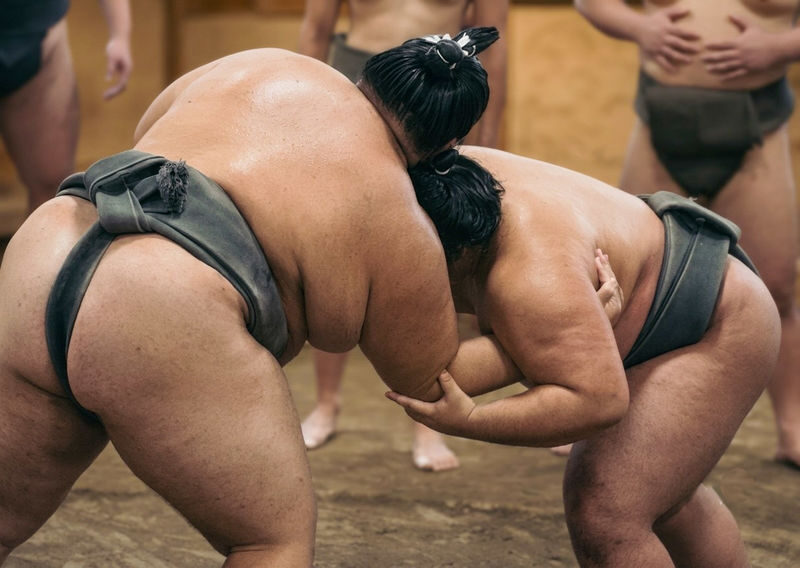
The main event is watching the wrestlers work. You may see repeated warmup exercises and bouts, with the force of each clash making the sport’s physical demands plain. Even a short exchange can show why balance, timing, and technique matter alongside size.
The strongest view is not necessarily the most comfortable one. The front-row option offers greater proximity and a longer viewing period, while the later option is described as back-row seating with about an hour of practice. If being close is your priority, choose with that distinction in mind. If you mainly want an introduction and would rather not commit to a long seated observation, the shorter option may suit you better.
Your job is to be a respectful observer. Keep quiet, do not make calls, and turn off your phone during practice. The tour information warns that breaking the rules can mean being asked to leave without re-entry or a refund. There is no direct Q&A with the wrestlers during training; save your questions for the guide afterward.
That restraint can feel unusual if you are used to interactive tours. Here, it is what keeps the experience authentic. The wrestlers are training, not there to explain their routines or pose on demand. The guide’s commentary helps you understand what you are seeing without asking the athletes to interrupt their work.
After practice, the conversation is a major part of the value. Shinya Setsu is a former national newspaper sports journalist who covered sumo. His experience gives him room to explain the sport’s customs, rankings, and daily routines, as well as to share stories from tournaments and people he has encountered through his work.
The difference between watching and understanding can be substantial. Without context, you may notice the size and force of the wrestlers but miss the details that make the sport more legible. A guide can explain what the training is meant to develop, how sumo fits into Japanese culture, and what life in a stable involves. The session includes time for questions, and some groups have also received videos or handouts to help identify wrestlers and follow the sport.
This makes the tour useful even if you are new to sumo. You do not need to know the rankings or rules in advance. If you already follow the sport, the stable setting and a guide’s professional anecdotes may add detail that a public tournament seat cannot. The experience can also make a later tournament more rewarding, since you will recognize more of what is happening.
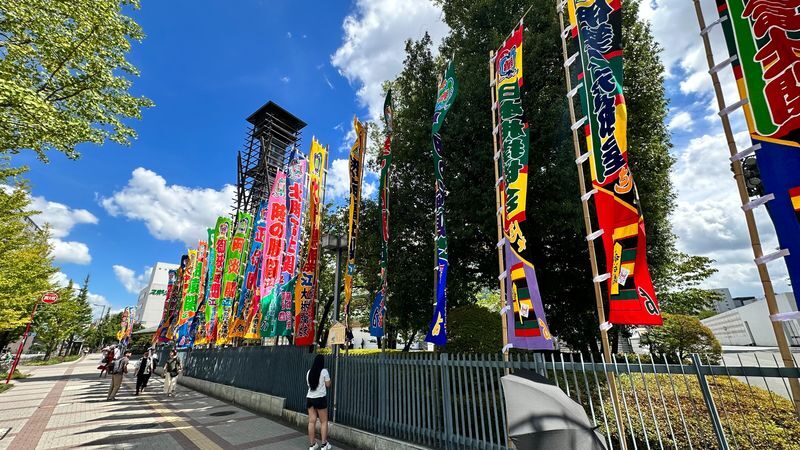
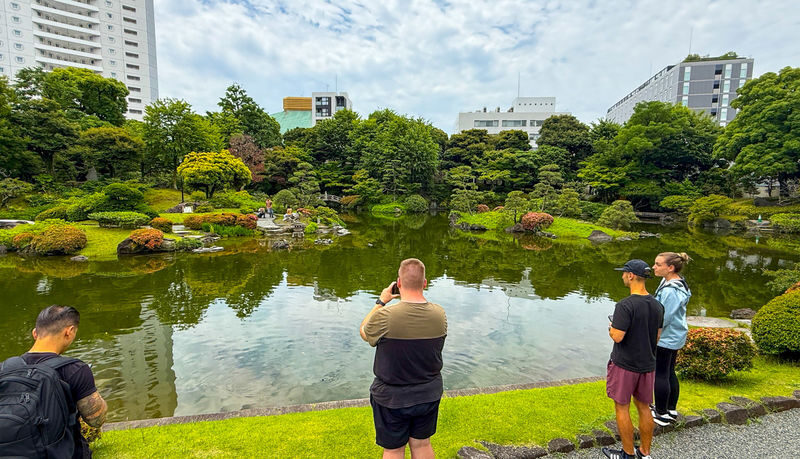
The tour does not end at the stable. The itinerary includes a short guided visit to Former Yasuda Garden and Yokoamicho Park, then returns toward Ryogoku Kokugikan. These brief stops provide a change of pace after the close, intense observation and give you a glimpse of the neighborhood beyond the training room.
Keep expectations measured for the garden and park. The listed visits are only about five minutes each, so they are short orientation stops, not full garden tours or long park visits. Their value is in connecting the morning’s central experience with Ryogoku’s wider setting.
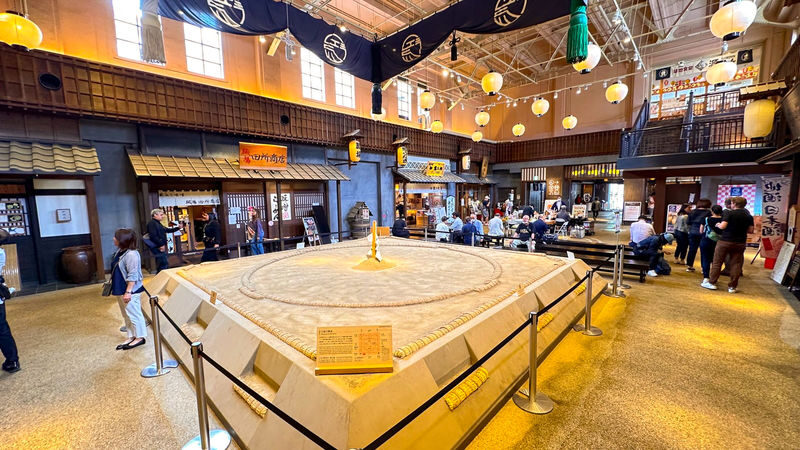
The final portion is listed as a 30-minute guided visit near the Kokugikan, with a chance to ask the specialist more questions and see real competition rings. The arena is Tokyo’s best-known sumo venue, but this tour is not a tournament ticket. The schedule may change with weather or traffic, and what you can visit inside can depend on the day. If a tournament is underway, do not assume the group will enter the arena; the practice remains the core experience.
The walk also offers a useful chance to revisit what you have seen. A question that seemed too basic during the practice may make more sense once you have watched the wrestlers move and heard the guide’s explanations. Stay for this final portion if you can. It adds context rather than simply padding the morning.
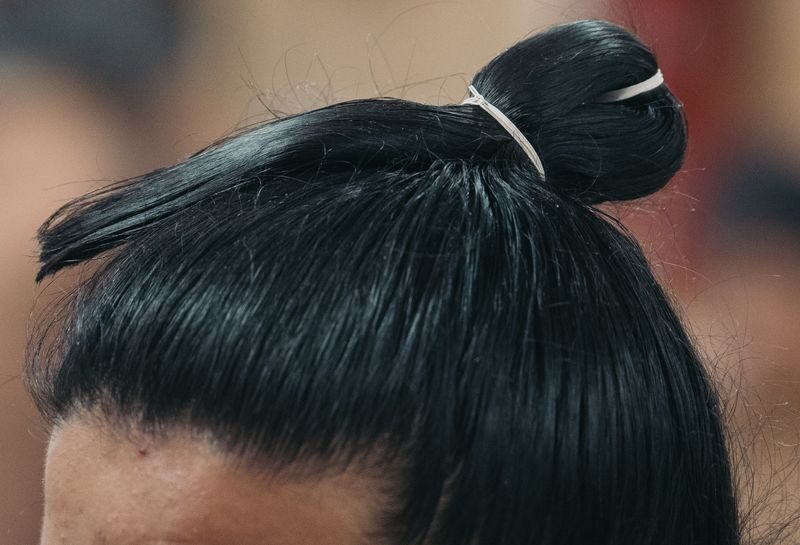
A commemorative photo with wrestlers is included as a memorable end to the stable visit. Treat it as a bonus, not the purpose of the tour. The main reward is seeing professional training at close range, and the photo opportunity comes within the boundaries set by the stable and its staff.
The experience is for participants aged four and older. Children from zero to three can attend free if they do not need a separate seat. That does not necessarily make it ideal for every young child: the practice requires quiet, still observation, and a child who finds that difficult may struggle with the setting.
Pets are not allowed, and smoking and drinking are prohibited. The voucher is mobile, valid only on the date and time booked, and changes are allowed up to 24 hours before the activity, subject to the listed booking restrictions. Cancellations made at least 24 hours ahead receive a full refund. If severe weather or another unforeseen event leads the operator to cancel, you can reschedule or request a refund.
At a starting price of $94.60, this is not simply a short walk with a sumo theme. You are paying for arranged access to a professional training environment, an English-speaking guide with sumo reporting experience, a question session, and a neighborhood walk. Admission to the sumo arena is listed as included, while meals, drinks, and personal purchases are not.
The value depends on what you want from sumo. If you mainly want to see a dramatic bout, a tournament ticket or a staged show may fit better. If you want to understand training and get close to the everyday discipline behind the sport, this tour offers something a regular arena visit cannot. The price is easier to justify if you use the guide’s time, ask questions, and stay for the walk and explanations rather than treating practice as a quick photo stop.
A few practical uncertainties remain. Training length and intensity can vary, the itinerary can change, and the listed viewing choices differ in both duration and seating. Think of the schedule as a framework, not a promise that every morning will unfold identically.
I would put this high on the list for anyone curious about sumo, especially if you prefer a real cultural experience to a staged demonstration. It is particularly useful for first-time visitors who want an expert to explain what they are seeing, and for sumo fans who would value a close look at professional training.
It is less suited to people who dislike early mornings, cannot sit quietly for an extended period, or expect to talk directly with wrestlers during practice. Families can bring children aged four and up, but consider your child’s ability to follow the quiet rules. If those conditions suit you, book the option whose start time and viewing position match your priorities, then arrive ready to listen and observe.
“Tour was great! Our guide was great and showed us all the best spots, answered all our questions, and made it a worthwhile experience. I would do t…”
The tour is listed as three hours, generally running from about 7:30 to 10:30. The practice observation and overall timing can vary.
Meet at Ryogoku Station, Toei Oedo Line Exit A2, at ground level. JR Ryogoku Station’s east exit is about a five-minute walk away.
Arrive five minutes before your assigned departure time. The tour information describes options beginning around 7:25 or 8:15, so follow the time sent by the operator.
The planned observation is about 60 to 120 minutes. The front-row option is described as lasting over 2.5 hours, while the later back-row option offers about an hour.
No. The experience is described as viewing real professional wrestlers training at a sumo stable, rather than watching a performance created for tourists.
No. You are asked to observe quietly, and questions are reserved for the sumo specialist after practice.
The tour features a sumo specialist who is a former national newspaper journalist. Shinya Setsu is named in the experience information and is described as having covered sumo.
A commemorative photo opportunity with wrestlers is described as part of the experience.
No. Meals, beverages, and other personal expenses are not included.
Participants must be at least four years old. Children aged zero to three can attend free if they do not occupy a separate seat.