Physical Address
304 North Cardinal St.
Dorchester Center, MA 02124
Physical Address
304 North Cardinal St.
Dorchester Center, MA 02124

Visit Fuji’s lakeside viewpoints, Chureito Pagoda, Oshino Hakkai and the 5th Station on a guided day trip from Tokyo.
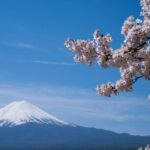
Mount Fuji is the star, but this day trip gives you four different ways to meet it: reflected in a lake, framed by the five-storied Chureito Pagoda, filtered through the ponds of Oshino Hakkai and seen from the mountain’s 5th Station. It is a lot of ground to cover in one day, with a bus doing the hard work between stops.
I like the mix of classic Fuji views and distinct places, rather than spending the whole day at one lookout. I also like that a multilingual conductor handles the route and gives context, while you explore most stops at your own pace. Guides named in accounts of past trips include Sofie, Evita, Zoe and Itsuki.
The trade-off is time: visits are brief, and traffic or weather can change the order or limit what you see. Fuji can hide behind cloud, even on a well-run day, so book this for the range of stops and convenience, not a guaranteed clear view.
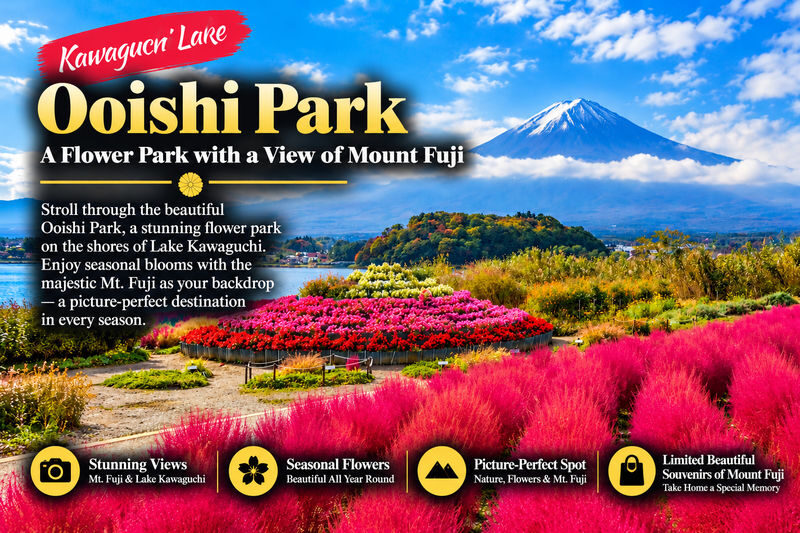
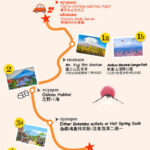
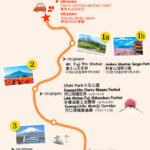
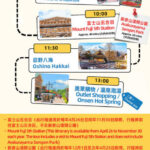
The route is designed to show you several sides of the mountain, not to give you a slow, in-depth visit at any one site. You meet near Shinjuku’s west side in the morning, then travel by bus to the Fuji area. The planned stops are Oishi Park, Arakurayama Sengen Park, Oshino Hakkai and Fuji Subaru Line 5th Station.
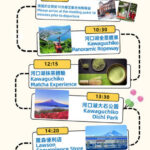
The schedule lists 30 minutes at Oishi Park, an hour at Arakurayama Sengen Park, 70 minutes at Oshino Hakkai and 40 minutes at the 5th Station. That adds up to a day with plenty of moving parts, plus the return drive. Traffic and weather can alter the timing or route, so keep your plans for that evening flexible.
A conductor speaking English, Chinese or Cantonese accompanies the group. The role is practical as well as informative: the guide shares details about Fuji and the stops, then gives directions and a time to return to the bus. At most stops, you are free to look around independently rather than follow a guide through each site.
Past guides have included Sofie, Evita, Zoe, Itsuki and Jax. The names vary by departure, of course, but clear instructions are worth a lot when you have a tight schedule and a bus to catch. Treat the guide’s return time as firm. The tour cannot refund you if you arrive late or miss the bus.
You might also be interested in these Fujiyoshida experiences
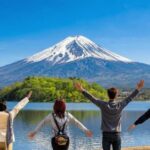
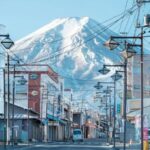
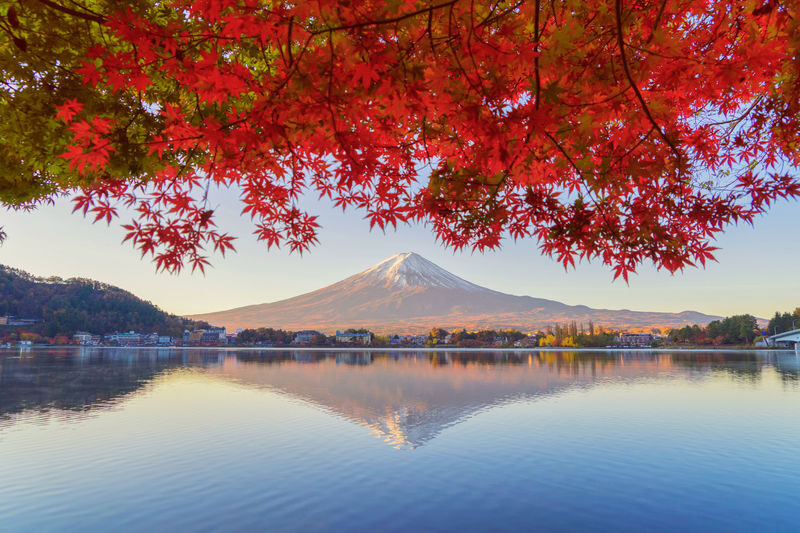
The first stop is Oishi Park, on the shore of Lake Kawaguchi. Its main draw is the view across the water toward Fuji, with a reflection possible when the lake is calm and the mountain is visible. This is a good place to start taking photos, and the open view gives you a strong sense of the mountain’s scale.
You have about 30 minutes here. That is enough for a look and a few photos, but not a leisurely lakeside visit. If Fuji is clear, make the most of the view early. Clouds can gather or shift during the day, and the mountain is never guaranteed to appear on schedule.
This is a scenic stop, not a long walk or a guided activity. Keep your camera ready, but take a moment to look up from it too. Fuji is the point, and the view can be more striking in person than through a phone screen.
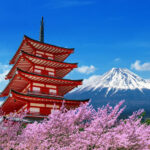
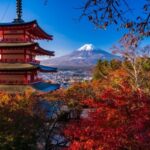
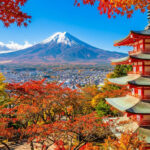
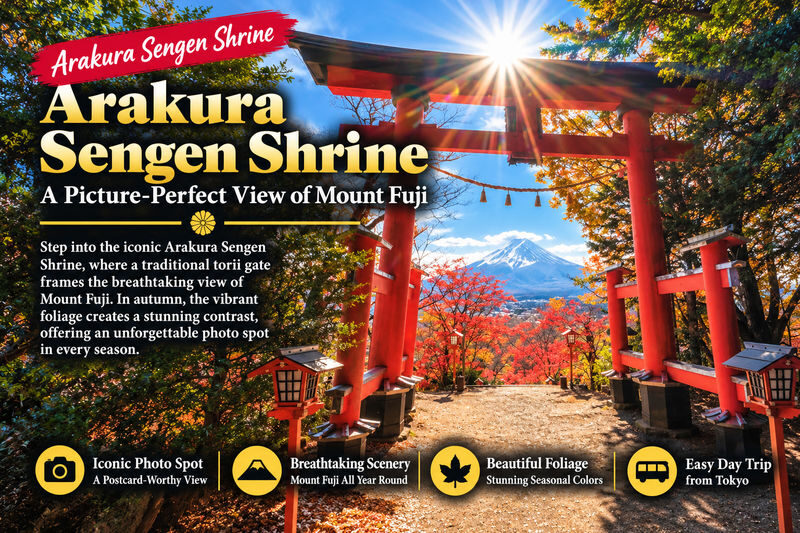
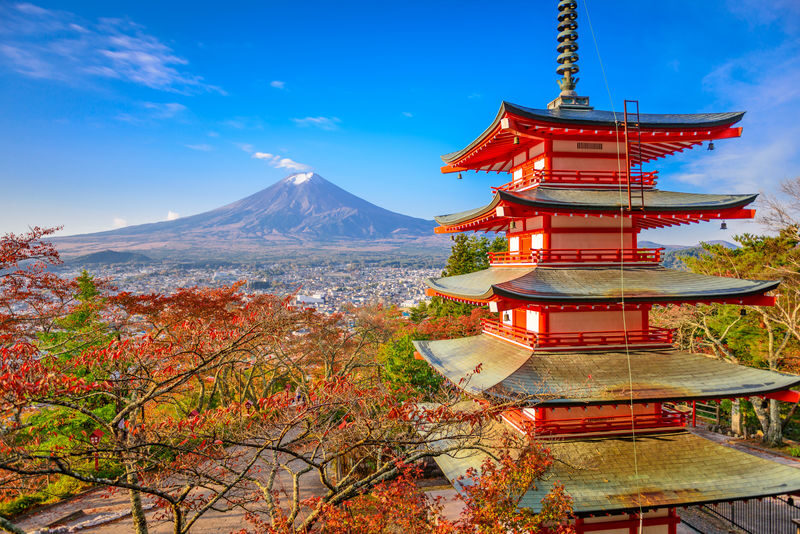
At Arakurayama Sengen Park, the familiar composition is Fuji behind the five-storied Chureito Pagoda. It is one of the area’s best-known photo viewpoints, and the combination of mountain and pagoda gives you a different frame from the open lakeside view at Oishi Park.
The stop lasts about an hour. The viewpoint involves walking within the park, so use your time sensibly and wear shoes you are comfortable moving in. The schedule is not built for a long wander; you will want to leave room to reach the viewpoint, take photos and return to the bus on time.
The reward is variety. Instead of another broad view across water, you get a landmark in the foreground and Fuji beyond it. But visibility still rules the day. If cloud covers the peak, the pagoda remains, though the classic Fuji composition may not.

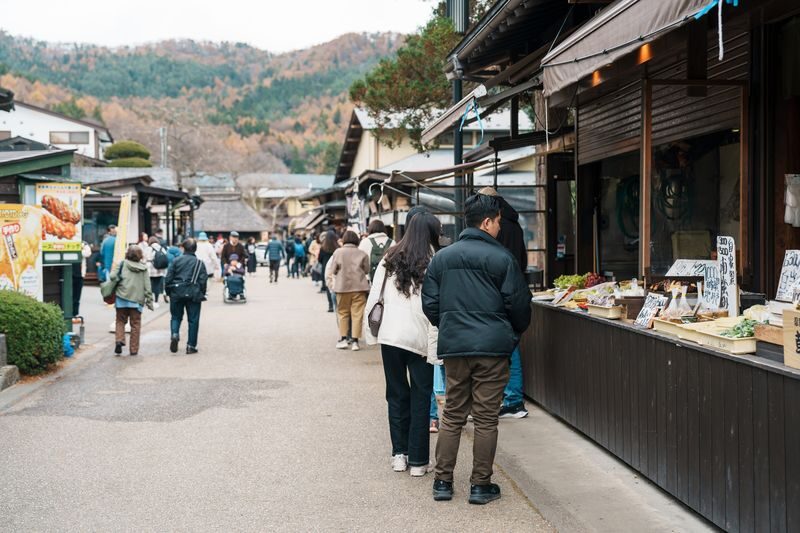
Oshino Hakkai is a group of eight sacred ponds formed by snowmelt from Mount Fuji. The water has filtered through the mountain before reaching the springs, making this stop a natural counterpoint to the big postcard views. Here the interest is close-up: the ponds and their connection to Fuji’s snow and water.
You have about 70 minutes to explore on your own. That gives you more breathing room than the shorter photo stops, but it is still a set visit rather than an open-ended break. Since the tour does not include food or drinks, bring money for your own expenses and plan to use this time carefully if you need to eat.
There is no need to turn the stop into a race for photographs. Take time to see more than one pond, then keep an eye on the clock. The bus schedule is part of the deal: everyone needs to be back before the group can continue.

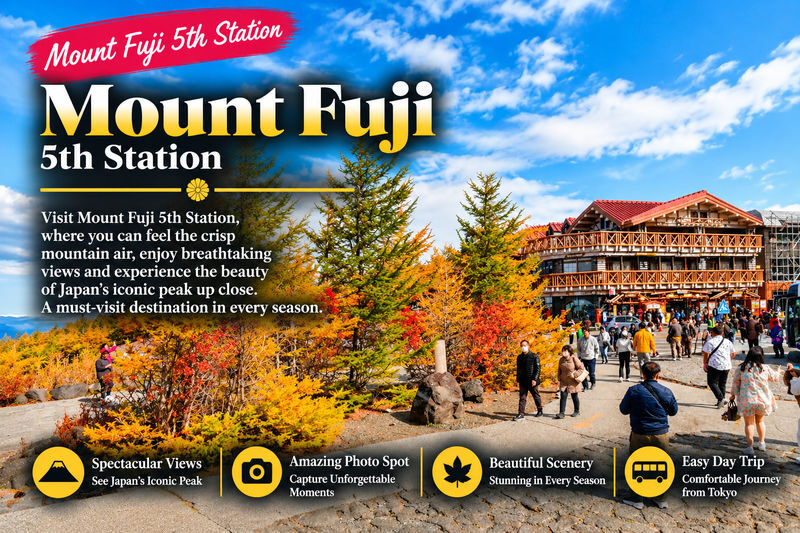
The bus next heads toward Fuji Subaru Line 5th Station. This stop offers a chance to see the mountain from higher up, rather than viewing it from the surrounding lakes and towns. It is also the point many people are especially keen to reach, and some past departures have had clear views from the station.
You have about 40 minutes there, and the stop is self-guided. Conditions matter. In winter, if the 5th Station is closed, the planned alternative is Yamanakako Flower Park. Weather and road conditions can also affect the route, so consider the 5th Station an opportunity rather than a promise.
Dress for the mountain, not just the forecast in Tokyo. One visitor described conditions at the station as minus 6°C after snow, with a sharp wind. That is a useful warning: temperatures can differ greatly from the city, so bring warm layers when travelling in cold weather, even if your day starts mild.
The meeting time is 7:45 a.m. at SMBC Bank Shinjuku Nishiguchi, with departure scheduled for 8:00 a.m. The listed return is 6:00 p.m. at the same point. Allow for a full day, and do not plan a tight dinner reservation or an important evening connection.
A drive of roughly two and a half hours is listed for the return leg. The journey out also takes time, and traffic can stretch the day. Some people find the pace efficient; others would rather spend longer at each stop. That difference comes down to what you want: a sampler of major sights or a slower visit with room to linger.
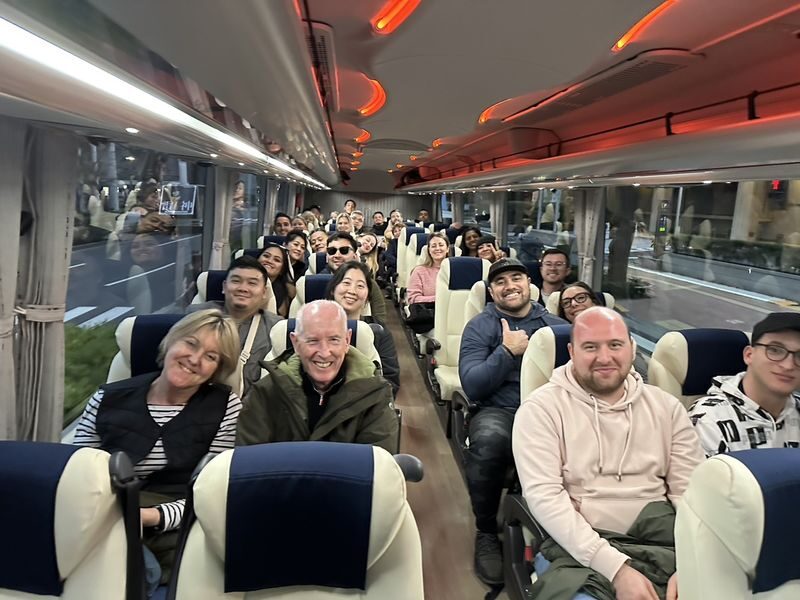
The bus is the practical advantage. Reaching several Fuji-area stops from Tokyo independently means organizing your own connections, while this tour bundles the transfers into one day. Past accounts describe clean, comfortable buses, though one cold-weather departure had a chilly bus interior. Bring a layer for the ride, too.
At a starting price of $49.29, the appeal is straightforward: round-trip transport and a multilingual conductor take care of the main logistics, and the route includes four major stops. If you want to see several sides of Fuji without arranging each transfer yourself, that can be good value.
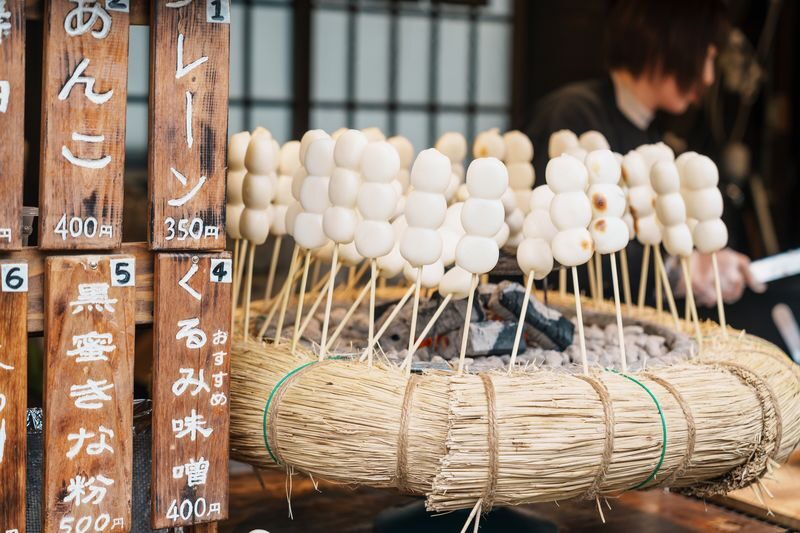
The price does not include meals, beverages or personal expenses. It also does not buy you more time at the sights. You are paying for transport, a planned route and help coordinating the day, not a private tour or a slow-paced visit. Prices can vary by package, so check that you are selecting the Shinjuku day tour if you want the departure details described here.
There are also options for a Tokyo departure and a Shinjuku tour that includes premium sake and a cruise. Those are different packages, so check what is included before booking. The route and timings in this review apply to the Shinjuku day tour.
Fuji’s visibility is the biggest unknown. You may see it from several stops, or cloud may cover the peak for much of the day. The tour cannot control that, and a change of route does not guarantee a clear view. One useful strategy is to stay flexible about what makes the day worthwhile: the ponds, pagoda and lakeside scenery still offer distinct stops if Fuji is shy.
Past departures have had very different conditions, from clear winter views to cloudy days and snow-related road closures. Winter can bring crisp views, but it can also mean cold temperatures and a closed 5th Station. In warmer months, the day may be milder, but visibility can still be uncertain. No season promises a perfect Fuji view.
The conductor may adjust the order to work around traffic or conditions. That flexibility can help, but it cannot remove the time limits. If seeing Fuji clearly is your only reason to go, consider the risk before booking. If you also want to visit the surrounding sights, the day has more to offer even when the summit disappears.
This tour makes sense if you are based in Tokyo, want to see several famous Fuji-area stops in one day and prefer someone else to handle the transport. It is also a good fit if you are comfortable exploring on your own at each stop, following time instructions and accepting that the view depends on nature.
Families can find the format workable, though it is a long day with early transport and brief visits. Children aged 0 to 2 are free; children aged 3 to 5 must travel with a paying adult, and each adult may bring only one infant. Children aged 6 and older pay the adult rate.
Choose another approach if your priority is a slow visit, a long meal or a flexible amount of time at each viewpoint. A self-arranged trip gives you more control, but you will need to organize the connections yourself. This bus tour trades that independence for convenience and a fuller checklist of stops.
Arrive at the meeting point 15 minutes early. It is by the ground floor of the SMBC Bank Shinjuku Nishiguchi branch, on the left-hand side of the Shinjuku L Tower Starbucks. The nearest exits are the JR West Gate or Metro West Gate; searching for Shinjuku L Tower on Google Maps can help you locate it.
Bring your mobile voucher and keep your luggage small. Only one piece of carry-on luggage is allowed per person, and large suitcases should be left at your hotel or in nearby station lockers. Late arrivals and no-shows are not refundable, so allow time to find the meeting point.
The tour requires at least 10 participants. If that minimum is not met, you can choose another date or request a full refund. You can cancel for a full refund up to 24 hours before the activity date, using the destination’s local time. Extreme weather may lead the operator to cancel, in which case you can reschedule or ask for a refund.
Book this trip if you want a practical, relatively low-cost way to see Oishi Park, the Chureito Pagoda viewpoint, Oshino Hakkai and, conditions permitting, Fuji’s 5th Station in one day. The strongest reasons are the range of stops, transport from Shinjuku and the conductor’s help with directions and context.
Skip it if you want to linger at every place or need a guaranteed view of Mount Fuji. The schedule is tight by design, and weather can redraw the plan. If you can accept those limits, you get a solid sampler of the Fuji area without having to piece the journey together yourself.
“Guide was amazing at explaining all the places we visited. Just the view from station 5 on Mt. Fuji made the trip worth it.”
Meet at SMBC Bank Shinjuku Nishiguchi, 1 Chome-7-1 Nishishinjuku, Shinjuku City, Tokyo. The meeting point is by the ground floor of the bank, near Shinjuku L Tower Starbucks. Arrive 15 minutes early.
The meeting time is 7:45 a.m., and the bus departs at 8:00 a.m. The scheduled return is 6:00 p.m. at SMBC Bank Shinjuku Nishiguchi. Traffic and weather can affect the schedule.
The planned stops are Oishi Park, Arakurayama Sengen Park, Oshino Hakkai and Fuji Subaru Line 5th Station. If the 5th Station is closed during winter, the route changes to Yamanakako Flower Park.
No. Meals and beverages are not included, and personal expenses are also extra.
Only one piece of carry-on luggage is allowed per person. Store larger bags, such as suitcases, at your hotel or in nearby train station lockers.
You can receive a full refund if you cancel at least 24 hours before the activity date, in destination local time. Late arrivals and no-shows are not refundable.