Physical Address
304 North Cardinal St.
Dorchester Center, MA 02124
Physical Address
304 North Cardinal St.
Dorchester Center, MA 02124

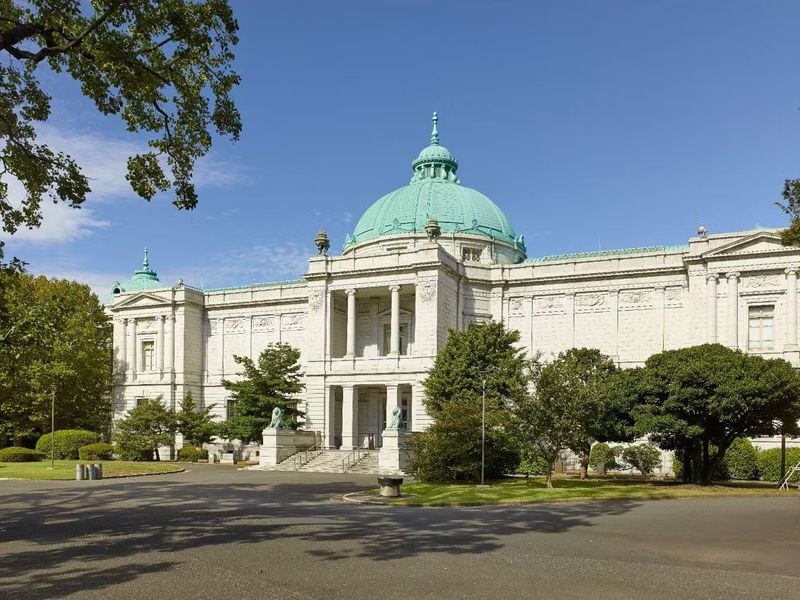
Plan a Tokyo National Museum visit with practical advice on its Japanese art, samurai objects, gardens, ticket value, opening hours, and time needed.
Tokyo National Museum brings Japanese art and history into view through objects you can study at close range: samurai swords and armor, kimonos, woodblock prints, ceramics, and Buddhist works. Its collection numbers about 120,000 objects, with more than 3,000 on display across several buildings at a time.
I like two things especially: the variety of the collection, which gives you more than one route into Japanese culture, and the steady rotation of displays, which means a return visit can bring new finds. The trade-off is scale. Two or three hours is a useful start, but walking through every building can tire your feet and still leave galleries unseen.
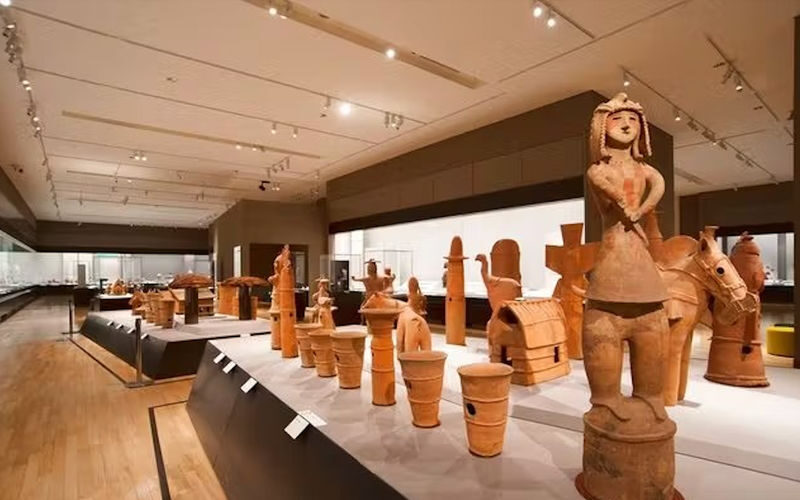
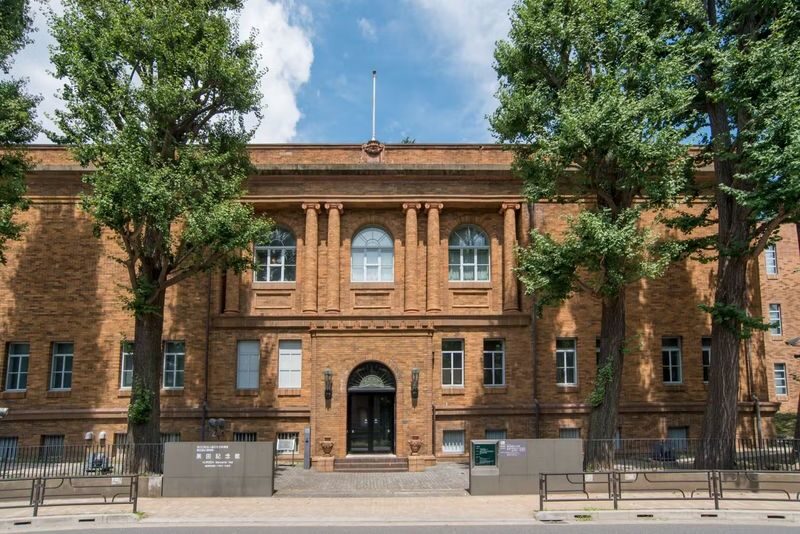
The museum’s central appeal is the chance to see Japanese art and historical objects in one place, rather than piecing the story together across a string of smaller stops. The range is wide: samurai weapons and armor, clothing, prints, ceramics, and works connected with Buddhist practice all help show how artistic styles and daily life changed over time.
I would begin with the Japanese gallery and give yourself time to look closely. A sword is more than a weapon when you can study its workmanship; a kimono is more than a beautiful garment when you notice its patterns and construction. The labels help supply context, and English explanations are available for many displays.
The museum does not put every famous work on view all the time. The regular collection changes about 370 times annually, so a specific print or object may be away from the gallery when you visit. The celebrated Great Wave off Kanagawa, for example, is not always displayed. If one work is your main reason for coming, check the current exhibition information before you set out.
Culture seekers can explore more Tokyo museums and galleries
This is not a single-hall museum. The objects are arranged across multiple buildings, with more than 3,000 on display at any one time. That is a gift if you enjoy making connections between art, religion, craft, and history. It also means the visit can become a long walk, especially if you try to cover every pavilion in one go.
The Japanese galleries make a natural starting point, but the museum also includes displays of archaeology and art from across Asia. Chinese and Korean objects can add useful context to what you have just seen in Japan. The precise balance varies with the exhibitions on view, so do not assume that every building will have the same focus on every visit.
One sensible plan is to choose a few subjects that interest you, then explore those galleries at a comfortable pace. If you have two hours, concentrate on the Japanese collection and one other area. With three hours or more, you can add another building and a garden stroll. A determined visit to all four main exhibition buildings takes stamina, and you may still want to return for what you missed.
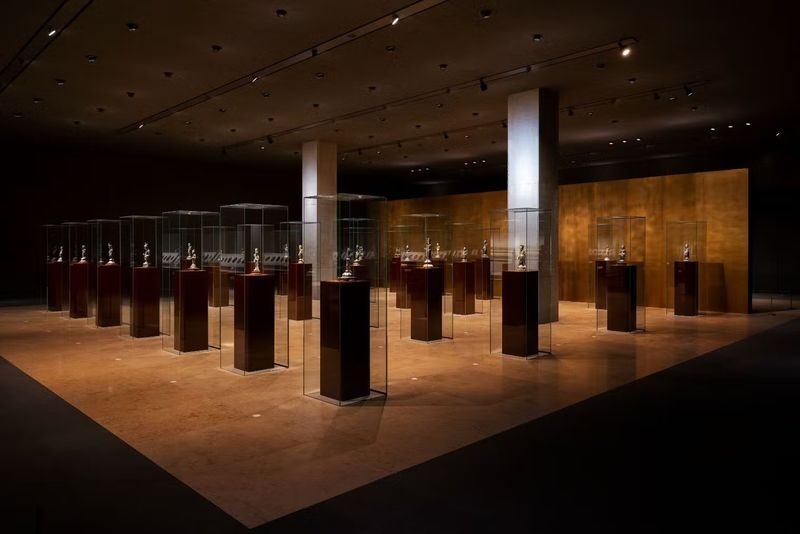
The samurai displays draw attention, but they are only one part of the museum’s appeal. The collection includes Buddhist art, ceramics, clothing, prints, and archaeological material. Taken together, these objects show how beliefs, skills, and tastes developed across different periods.
Buddhist works offer a particularly strong reason to slow down. The museum holds the oldest collection of Japanese Buddhist art in existence, and these objects give you a way to consider the role of religion in Japanese art and culture. Rather than rushing from case to case, take a moment to notice materials, forms, and the details that distinguish one piece from another.
The experience is more about looking and reading than spectacle. If you expect dramatic displays at every turn, the museum may feel restrained. That quieter approach suits anyone who wants to learn from the objects themselves, but it rewards patience more than a quick photo stop.
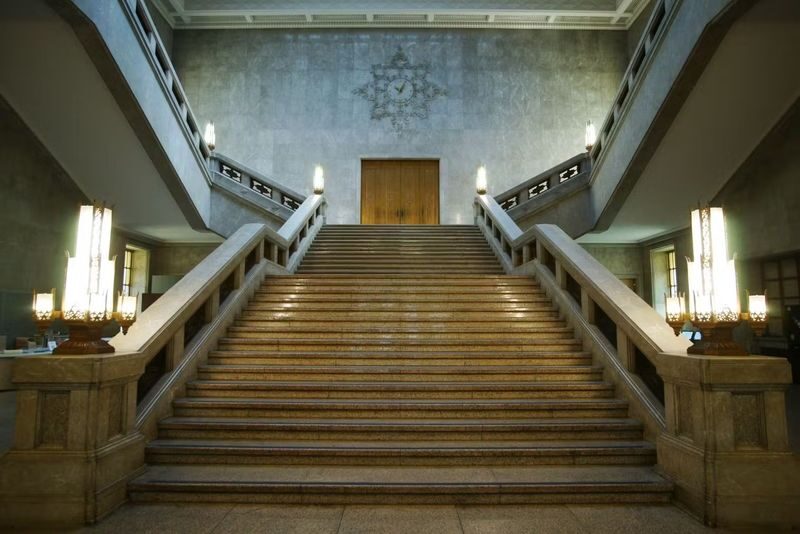
The buildings are part of the visit, not just containers for the exhibits. Take time to notice their interiors and exteriors as you move between galleries. The main building is a popular stop in its own right, and its formal rooms offer a change of pace from the object cases.
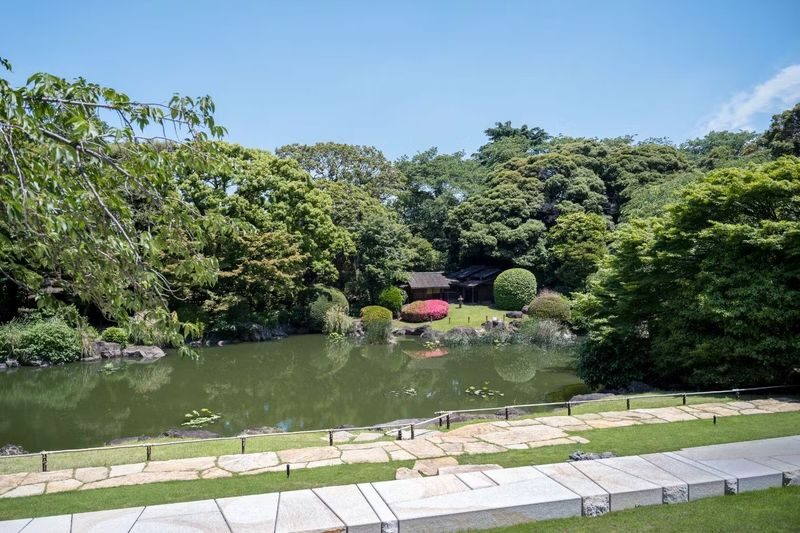
When you need a break from reading labels, head for the Museum Garden. It has year-round greenery and traditional teahouses, giving you a quieter interval without leaving the grounds. The garden is a useful end to the visit, especially after several hours indoors.
The buildings and grounds are spacious, and there are places to sit and rest. Still, do not mistake spacious for compact. Comfortable shoes matter here. If you have limited mobility or simply want to avoid an overly long day, focus on fewer buildings and take breaks rather than trying to see it all.
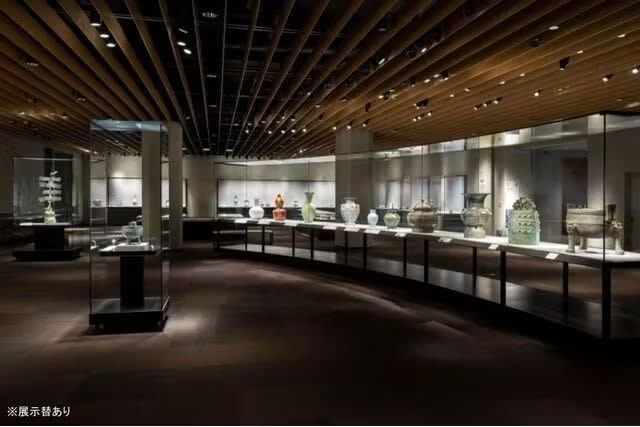
The suggested visit length is two to three hours, and that is a reasonable minimum for a focused visit. In two hours, you can see selected galleries and get a good sense of the collection. Three hours gives you more room for the buildings, a broader selection of displays, and time outdoors.
If Japanese art and history are central to your trip, plan more time. The collection is large enough that a short visit will involve choices, not full coverage. Some visitors find they need much of a day to explore at length, while others are happy with two buildings and a garden break.
A practical approach is to decide in advance what you most want to see, then leave space for an unexpected gallery or object that catches your eye. Do not race through every room to claim you have covered the museum. You will get more from a thoughtful visit to a few sections than from a hurried march through all of them.
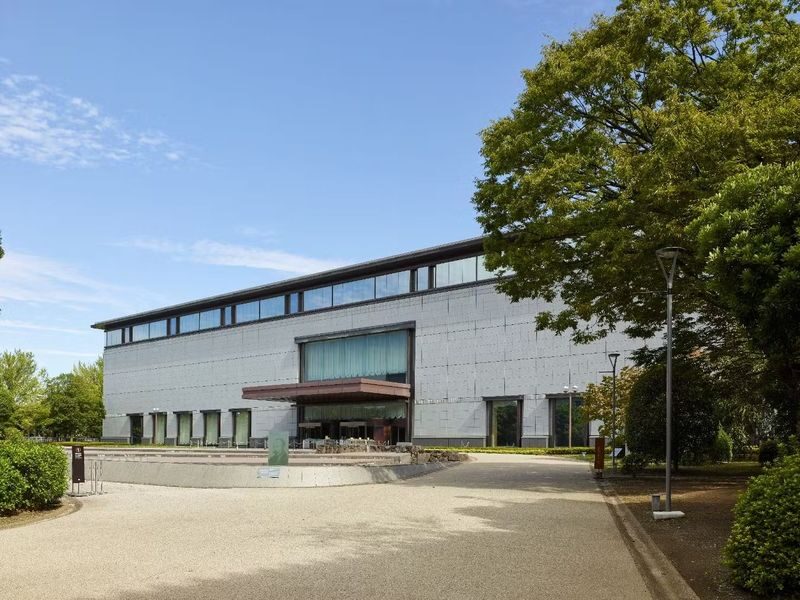
At a starting price of $6.35, admission to the regular collection is an affordable way to spend several hours in Ueno. The value comes from the breadth of the displays and the chance to see Japanese art, historical objects, and works from other parts of Asia in one visit. If you enjoy museums, the entry fee is modest for the time you can spend inside.
The basic admission ticket covers the regular exhibition, not special exhibitions. Those need a separate ticket. If a temporary show is your main interest, check its price and admission details before booking so you can budget for both.
Some visitors find the regular ticket price is the same as buying at the museum, so an advance voucher is most useful for convenience, not necessarily a discount. The mobile voucher can make entry easier, but the exact process may vary: be prepared to show your QR code and, if directed, exchange it for a paper ticket. Do not count on the e-ticket to eliminate every queue.
Children aged 0 to 17 are free, as are people over 70. High school students and younger visitors are also listed as free, with proof of age or student status required. One person with a disability and one caregiver are admitted free with appropriate documentation. A student ticket requires a student ID.
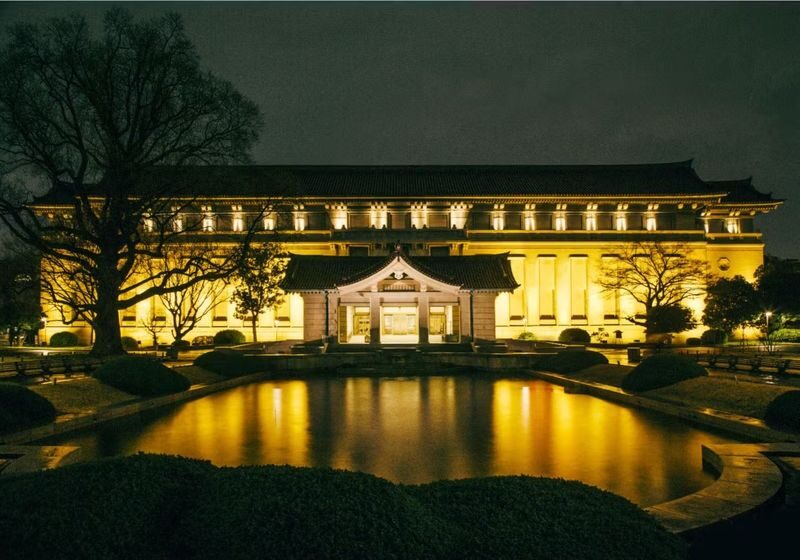
The museum is at 13-9 Uenokoen in Taito City, inside Ueno Park. It is about a 10-minute walk from JR Ueno Station’s Park Exit or Uguisudani Station’s South Exit. From Tokyo Metro Ueno Station, Nezu Station, or Keisei Ueno Station, allow about 15 minutes on foot.
There is no museum parking. If you are driving, use parking lots around the station area instead. For most visitors, the train and a walk through Ueno are the simpler option.
The published hours list 9:30 a.m. to 5 p.m. Sunday through Thursday and 9:30 a.m. to 8 p.m. Friday and Saturday, with last admission 30 minutes before closing. However, the closure notes also say the museum closes on Mondays and Tuesdays, with a different rule when Monday is a national holiday. Because those details appear to conflict, check the museum’s current calendar before choosing your day.
Temporary gallery closures can also affect what you see. The Honkan’s Galleries 7 to 10 are scheduled to close for maintenance from December 1, 2025, to April 6, 2026, and the Heiseikan Archaeology Gallery from February 2 to March 31, 2026. The Hyokeikan is open only during special exhibitions or events. Confirm current conditions before your visit, especially if a particular building or collection is a priority.
I would recommend Tokyo National Museum to anyone curious about Japanese art, Buddhist culture, samurai history, or traditional craftsmanship. It also works well for families: admission is free for children under 18, and English explanations are available for many exhibits. The variety gives children and adults different subjects to latch onto, though the scale and amount of reading may call for breaks.
You do not need to be an art specialist to enjoy the museum. A basic interest in how people lived, made things, and expressed their beliefs is enough. If you prefer interactive attractions or a tightly guided experience, this may feel quiet and self-directed. There is no named guide or guided tour included with the admission ticket.
The museum also suits a flexible Ueno day. You can spend a few hours among the galleries, then take a garden break or explore other nearby attractions. Just avoid packing the visit into a rushed gap between appointments. The grounds are easy to reach, but the collection deserves more than a quick walk-through.
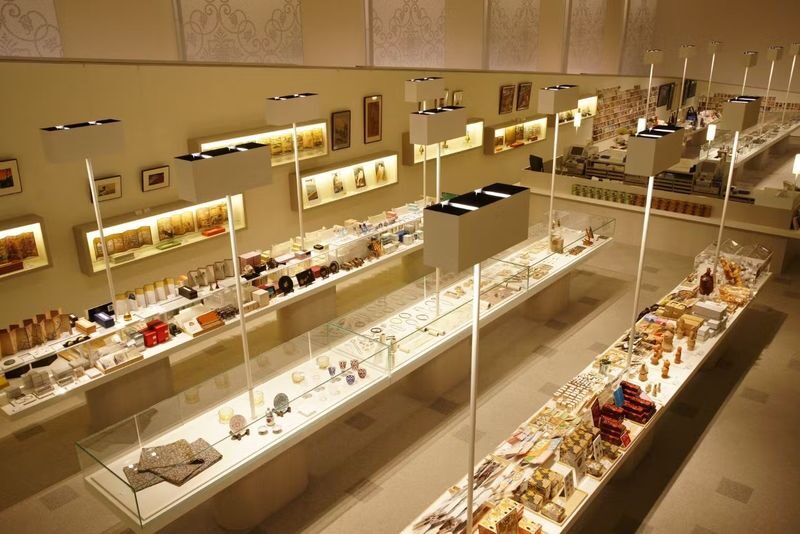
Book if you want a substantial, affordable introduction to Japanese art and history, and you are willing to choose among many galleries. The swords, Buddhist works, kimonos, prints, and changing displays make this a rewarding stop, while the garden offers a welcome pause.
Skip it if you have little interest in museum exhibits or only a short window in Ueno. And if you are coming for one famous object or a special exhibition, check what is currently on view and whether you need an additional ticket. For most visitors with a free half-day, the regular collection is a strong use of time and a good-value way to understand more of Japan.
“There are so much to see in this museum. It's so big and well maintained. Good experience”
Two to three hours is a useful visit. You can spend longer if you want to explore more of the buildings and the garden.
The ticket includes admission to the regular exhibition. Special exhibitions require a separate ticket.
Yes. Children aged 0 to 17 are admitted free. High school students and younger visitors are also listed as free, with proof of age or student status required.
The published hours are 9:30 a.m. to 5 p.m. Sunday through Thursday and 9:30 a.m. to 8 p.m. Friday and Saturday. Last admission is 30 minutes before closing. The closure information also lists Monday and Tuesday closures, so check the current calendar before going.
It is at 13-9 Uenokoen, Taito City, Tokyo 110-8712, Japan, in Ueno Park.
It is about a 10-minute walk from JR Ueno Station’s Park Exit or Uguisudani Station’s South Exit. It is about a 15-minute walk from Tokyo Metro Ueno Station, Nezu Station, or Keisei Ueno Station.
No. The museum has no parking. Use parking lots around the station area if you are driving.
Yes. Present your mobile voucher. The QR code may be scanned at entry or exchanged for a paper ticket, depending on the process in use.
The voucher is valid for 60 days from the booking confirmation date and expires at 11:59 p.m. on the final day.
Admission to the Kuroda Memorial Museum is free. It is open from 9:30 a.m. to 5 p.m., with last admission at 4:30 p.m.