Physical Address
304 North Cardinal St.
Dorchester Center, MA 02124
Physical Address
304 North Cardinal St.
Dorchester Center, MA 02124

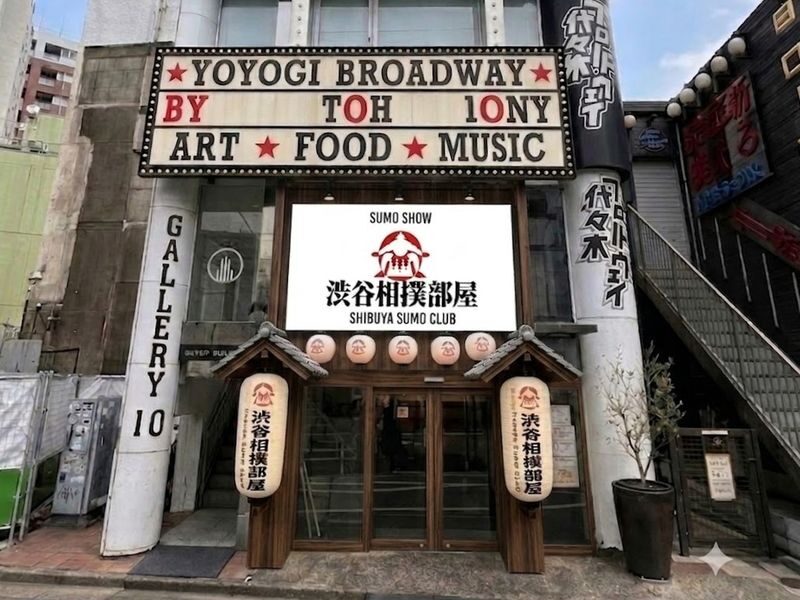
See former sumo wrestlers demonstrate ritual, technique, and live matches in Shibuya, with English commentary, a guest challenge, a drink, and a photo.
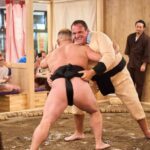
The show brings sumo close: former wrestlers demonstrate ritual and technique, then face off in matches while an English-speaking host explains what you’re seeing. It’s an accessible way to meet a sport that can be hard to follow if you’ve never watched it before.
I like two things in particular: the clear explanations of sumo’s rules and customs, and the chance to see the action from near the dohyo. The audience challenge adds a playful twist, and the photo with the wrestlers gives you a keepsake beyond the usual souvenir-shop fare.
One consideration: this is an exhibition, not a tournament, and the compact venue may mean close, sometimes cramped seating. The challenge is limited to six people per show, selected by lottery, so you may be cheering from your seat rather than stepping onto the dohyo.
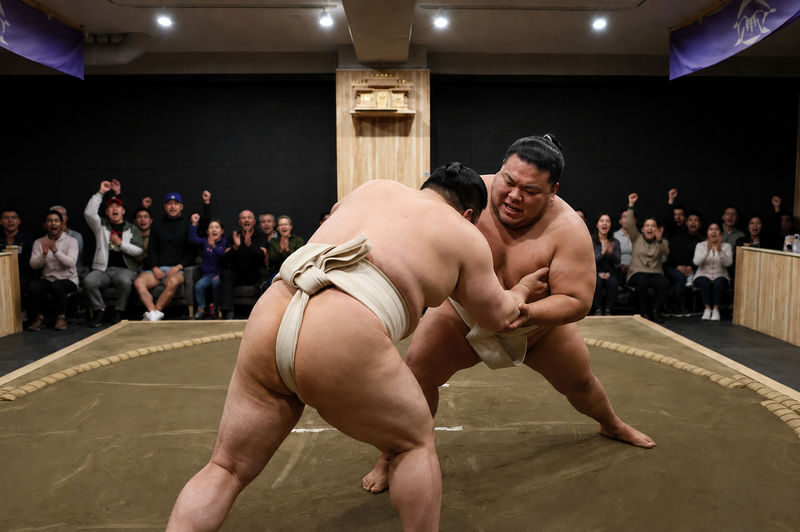
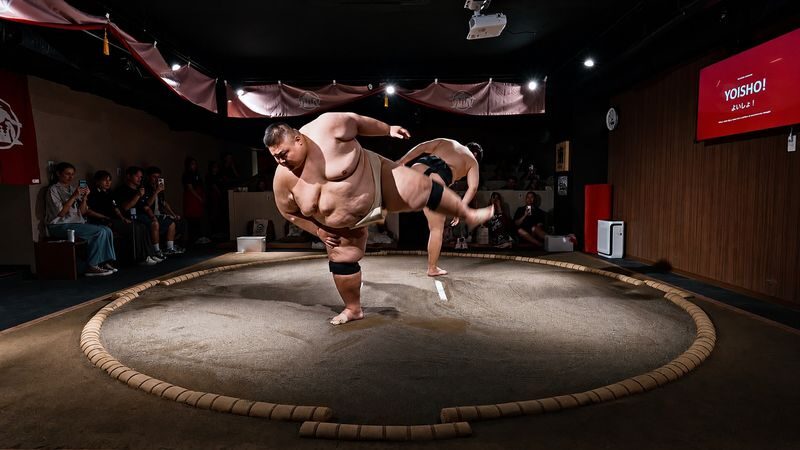
Sumo is often treated as a spectacle of size and force. The sport is also built around ritual, stance, timing, and a small set of rules that determine how a bout ends. This show puts those details within reach, with former wrestlers demonstrating the moves and an English-speaking host explaining what each one means.
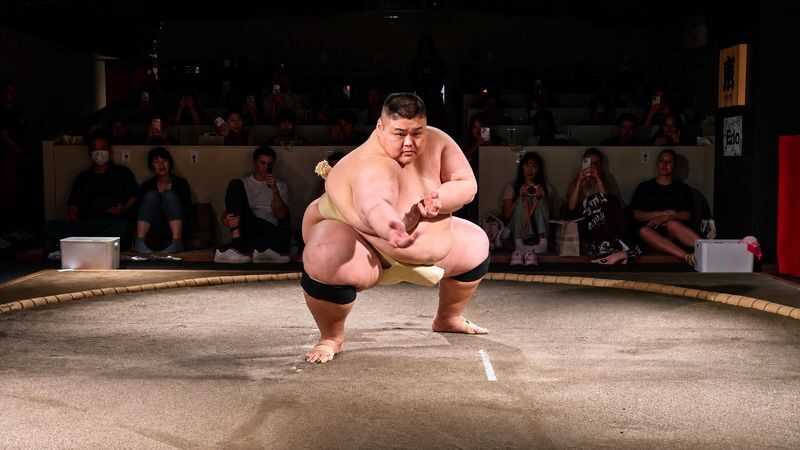
You’ll see shiko, the leg-stomping movement associated with sumo, along with winning techniques and forbidden moves. Rather than relying on you to recognize a clever throw or a boundary loss, the host pauses to make the action legible. That’s useful if this is your first encounter with the sport, or if you’ve watched a bout before but found the rules hard to keep straight.
The commentary is a central part of the experience, not just background chatter. The host explains sumo’s history and traditions, and there is a Q&A session, so you can ask about what you’ve just seen. Presenters named in accounts of the show include Shane, Rio, Ken, John, Theo, Paula, and Jasmine. Hosts can vary by session, but the emphasis is on lively English-language explanations.
That teaching style has a trade-off. If you want an uninterrupted display of bouts, stopping to explain techniques may break the flow. If you’d rather understand what is happening than watch a string of unfamiliar moves, those pauses are part of the value.
You might also be interested in these Tokyo experiences
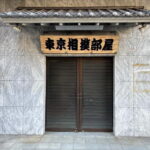
The show takes place at Shibuya Sumo Club, in the Daiichi Silver Building at 5 Chome-20-11 Sendagaya, Shibuya, Tokyo. It’s a short walk from JR Yoyogi Station, a handy location if you’re coming from elsewhere in the city by train. Don’t assume the name means the venue is right beside the Shibuya Scramble Crossing: the address is in Sendagaya, near Yoyogi.
The listed program combines demonstrations, explanations, matches, audience participation, and a Q&A. You’ll learn about the sport while watching the wrestlers show their skills, rather than being asked to absorb a long talk first. The pace should suit a mixed group: there’s visual action for children and first-timers, with context for adults who want more than a photo opportunity.
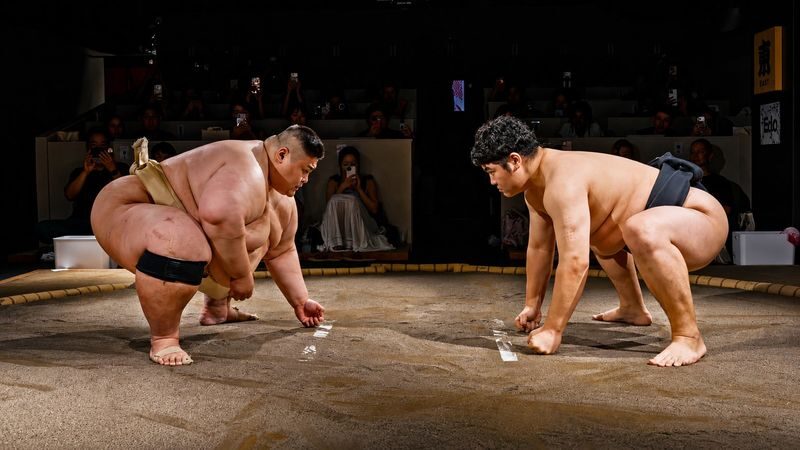
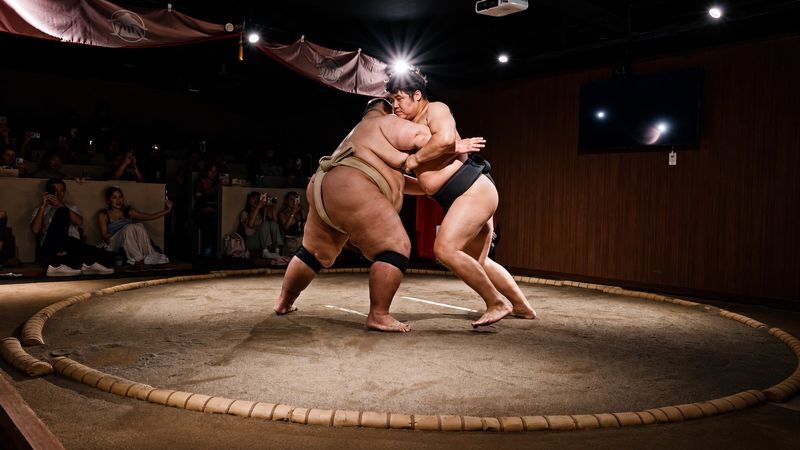
The wrestlers’ physical strength and stamina are part of what makes the show compelling. You see not only a clash of bodies, but also how a wrestler uses balance and technique to force an opponent out of position. The host’s commentary helps you spot those details instead of seeing only the final push.
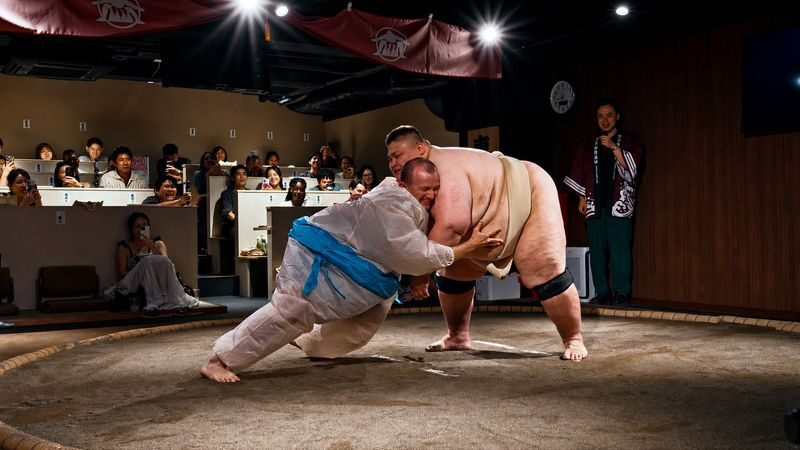
The experience ends with the Sumo Challenge, where selected participants test their strength against a former wrestler on the dohyo. This is a lighthearted audience activity, not a test you need to train for, but don’t count on being chosen. Only six people take part per show, with names selected by lottery. Children have sometimes joined in and enjoyed it, but selection is still luck of the draw.
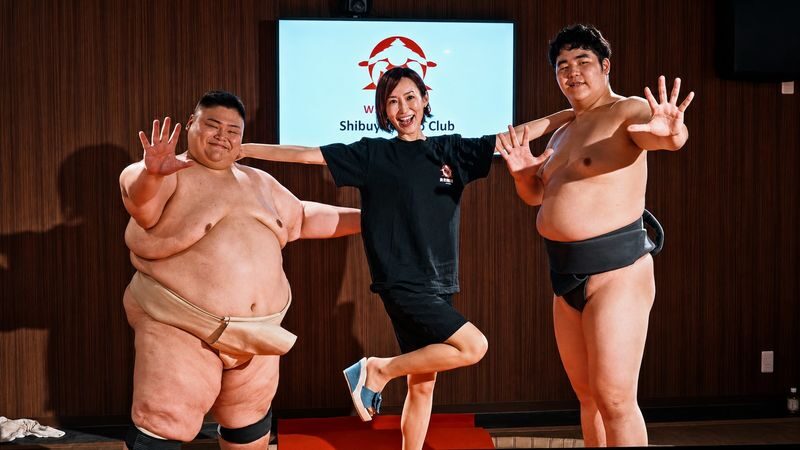
Afterward, you can take a commemorative photo with the wrestlers. That final moment helps turn an entertaining show into a more personal memory of your visit. The experience is designed for couples, families, and groups of friends, and the interactive format gives children something to look forward to even if the rules are new to them.
Show options include sessions at 9:30 a.m. and 2:30 p.m., as well as sessions at noon, 5 p.m., and 7:30 p.m. The times available depend on the package you choose. The morning and afternoon options are shown with return times of 11 a.m. and 4 p.m., respectively, which makes those scheduled windows 90 minutes long. The experience is also described as one hour, so check the timing attached to your chosen session and leave a little breathing room in your day.
The meeting point is the club at the Daiichi Silver Building, one minute on foot from JR Yoyogi Station. You meet there rather than being picked up elsewhere. Plan to use the selected departure time: the booking is valid only on the date and time specified, and the exact confirmation details arrive after booking.
Bottled water is included. Other drinks and snacks are available for purchase at the venue, so don’t assume the included drink is a choice from a full menu. Tips and personal expenses are not included.
The venue is not wheelchair-accessible. Infants may enter free but must sit on a guardian’s lap, and children aged 13 and over pay the adult rate. Free cancellation is available with at least 24 hours’ notice before the activity date, in local time.
With prices starting at $42.15, this is not simply a seat at a match. You’re paying for a short, guided introduction to sumo, live demonstrations by former wrestlers, English commentary, audience interaction, bottled water, and a photo opportunity. If you’re curious about the sport but unlikely to build a trip around a tournament, that combination can make the cost worthwhile.
The value depends on what you want. For a first-time visitor, the explanations are a genuine advantage: you can learn what a wrestler is doing as you watch, rather than leaving with a blur of stomping and force. The hands-on challenge and post-show photo also give the hour a more participatory feel than a standard performance.
On the other hand, this is a tourism-focused exhibition, not a formal tournament or a full-day cultural program. If your priority is watching a long, uninterrupted competition, this format may feel too staged or too stop-and-start. And if you don’t enjoy small venues or close seating, that is worth weighing before booking.
I’d recommend it to you if sumo interests you but you don’t know the rules, or if you’re looking for an activity that gives a family or group something to do together. The English commentary lowers the barrier for newcomers, while the demonstrations make the sport easy to follow without prior knowledge. The chance for children to join the challenge, if selected, can be a memorable bonus.
It also suits a tight Tokyo itinerary. The venue is close to Yoyogi Station, and the scheduled sessions make it easier to fit the show around other plans. Still, leave room for the difference between the advertised one-hour duration and the 90-minute start-to-return window shown for some sessions.
You may want to skip it if your ideal sumo experience is a live tournament, or if you prefer performances without explanatory pauses and audience participation. This show trades tournament atmosphere for access and understanding. For many first-timers, that’s a sensible exchange; for a committed sumo fan, it may be more introduction than deep sporting event.
Book it if you want a lively, English-friendly introduction to sumo with real demonstrations, a chance to ask questions, and a photo at the end. The strongest reasons to go are the clear explanations and the chance to see former wrestlers perform up close. Keep your expectations grounded: it’s an exhibition, the challenge is by lottery, and the room is compact. If those terms suit you, it’s a practical way to make sumo part of a Tokyo visit without building your day around a tournament.
“cool new experience learnt a lot about sumo history.”
No. It is an exhibition show featuring demonstrations and matches, not a real tournament.
It is advertised as one hour. Some listed start and return times span 90 minutes, so check the schedule for the session you select.
Show options include 9:30 a.m. and 2:30 p.m., plus noon, 5 p.m., and 7:30 p.m. Available times depend on the package selected.
Yes. An English-speaking guide and English-speaking staff are included, and the show features English commentary.
Possibly. Up to six people per show are selected by lottery to join the challenge against a former sumo wrestler.
Meet at Shibuya Sumo Club in the Daiichi Silver Building, 5 Chome-20-11 Sendagaya, Shibuya, Tokyo. It is a one-minute walk from JR Yoyogi Station.
Bottled water is included. Other drinks and snacks are available to buy at the venue.
Infants can enter free but must sit on a guardian’s lap. Children aged 13 and over are charged the adult rate.