Physical Address
304 North Cardinal St.
Dorchester Center, MA 02124
Physical Address
304 North Cardinal St.
Dorchester Center, MA 02124

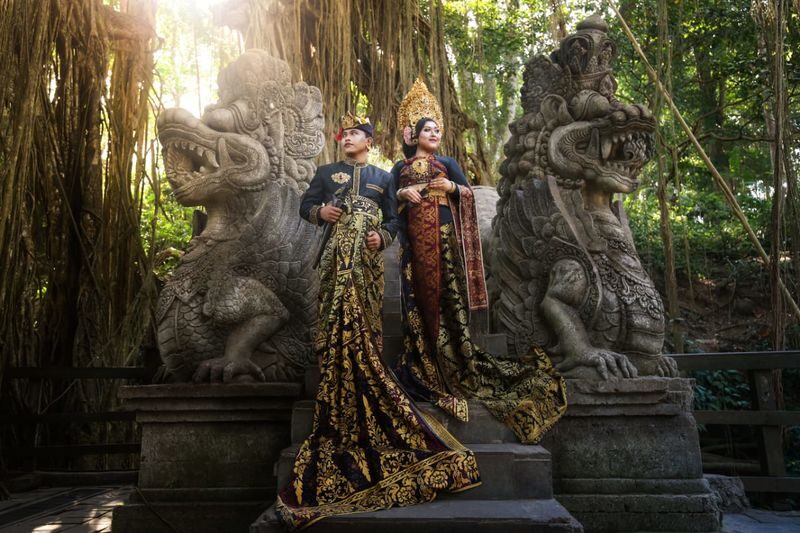
Walk shaded forest paths among free-roaming macaques and Hindu temples at Ubud’s Sacred Monkey Forest, with practical ticket, safety, and timing advice.
The most memorable part of Ubud’s Sacred Monkey Forest is the close view of macaques living freely among thick trees, temple stonework, and winding paths. It’s not a zoo visit with animals behind barriers; you share the grounds with them, so a peaceful stroll can turn into a lively lesson in keeping your bag zipped.
I like two things in particular: the cool, green walking paths offer a welcome break from Ubud’s streets, and the forest’s three Hindu temples give the visit cultural interest beyond monkey-watching. The international ticket starts at US$5.59, a modest price for a flexible outing.
One caution: these are wild animals, not trained performers. Some macaques may approach or grab loose items, and the paths include slopes and stairs, so keep your belongings close and take your time.
Key points
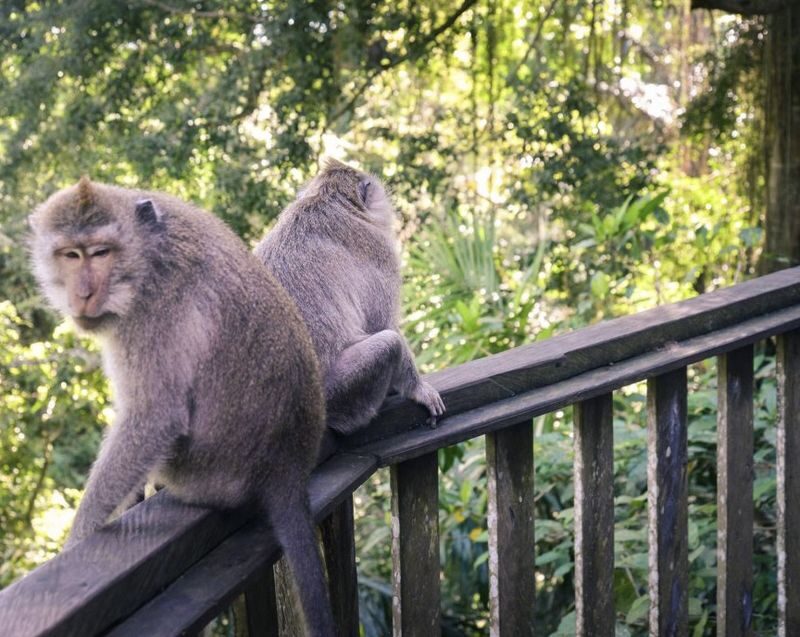
The Sacred Monkey Forest Sanctuary sits on Jalan Monkey Forest in central Ubud. Its densely wooded grounds are home to Balinese long-tailed macaques, along with a variety of plants and three Hindu temples. The forest is not simply a place to pose beside an animal. It is a sanctuary with a conservation purpose, guided by the Hindu principle of Tri Hita Karana.
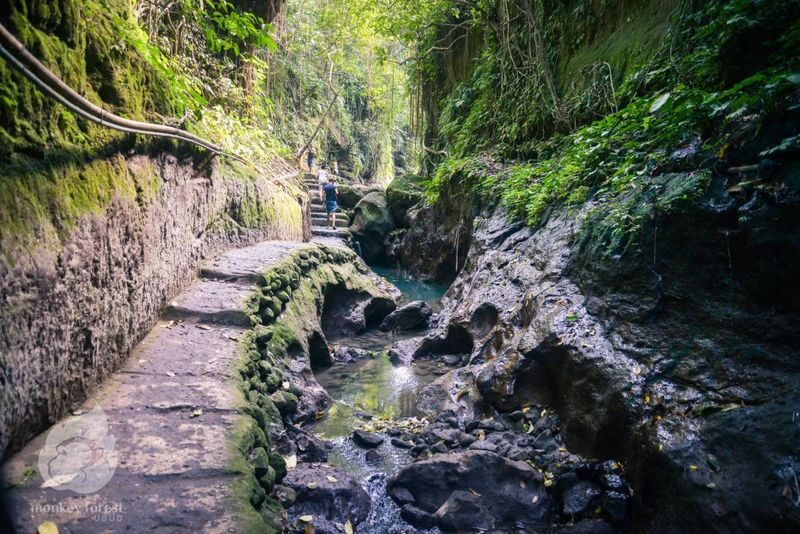
That setting is the reason I’d make room for the visit. You can watch monkeys move through the trees, rest in the shade, and explore the temple grounds at your own pace. The experience feels less like a quick wildlife stop when you take time to notice the forest itself: the mix of greenery, stone figures, and paths beneath the canopy.
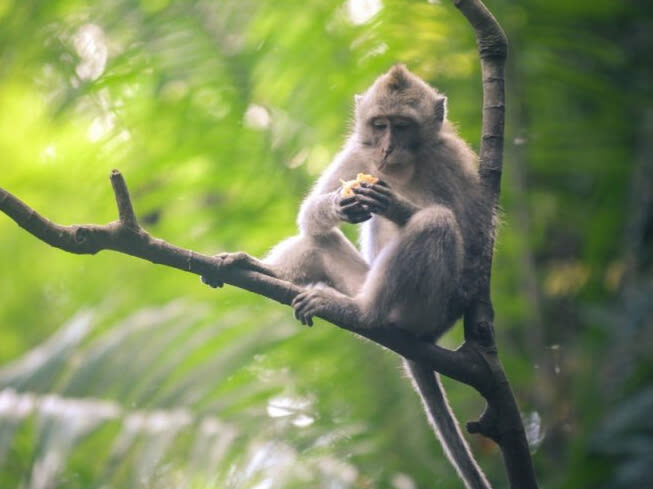
The macaques are accustomed to people, but they remain wild. Many may ignore you; others may come near while looking for food or checking out something within reach. A monkey can snatch an item quickly, particularly if a bag is open or a loose object catches its attention. The practical rule is simple: look, don’t touch, feed, stare down, or try to coax them closer.
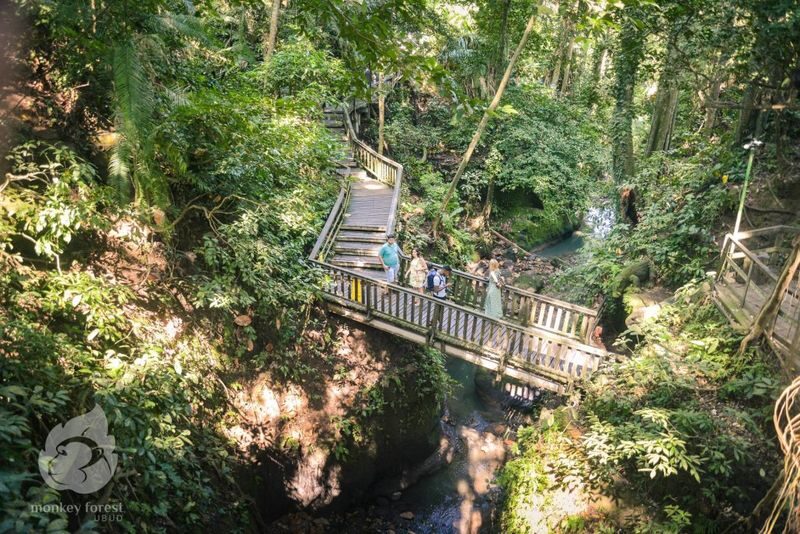
There is no set guided itinerary attached to the basic admission ticket. You enter the sanctuary and explore on foot, choosing where to pause as you encounter forest paths, temples, plants, and monkeys. That freedom suits visitors who prefer an unhurried walk rather than a timed tour, though the layout may not feel immediately obvious to everyone. One person found the paths confusing and had to backtrack, so it helps to pay attention to signs and the route as you go.
Expect a natural setting rather than a manicured garden stroll. The forest is lush and shaded, but the ground rises and falls, and there are stairs in places. One visitor who planned for about an hour ended up staying for more than two, while others found the area manageable as a shorter stop. Your pace, interest in the temples, and luck in spotting monkeys will shape the visit.
The main event is not a guaranteed close encounter. You may see macaques sitting near the path, climbing, grooming, or moving through the trees. There may be babies among them, but animal behavior varies. Feeding times can bring more monkeys into view, though no schedule is provided, so don’t plan your day around a specific feeding hour.
You might also be interested in these Ubud experiences
The sanctuary includes three Hindu temples, with the main temple used for religious ceremonies and rituals. Their presence gives the forest a spiritual dimension, not just a scenic backdrop. You can appreciate the carved and weathered details from the visitor areas while remembering that this is also a place of worship.
The forest’s conservation mission is tied to Tri Hita Karana, a Balinese Hindu principle concerning harmony. That context helps explain why the grounds are not just an attraction built around animals. The natural habitat, religious sites, and rules for visitors all form part of the experience.
Take a moment to look beyond the monkeys. The dense tree cover makes the walk feel cool and secluded, and the plant life adds variety to the route. If you arrive expecting a nonstop parade of macaques, you might find the quieter stretches less exciting. If you enjoy the combination of wildlife, greenery, and temples, those quieter sections are part of the appeal.
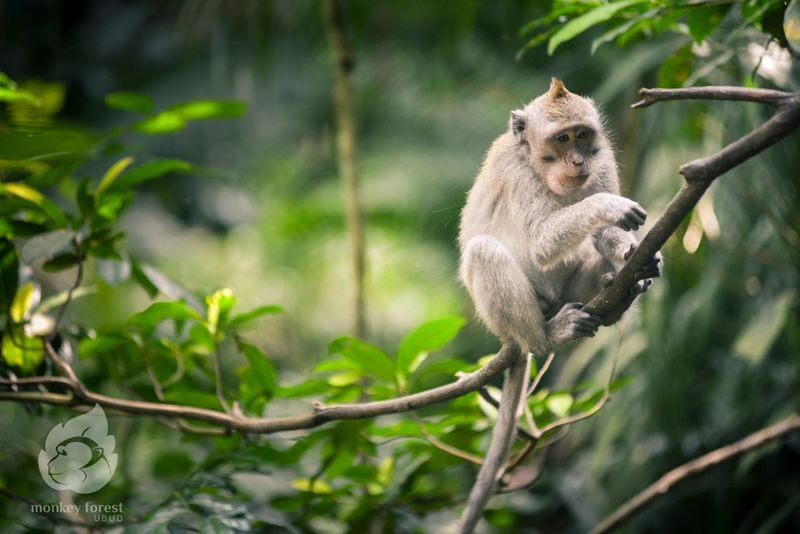
The macaques are often calm around people, but calm does not mean predictable. They may approach if they see food or notice an open bag. Keep zippers closed, hold small belongings securely, and avoid carrying tempting items in an exposed pocket. Do not bring snacks to feed them, and never try to touch or intimidate a monkey.
Follow the sanctuary staff’s directions and posted rules. Feeding is not allowed without staff permission. Littering, hiding food, and using plastic bags are discouraged, and outside food and drinks are prohibited. Smoking and drinking are also forbidden; staff may ask anyone who breaks those rules to leave.
These guidelines protect both you and the animals. A monkey reaching for a snack or personal item can quickly turn a relaxed stroll into a stressful moment, especially for children. If a macaque comes close, stay calm, give it room, and follow staff guidance rather than trying to chase it away or retrieve an item yourself.
Staff are present around the forest, which can be reassuring when you have a question or need help. Still, their presence is not a reason to let your guard down. The best visit comes from treating the animals as wild residents, not as props for a photo.
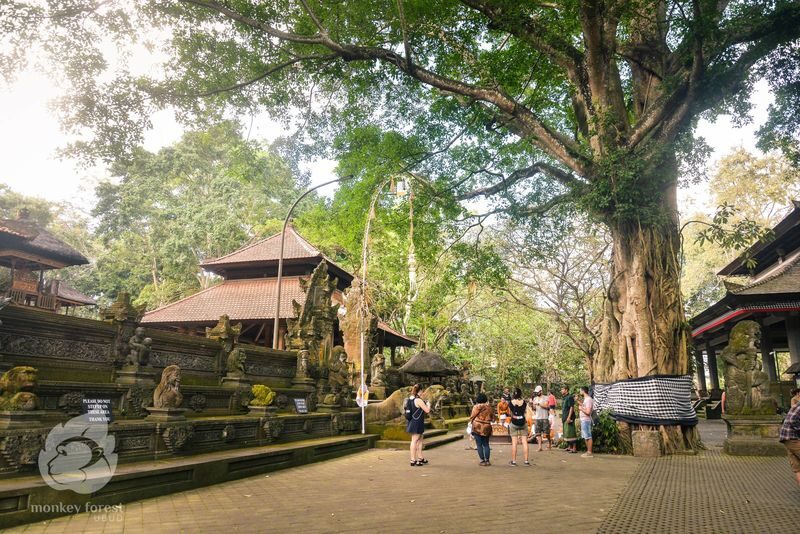
The sanctuary is listed as open daily from 9 a.m. to 5 p.m., with the last ticket redemption at 5 p.m. Aim to arrive with enough time to explore rather than treating the closing time as your arrival target. A morning visit is a sensible choice if you want to walk before the day wears you down; afternoon can also work if you leave enough time before closing.
There is no fixed duration for the admission visit. Around an hour may suit a quick look, while a longer visit gives you more time to wander, watch the monkeys, and take in the temples. The grounds have slopes and stairs, so build in breaks if you have sore knees, back trouble, or limited stamina.
The published information describes the sanctuary as wheelchair- and stroller-accessible, but that does not mean every path is level or easy. Reports of stairs and ups and downs are worth taking seriously. If mobility is a concern, ask staff about the most suitable route once you arrive and plan for some uneven walking.
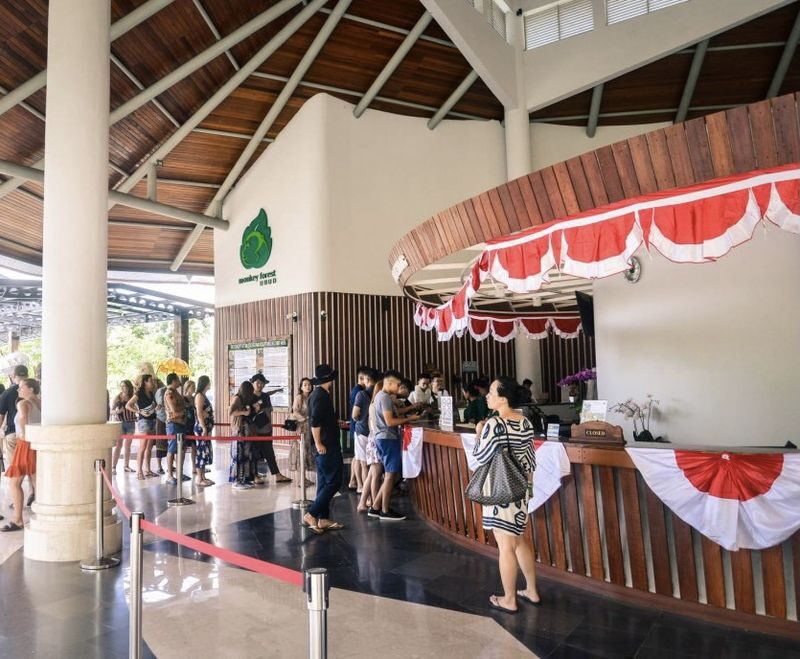
The international admission ticket starts at US$5.59 and includes entry to Sacred Monkey Forest Ubud. It does not include transport to the sanctuary or personal expenses. At this price, it can be a good-value stop if you’re already exploring Ubud and want a nature walk with wildlife and cultural interest in the same visit.
The basic ticket is the option detailed here. Other types of packages may be offered, such as a cycling experience, a pre-wedding photoshoot, or a group outing with lunch, but those are not included in the admission ticket price. Check the exact package details before booking if you have something other than entry in mind.
The booking information says to show your mobile voucher at the ticket counter and exchange it for a physical ticket. Some visitors have been able to enter by scanning a QR code, while others needed to queue at the counter. To avoid a surprise, keep your voucher ready and allow a little time for ticket redemption. The ticket is valid only on the date specified, and the international offer is not available to Indonesian passport holders. Children aged 13 and older pay the adult rate.
There are no cancellations or refunds. The low entry price makes the decision straightforward for many people, but book only when your Ubud plans are firm. Transport is not included, so arrange your own way to Jalan Monkey Forest by car or motorbike.
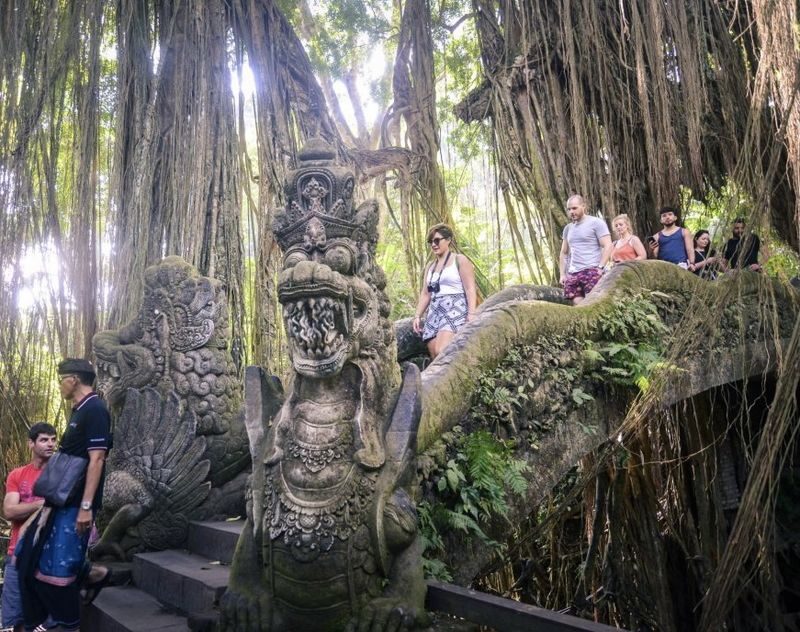
I’d recommend the forest to nature lovers, families with children who are comfortable around animals, and anyone who wants a shaded walk with a distinctly Balinese setting. It works especially well as a flexible stop in a day spent around Ubud, rather than as a major excursion requiring elaborate planning.
Children may be delighted by the monkeys, particularly when they spot young ones, but keep them close and explain the rules beforehand. A child who is frightened by an animal coming near may find the experience tense. For families, the key is to treat the visit as wildlife observation, not a chance to feed or handle monkeys.
If you have already seen macaques elsewhere in Bali, the forest can still be worthwhile for its temples and woodland setting. But if you are visiting only to see monkeys, you may find the experience less essential. The sanctuary’s appeal lies in the combination of animals, shade, plants, and religious sites, not in a guarantee of constant close encounters.
Book it if you’re in Ubud, enjoy walking in a natural setting, and are comfortable sharing the path with free-roaming monkeys. At a starting price of US$5.59, the admission ticket offers a reasonably priced way to see a different side of the town, with temples and greenery as well as wildlife.
Think twice if you dislike unpredictable animal encounters, have difficulty with steps, or expect a tightly organized tour with a guide and fixed route. Secure your belongings, follow the sanctuary rules, and give yourself time to explore. For many people, that is enough to make this a memorable Ubud visit.
“There are many monkeys, and rather than a jungle, it was nice to walk in the shade and had a great time. I highly recommend visiting at least once …”
It is on Jalan Monkey Forest in Ubud, Bali. The listed address is Jl. Monkey Forest, Ubud, Kecamatan Ubud, Kabupaten Gianyar, Bali 80571.
The sanctuary is listed as open Monday through Sunday, from 9 a.m. to 5 p.m. The last ticket redemption is at 5 p.m.
The international admission ticket includes entry to Sacred Monkey Forest Ubud. Transportation and personal expenses are not included.
Present your mobile voucher at the ticketing counter and exchange it for a physical ticket, as instructed in the booking details. Allow time for this step, since QR-code entry procedures may vary.
Do not feed the monkeys unless staff give permission. Visitors should observe from a safe distance and avoid touching, provoking, or intimidating them.
Outside food and drinks are not allowed inside the sanctuary. Smoking and drinking are also prohibited.
The activity information describes the sanctuary as wheelchair- and stroller-accessible. However, the grounds include stairs and slopes, so some sections may be challenging.
Children aged 13 and older are charged the adult rate. The supplied information does not specify rates for younger children.
No. This offer is not available to Indonesian passport holders.