Physical Address
304 North Cardinal St.
Dorchester Center, MA 02124
Physical Address
304 North Cardinal St.
Dorchester Center, MA 02124

Compare Kyoto and Nara’s headline sights in one day, with deer, shrine gates and Arashiyama. Check the train-ticket option before booking.
Nara’s deer, Fushimi Inari’s red gates and Arashiyama’s bamboo paths make a memorable trio, and this nine-hour day tour links them without asking you to work out the transport between cities. You get a taste of three very different places in one go: temple town, shrine mountain and riverside Kyoto.
I like the combination of guided transfers and independent time at the main stops, so you can hear useful context but still wander at your own pace. I also like the option to finish at Kyoto Station or return to Osaka, which can save a backtrack if Kyoto is your next stop.
The trade-off is the pace. You have about five hours in total at the three main stops, and travel takes up the rest of the day. The Sagano Scenic Railway is not included in every package, so check the exact option before booking.
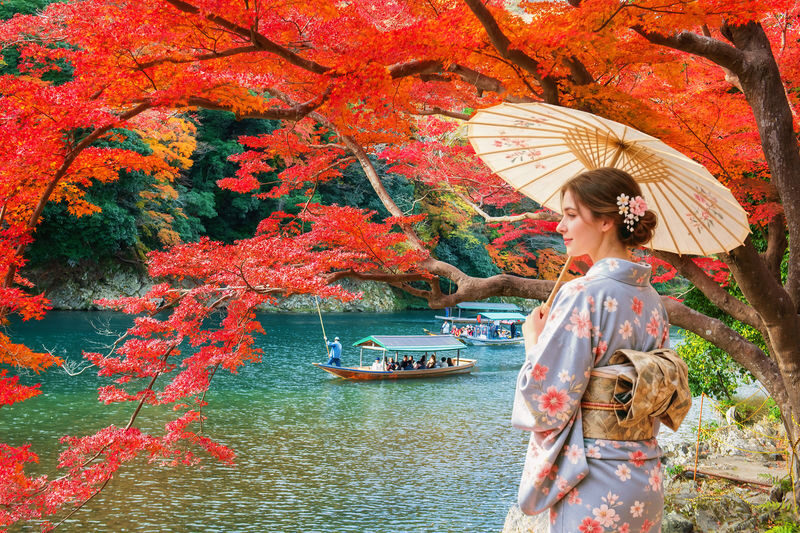
The route is a practical sampler, not a slow study of Kyoto and Nara. You set out at 8 a.m., visit Nara Park, Fushimi Inari Taisha and Arashiyama, then return to Kyoto Station at about 5 p.m. or Osaka Nipponbashi at about 6 p.m. Traffic and weather can change the schedule.
That arrangement is especially useful if you’re based in Osaka and want to see several major sights without stitching together trains and buses yourself. A guide handles the transfers and keeps the day moving, while free time at each stop lets you explore, eat or take photos without being marched from one viewpoint to the next.
It’s less suited to anyone who wants long temple visits, a full hike up Mount Inari or an unhurried afternoon in Arashiyama. Think of it as a strong first look. If one place captures you, you can return later and give it the time it deserves.
Looking for more options in Kyoto? Here are some other experiences worth considering.
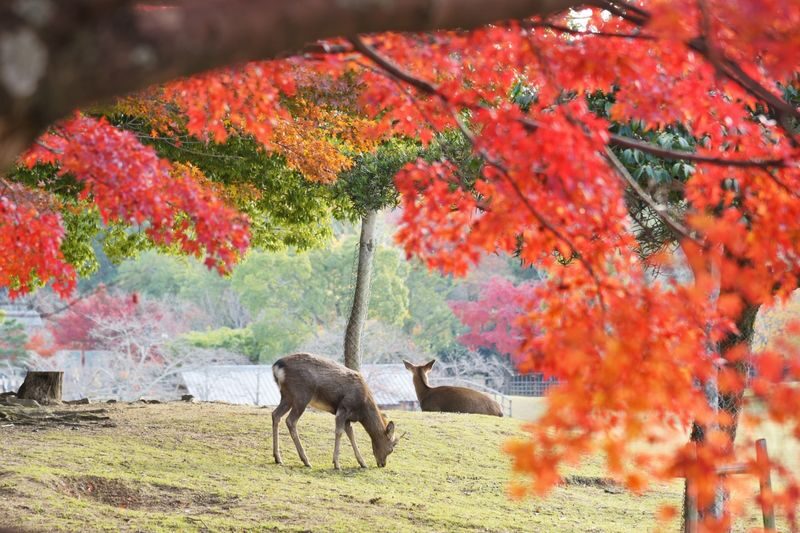
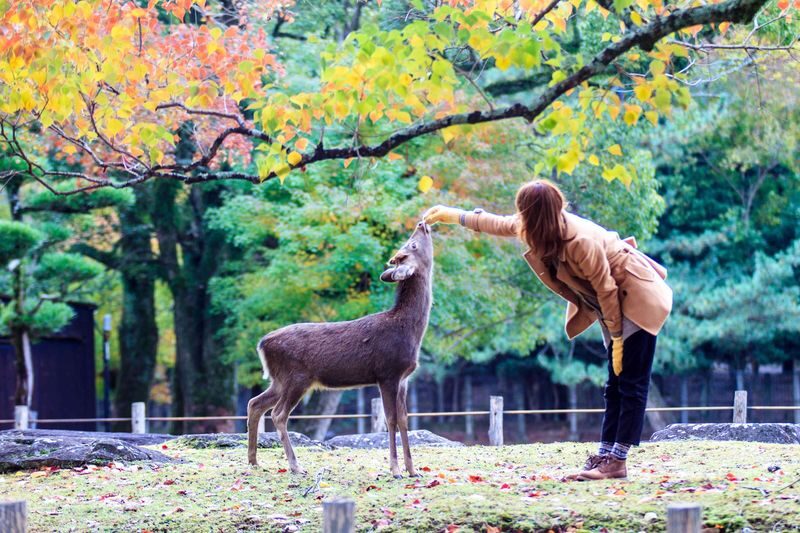
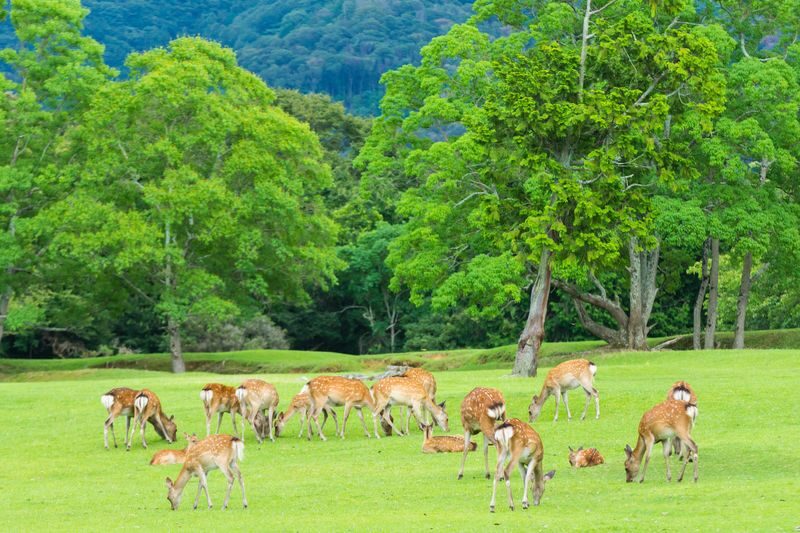
Nara Park is the day’s most playful stop. Deer roam freely around the park, and you’ll have about an hour to see them, take photos and feed them. Their friendly manners can change quickly when they spot food, so hold treats carefully and keep a little space if a deer gets pushy. One recent visitor described the feeding as unexpectedly intense. That’s a useful reminder: these are animals with appetites, not props.
The hour goes quickly. You can spend it among the deer or use some of it to see the park’s surroundings, but don’t expect a full tour of Nara’s temples and museums. The attraction list names Nara Park, while the scheduled stop is self-guided. If you want to see particular sights beyond the deer, check how far they are from the tour’s meeting point before setting off.
This stop is a good fit for families and first-time visitors, though small children should stay close to an adult. Infants and children count toward the passenger headcount, and the operator asks you to declare an infant or stroller in advance. Child seats are not available.
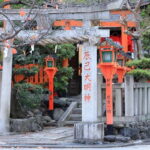
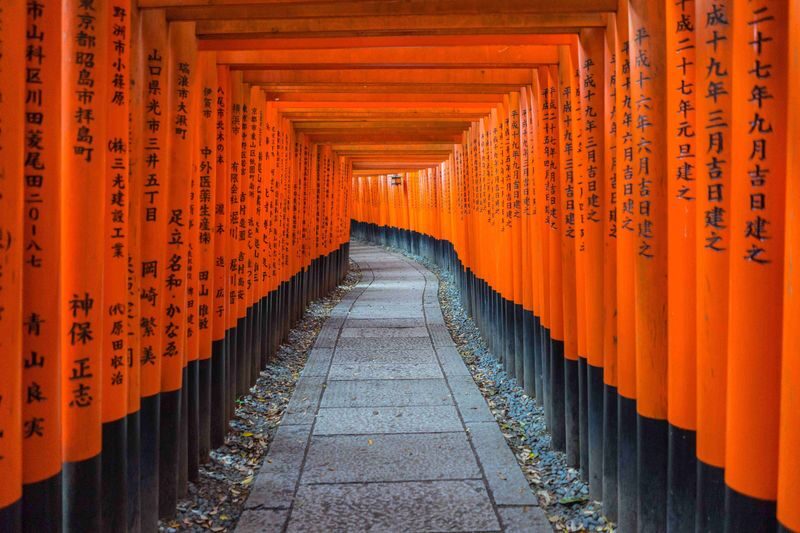
Next comes Fushimi Inari Taisha, known for its rows of red torii gates. The route through the gates is the visual highlight: close-set pillars create a long corridor that changes in light and mood as you walk. It’s a memorable place even if you don’t know the shrine’s background, and a guide can add context about its religious role and customs.
You have about 90 minutes here. That gives you time to walk among the gates, pause for photos and visit the shrine area, but it is not a generous window for a long uphill walk. The gates continue far beyond the first popular stretch, so decide how far to go before you start. If your priority is the full mountain route, this tour’s schedule is likely too tight.
The shrine is also a place of worship, not just a photo backdrop. Take a moment to observe how people behave, keep pathways clear and follow posted guidance. The tour description highlights prayers for prosperity and career success, but you can simply enjoy the shrine and its setting if that’s more your style.
The longest stop is Arashiyama, with about two and a half hours for the area’s main sights. The schedule includes Togetsukyo Bridge, the bamboo grove and Kimono Forest. Tenryu-ji Temple and Nonomiya Shrine are also named among the attractions, but temple admission is extra, and the tour’s short time here means you’ll need to make choices.
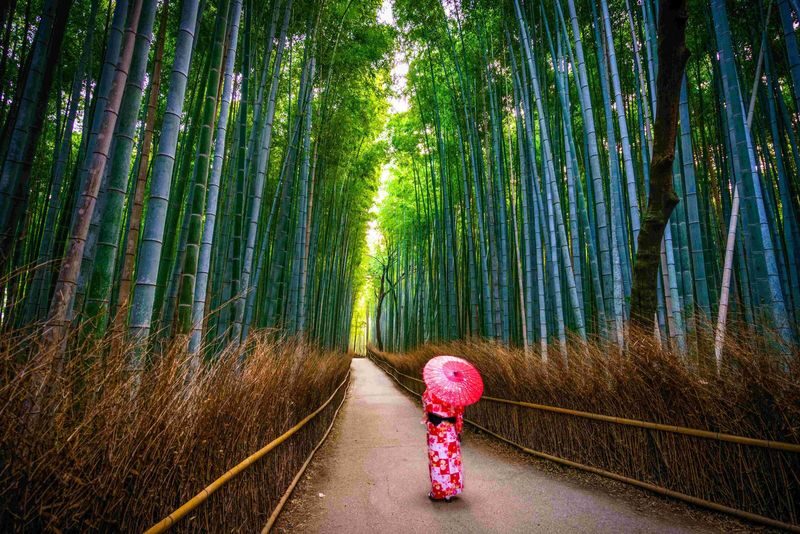
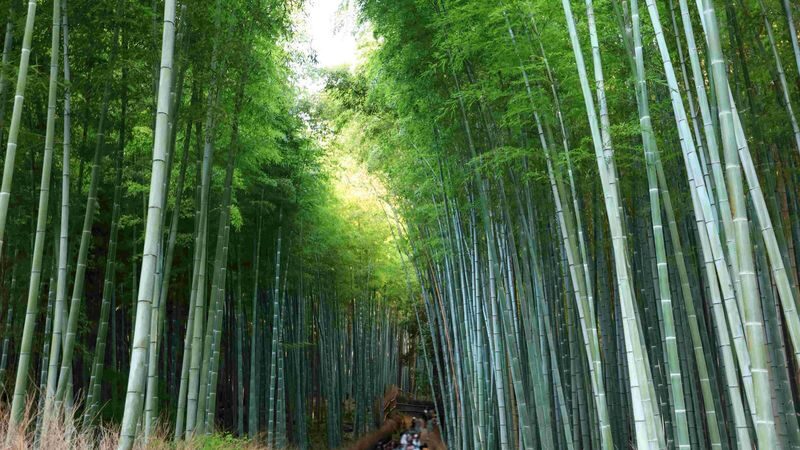
The bamboo grove is the image many people come for: a path running between tall stalks, with a quieter feel than the city streets. It can be crowded, and the walk itself is not long, but the time gets squeezed when you combine it with the bridge, shops or a temple visit. Some people find the stop too short to see everything they hoped to see. I’d pick your priorities before arriving rather than trying to cover every listed sight.
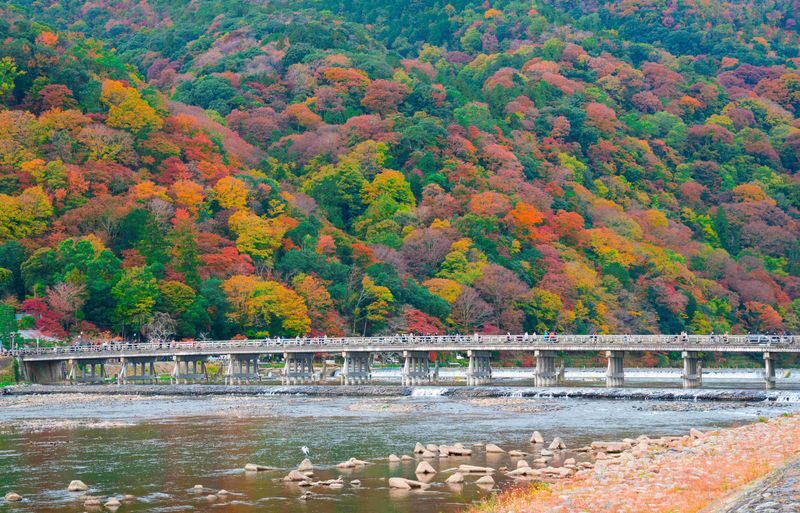
Togetsukyo Bridge offers a different kind of pause. It crosses the Katsura River against Arashiyama’s wooded slopes, and the view changes with the season. The bridge and nearby streets are a good place to take in the setting, though this is also a popular area with shops and other tour groups. If you want a rickshaw ride, one visitor recommended it for a guided look and photo opportunities, but it would take time from the rest of your stop and is an extra activity.
Kimono Forest is a compact, easy-to-visit display near the station, made up of pillars wrapped in patterned kimono fabric. It’s a worthwhile contrast to the bamboo and old temples, and a convenient spot for photos. Its appeal is visual rather than historical, so treat it as a quick stop rather than a major attraction.
Nonomiya Shrine, tucked near the bamboo route, is associated with The Tale of Genji and a local tradition involving a turtle-shaped stone. Tenryu-ji, a Zen temple and UNESCO World Heritage site, is known for its garden and views toward Arashiyama. Both can add depth to the visit, but neither should be assumed to fit comfortably into the allotted time. Tenryu-ji admission is not included.
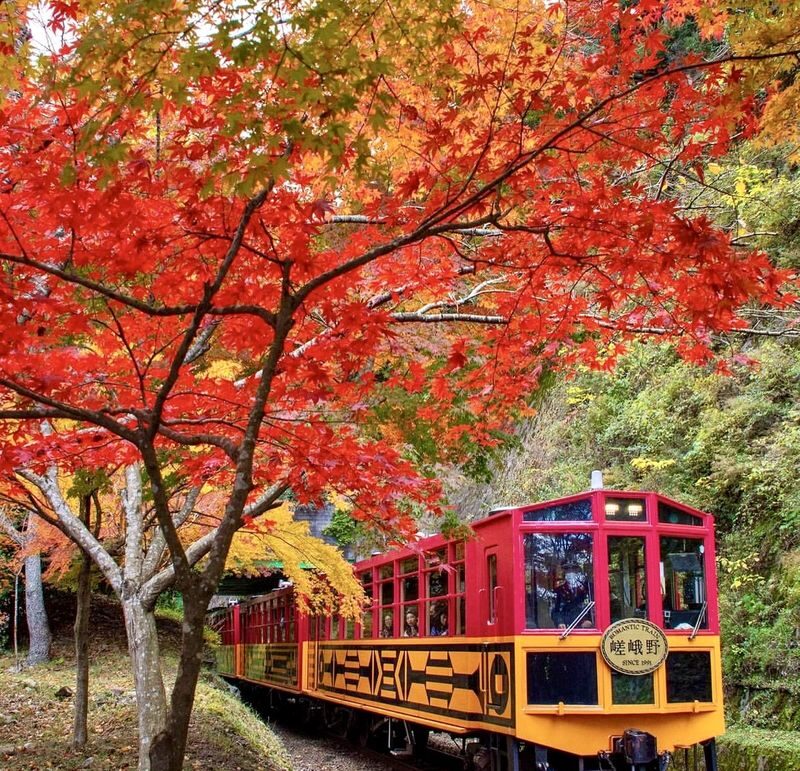
The scenic railway is a separate decision, not a standard feature of every departure. Choose the package that specifically says it includes the Sagano Scenic Railway ticket if riding the train is important to you. The schedule provided for the standard tour does not list a separate train stop, so confirm how the train option fits into your chosen departure before paying.
The railway runs between Sagano and Kameoka, through the area around Arashiyama. Its seasonal scenery is a major draw, particularly during foliage and cherry blossom periods, but operating dates matter. The information provided says the train runs daily during specified peak periods, closes on Wednesdays in the off-season and is suspended in January and February. Check current operations for your travel date, since schedules can change.
For peak-season trips, the operator advises buying round-trip tickets from Sagano to Kameoka on the official website at least a month ahead. Off-season ticket purchases may be assisted by the guide. If you want to ride, contact the operator or choose the train-ticket package early, rather than assuming a ticket will be available on the day. If you skip it, you still have the Arashiyama walk, shops, gardens and riverside scenery.
At $45.49 to start, the price can be good value if you want transport between Osaka, Nara and Kyoto’s scattered sights in one day. The fee includes round-trip transfers to and from the meeting point, an English-speaking guide, tolls, parking and fuel. Chinese-speaking guide options are also available.
Budget separately for food and drinks, personal purchases, Tenryu-ji admission and the Sagano Scenic Railway unless your chosen package explicitly includes its ticket. The starting price is not the price of every option, so compare package names and inclusions carefully. A train ticket can change both the cost and how the Arashiyama portion works.
The main value is convenience. You avoid planning several intercity and local connections, and a guide can help with meeting points, timing and practical questions. Recent guide names include Cicy, Carter, Rex, Sarah and Samuel, with individual departures also praised for clear updates and lively explanations. Names are not guaranteed, but the consistent point is that the guide can make a busy day easier to follow.
You’ll spend a meaningful portion of the day in transit. The stops are spread across Nara and Kyoto, so the coach is what makes this itinerary possible in a single day. Recent accounts describe comfortable, clean vehicles and steady driving, but the overall day can still feel like a lot of sitting followed by a lot of walking.
Wear comfortable shoes and bring water, particularly in warm weather. One visitor found an October day hot enough to make the walking tiring, so don’t assume autumn means cool conditions. Weather can also affect timing, and the schedule may change because of traffic or weather.
The tour meets at 8 a.m.; arrive 15 minutes early. Guide details are sent by email around 6 p.m. the day before, and it’s worth checking your spam folder if they don’t appear. Late arrivals and no-shows are not refunded. If you board in Osaka but plan to leave the tour at Kyoto Station with luggage, notify customer service at least a day ahead so the right vehicle can be arranged. Standard luggage allowance is two pieces per person.
This is a good choice for a first visit when you want to see Nara and Kyoto’s signature sights without planning every transfer. It also works well if you have one open day in Osaka and would rather trade some freedom for a clear route and guided transport. The option to finish in Kyoto can be handy if you’re moving on to a Kyoto stay.
It’s not the best match for a slow, temple-focused day or for anyone set on hiking all the way up Mount Inari. Arashiyama has several worthwhile sights, but a two-and-a-half-hour stop forces you to choose. If you prefer fewer stops and more time at each, plan a separate day for Arashiyama or Nara.
Pregnant participants and people aged 70 or older, including those who are 70, must sign a liability waiver on site for safety reasons. The tour does not provide child seats. These details may affect whether the format suits your group.
Book this tour if you value coverage and convenience more than lingering. It packs three distinct stops into one day, includes the transfers and gives you a guide to keep the logistics under control. For the best fit, decide in advance whether the scenic train matters to you, and choose the package that clearly includes it.
Skip it if you want a long visit at each shrine or temple, or if your main goal is the full Sagano Railway experience without time pressure. The tour is strongest as an introduction: deer in Nara, torii gates at Fushimi Inari, and a brisk look at Arashiyama. If that sounds like a satisfying day rather than a checklist to endure, it’s a sensible way to see a lot from Osaka.
“Great, fun, and worth recommending. Thank you!”
No. The railway ticket is included only in the package specifically labeled as including the Sagano Scenic Railway. Check the inclusions before booking.
The tour runs for about nine hours. Departure is at 8 a.m., with an expected return to Kyoto Station at 5 p.m. or Osaka Nipponbashi at 6 p.m.
Packages are available departing from Osaka or Kyoto. Osaka hotel pickup and drop-off is also offered in a separate package.
Yes. The Osaka departure options allow an optional drop-off in Kyoto or Osaka. Kyoto Station is the listed Kyoto drop-off.
The schedule allows one hour at Nara Park, 90 minutes at Fushimi Inari and two and a half hours in Arashiyama.
Meals and beverages are not included. Admission to Tenryu-ji and the Sagano Scenic Railway ticket are also excluded unless your selected package says otherwise.
The information provided says it runs daily during peak periods, closes on Wednesdays during the off-season and is suspended in January and February. Check the current schedule for your travel date.
Infants must be included in the passenger count. Note the infant’s age and whether you’re bringing a stroller when booking, or contact customer service at least one day before the tour. Child seats are not available.
A full refund is available if you cancel at least 24 hours before the activity date, using the destination’s local time. Late arrivals and no-shows are not refunded.